Archive | History RSS feed for this section

You Sank My Battleship

20 Jun

This morning I had an appointment to get waxed (don’t ask) and found myself in an interesting conversation with my waxer. For me, talking during a waxing is essential because it gets my mind off of the feeling that I am being flayed alive. Anyway, we talked about all kinds of things, including the Roger Waters concert I attended last night. I will blog about it later, but he performed The Wall album in its entirety.

The conversation then ventured into her recent trip to Hawaii. She told me all about it. How she didn’t eat poi at the luau because it looked gross. How people looked at her funny when she ordered sweet tea. It all sounded bad, so I asked her what she liked about the trip. I smiled through the pain as she said that the best part was going to Pearl Harbor and touring the USS Missouri.

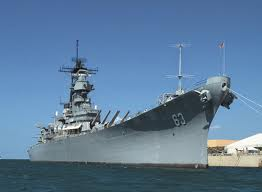
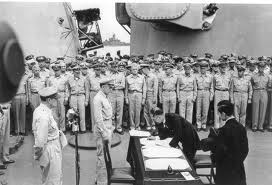
I couldn’t believe she said this because Pearl Harbor is one of my favorite historic sites. Everyone should visit it if they get the chance. The USS Missouri, while not at the base during the attack, is docked as a museum because of its role in World War II. Upon its decks, representatives of the Empire of Japan officially surrendered and ended World War II.

The last battleship to be built by the United States, the USS Missouri also saw action in the Korean War and after being recommissioned and modernized saw action in the Gulf War of the 1990s.

All of this was running through my mind when I asked my waxer what she liked about touring the ship. She stated excitedly:

“The most interesting thing was that was where Cher filmed the video of “If I Could Turn Back Time”. They even showed us which gun she sat on. The tour guide said that everybody wants to see that gun.”

The historian side of me wept.

History in the Buff

15 Jun

I started teaching history a little over ten years ago and have found out something in the intervening years. People want to talk to me about history. In and of itself, that is not a bad thing. It thrills me that people like history and want to discuss it, and I am happy to have a job that people find interesting. After all, I can’t imagine a plumber constantly being asked about fitting pipes or an accountant being asked about ledgers.

However, there is another side to the “let’s talk about history” coin, and I know it before it actually happens. It always begins with a question:

“You are a history buff aren’t you?”

Well, I’m not really a history buff. I am more like a historian, someone who makes their living studying history and providing that information to others. That question always leads to the next one:

“Can you tell me the real story about (fill in the blank)?

When this question comes out of their mouth, I know that I am in a real bind. You see, they don’t want to hear what I think or know. They want me to reinforce what they think they know. Invariably, I have to ask myself a few more questions:

“Do I tell them what the latest research says?” Or,:

“Do I let them continue to think what they want because I am not going to change their mind anyway?”

They are the true history buffs, and they can fall into several categories.

Civil War Buffs – In these parts, this is the worst bunch to deal with. They can be the Sons of Confederate Veterans, the Daughters of the Confederacy, or just someone who is obsessed with the Civil War. I can promise you that they know more about the actual “war” than I do. They know regiments, weapons, troop movements, generals, the names of the horses of generals, and a lot more minute information. There is no way I can talk to them about that stuff. Fortunately, or unfortunately, that is not what they ask about. The question is always:

“What was the Civil War really about?”

This is a no win situation. They have convinced themselves that it is about state rights, and have conveniently left out the part about states having the right to keep slavery legal. It was also about the need to spread slavery into the western territories. In short, it was all about slavery, but I can talk until I am blue in the face and they will not have their minds changed.
A few years ago, a member of the local chapter of the Sons of Confederate Veterans offered our department a sizable donation if we taught the Civil War the “right” way. We turned it down.

Old West Buffs – This category covers several groups: people who like westerns; people who compete in rodeos; people who live in the West; people who wear cowboy hats and cowboy boots. It goes on and on. However, I will use a conversation I had with a Montana rancher to illustrate my point.

Through the years, the rancher has bought cattle from my dad and invited us to see his place. It was a cool experience, but I knew I was in trouble when he found out that I was a historian of the West. I tried to stick with the fun stuff, but he asked:

“What do you think about the way things went with the Indians? Look at them. They don’t work, and they stay drunk. Useless.”

Now, how am I suppose to answer that? I am sitting at a table full of Montana ranchers who make their living off of land that Native Americans were run off from. For all I knew, their ancestors could have fought each other. Was I supposed to say that Native Americans got the biggest screwing ever? Was I supposed to say that they would be drunk too if someone took everything away from them?

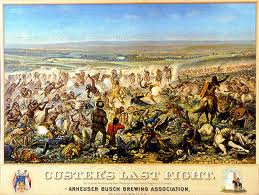
I played politician and stayed away from a straight answer. After all, these are people who still believe in the myth of Custer’s Last Stand.
People who play cowboy in the east are almost as bad. They want to hear about the lone cowboy riding across the prairie and living a lifestyle of freedom. They don’t want to hear that it was a job for people who couldn’t anything else. They definitely don’t want to hear that a great many were minorities. And, they would flip upon hearing that cowboys on the trail sometimes found sexual comfort with each other.

Instead, I tell them that it is hard to be a real cowboy without any cows.

Antique Buffs – A lot of people, including old ladies, love to collect antiques. That’s great for them and the pieces they collect. It allows them to hold on to a physical piece of nostalgia, and it protects objects that would otherwise be lost. However, that doesn’t mean I am interested in their collection of dishes.

When an antique person (in interest, not age) finds out my job, they immediately start in with:

“Oh, I should show you my collection. I’m sure you would find it interesting.”

Actually, I wouldn’t.

Old House Buffs – This group is closely related to the prior group. In fact, I could have put them together. These are people who either live in an old home or are involved in the protection of an old home. Now, this is a noble cause because older homes should be protected. I wouldn’t live in one, but I am glad other people do. However, just because a home is old does not mean that it is historic.

Last year, I spoke at a meeting of a group that protects an old home in Nashville. They were nice people who listened intently, but when I was finished they just wanted to talk about how important this place was. Others showed off the work they had been doing on the old places they lived in. I am not an expert on historic preservation and could not do anything except show feigned interest. However, I know that just because a place is old does not mean it is important.

Local History Buffs – These are great people who work in archives and libraries and provide a wealth of information for researchers. However, they tend to place more importance on their local history than is realistic. Not every town has an interesting story to tell or has enough interest to attract tourists. A lot of place have that, but most do not. I am happy that it interests you, but it does not interest me (unless they had a local whorehouse).
For example, my town has pumped up a Civil War battle that was not much bigger than a bar brawl. A sign has been installed to commemorate the event, but the Sons of Confederate Veterans got mad because the map was wrong. Apparently, it had the bar on the wrong side of the square.

Now that I have ranted about people interested in history, I will finish by saying that it is better than the opposite – people who know absolutely nothing. Several years ago, I had the following conversation with a local official. It took place during a meeting about drawing tourism into our community. She began with:

“I don’t see how we can draw people here. We don’t have any history.”

“What do you mean we don’t have any history? We have a university that was founded in 1842 and educated a winner of the Nobel Peace Prize. We have the homes of three governors. We have a home that Paul McCartney used to live in. We are the home of Cracker Barrel. We have all kinds of things.”

“Well, we don’t have a presidential home like Nashville does.”

“There have only been 40-something presidents. No many counties have one of those. You go with what you have.”

“Well, I say we don’t have anything.”

With that in mind, if you fit in one of the categories that I bitched about above. I will give you this. At least you have something.

Lou Gehrig, the Babe and a Girl Named Jackie

13 Jun

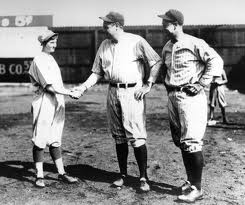
Did you know that a girl from Chattanooga, Tennessee struck out Lou Gehrig and Babe Ruth? In 1931, Jackie Mitchel, a seventeen year old hurler, signed a minor league contract with the Chattanooga Lookouts. A few days later, the New York Yankees arrived in town to play an exhibition game.

After seeing the starting pitcher struggle, the manager put Mitchell into the game, and she struck out the first batter she faced on four pitches. That batter was Babe Ruth. She struck out the next hitter, Lou Gehrig, on three pitches. Although the Yankees won the game, the story of the female pitcher who struck out the two legends dominated the headlines.

When Kennesaw Mountain Landis, commissioner of baseball, heard the news, he immediately voided Mitchell’s contract. His excuse was that baseball was too strenuous for women to participate.

Birthday Celebration

9 Jun

Tonight, we belated celebrated my youngest nephew’s 15th birthday. It was actually on June 6, which most of the world knows as D-Day. Our family also knows it as B-Day, Bronson’s Day. To honor his day of birth in the blogging world, here is a list of events from the year he was born.

On the big screen:

Titanic made a triumphant return from the depths and dominated the film industry.

– Val Kilmer and Elisabeth Shue starred in The Saint.

– James Stewart passed away.

– Robin Williams won the Academy Award for Best Supporting Actor for his role in Good Will Hunting.

In the athletic arena:

– the Green Bay Packers defeated the New England Patriots in Super Bowl XXXI.

– Tennessee beat Old Dominion to win the NCAA Women’s Basketball National Championship.

– Mike Tyson bit a piece off of the ear of Evander Holyfield.

– Tiger Woods won the Masters for his first win in a major.

On the boob tube:

The Crocodile Hunter debuted on Animal Planet.

South Park first aired on Comedy Central.

– Jacques Cousteau, famous for marine documentaries, passed away.

The Simpsons passed The Flintstones as the longest running prime-time animated series.

In the music world:

– Elton John re-recorded Candle in the Wind to honor Princess Diana.

– Paul McCartney became Sir Paul McCartney.

– Colonel Tom Parker, the manager of Elvis Presley, passed away.

– The Bee Gees, the Jackson 5 and others were inducted into the Rock and Roll Hall of Fame.

For the literate people:

– Mitch Albom’s Tuesdays With Morrie was published.

– Harry Potter looked for the Philosopher’s Stone.

– James Michener, writer of sweeping epics, passed away.

I Know Why the Caged Bird Sings was removed from the English curriculum in Anne Arundel County, Maryland.

Scientifically:

– the Pathfinder landed on Mars.

– the United States barred federal funding for research on human cloning.

– Deep Blue defeated Gary Kasparov in a chess match, the first time a computer defeated a grand master.

– the domain name Google was registered.

A lot of other stuff happened in 1997. Perhaps, you can list a few in the comments.

Imagining the West

5 Jun

When the United States completed the Louisiana Purchase, a question arose among politicians and citizens around the country. What exactly did Thomas Jefferson buy? Some of it was known, but, frankly, a lot of it was a mystery. Like today, mysteries led to wild rumors and speculation. Some thought that the land was filled with mammoth. Others theorized that giants walked the land. Even the reports of Lewis and Clark did not quell the wild stories about the land that they traveled through.

This began a long fascination with the western landscape among Americans. While some ventured into the region, the vast majority was content with staying in their comfort zone and leaving the visions of the West to their imaginations. While they read dime novels exaggerating the exploits of the people in the West, they were also fed exaggerations of the images of the West.

It is easy to see how someone in the 1800s could incorrectly imagine the West as they read a book that was designed to be as adventurous as possible. The visuals were left up to them, and they only knew what the writer wanted them to know. However, the 1900s brought the invention of films. Now, the story could unfold in front of their eyes. No more imagining. They could see the real West.

Unfortunately, that’s not exactly the way it happened. The first “westerns” were filmed at Thomas Edison’s studio in New Jersey. I’m not even sure it was in western New Jersey. When the motion picture industry moved to Los Angeles, things did not get much better because movies were filmed close by. In other words, a story that was based in Texas was filmed in California. As people watched, they began to assume that Texas, and the West in general, looked like the place they were seeing on the screen.

Last night, all of this came into focus for me as I watched television with some friends. Longmire, a new show about a modern-day sheriff in Wyoming, premiered on A&E, and I had been looking forward to it. To my disappointment, it was a weak attempt to copy th success of Justified, but I digress. My friends, who have never been to Wyoming, were talking about the scenery and how beautiful it was. I have been trying to convince them to take a trip to the West instead of their usual beach excursion, and they began to get excited about going to Wyoming and seeing this beautiful place.

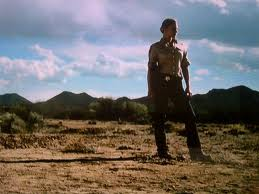
Wyoming is beautiful. It is one of my favorite states. However, if my friends want to see the landscapes of Longmire, then they will need to go to northern New Mexico, the filming location. I thought it looked familiar because I was just there. Anyway, I had to explain that westerns are not always filmed where the story takes place and that it has confused audiences for decades. I wondered how many people will watch the show and think that Wyoming looks like New Mexico.

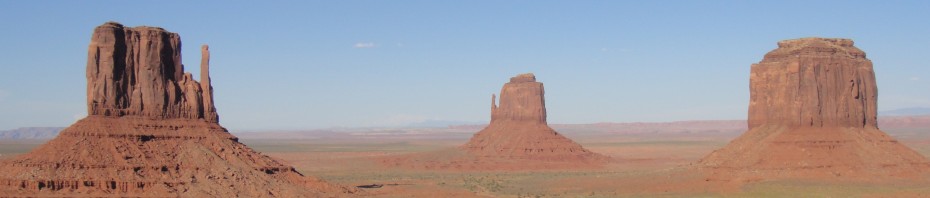
Today, another example of filming that confused the audience popped up on my television. The Searchers, starring John Wayne as Ethan Edwards, is one of my favorite movies. It follows a loner who goes on a decade-long trek to find his niece who was abducted by Comanche. I could write about this movie all night but need to focus on the scenery in which the action takes place. The director, John Ford, used his favorite filming location, Monument Valley, because of its grand vistas. In fact, I used a photograph of Monument Valley for the banner above.

The problem is that the story takes place in Texas while Monument Valley sits in Utah. Through the years, I wonder how many people think Texas, an iconic locale for western stories, looks like that. I can promise that it doesn’t.

People have always imagined the West differently. In the 1800s, misconception was understandable because technology and transportation did not offer easy opportunities to see it. During most of the 1900s, a trip into the West was also difficult for many. However, today, with interstates and internet, there is not excuse for imagining the West incorrectly. I urge everyone, if provided with the opportunity, to travel through it and see for yourselves.

Wyoming does not look like New Mexico, and Texas does not look like Utah. However, each of those places and all of the rest have a beauty all their own. Don’t be fooled by the movies and television because the West is more magnificent than they can show and you can imagine. Plus, it will all be in the right places.

Graduation Celebration

1 Jun

Last night, my nephew graduated from high school. Other than the fact that I felt old, it was a time for celebration for a great achievement. I won’t go on and on about his honors and accolades, but I felt the need to celebrate this in the blog world. With that in mind, I decided to find out what was happening in the world during the year he was born – 1994.

In the world of sports:

– the Dallas Cowboys defeated the Buffalo Bills in Super Bowl XXVIII.

– no one won the World Series because a strike cancelled the season.

– George Foreman became boxing’s oldest heavyweight champion.

– Miguel Indurain won one of my favorite events, the Tour de France.

– Dale Earnhardt won the Winston Cup Championship.

On television:

– NBC debuted a couple of new shows called ER and Friends.

– The Game Show Network made its debut.

– O.J. Simpson got in a white Bronco and led police on a slow-speed chase.

Star Trek: The Next Generation ended its successful run.

At the movies:

The Lion King defeated Forrest Gump as the highest grossing film.

Forrest Gump got revenge by running away with the Academy Award for Best Film.

– Telly “Who loves ya, baby?” Savalas passed away.

– Cameron Diaz made her first film appearance in The Mask.

The literary world saw:

– Stephen King publish Insomnia.

– Kenzaburo Oe won the Nobel Prize for Literature.

Musically:

– Bruce Springsteen had a hit with Streets of Philadelphia.

– Justin Bieber was born.

– Kurt Cobain died of a self-inflicted gunshot wound.

– Cream, Creedance Clearwater Revival, Etta James, the Doors and others were inducted into the Rock and Roll Hall of Fame.

On a more serious note:

– Hurricane Gordon killed over 1,000 people.

– USAir Flight 427 crashed into a hillside in Pennsylvania, leading to the longest accident investigation in aviation history.

– Nelson Mandela became president of South Africa.

– Saddam Hussein was president of Iraq.

– Yasser Arafat became president of the Palestinian Authority.

And, that’s the way it was. Congratulations to Weston on his graduation!

Pueblos, Pottery and Captain Vla

22 May

I have returned from the sojourn into New Mexico with fellow faculty and a class full of students. Fun was had by all, and it would be impossible to cover everything we did in a blog post. With that in mind, I will provide a brief synopsis by describing my favorite activities from each day. Hopefully, this will provide an entertaining glimpse into our adventures.

Day 1 – The beginning of a trip is always the best part of the first day. The students are anticipating the places that they have yet to see, and the teachers are anticipating the return to an interesting part of the country.

Day 2 – We can’t drive vans to New Mexico in one day, so we check out some things along the way. My favorite part of the second day is driving through Hereford, Texas, the citizen-proclaimed “Beef Capital of the World”. I don’t know if that is true, but there are definitely more cows in Hereford than there are people. Holding pens line the highway and railroad as thousands of head of cattle wait to be shipped to the plates of America. The students could only discern the smell, but I find the beef industry, both its past and present, interesting.

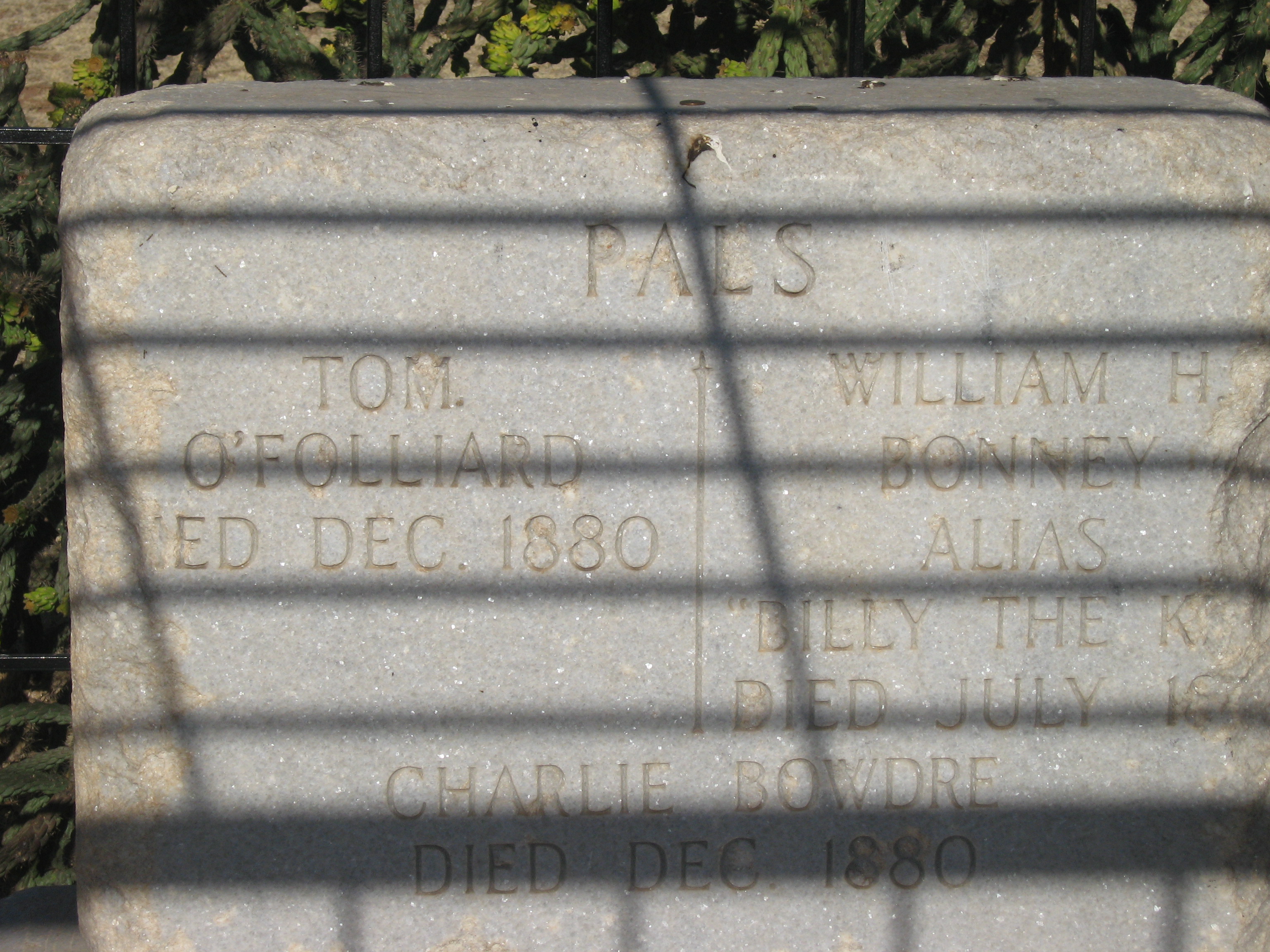
Day 3 – We made it to Santa Fe, our ultimate destination, later this day, but we had one stop along the way where I had the chance to talk about some history where that history took place. Billy the Kid is buried in Fort Sumner, New Mexico. Well, most people think he is buried there. Conspiracy folks believe he survived instead of being killed by Pat Garrett. Anyway, I was able to tell the students about Billy the Kid next to his grave.

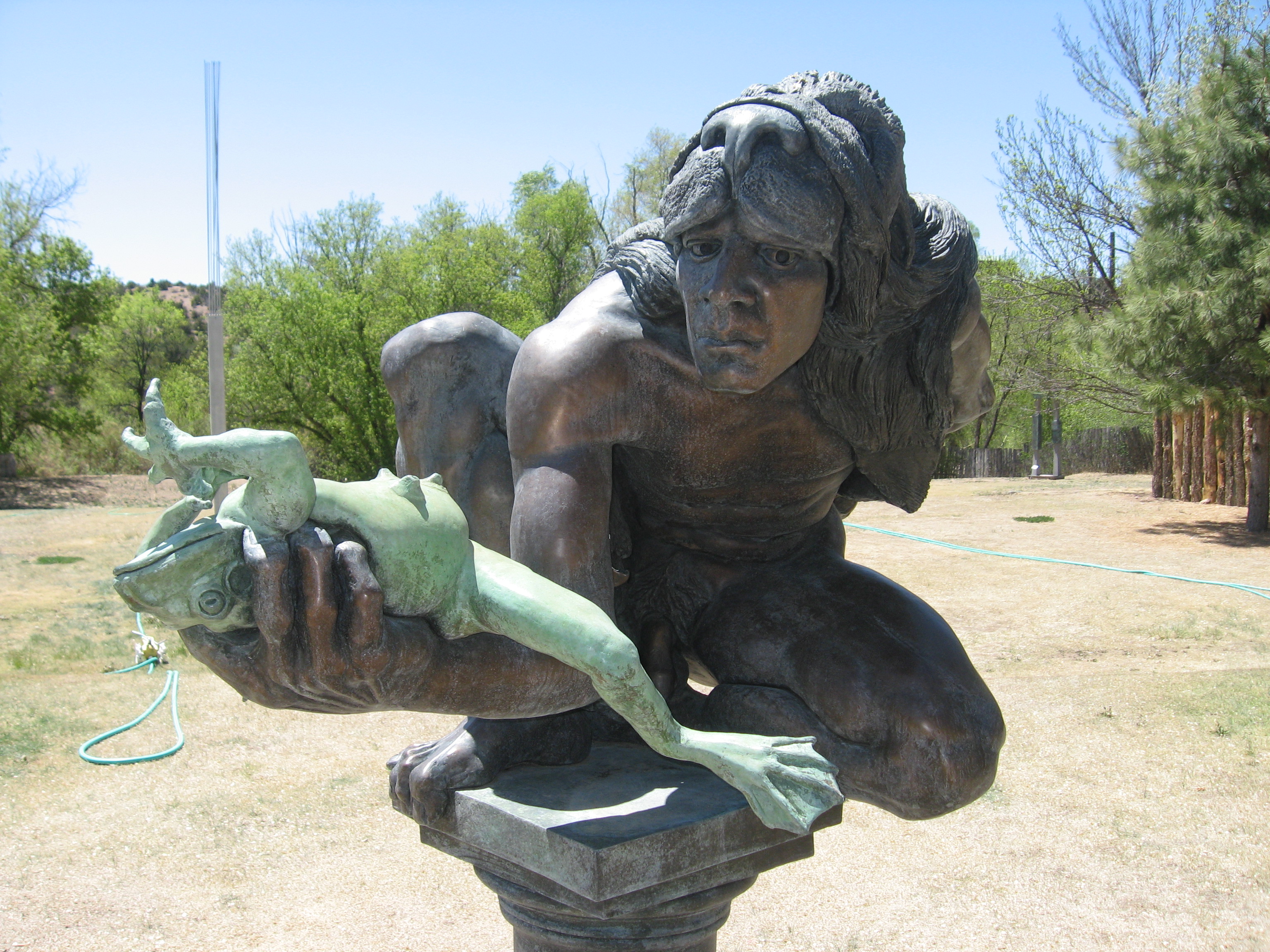
Day 4 – Our plans to hike Chaco Canyon were rained out, and our leader had to develop a day full of activities on the fly. We went to the Santa Fe plaza, but my favorite part of the day was spent at the Shidoni Gallery. The building and surrounding grounds are full of metal artwork that has been forged at the on-site foundry. It is interesting to see what people consider art and the prices they are willing to pay for it.

Day 5 – On this day, we went to a few places that we had never taken students before. The Very Large Array, or VLA, was the best. This is a series of giant satellite dishes used to study the far reaches of space. I don’t have a good picture of these, but if you have seen Contact with Jodie Foster, then you have seen the VLA.

It was cool to walk around them, but the real fun was on the periphery. On the way, we drove through sunshine, rain and hail. On the way back, we drove through snow. This is the first time we have seen precipitation in New Mexico – much less three different kinds. Also, one of our students, with my help, began calling himself Captain Vla. He imagined himself a superhero who could fly through space, powered by the satellite dish that emerges from his butt. His only weakness would be his limitation to travel by rail while on Earth, just like the VLA dishes. He even had a theme song – Super hearing! Super sight! He can travel through space at the speed of light! (For those readers who know the students who went, I will give you one guess who turned himself in Captain Vla.)

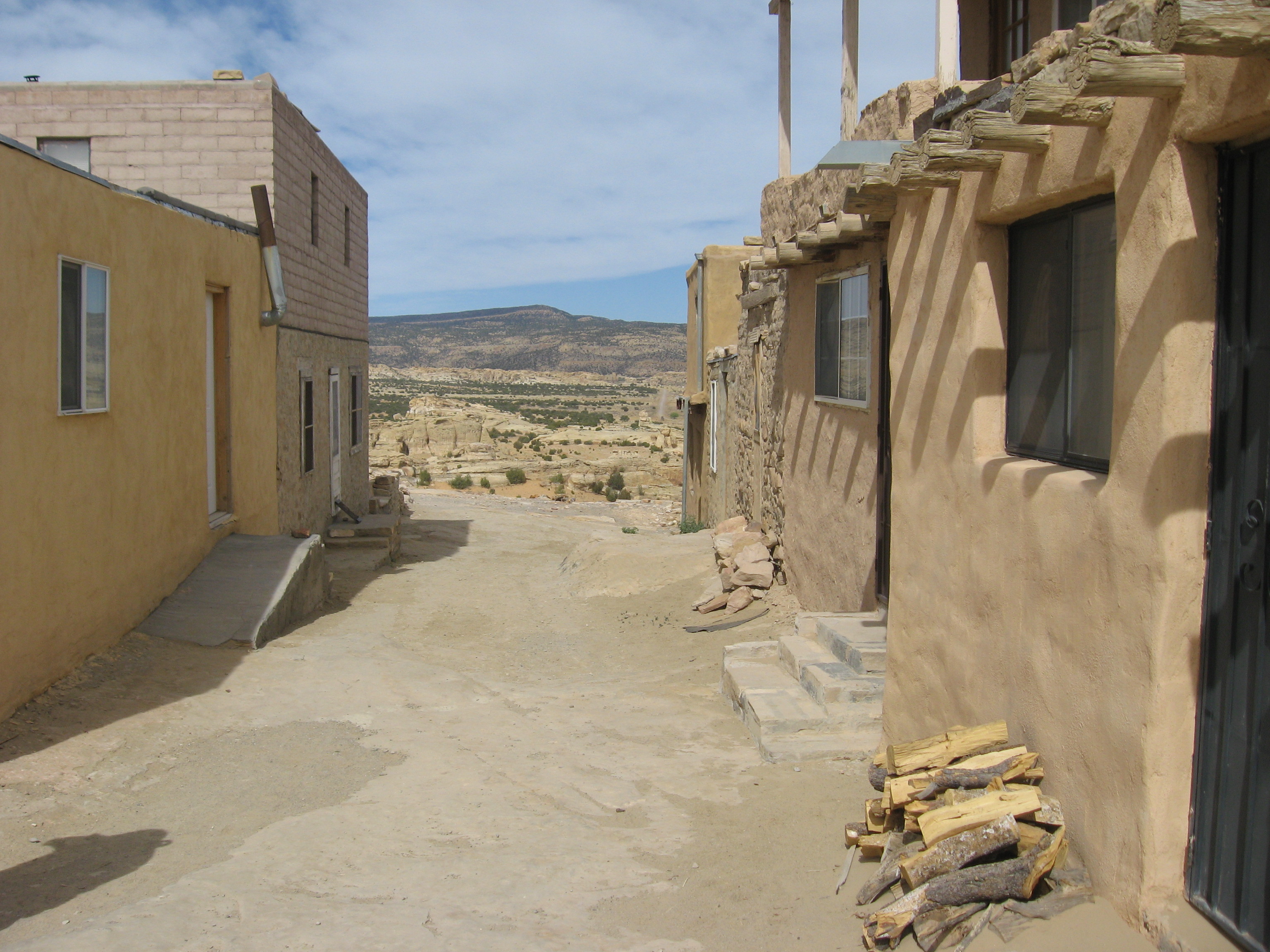
Day 6 – We visited my favorite place on the entire trip, the Acoma Pueblo. The oldest continually inhabited place in the United States, Acoma is located on top of a mesa and has a history of survival from the elements and European invaders. Native American docents take groups on a tour through their pueblo and their culture. Along the way, tourists can buy pottery from local artisans. One of our teachers, who shall remain nameless, buys pottery from the same lady every time we go. He also gets a hug.

Day 7 – We always eat well in New Mexico, and this trip was no different. The New Mexican cuisine is wonderful, especially the sopapillas that are always served for dessert. On the seventh day, we ate at Rancho de Chimayo, one of the great restaurants of the area, but dining was not the only enjoyment. There is a pottery shop inside, and two of the faculty members on the trip are addicted to buying Pueblo pottery. It so happens that the shop had a pot that they were lusting after. As they bickered back and forth about which one was going to purchase the $1,400 piece of pottery, the third teacher, not me, stepped in and said he would buy it. They both stood there with their mouths hanging open.

Day 8 – This was an easy day with little driving and little expended energy. Believe me when I say that everyone was ready for it. We were also ready to visit Madrid, New Mexico, an old ghost town that was resettled by flower children in the early 1970s. It is like going back in time to a place where peace, love and other things were still possible. The guys found a blonde in the ice cream parlor/art gallery that they wanted to find peace with. I found the first person to move to Madrid in 1973 and had a discussion about his life.

Mel Johnson was a dean at the Art Institute of Chicago and gave that up for a life in Madrid. In the following years, other people followed him until the town was filled with artisans and free-thinkers. Before I left his studio, I had found an interesting story and bought a painting.

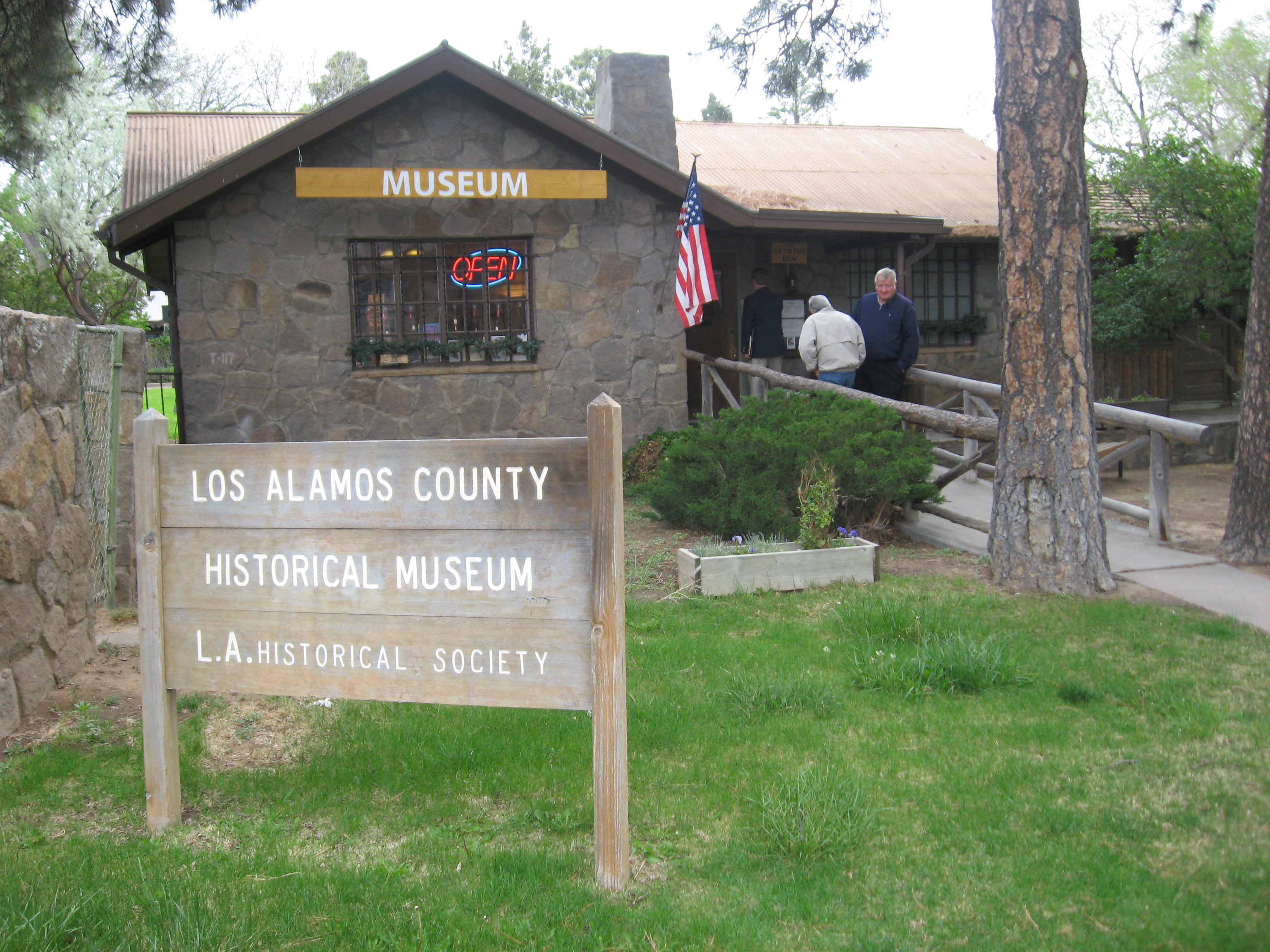
Day 9 – Once again,  I was able to talk about history where it actually took place. We visited Los Alamos and a museum that is housed in the only remaining building from the days of the Manhattan Project. I find World War II history interesting and have a special interest in the building of the atomic bomb. One reason is that Oak Ridge, Tennessee was one of the secret locations. Another reason is that my mom’s uncle worked in the Manhattan Project and told a lot of stories about it. People have different opinions about the use of the bomb on Japan, and it is great to discuss the different views of the students. In the end, we agreed that hindsight is 20/20, and we can’t place that hindsight on people who were making decisions in the moment.

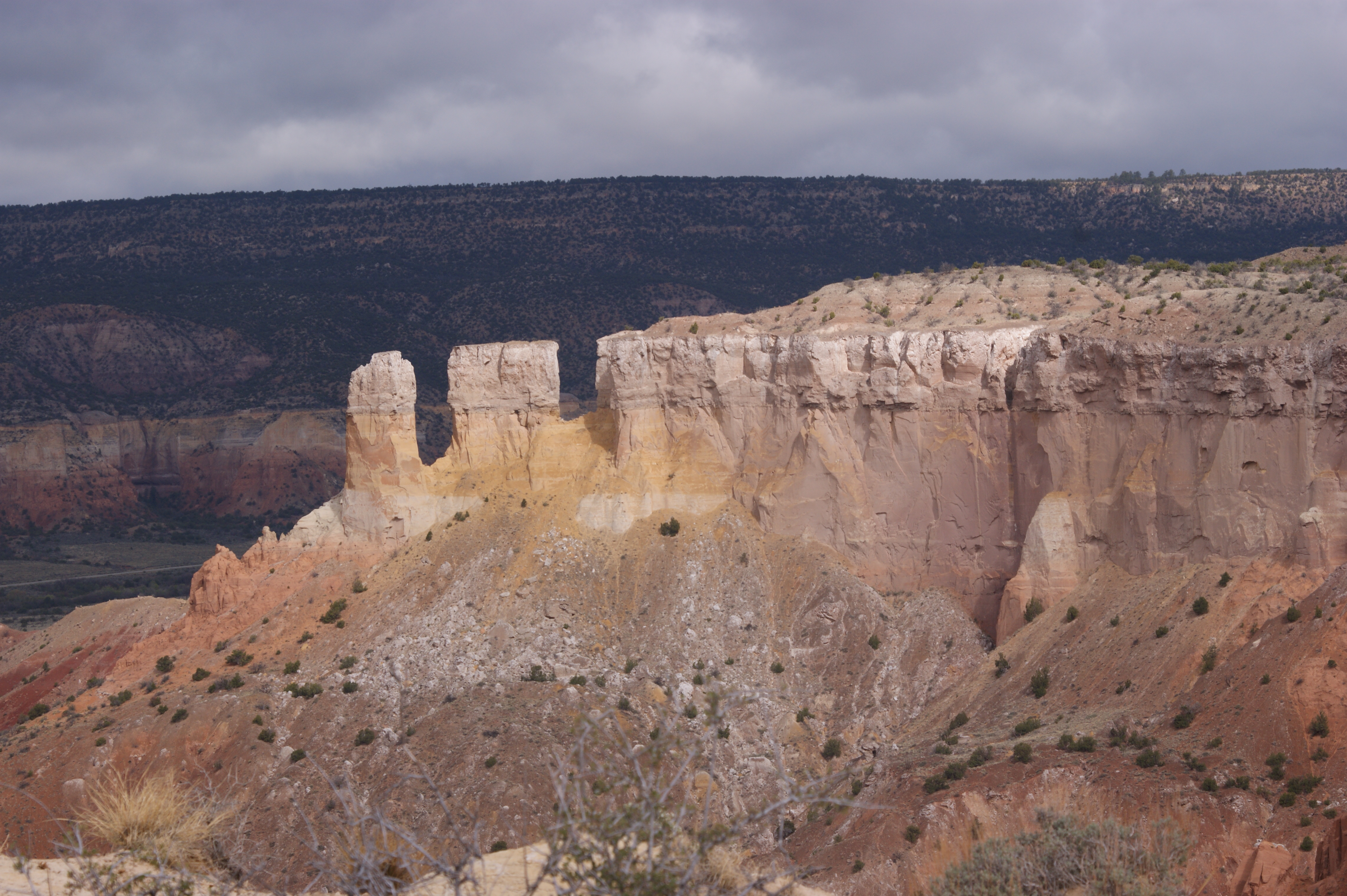
Day 10 – This was our last full day in New Mexico and was really a time to wind down. We hiked the mesa at Ghost Ranch and spent some time back on the plaza in Santa Fe. On top of the mesa, the students and I spent a spiritual moment reading a Native American poem, an ode to the land of New Mexico. I think we all felt a twinge of sadness because we were soon leaving and a sense of happiness because we had a great time throughout the trip.

Day 11 – We left Santa Fe at 5 am and drove over 700 miles to our original hotel in Sallisaw, Oklahoma. After a meal at Western Sizzlin’, the professors pulled chairs from our rooms into the Super 8 parking lot and discussed the trip. We deemed it a success.

Day 12 – We left Sallisaw at 5 am and headed home to Tennessee. It seemed that we got faster the closer we got to home. Like most trips, we were glad that we went but also were glad to get home.

Bound for New Mexico

8 May

Each May, myself and three other professors lead a field trip course to New Mexico. We use Santa Fe as a base and take daily excursions throughout the surrounding area and study different aspects of the area – history, anthropology, biology, economy, art…the list goes on and on. In the middle of the educational experience, we have a lot of fun as well.

In a few days, we will load up the vans and, as was famously written, “Go West, young man!” The problem is that a few of us aren’t that young. I will not be blogging during my time in the “Land of Enchantment”, but I will be Tweeting about our adventures. If you would like to follow along, then click the little bird in the column to the right. When we return, I will have plenty of stories to share. Hopefully, some interesting blog posts will be the result.

Things I Have Learned During Finals Week

4 May

Today, my colleague in the historian’s craft posted a great piece about the most memorable answer he has seen on a final exam. It is a very funny story, and you should check it out. (Yes, funny stuff happens in the world of academics. In fact, it happens all the time.) There is no way I can top that answer, but it made me think about some of the things I have seen through the countless final exams weeks of my life.

Final exams are the culmination of months of learning by the students. It is when they take the information they have absorbed and prove that some of it stuck. But, final exam week holds a deep secret in the dark corridors of the ivory towers. It is a time for the faculty to learn something as well. Through years of grading tests and seeing people operate in the stressful environment of the last week of school, I have learned quite a bit. This is a serious and not-so-serious list of the information that I have absorbed.

(Due to federal requirements, the events that I describe are HISTORY and not the PRESENT.)

Being within 3 points of an A means that a student should get an A. (After all, close counts in horseshoes and hand grenades.)

Al Capone ran for president of the United States in 1928. (I don’t know why. He was already richer and more powerful.)

Extra Credit should be given after the semester is over. (Especially if it provides the 3 points needed for an A.)

Even I, the great and powerful, can miscalculate sometimes. (I know. It’s hard for me to believe, too.)

On December 7, 1941, “a date that will live in infamy”, the empire of Japan attacked Alaska. (There wasn’t much happening in Hawaii.)

Mothers can get vicious about grades. (Even after their children have reached adulthood.)

The bookstore folks get really stressed out during finals week. (I really didn’t think they had much going with books being returned; people picking up graduation regalia; and everything else.)

Students realize they have scholarships. (And a bad grade may make that scholarship disappear.)

Franklin Roosevelt was blind when he was elected president. (I realize how someone would think this. Have you seen Eleanor?)

Retirement is bittersweet. (It’s tough to watch people leave something that they have been doing for decades.)

Speakeasies have never existed. (Maybe Al Capone wasn’t so rich and powerful after all.)

People worry about the length of the graduation ceremony. (Guys, be happy you made it and stop worrying.)

Almost everyone shows up to take their final exam. (It’s amazing really. People that you haven’t seen in months suddenly show up. It’s like the return of Gilligan or something.)

The student affairs folks already plan for next semester. (They do that. I promise. It’s like people are really on the ball.)

Napoleon Bonaparte was an American who traveled to France to help with the revolution. (I knew he was too ambitious to be French.)

Alexander Graham Bell is my ancestor. (Oh, how I wish that were true.)

A Totally Not Funny Account of My Trip to New Orleans

26 Mar

Last night, the group returned from the field trip to New Orleans after a lot of driving, walking and eating. Everyone was tired and haggard, a motley bunch indeed. Although I wanted sleep desperately, I took time to login into WordPress to check up on what I had missed over the weekend. There, I found my first negative comment.

Without going into details, the commenter took exception to one of the posts and wrote that there was nothing funny about it. In fact, I was being cruel. God forbid that someone look at the idiosyncratic aspects of life and write about them. I suppose that finding humor in the mundane is considered cruel in the eyes of some. I really don’t want to step on the toes of the sensitive, so here is a totally not funny account of my trip to New Orleans. Although, a lot of funny things happened.

Friday

Left campus at 6:45 AM in three white passenger vans.

Drove to Laurel, Mississippi and had crepes for lunch.

Drove to the La Quinta Inn on the outskirts of New Orleans.

Had hash browns covered with ham, bacon, sausage and gravy at a local diner.

Went to sleep.

Saturday

Left at 8 AM for the drive to the French Quarter

Took the students on a historical tour of the French Quarter. (A lot of cool and funny stuff happened here, but some people may not want to read about it.)

Went to lunch at a food festival and had gumbo.

Watched parts of a basketball game at Margaritaville.

Had a very enlightening conversation at Pat O’Brien’s.

Marched in a wedding parade.

Met with the students to make sure they were still alive still present. (Saying “still alive” may be funny to some, but who can take the chance?)

Looked at the art being sold around Jackson Square.

Had dinner at The Court of Two Sisters and dined on shrimp wrapped in bacon; salad; duck breast; dirty rice; and bread pudding.

Strolled down Bourbon Street

Loaded onto the bus and returned to the hotel.

Went to sleep.

Sunday

Got on the bus at 7:30 AM

Drove through the Garden District and the Lower 9th Ward. (There should be a social commentary here about the effects of Hurricane Katrina, but someone might take it wrong.)

Visited the site of the Battle of New Orleans.

Had lunch at McDonald’s in Laurel, Mississippi

Arrived back home.

It was a fun and informative trip for the students and teachers. It’s too bad that I don’t feel comfortable relating some of that fun. With the next post, I will return without the stick in my ass.