Tag Archives: American West

Days Of Wine And Roses

9 Feb

Actually, there is nothing about roses in this post. I have been trying to find a way to steal that title for a while and finally figured out a way to do it. This post is entirely about wine and the growth of its popularity in the United States.Wine

Wine is everywhere. We have a wine fridge in the bonus room. There is a new store in town that focuses on wine. I have friends who are proud to wear the moniker of Wine Snob. I know a guy named Dave who makes homemade wine. Doctors tell us that drinking wine is good for our hearts. Restaurants have wine lists that match the wine that goes best with a meal. As I said, wine is everywhere.

I understand the love of what. However, I do not understand when that love began. Historically, the United States has been a nation of people who desire alcohol that is made from grain. Whiskey. Rye. Beer. Those types of things. This history springs, I think, from two places.

One, the United States was birthed from Great Britain and its tradition of grain alcohol. I am not an expert in the history of European agriculture, but I think grapes have always grown better in southern Europe. Great Britain was in a non-grape zone.

Two, Americans did not run into proper grape growing areas until someone figured out that it could be done in northern California. I am not sure when that started, but it was long after Americans had created a tradition of drinking something else.

I suppose that wealthy Americans have always consumed wine and saw it as a symbol of success. However, regular folks stayed mostly with the grains. This even became the focus on a presidential election. In 1840, William Henry Harrison was portrayed as a whiskey drinker who connected with the common voter. His opponent, Martin Van Buren, was portrayed as a drinker of wine and champagne, which meant that he was out of touch. Harrison won.

This is just one example of how American has generally been a grain alcohol nation, but there are probably others. As a student of the American West, I cannot imagine a cowpoke walking into a saloon and saying, “Give me a bottle of your house red.” Instead, I can imagine him saying, “Give me a shot of red-eye.”

Prohibition was a big event in American history. Alcohol was made illegal, but organized crime made sure it was available. I have read that an underlying reason for Prohibition was to take wine away from immigrants from southern Europe, but I have never seen a film of G-Men hacking through barrels of wine. It was illegal beer and whiskey that they were after.

This love of grains can also be seen in popular culture. Think back on some of those film noir movies. How many times did the detective or dame pour a glass of wine? How many times did they put some ice in a glass and pour some whiskey over it? I think about a movie called A Face in the Crowd when Patricia Neal goes to a bar and has a cocktail sitting in front of her.

It happened on television, as well. In the 1960s, a bunch of television homes had bars, and they were all filled with whiskey bottles. I can remember Darrin, or Derwood, getting a drink whenever the antics of Samantha and her fellow witches were driving him crazy on Bewitched.

I write all of that to say that wine is a relatively recent phenomenon in the United States. When did this happen? Why did this happen?

Did the economic boom of the 1990s make people want to grab wine as a symbol of success? The wealthy have been drinking it forever. What better way to prove economic success than to adopt a tradition sign of that success?

Was it the marketing of wine producers? Did they follow in the footsteps of the Ernest and Julio Gallo campaigns?

I know that people have always drank wine, but, at some point, it became the drink of choice for a vast number of people. Like with a lot of things, I have my opinion as to how that happened. It was not a booming economy. It was not an ad campaign. It was these women.Sex and the City
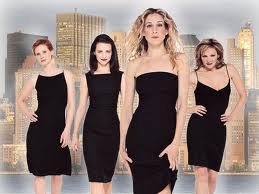
I know that the women of Sex and the City drank martinis and other types of cool drinks. However, the show also provided the idea that a stylish, successful woman about town knew her wine. This popular show introduced wine to a segment of the population that drives our sense of style, and that sense filtered to other segments of our society. Then, we Americans figured out that we liked wine. Apparently, we are not as crass as we are sometimes made out to be.

Am I crazy? Probably. However, the mass love of wine by Americans is a recent development, and it had to start somewhere.
Walking in the Footsteps of Wyatt Earp, Doc Holliday and Some Biosphereans

15 Oct

Necole and I just returned from Tucson, Arizona and the conference of the Western History Association. The conference was informative and will be covered in the next post. This post is about the touristy things that we did while there. Obviously, there are lots of places to see, but our time was limited. Necole had never spent much time in that part of the country, and I wanted to make sure she saw some good stuff. With that in mind, I picked one place that neither one of us had ever seen and another place that I have visited several times. In fact, it’s one of my favorites.

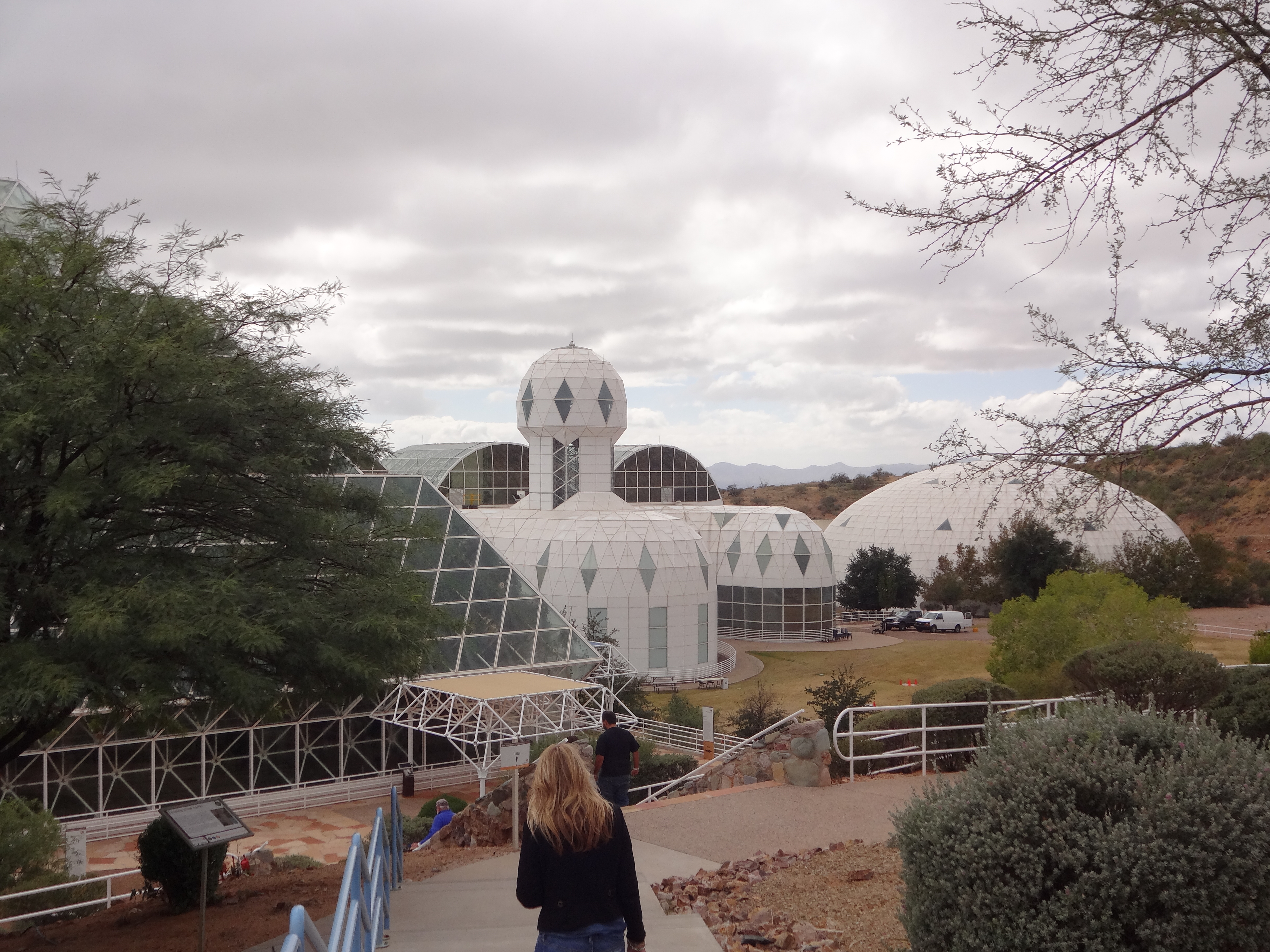
North of Tucson sits a giant scientific experiment called Biosphere 2, which was recently named one of the 50 Wonders of the World. In the 1980s, it was built by a private firm for $150 million as a way to study the environment in a controlled setting. For two years, eight Biosphereans were sealed in the facility to live and study their surroundings. After our tour, I am still not sure what they were trying to accomplish, but they came out alive. More people probably remember Pauly Shore wrecking the place in Bio-Dome than they do the actual experiment.

I have always wanted to see Biosphere 2 and thought it would be something good for us to both see for the first time. We had to walk through a little village that is supposed to be the model for a perfect community. I have no idea why people keep trying to create one of these. People aren’t perfect, and, therefore, communities will never be perfect.

Then, we saw it.Arizona 2013 001

Before we went in, I was afraid that we might run into a Sandman. The crystal in my palm has already turned black, and there was no way I was going to Carousel. My options started to run through my mind. I could look for Farrah Fawcett at the plastic surgeon, or I could run. It turns out that I didn’t have anything to worry about. Instead of a Sandman, we found a tour guide.

He took us through a building with miniaturized versions of different environments. There was a rainforest. There was an ocean. There was a swamp. There was a desert.Arizona 2013 004

After touring the upper world of Biosphere 2, we went into the underworld and saw the guts of the place. Then, we sat the dining table in the living quarters of the Biosphereans. It was a nice place, but I wouldn’t want to live there.

It was at some point toward the end of the tour when a German tourist asked about the power source for the structure. The tour guide said that it ran on 2% solar power. Necole said what I was thinking. How can an experiment design to study the environment run on 2% solar power? Shouldn’t they be more environmentally friendly than that? As Necole said, it made the entire thing seem hokey.

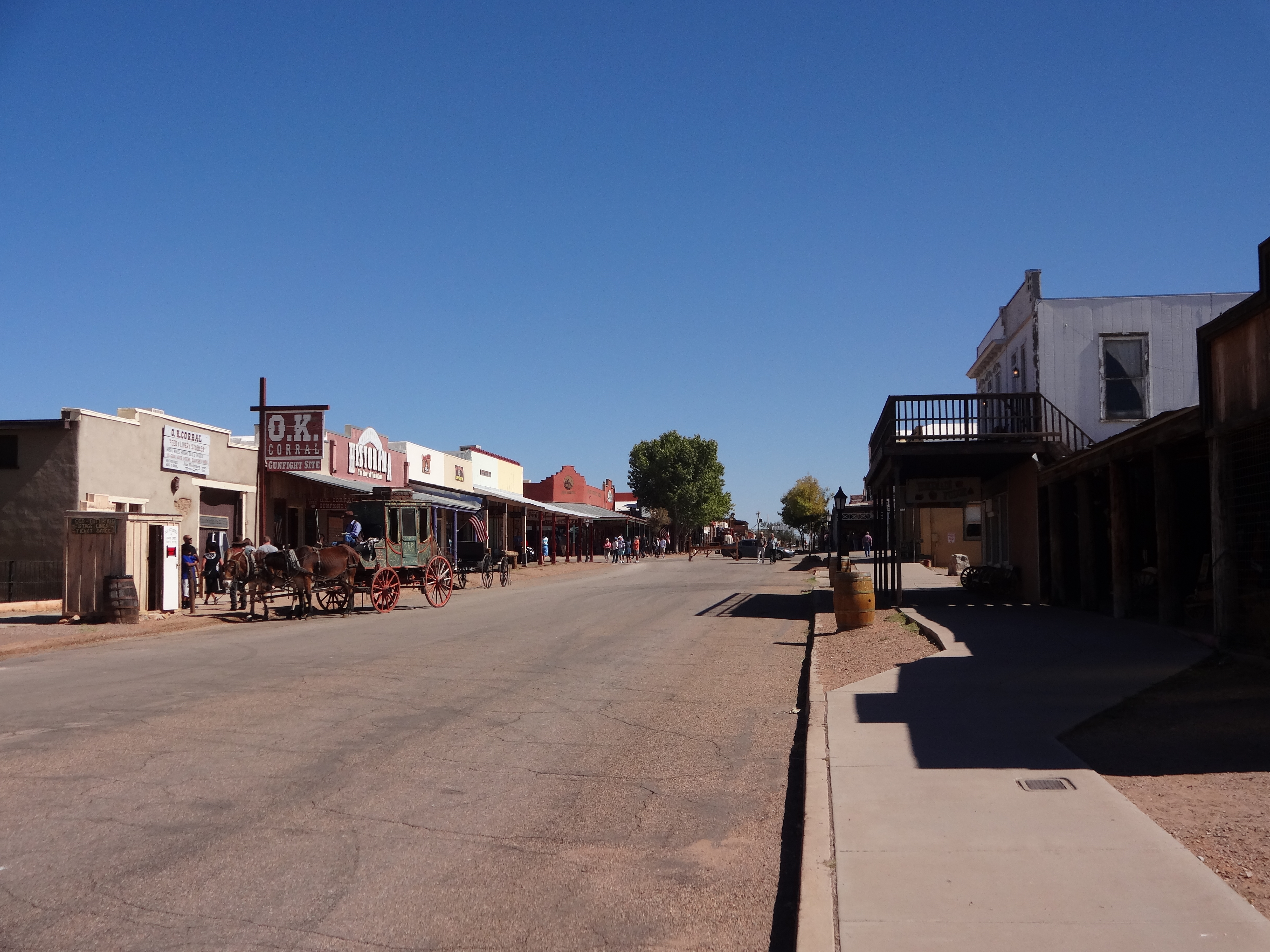
The next day, I took Necole to one of my favorite places, Tombstone, Arizona. Known for the Gunfight at the OK Corral, this town has been immortalized in movies, books and television. It’s a good thing because without a gunfight that lasted a few seconds “The Town Too Tough To Die” would be dead. The old mining camp lives off tourist who want to walk in the footsteps of Wyatt Earp and Doc Holliday. I won’t destroy anyone’s opinion of those guys in this post. Instead, I may do it in the next one.

My parents took me to Tombstone when I was a kid, and I have been back several times since. I wanted Necole to see one of the places that made me want to study and teach the history of the West. To do that, we needed to step into the streets of a famous mining camp.Arizona 2013 007

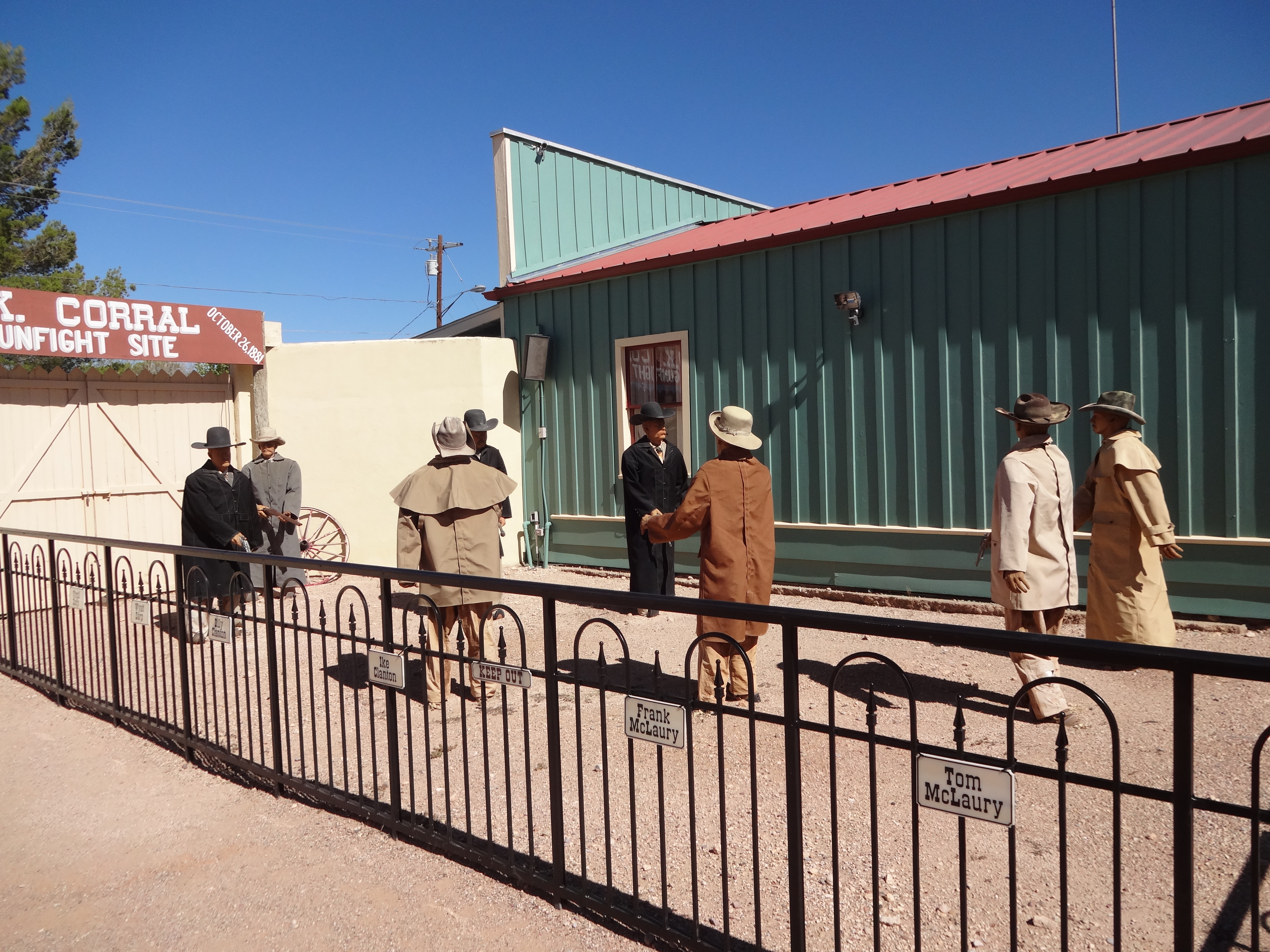
Our first stop, like everyone else, was at the site of the gunfight. Of course, you have to go through a souvenir shop before they will let you in the corral. In truth, that’s not where the gunfight took place. We walked through the corral to a backlot where the action took place. Now, there are cheap animatronic figures representing the combatants. As the narrator describes the fight, they move. However, they don’t fall down when they are shot.Arizona 2013 008

After watching the fake gunfight, which I had explained to Necole before the narrator ever began, we walked down the street. Necole wanted to stop in a jewelry store, and it turned out to be a good thing. That was the place where Wyatt Earp and Doc Holliday stopped to buy cigars before going toward the corral. Movies make it look like they walked a long way. It was just a block away.

Then, it was on to the highlight of any visit to Tombstone, a meeting with Ben Traywick. We entered his bookstore to find him behind his desk. I introduced myself and introduced him to Necole. Mr. Traywick is the Tombstone historian. He also happens to be from Watertown, a little town in our county where my dad grew up. For the next hour, he told us how he got to Tombstone; talked about the actors who have visited him; talked about people back home; and showed all of the books he had written. I bought too many of them. Mr. Traywick is an interesting person who has lived an interesting life. I wish more people knew to stop in and see him.

We went further down the street to the Birdcage Theater, perhaps the most famous saloon in the West. It served as a theater, a gambling hall, a bar and a brothel. In fact, prostitutes plied their trade in the theater boxes that overlooked the main floor. The boxes looked like birdcages.Arizona 2013 009

If you see anything weird in this picture let me know. The Birdcage is supposed to be one of the most haunted buildings in the country.

After the Birdcage, we did like Doc and Wyatt and went to a bar for a drink. I was tempted to order a shot of redeye. Instead, I got a Jack and Coke.

Listeria – Western Locales

12 Aug

The latest edition of American Cowboy lists twelve destinations in the American West that every cowboy must visit. Well, I’m not a cowboy. I don’t wear a cowboy hat, boots or Wrangler jeans. I don’t ride horses. At one time, my dad owned the top ranked herd of Angus in Tennessee, but I only went to the production sales to eat and watch the spectacle. Despite all of those non-cowboy things, I love the American West, and, of the twelve locations in the magazine, these are my favorites.

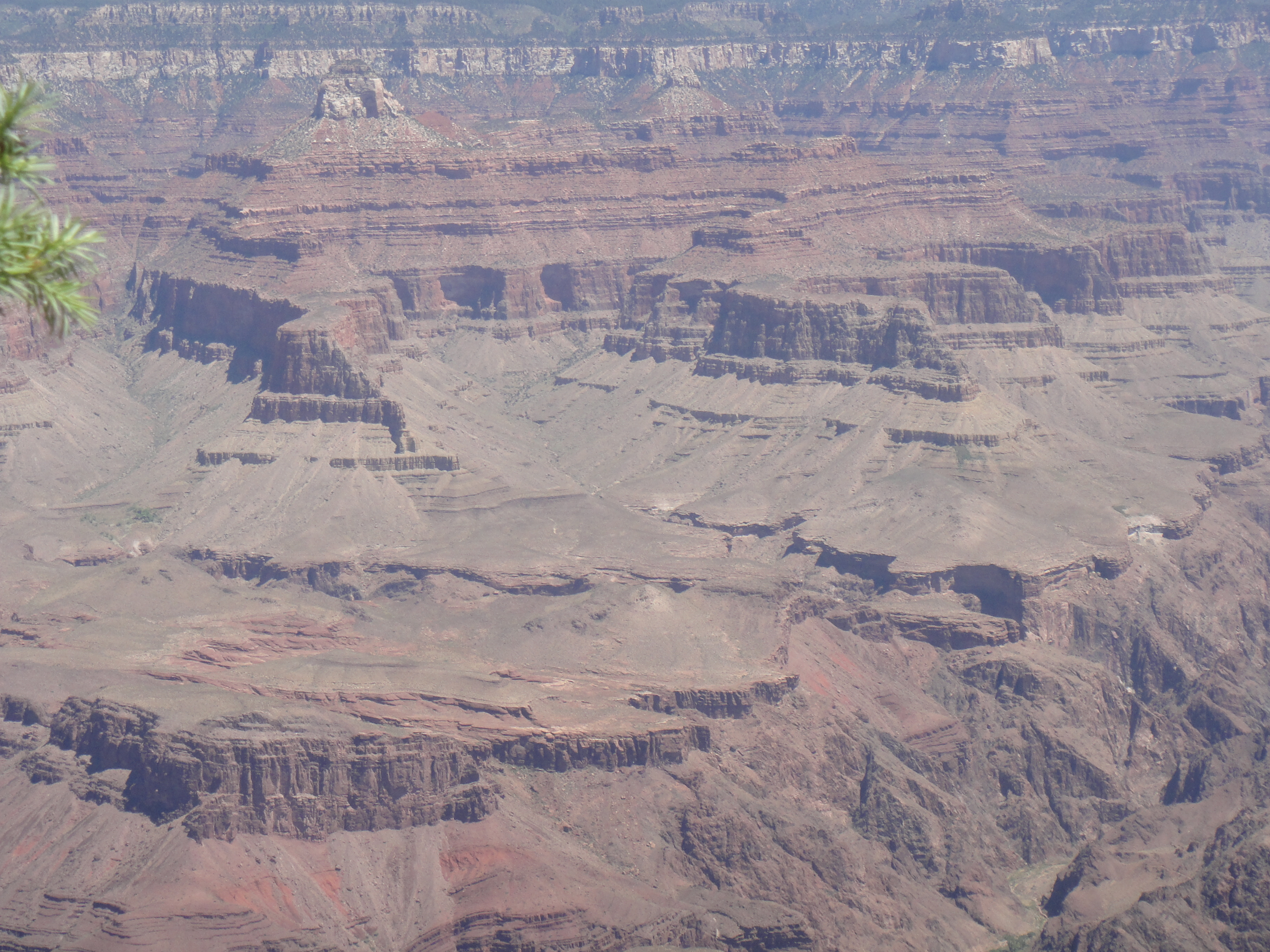
Grand Canyon National Park – I believe this is something that every American should see at least once in their lifetime.West 2010 313

The magazine says that people should visit Prescott, Arizona while they are in the area. I couldn’t agree more. Prescott has one of the coolest town squares I have ever seen. Wait, I guess I should call it a plaza.

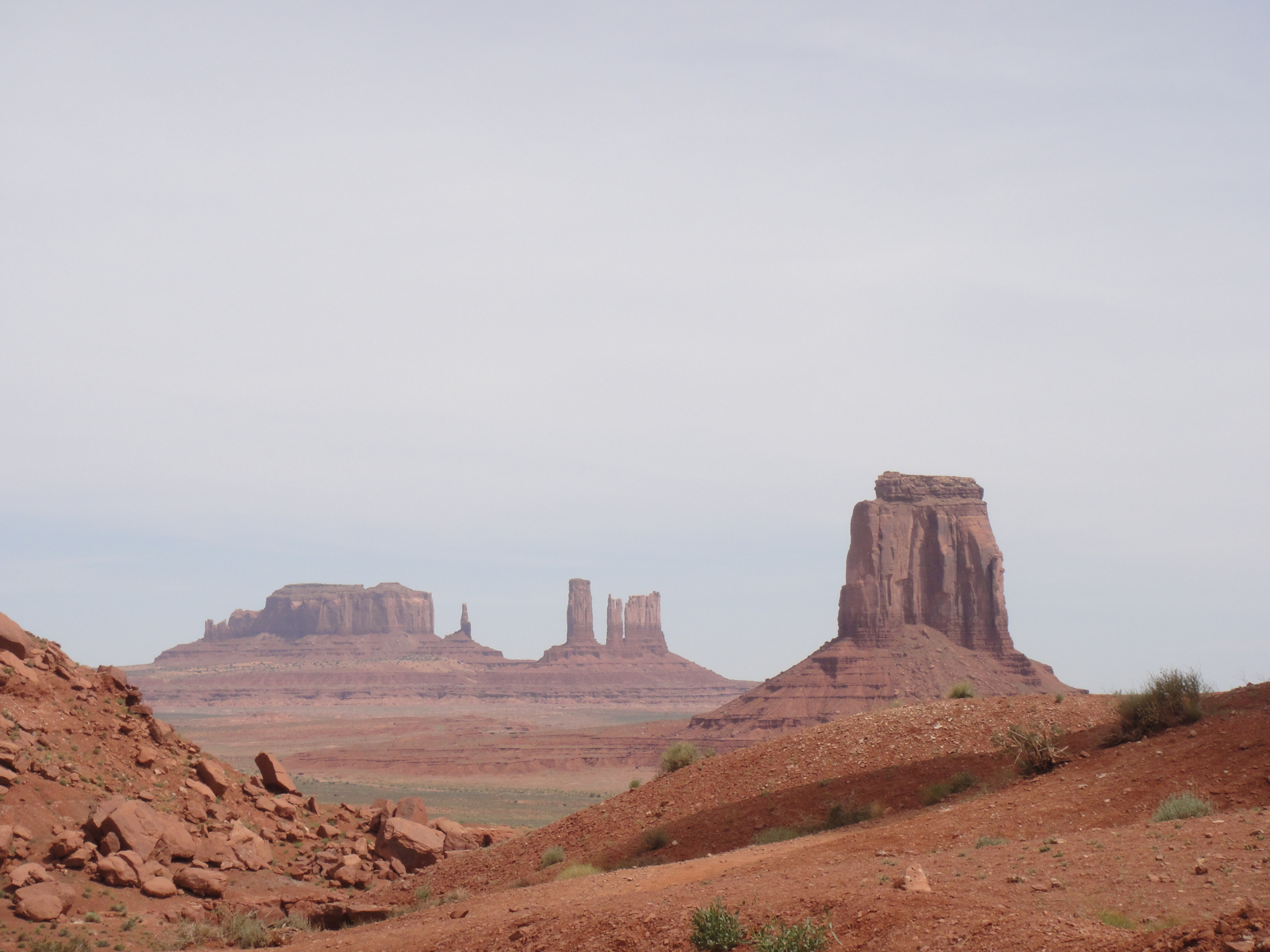
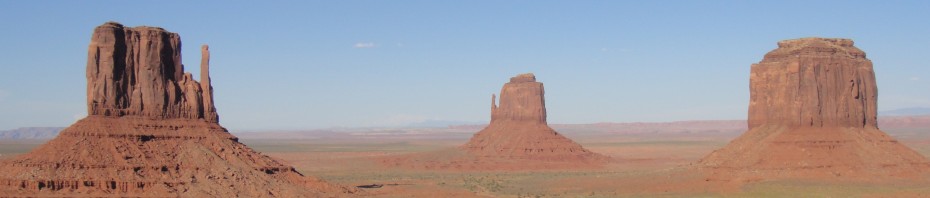
Monument Valley – By far, my favorite place in the American West. It may be my favorite place in the world. It is the land of the Navajo. It is the land of John Ford. It is also the banner at the top of this blog.West 2010 258

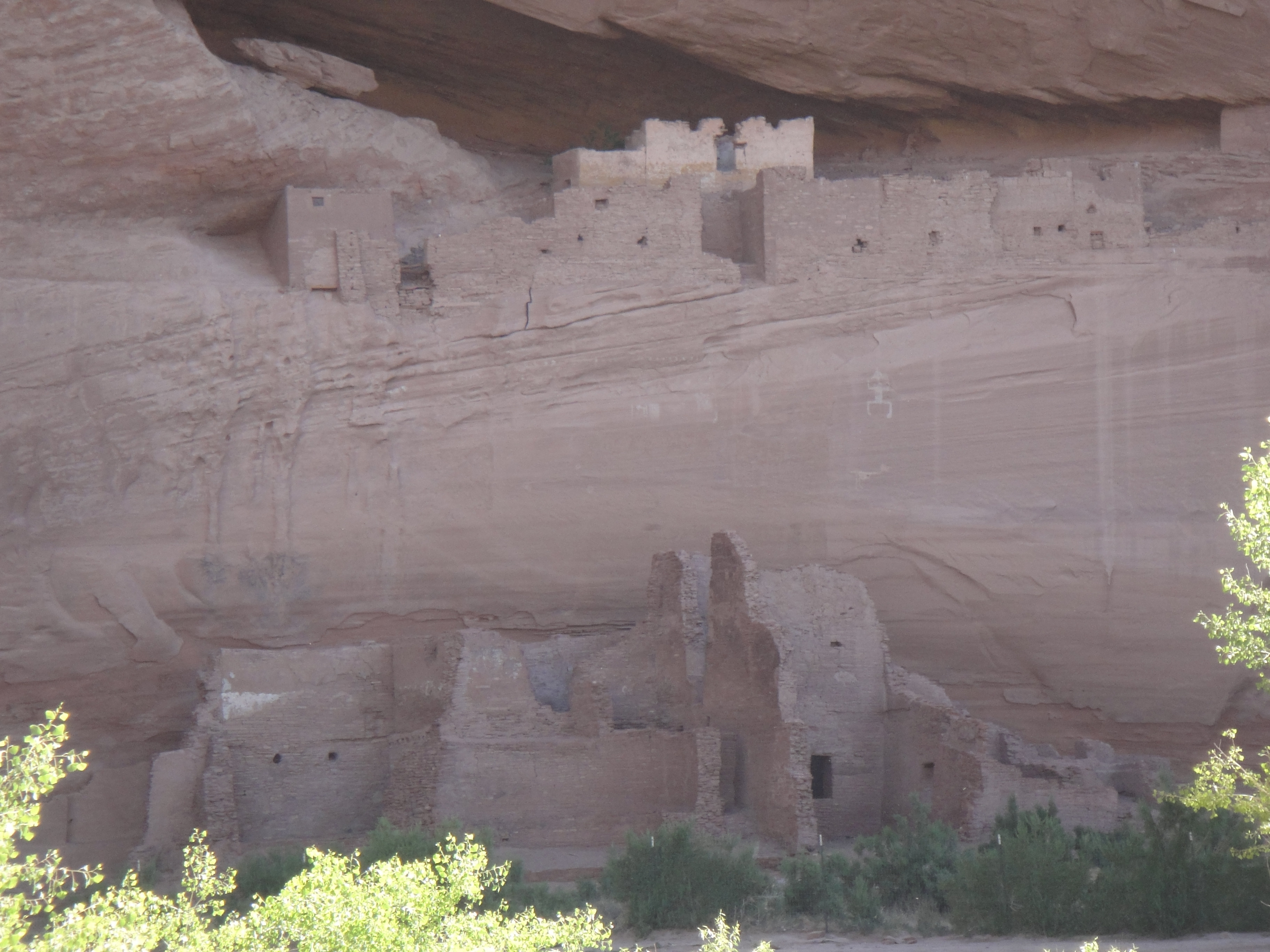
The magazine suggests that people should also go to Canyon de Chelly. It is also in the Navajo Nation and is a place that should not be passed up. Although, be sure to go into the canyon with a Navajo guide.West 2010 213

Black Hills – This is the Holy Land of the Sioux, and the United States took it for the gold in the ground. Now, there is Mount Rushmore and a mountain being carved to represent Crazy Horse. The rest of the hills are covered with old mining towns, the most famous of which is Deadwood. No one should leave Deadwood without walking through Mt. Moriah Cemetery and leaving an offering at the grave of Wild Bill Hickok.

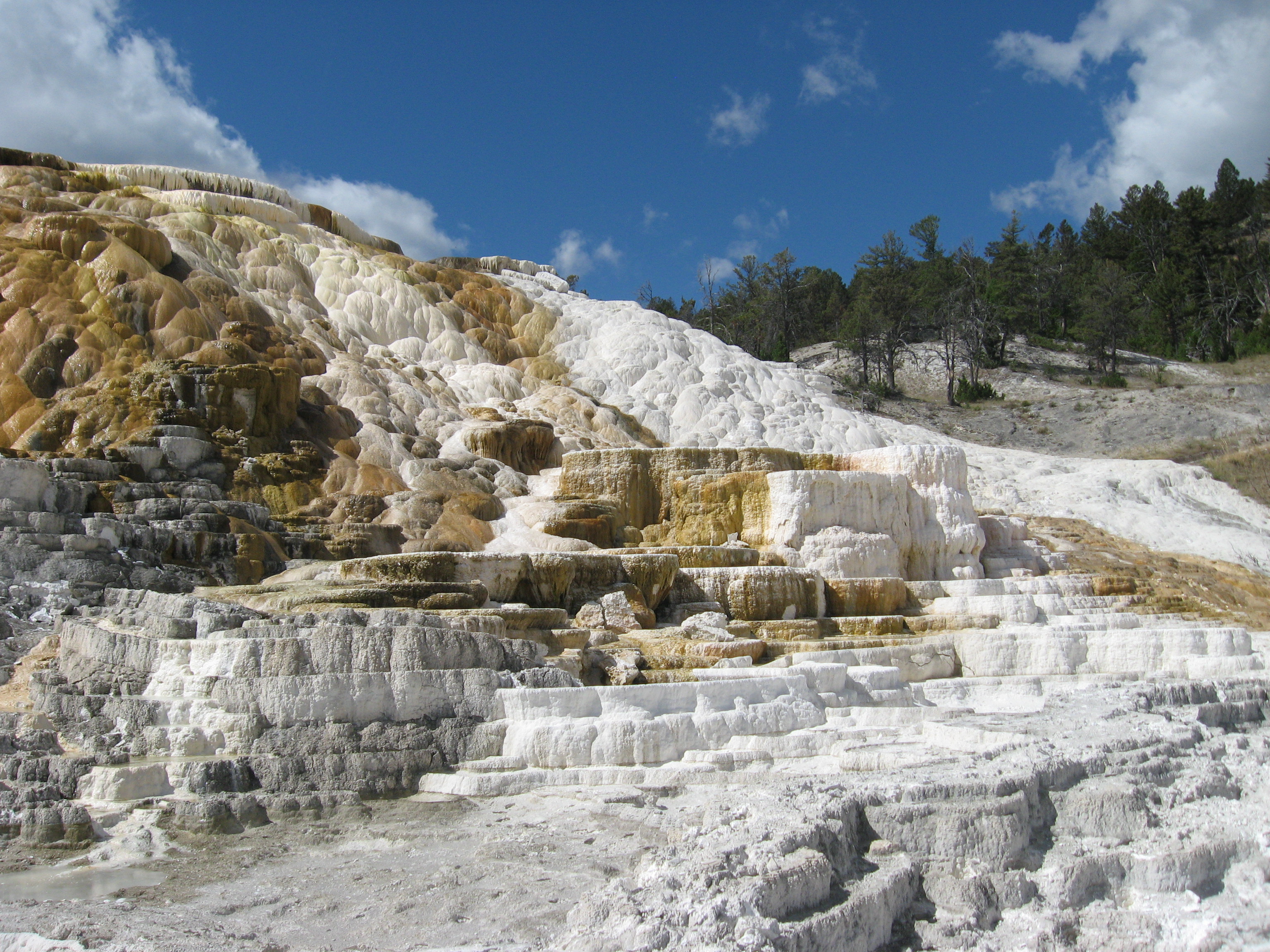
Yellowstone National Park – It is filled with natural wonders – geysers, hot springs, buffalo and more things than can be mentioned. This is another place that every American should see at least once, and they should enter from the original entrance to the north. If you are going to do it, then do it like they did in the old days.Montana 2012 and Other Stuff 275

Those are a few of the places to see in the West. There are only hundreds of more that could be listed.

Picture This – Boot Hill

28 Nov

Tombstone is on television at the moment, and it brings to mind a trip I made to the real Tombstone a few years ago. For anyone interested in the American West, this small town in southern Arizona is a place that must be visited. Not only is it the location of the Gunfight at the OK Corral, but it is also the perfect example of the boom and bust economy of the 1800s American West.

There are places in Tombstone that everyone has to see. The OK Corral is the most famous and the most popular. The Birdcage Theater was one of the most famous houses of sin and ill repute and is currently advertised as one of the most haunted places in the United States. People should also stop by and chat with an important resident. Ben Traywick is the local historian and is a native of my Tennessee county. When I visited with Mr. Traywick, we spent an hour talking about people that we both knew before branching into the history of Tombstone.

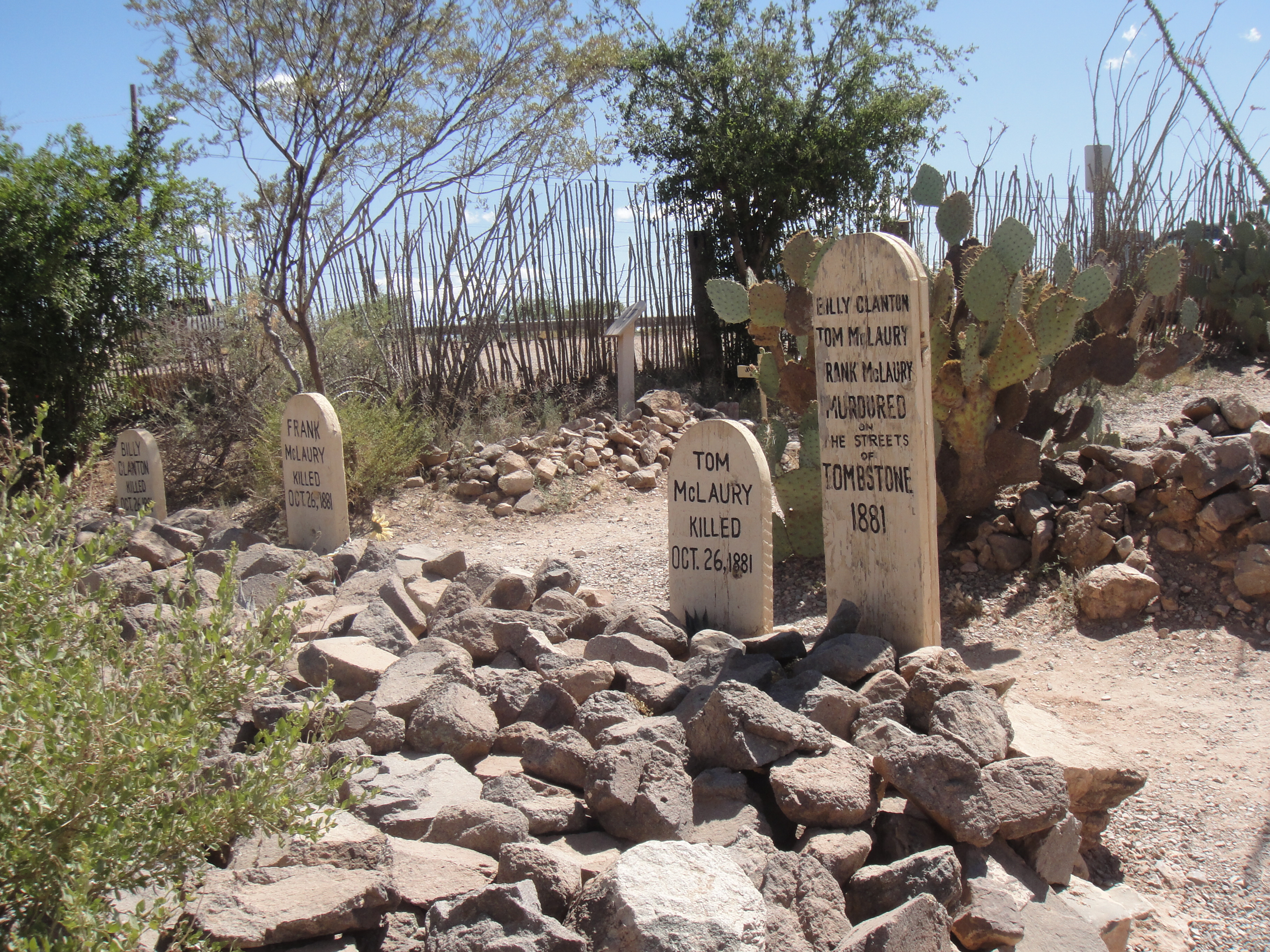
Those are great ways to learn, but the essence of the West comes through at Boot Hill Cemetery. This is the place where you can focus on the hardships faced by the people who lived in this environment. The myth portrayed at the other sites fades away to show the reality of life in the West. The cemetery is filled with people who died through violence, disease and other dangers faced on a daily basis.

The above photograph shows the graves of the men killed at the OK Corral. Movies show them as bad guys who tempted fate by facing down the heroic Earp family and their friend Doc Holliday. Movies can be simplified into those wearing the black hats and those wearing the white hats. However, history is not that simple. Maybe, they were bad. Maybe, they were good. The fact is that they ended up in Boot Hill alongside many others.

Listeria – Gunslingers Edition

12 Nov

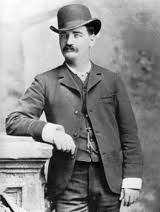
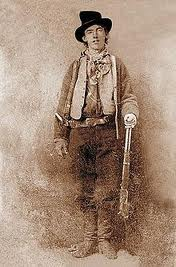
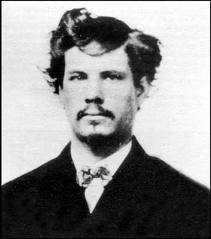
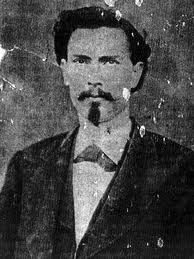
The folks at Wild West Magazine put out a special edition called 10 Greatest Gunfighters, and, as a historian of the American West, I had to pick the thing up. It lists the famous gunmen and includes a biography of each one. I didn’t read them in great detail because I already know the stories and the articles seemed to rehash the same old mixture of myth and reality.

Because it is difficult to separate myth from reality, I will not recount the lives of these men here. Instead, here is the list of who they consider to be the ten greatest gunslingers with a few facts about them included. I hope that you will use this as a base to explore the depth of their lives.

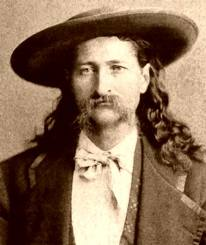
Wild Bill Hickok

Real Name: James Butler Hickok

Birth: May 27, 1837 in Homer, Illinois

Death: August 2, 1876 Deadwood, Dakota Territory

Death Fact: Hickok was shot while playing poker and, according to legend, was holding Ace’s and 8’s. Those cards are now known as Dead Man’s Hand.

Bat Masterson

Real Name: William Barclay Masterson

Birth: November 26, 1853 in Henryville, Canada East

Death: October 25, 1921 in New York City

Death Fact: Masterson became a sports writer and died after writing a column.

Billy the Kid

Real Name: William Henry McCarty, Jr.

Birth: Unknown – many believe he was born in New York City in 1859.

Death: July 14, 1881 in Fort Sumner, New Mexico

Death Fact: The Kid was shot by Pat Garrett, sheriff of Lincoln County, but many people believe that it really didn’t happen.

Johnny Ringo

Real Name: John Peters Ringo

Birth: May 3, 1850 in Greensfork, Indiana

Death: July 14, 1882 in Turkey Creek Canyon, Arizona

Death Fact: Ringo was found under a tree with a bullet hole in his temple.

Bill Longley

Real Name: William Preston Longley

Birth: October 6, 1851 in Mill Creek, Texas

Death: October 11, 1878 in Giddings, Texas

Death Facts: Longley claimed to have killed 32 people and was executed by hanging.

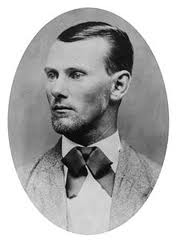
Jesse James

Real Name: Jesse Woodson James

Birth: September 5, 1847 in Clay County, Missouri

Death: April 3, 1882 in Saint Joseph, Missouri

Death Fact: James was shot by Bob Ford while dusting a picture hanging on the wall.

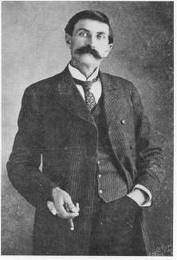
Pat Garrett

Real Name: Patrick Floyd Garrett

Birth: June 5, 1850 in Cusseta, Alabama

Death: February 29, 1908 near Las Cruces, New Mexico

Death Fact: Garrett was killed over an argument about goats.

Clay Allison

Real Name: Robert Clay Allison

Birth: September 2, 1840 in Clifton, Tennessee

Death: July 3, 1887 on his ranch near Pecos, Texas

Death Fact: Allison fell off a wagon and suffered a broken neck when a wheel rolled over him.

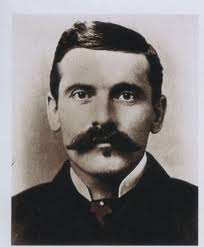
Doc Holliday

Real Name: John Henry Holliday

Birth: August 14, 1851 in Griffin, Georgia

Death: November 8, 1887 in Glenwood Springs, Colorado

Death Facts: Holliday died of tuberculosis at the Hotel Glenwood.

Kid Curry

Real Name: Harvey Alexander Logan

Birth: 1867 in Richland Township, Iowa

Death: June 1904 near Parachute, Colorado

Death Fact: Logan shot himself rather than being captured by a posse.

Listeria

11 Jul

I was at the pharmacy buying legal drugs and had to wait the required 20 minutes for them to fill my prescription. There were five druggists and one customer, so I’m not sure why it should take that long. Maybe, they were sampling their merchandise. Anyway, I entertained myself by looking at greeting cards; checking out the new wave of condoms; and, in the end, heading over to the magazine stand. There, in the middle of the too-much-about-celebrities and the too-little-about-sports, I found TIME: The 100 Most Influential People of All Time.

I know what these “list” magazines are. They are a way for magazines to make some extra money and maybe get new subscribers. They are pointless because the lists are totally subjective, and there is no way of knowing how they came up with the names. Besides, what makes 100 so special anyway? It’s just a round number. Despite all of that, I am a sucker for these types of things. I even bought Rolling Stone: 500 Greatest Songs of All Time and made sure I had all of the songs on my iPod. This, despite the fact that “Like a ROLLING STONE” by Bob Dylan was ranked Numero Uno, and “(I Can’t Get No) Satisfaction” by The ROLLING STONES came in second. Talk about subjective lists with self-promotion.

As you can probably imagine, I bought the history list, too. I am a historian who likes lists. What can I say? Now, I’m not going to go through the entire list, but a few things stood put to me.

1. There are a few people on the list who are subject to speculation in their actual existence. There’s Abraham, Jesus Christ, Confucius. Heck, some people even doubt the reality of William Shakespeare. Yet, they are on the list. Let me set this straight. I am not saying that they did not exist. They, or the inspiration for them, probably did. Also, there is no doubt of the impact that they and their followers have had on the world. I only think it is interesting that the list includes people who may not have actually been people.

2. There are four U.S. presidents on the list – George Washington, Thomas Jefferson, Abraham Lincoln and Franklin Roosevelt. I have already written about what I think of our presidents, so I won’t go into great detail. However, this brings some thoughts to mind. First, these four did a great job and left an impact on the world. Second, the other forty haven’t done much. I mean, these guys are always called “the leader of the free world” and are said to hold “the most powerful office in the world”. If that’s true, then why are there not more on the list?

I’ll tell you why. None of that is really true. There are a lot of leaders of “the free world”, and the presidency is not even supposed to be “the most powerful office” in the United States. The three branches – executive, legislative and judicial – are equal. It’s a team effort, and the president is supposed to run the day-to-day operations. Obviously, this job description has been skewed through the years by the people in office (definitely by the four on the list), but the fact remains that the presidency is supposed be no more powerful or influential than the other areas of government.

3. One of the presidents, Roosevelt is on the list along with Winston Churchill. Undoubtedly, they made it because of their efforts against Adolph Hitler (who is also on the list) during World War II. In my opinion, all three of those people deserve their listing. I’m sure a lot of people object to Hitler’s presence, but the list is about influence, not humanity. He started a war that shaped the rest of the 20th Century – from technology to the Cold War.

Mentioning the Cold War leads me to the issue with this grouping. Where is Joseph Stalin? He was one of the Big Three who fought against Nazi Germany. In fact his nation was actually invaded by German troops. Want to know an interesting statistic? More Soviet women died in combat than American men. On top of that, his policies shaped the 20th Century as well.

4. I also find it interesting that my area of historical study, the American West, is also included. I just can’t figure out why. Meriwether Lewis, William Clark and Sacagawea make the list for their journey through the Louisiana Territory. It’s important for the United States, but I am not sure about its influence on the world. First, someone had already made the trek through Canada. Second, most of their travels went through lands already ventured into by Europeans. Third, Native Americans had been there for a long time.

Speaking – actually, writing – of Native Americans. Sitting Bull is on the list. This is one of my favorite people from history, and I will visit the Battle of Little Big Horn, the site of his greatest victory, in a few weeks. However, I don’t see how the killing of George Custer makes him one of the top 100. Sitting Bull didn’t even lead forces into battle because he was recovering from the Sun Dance. He is tattoo worthy, though.

As written earlier, I will not go through the entire list, but I will mention my favorites from each category.

In “Beacon of Spirits”, I like the inclusion of Socrates and Plato.

“Explorers and Visionaries” has Charles Darwin and Alexander Graham Bell, with whom I share a last name. Unfortunately, we are not related.

Queen Elizabeth I and Simon Bolivar are listed under “Leaders of the People”.

“Architects of Culture” includes Michelangelo and Louis Armstrong.

That’s it. If you were on the committee, then who would you put on the list?

The Shootist

24 Jan

In an earlier post, I referenced an unused radio ad for my university in relaying a bit of Tennessee history. That post provided a brief biography of Grantland Rice, the famed sportswriter. With that being said, here is another footnote in my state’s history.

Did you know that one of the Old West’s most notorious killers was from Tennessee? In 1840, Clay Allison was born in Waynesboro, Tennessee. After serving in the Civil War, Allison moved west, and, among other things, became a cowboy, a rancher and a gunslinger, for which he coined the term “shootist”. His reputation as a killer grew with each shooting and lynching in which he was involved. However, Allison’s most famous episode took place when he and a friend decided to have a contest to determine which was the best dancer. To assist in this endeavor, the two men began shooting as each other’s feet, a scene that has been replayed in many western movies. Considering that Allison lived a life of violence and mayhem, he death was rather mundane. In 1881, he was riding a wagon to Waco, Texas when he fell off and died before reaching help.

Dance Hall Days

18 Jan

Several posts ago, I chronicled my graduate career and how I came to study prostitution in the American West. It’s not the industry that I meant to study, but I have found it to be an interesting topic for myself and my students. A few posts later, I began to share some of my research by introducing my readers to the women who worked in the brothels, the highest level of the industrial “whorearchy”. This post leaves the brothels and follows the women into the next work place, the dance halls.

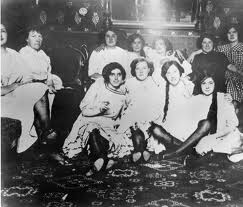
In the American West, the younger and least experienced women worked in the brothels, the houses that catered to the wealthier men of a community. When the earning abilities of these women faltered, they moved from the brothels and into the dance halls, or saloons. The mythical representation of these establishments are depicted in almost every western movie, and saloon women are often used as background for the movie scenes. This is not too far removed from reality as saloon owners hired women to do just that – serve as scenery. Women were hired to be part of the decor and to attract customers. They danced with patrons for a fee and sometimes entertained by singing for tips. They had conversations with men who may be sitting alone and typically pressured them to uy watered-down drinks at inflated prices. (Not unlike Hooters) The dancing fees and obviously the drinks went into the coffers of the dance hall.

Women in these establishments did not earn as much money as those in the brothels because men usually did not go to saloons looking for sex. They were there to gamble and drink. If they wanted to have sex, then they would have gone to a brothel or, if that was unaffordable, to a crib, which I will blog about later. As a result, saloon women had to work hard to induce men to take them upstairs and pay them for sex.

Saloons and dance halls were everywhere in the West, but perhaps the most famous of the time was the Birdcage Theater in Tombstone, Arizona, a town famous for the Gunfight at the Ok Corral. The theater derived its name from the balcony boxes, which resembled birdcages, that overlooked the floor and the stage. Due to a lack of rooms, prostitutes performed their services in these boxes with the curtains drawn. Last summer, I visited Tombstone and toured the Birdcage. It is an interesting tour and showed firsthand that the boxes are aptly named.

Victorian Brothelese

23 Dec

That’s a strange title isn’t it? I heard that term while taking a tour of a brothel museum and, through my travels and research, have not seen or heard that term since. The owner of the museum threw it out there and, I assume, made it up. However, it is a good way to describe the experience of many in the Red Light Districts of the American West. When people hear the word Victorian, they think of a historical era of proper manners, speech, fashion and writing; a time of economic prosperity and technological advancement. Of course, brothelese brings to mind houses of prostitution. Put those two words together, and you have a good start at understanding the brothels that I have studied.

Prostitutes of the West worked in a hierarchical class structure, or a “whorearchy” (my term), in which the brothel was the highest rung. Also called parlor houses, they provided elaborate surroundings, luxuries, amenities, and the protection of a male bouncer if the clients became too rough. At the dawn of the twentieth century, one house in Colorado used electric lights, running water and a telephone. A staff of seven, including a bartender, a maid, and a musician, provided services other than sex. Of course, there were always five or six prostitutes. The Dumas Brothel in Butte, Montana was a three-story brick building that contained forty-three rooms and used pocket doors to create large rooms for parties.

Brothels differed in size and location, but the business structure for each remained basically the same. Respected businessmen owned most of the parlor houses but did not want their financial involvement to become commonly known. To accomplish this, they placed deeds under false names or in the names of their wives.

Madams were hired to oversee the day-to-day operations. These women usually emerged from the ranks of older prostitutes with experience in the profession and the knowledge and skills to recruit employees and customers. In fact, a few madams owned their own businesses.

Madams oversaw the business aspect of the brothels while the prostitutes did the work. A work shift began with the woman put on display. Therefore, when a man entered an establishment he found the women lounging in a parlor room. Here, he could choose someone in which to spend some time. When a customer chose a prostitute, he gave the money to the madam or someone else charged with the task. The amount paid depended on several factors, including house rate, the amount of time, and the beauty and skill of the woman.

Brothels built their business on pampering and catering to men who could afford the services. On average, a quick “date” cost five dollars, and an entire night cost between fifteen and thirty dollars. Owners depended on volume for profit by running twenty-four hours a day. With a shift of twenty-four hours, a women could conceivably have sex with twenty-five men and produce a tremendous amount of money. The house collected most of the fee, while the girls kept tips, sold photos and drinks, and stole from their customers. From this amount, the prostitutes paid their expenses, including clothes from local merchants at inflated prices, taxes to the local government, and bribes to the police.

Of Red Lights and Research

19 Dec

When I began my career as a graduate student in History, I knew that I wanted to focus on the American West. While popular culture has developed the myth of the lone rider traveling the region with absolute freedom, I realized that the truth was more complicated than that. People who went into the West were not looking for freedom. They were looking for economic opportunity. Therefore, I became interested in the economic aspects of the West rather than the typical subjects, such as gunfighters and outlaws. Of course, economics encompasses a great deal, and I was informed by my guiding professor that some limitation were in order. Then, the following transpired.

I would like to study the cattle industry.

There’s already a lot of research on that. What else are you interested in?

The mining industry was huge. How about that?

That’s been done to death, too.

Ok, what about the lumber industry?

That won’t work either.

(This is when I realized that I should go ahead and ask him what I should do.)

Ok, what should I do?

Did you ever think about researching prostitution? People are just not starting to look into it.

Sounds great to me. Thanks.

With that short conversation, I began life as an expert on prostitution in the American West. Through the years, I have read, researched, written and spoken about the economics of prostitution in the West and the everyday lives of the people involved in the industry. When people (especially men) find out about what I know about, they immediately start in. What are the brothels in Nevada like? Leave it to you to study whores. Ever study the whores on Dickerson Road (a notorious spot in Nashville)? I am left to explain that I have conducted scholarly research about dead prostitutes – not ones that are currently working. And, I did not choose the topic because I am a pervert. With this in mind, here is a synopsis of my life as a historian of prostitution in the West.

I went to graduate school in Tennessee, and my fellow students said only I would choose a topic halfway across the continent to research. People usually research something more conveniently located. However, I was not going to pick the Civil War or Andrew Jackson over the American West. I read all I could locally but knew that I would eventually have to travel. Luckily, I found two brothel museums fairly close together. The first was the Dumas Brothel in Butte, Montana. I spent several weeks in Butte and came to know the city quite well. Actually, there’s not much to know. I spent a lot of time at the Dumas, the archives and the Denny’s. I met some great people who helped me considerably and learned a great deal about the history of the city and of the Red Light District.

Wallace, Idaho sits just over the Idaho/Montana border and was home to the second museum, the Oasis Rooms. I only spent a few days in Wallace, but the people there were more than helpful. I took some great pictures and got some greater information.

With the information gathered from these locations and documents about the industry throughout the West, I was able to write a concise history about prostitution. In the midst of getting my graduate degree, I was hired at my current teaching position. As a new faculty member, students had no idea what to expect. Honestly, I had no idea what to expect either. But, I was determined not to let the research go to waste. I was going to talk about whoredom every chance I got. The first class was stunned when I gave the lecture on the 19th Century sex industry, and it was not long before word got around. I was the cool teacher that studied prostitutes instead of something uncool like regular History. From then until now, my classes constantly fill, and my office is always busy. They come by to see the photographs of prostitutes and the paintings of brothels on my walls.

As a small university, we are also expected to speak to community groups and perform other types of community service. This has created some interesting speeches for me. I am a member of the local Rotary Club and was asked to speak when I first joined. They insisted that I talk about my research. I tried to warn them that it wasn’t all fuzzy stories about Miss Kitty and the “whore with the heart of gold”, and they said it was fine. So, I gave them all the gory details. I think half of the audience was gone by the time I was finished, as several women walked out in disgust. Interestingly, no men left. I learned something that day. While people say they want to know history, they would rather not know the darker sides of the subject. I toned down the presentation after that experience.

Many people think that if I know about prostitution in the 19th Century American West, then I also know about prostitution at all other times as places. A retired colleague thought that and told the Daughters of the American Revolution that I would speak to them. When I said that they probably know more about the revolution than I do, he replied that I should talk about prostitution. I knew nothing about prostitution in the American Revolution, so I did some research. But, with the Rotary experience behind me, I was nervous about talking to a room full of elderly women. To make it go smoother, I used a historical code word – camp-followers – instead of a more descriptive term. As I spoke, I heard the following conversation between told ladies in the back.

What’s he talking about?

Camp-followers.

What?

Camp-followers.

What?

HE’S TALKING ABOUT WHORES!!!

Oh, now I understand.

So, now I am famous in my little town as the expert on whores. An older man in town, who has since passed away, came to me with a book that he had read about a madam in New Mexico. He had found a name in it that he recognized – mine. I was used as a footnote in the introduction, which was written by the professor who sent me on the journey through the Red Light Districts. I was proud to see my name in print and, for the first time, felt like a real historian. I bought a copy for my parents. They looked at it, and my mom said, “All those years of study, and you are in a book with a picture of a naked women on the front of it.”

Yep, I had made it.