Tag Archives: Clint Eastwood

Listeria – Western Actors Edition

24 Oct

I know that this edition of Listeria is coming along soon after the last edition of Listeria, but I went overboard on my last trip to the magazine stand. Besides, this one covers one of my favorite subjects – Western movies. I grew up watching them with my dad, and that experience played a role in my interest in the history of the West.

American Cowboy published a special issue called “Legends of Western Cinema” and listed the 20 greatest Western actors. However, there is one problem that needs to be addressed before I begin. When people think about Westerns, or the history of the West, they think about cowboys first. Some of the greatest Westerns don’t involve cowboys at all. They involve mountain men, Native Americans, cavalry and all sorts of characters. In the real West, not everyone were cowboys. A good way to see this? If there are no cows around, then there are probably no cowboys around.

The rant is over, so here we go with the list. These are the 20 greatest Western actors according to American Cowboy in the order that they have listed. I will list my favorite movie of each and add the actors that I believe should be included.

John Wayne – The Searchers
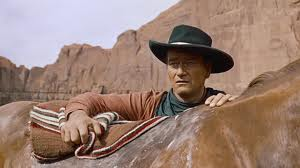
Gary Cooper – High Noon
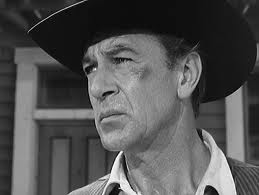
James Stewart – The Far Country
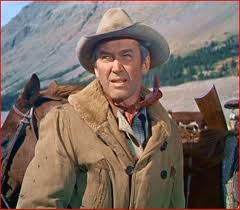
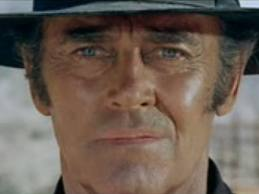
Henry Fonda – Once Upon a Time in the West
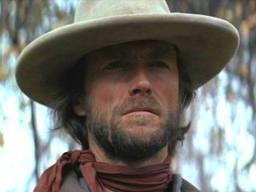
Clint Eastwood – The Outlaw Josey Wales
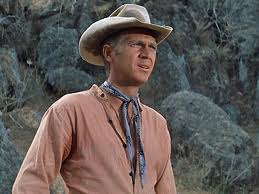
Steve McQueen – The Magnificent Seven
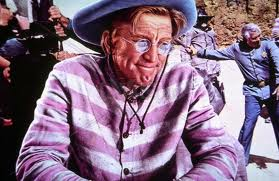
Kirk Douglas – There Was a Crooked Man
Robert Duvall – Open Range
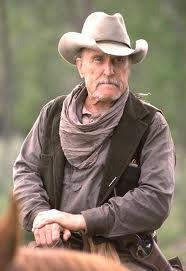
Ben Johnson – She Wore a Yellow Ribbon
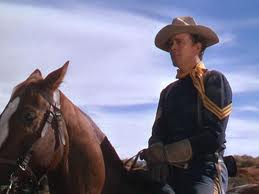
Lee Marvin – The Man Who Shot Liberty Valance
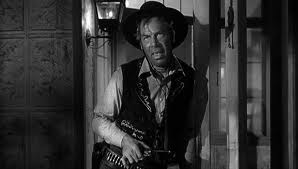
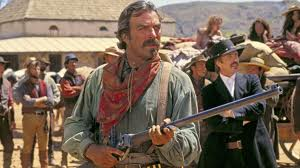
Sam Elliott – Tombstone
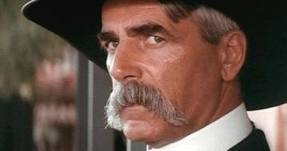
Tom Selleck – Quigley Down Under
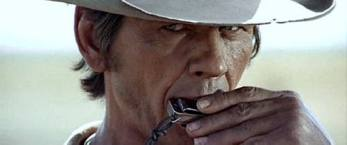
Charles Bronson – Once Upon a Time in the West
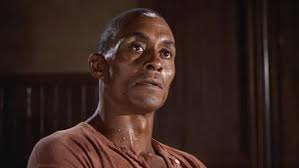
Woody Strode – Sergeant Rutledge
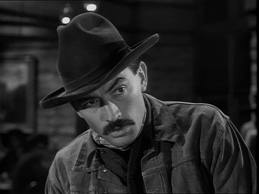
Gregory Peck – The Gunfighter
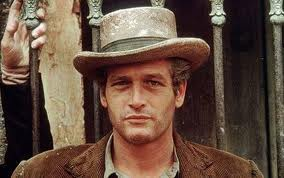
Paul Newman – Butch Cassidy and the Sundance Kid
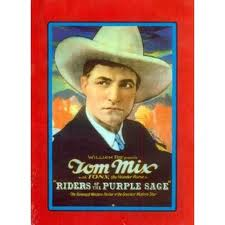
Tom Mix – Riders of the Purple Sage
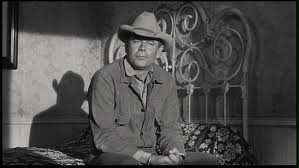
Glenn Ford – 3:10 to Yuma
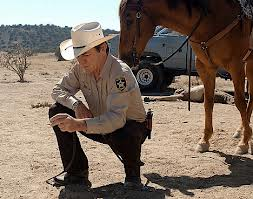
Tommy Lee Jones – No Country For Old Men
James Garner – Duel at Diablo
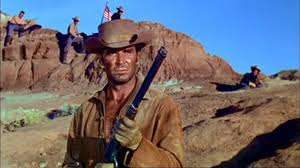
That’s the Top 20. I could name a bunch that belong on the list, but I will limit myself to five.

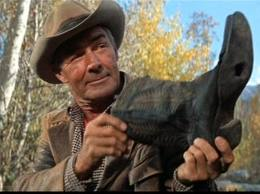
Randolph Scott – Ride the High Country
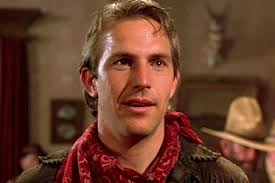
Kevin Costner – Silverado
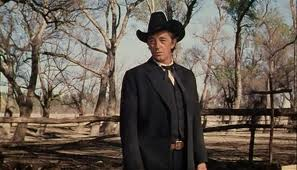
Robert Mitchum – Five Card Stud
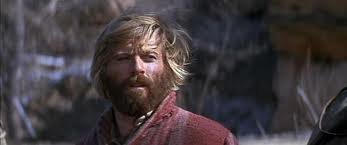
Robert Redford – Jeremiah Johnson
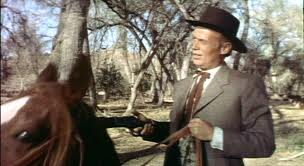
Richard Widmark – Broken Lance
There is the list. Who else should be included? Who should be omitted? What are your favorite movies? Let me know.

A Requiem for Josey Wales

28 Nov

In 1976, Clint Eastwood directed and starred in “The Outlaw Josey Wales”, which could be considered the last great film of the Western heyday. Obviously, “Dances With Wolves” and “Unforgiven” won Academy Awards in later years, but they came after the popularity of the genre had passed. “The Outlaw Josey Wales” marks the end of an era when Hollywood saw the Western as a major aspect of its production. The next year saw the release of “Star Wars” and the advent of modern Science Fiction. There would be new heroes to fill the minds of kids, and the quick draw cowboy would become a thing of the past. Few of the Science Fiction lovers realized that space and post-apocalyptic earth were mere replacements for the plains and deserts of the American West, and they were watching Western stories with special effects. But, that is another story for another day.

“The Outlaw Josey Wales” is a favorite of many Western lovers for its hero/outlaw who operates in solitude and kills anyone who gets in his way. As Lone Watie, who rides with Josey, says, “I notice when you get to dislikin’ somebody they ain’t around for long neither.” However, this is a misconception of the movie and the meaning behind it. Westerns have been the perfect genre to portray the issues of our world. “High Noon” was about the Red Scare and actions of Joseph McCarthy. “The Searchers” is an exploration into racism. “Pat Garrett and Billy the Kid” is about the destruction of the West by American society. “The Outlaw Josey Wales” is about the evils of war.

In the beginning, Josey Wales is a simple farmer who witnesses his family being killed in an attack on his land. The Civil War is raging, and gangs under the guise of military action are terrorizing the border of Missouri and Kansas. Josey joins marauders from Missouri to gain revenge on his attackers, Redlegs of Kansas. When the war ends, Josey finds himself an outlaw simply because he was on the losing side. The rest of the movie is an epic chase as Josey is chased by his enemies through Indian Territory and Texas.

This is where the misconception of the movie begins. First, Josey does not kill for the sale of killing. He fights to protect himself and to protect others. He shoots men who are attempting to rape a Native American woman and kills Comancheros who have attacked pioneers from Kansas. Josey also finds himself face-to-face with Ten Bears, a Comanche chief. Instead of fighting, Josey states that “men can live together without butchering one another.” Second, Josey Wales is not the lonely rider of the plains. He rides with marauders during the war, and, as the movie continues, he finds allies along the way:

Jamie – the young man who fought with Josey during the war and died along the trail.

Lone Watie – the Cherokee elder who saw his way of life destroyed just as Josey had.

Little Moonlight – the Native American woman whose life was filled with abuse.

Grandma Sarah and Laura Lee- the pioneers from Kansas attacked by Comancheros.

Rose, Travis, Ten Spot, Kelly and Chato – the only residents of a dead mining town who help rebuild the ranch of Grandma Sarah’s son, who was probably one of the men who attacked Josey’s farm.

“The Outlaw Josey Wales” is not about a lone gunslinger. It is about a man whose life was destroyed by war. His family was taken away, but he found a new family whose lives had also been affected negatively. People who faced tragedy created a new community of happiness and hope on a ranch far away from the pain that drove them there. Unfortunately, Josey’s peace did not last long as his trackers finally arrived. But, the man who thought he was alone learned that he never really was. Captain Terrill, Josey’s archenemy states, “You’re all alone now. Wales.” Lone Watie sticks his rifle out of a window and declares, “Well, he’s not exactly alone.”

At the end of the movie, Josey has killed his enemy but been shot in the process. After lamenting the destruction of war, he rides away bleeding and slightly slumped in the saddle. Did Josey return to the ranch and the love of his new family? Did he ride off into the sunset never to be seen again? Did he die from his wounds? That is left to the imagination, but it really doesn’t matter. In the end, Josey realized that he wasn’t the only victim of war and that he was never really alone.