Tag Archives: History

Museums, Memorials, Steaks and Some College Football

16 Sep

This weekend, I traveled to Oklahoma with my nephews and Larry, a friend that you have read about. We went for a college football game but did a few other things, as well. At least, we did a few other things once we arrived. That, in and of itself, was an adventure.

We arrived at the Nashville airport in anticipation of a quick trip to Oklahoma City. That quick trip turned into a two-hour delay for mechanical problems. Once we got into the air, the plane was redirected due to weather. That added another couple of hours to the flight. A three-hour layover in Houston suddenly turned into a missed connection. When we landed, we discovered that the connecting flight was delayed because the plane had not left New Orleans. We did not miss our connection, but we still had to sit around for a couple of hours.

All of that adds up to a couple of things. First, a night of messing around Oklahoma City was cut short. Second,  I was reminded why I hate flying. If I am driving, then I know what the schedule is going to be. In an airport, I have to wait for somebody else to screw up.

Anyway, we made it to Oklahoma City and to our hotel. With little time to spare, we went to a couple of places that were high on the agenda.

I have been to the Oklahoma City National Memorial and Museum many times on our annual field trip to New Mexico. We make a point to stop and show our students the site of the Murrah Federal Building, which was blown up in the first major terrorist attack in the United States. However, I had never seen it at night. I have heard that this is the time to visit. The memorial is lit up and the feelings of what happened there hit the hardest.image-9
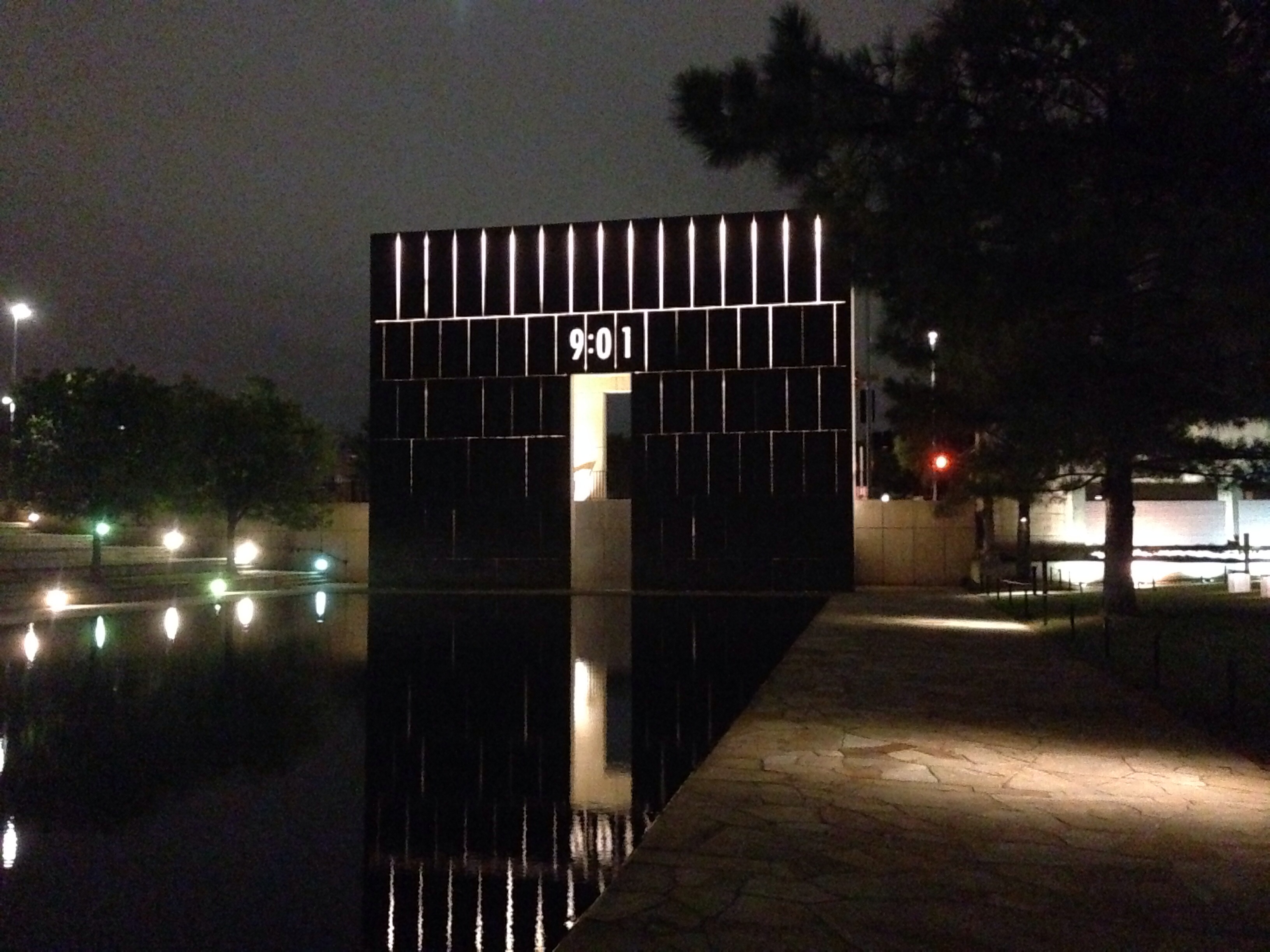
I must say that it was a beautiful site to see, and the memorial is an appropriate tribute to the people who lost their lives.image-8

My oldest nephew had been there before, but my youngest nephew had not. I am glad that he got to see it. Unfortunately, we could not stay for long because we had our name on the list at our next destination.

Cattlemen’s Steakhouse is a well-known restaurant across the river in Stockyards City. It has been around for decades and is known as the best steakhouse in Oklahoma. Some friends who were already there placed our name on the list, and we needed to get there before our buzzer went off.

The place was packed with people from Tennessee. Apparently, they all got the word that this was the place to eat. Heck, they could have seen it on Guy Fieri’s television show. It is a cool restaurant with a great atmosphere and a great history. If John Wayne and Ben Johnson have eaten there, then it must be a great place.

With all of that being said, I was disappointed with the food. The steak was pretty good, but it was far from the best I have ever eaten. It is no comparison to the Land of Magic in Manhattan, Montana. I am glad that we went because we can always say that we were there, but I hope that Oklahoma has better steak places.

After a long day of flights and a big meal of food, we were ready to pack it in for the day. Besides, the important day was coming up. There was a big night game to be played down the road, and there were a few more places to visit before heading to the stadium.

I had not been to the National Cowboy and Western Heritage Museum since I was a kid, and, honestly, I did not know much about it. I figured it would be cheesy, but, with a lot of time on our hands, it was something to do. I could not have been more wrong. This was one of the best museums I have ever seen. Rooms were filled to the brim with artifacts, art and anything that a lover of the American West would want to see.image-11

There was a room full of firearms, but that was not my favorite. I liked the artwork by Frederick Remington, C.M. Russell and others. I also liked the room dedicated to movies, which had an extensive collection of John Wayne’s personal belongings. There was a painting based on The Searchers that I would steal if I know how to be an art thief. There were also props from a bunch of my favorite movies.image-10

I cannot write about the museum without mentioning the rodeo room, which places you in the middle of the ring, and the room with the town, which places you on the streets of an old cattle town. The only thing missing was a brothel, and I still have not gotten over that disappointment.

We left that museum with the intention of visiting the ASA Softball Hall of Fame. My dad is in the Tennessee Hall of Fame, and we know several people who are enshrined in the national one. Unfortunately, it is closed on the weekends. One would think that the weekend would be a good time to open the doors.

With all of that behind us, it was time to drive to Norman and the football game between the University of Tennessee and the University of Oklahoma. The game did not go the way we wanted, but we had a great trip. We saw some interesting things and visited some interesting places. Like always, it is always good to travel, but it is also good to return home.
Deep Thinking in the Thunderdome

4 Sep

I have no idea why dystopian movies have been on my mind. My last post was about a recent dystopian movie. A few days ago, I thought about the dystopian phase of Charlton Heston’s career. Heck, I thought about it to the point that I almost did a “Movie Wisdom” post based on Heston’s movies. As I got into it, I realized that I have seen a bunch of his movies, and the task became daunting.

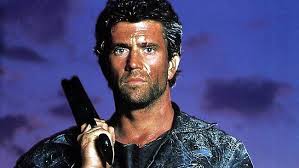
That is when I thought about a movie that does not rank among the dystopian classics, but it has enough cool features that I think it should. Mad Max: Beyond Thunderdome came out in 1985, which was in the middle of my formative high school years, and it was awesome. The end of a trilogy, I think it is better than the first one but not as good as the second one. That does not matter. If it is on television, then I am going to watch it. Of course, I do the same thing with Flash Gordon.

What makes Mad Max: Beyond Thunderdome cool? There are many reasons.

It is about Mad Max, the former cop who is the baddest man in a nuclear waste world full of bad men.images

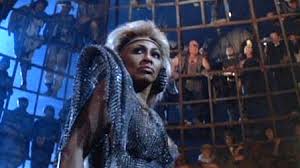
That nuclear waste world also has bad women, and Aunty Entity is the baddest of those. Tina Turner, at the height of her powers, plays the villain. However, are there really any villains in a destroyed world?images-2

That would be a destroyed world full of filth and grime, but, in the middle of all that, Aunty Entity has a sleek penthouse with clean water and her own private horn player.

That horn player puts out some good tunes, but nothing compares to the theme sung by Tina Turner. Do we need another hero? I have no idea.

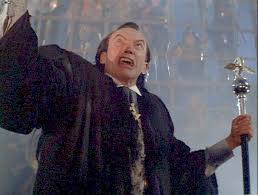
However, I think we need more creepy announcers to introduce the fighters in the ultimate cage match. How would it feel to be waiting in the wings and hear Dr. Dealgood say, “Dyin’ time’s here.”?images-3

By the way – two men enter, one man leaves.

Who are these combatants? Of course, Mad Max is involved. However, the champion of Thunderdome is Master Blaster. That is what I call a lethal combination of brain and brawn.Master Blaster

Speaking of brain, I cannot make a Mad Max: Beyond Thunderdome list without mentioning the resident philosopher, Pigkiller. I have already written a post about him. If you want to improve your IQ, then I suggest taking a look at it.

Anyone who has seen a Mad Max movie knows that it is filled with cool cars and strange characters. There is a lot of stuff there to like. However, this installment has one scene that stands out above all others. At the end, Max has helped a group of lost children make it to the safety of an abandoned city. Once there, they create a new society but do not want to forget their past. Every night, they gather, and Savannah Nix talks about what came before.

She says, “The years travel fast and, time after time, I’ve done the tell. But, this ain’t one body’s tell. It’s the tell of us all, and you got to listen it and member. Cause what you hears today you got to tell the newborn tomorrow. I’s lookin’ behind us now into history back…Time counts and keeps countin’, and we knows now finding the trick of what’s been and lost ain’t no easy ride. But that’s our trek, and we’ve got to travel it.”

It is hard to imagine that someone can find inspiration in a 1980s Mad Max movie, but I find it in that scene. It makes me think of my job as a historian. People in my profession find what has been, which is not an easy thing to do. Then, we give that information to others in classrooms, conference rooms and publications. We may be the chroniclers of history, but that does not mean that we own it. History belongs to everyone, and it is our job to study it and make sure that people learn about it and learn from it.

I would start a class with Savannah’s speech, but they would all look at me like I was crazy.

Anyway, that is what I get from Mad Max: Beyond Thunderdome.

Oh yeah, there is one other cool thing in the movie. As Savannah’s words fade away, we see Max walking alone through the desert, and everyone knows that heroes ending up riding into the sunset.

Northwest Trek – Lewis, Clark and Kites

19 Aug

After a day of many miles and little sightseeing, we were determined to spend the next day doing the opposite. We wanted to see some stuff and do it in as few miles as possible. That meant hopping over to the Oregon side of the Columbia River and driving to Astoria, the town that served as the base for John Jacob Astor’s fur company.

As a historian of the American West, this is a place that I have talked about in class and a place that I wanted to visit. Astor’s company was the first in the United States to be worth a million dollars and served as the basis for investment in New York City real estate.

The Astoria Column sits on the highest point in the town and was built by the Astor’s to commemorate the one hundredth anniversary of their business.DSC00340

My nephews and I climbed the tower and saw stunning vistas.DSC00337

It also gave them the opportunity to make fun of my discomfort with heights.

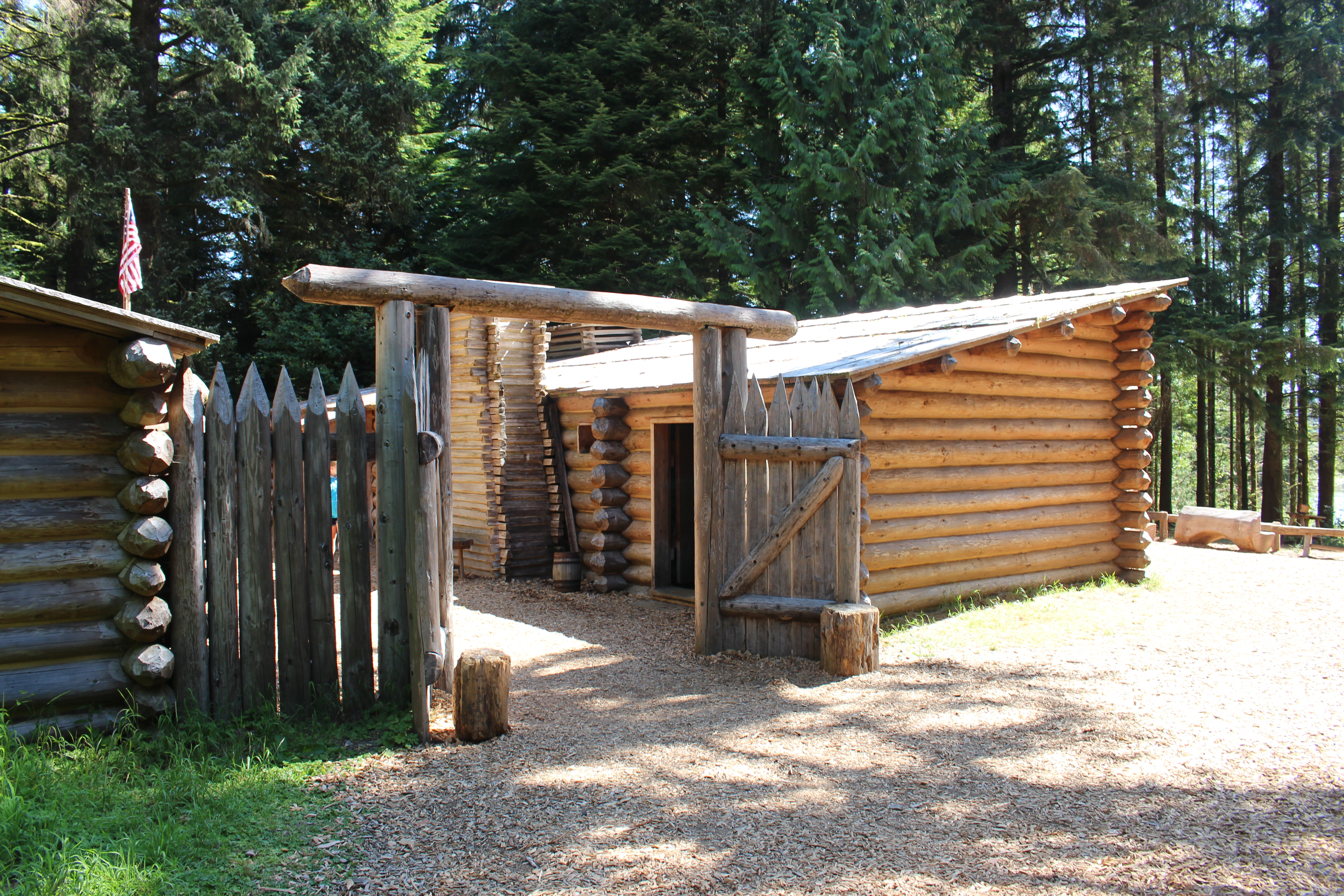
After the climb, we drove to Fort Clatsop. It is a place that few people know about but that played an important role in one of this country’s pivotal events, the journey of Meriwether Lewis, William Clark and the men who traveled with them. They built a fort to spend a few months on the coast before making their way back home. There is a reproduction of the fort that provides an idea of what it may have been like in the early years of the 1800s.IMG_2701

As we walked around, I thought about the location. The Louisiana Territory did not reach to the Pacific Ocean. During their time at Fort Clatsop, the expedition was trespassing. Obviously, it had long been the domain of Native Americans, but a couple of European powers claimed it before the United States.

I also realized that, through our travels, we have covered a lot of the trail that Lewis and Clark traveled.

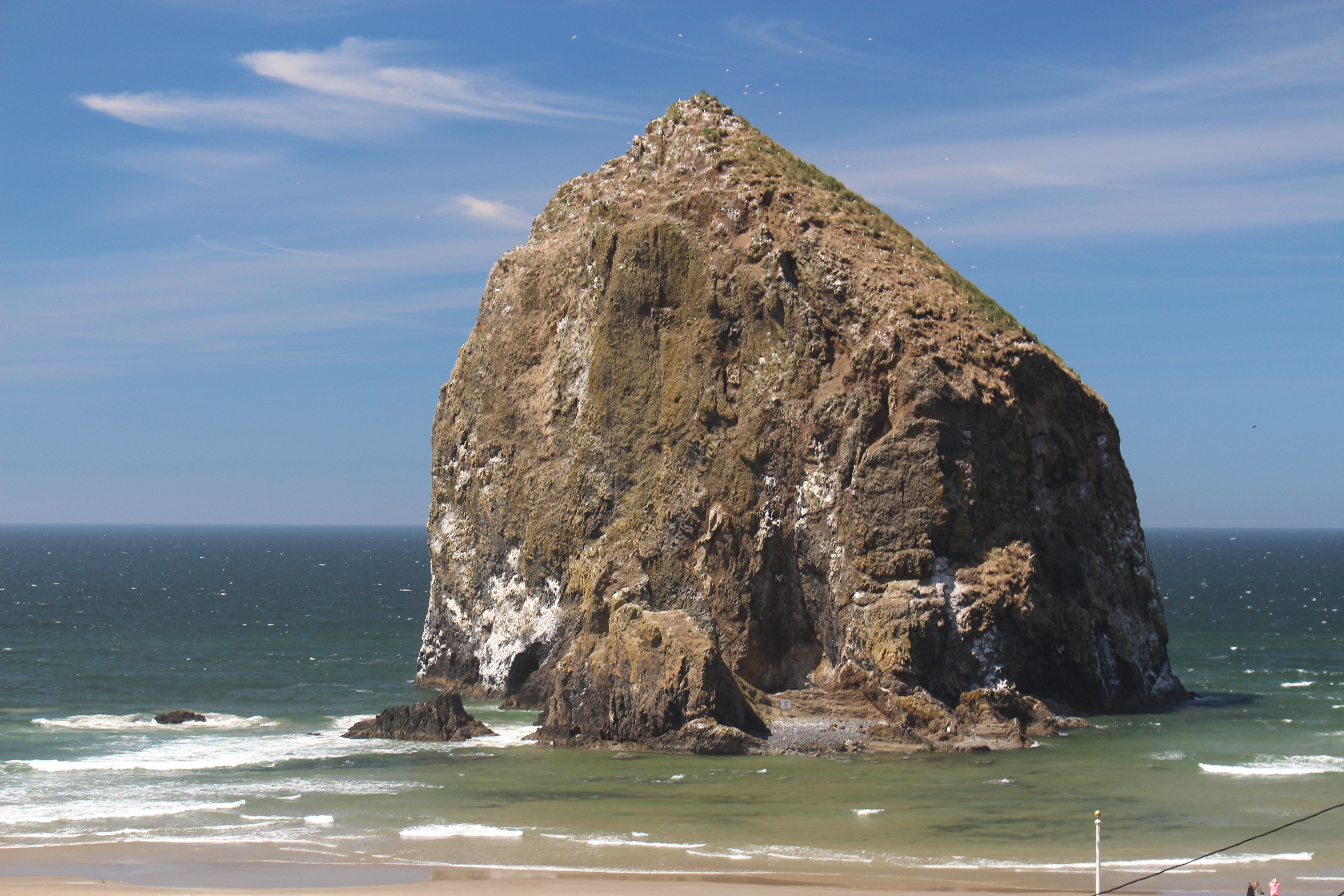
Lewis and Clark went east when they left the fort. We went south toward Seaside, Oregon to a famous formation called Haystack Rock.IMG_2741

It was cool, but there was another place that we needed to visit.

While studying the map, my younger nephew and I saw the World Kite Museum and Hall of Fame. He was determined to go, and we were determined to get him there. After crossing the river in Washington, we made our way to Long Beach and a building full of kites. It was corny, but we learned about the important role that kites played in World War II. Also, the first floor had a wall filled with people who had been inducted in the Hall of Fame. I read each one of them. Hey, if you are going to be in a hall of fame, then someone should read your name.

You may have heard of a few of them.

Charlie Brown

Wilber and Orville Wright

Benjamin Franklin

Alexander Graham Bell

It is an impressive list.

We asked the lady at the desk for a food recommendation. She sent us up the road to a seafood place that fried everything. We wanted seafood, but something grilled would have been nice. Honestly, it was not any better than Captain D’s. Its only redeeming quality was the city park across the street. When we walked out, a band was playing a music filled the air. They were called Jawbone Flats, and I would have listened for a while. However, everyone was ready to leave.

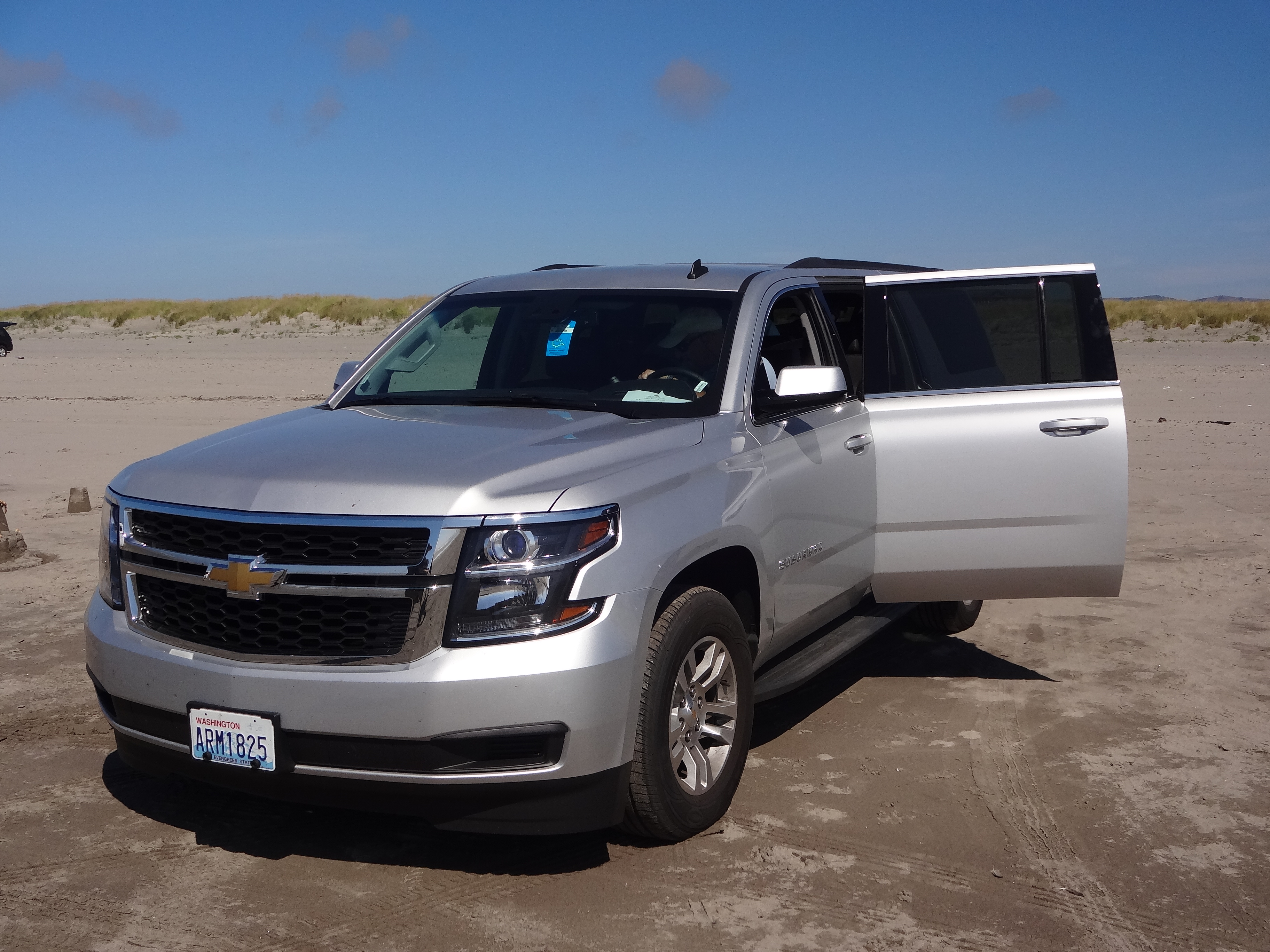
Hey, look over there. It is a road that goes to the beach. When I say the road goes to the beach, I really mean that it goes onto the beach. Cars are allowed on Long Beach, the longest beach in the world.DSC00348

Honestly, we all thought that Daytona Beach was the only one that you could drive on.

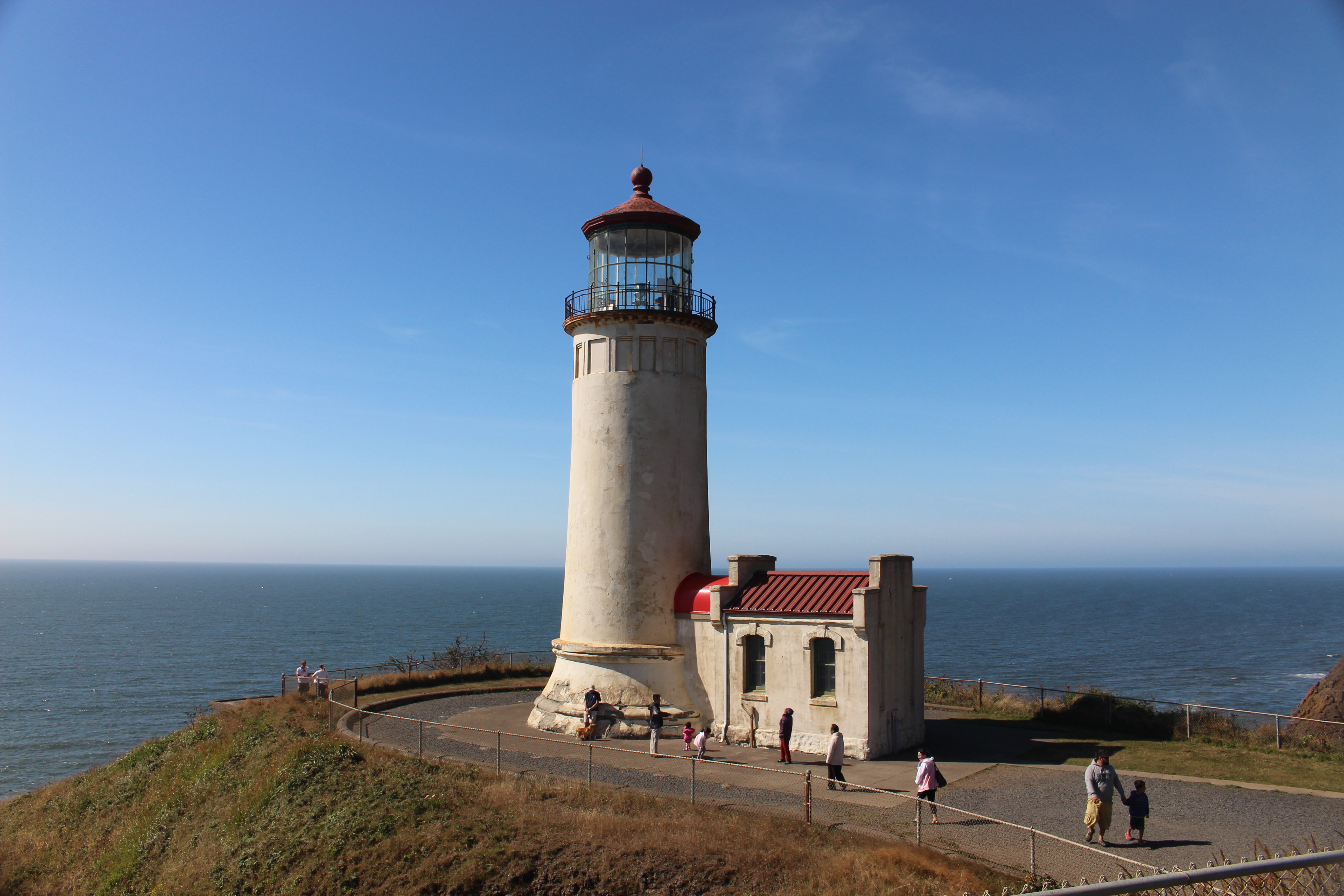
With daylight burning, there was one more stop to make. An old lighthouse sits on the edge of Cape Disappointment.IMG_2774

My brother and nephews climbed to the top while I talked to the man at the entrance. They learned all about the operation of lighthouses while I learned that men were stationed there during World War II. After all, they never knew when the Japanese my attack the Columbia River.

We returned to the hotel with our mission accomplished. We did not go far and saw a lot of stuff. We old folks went to bed while my nephews went to Shari’s to get more pie.

A Man in Georgia Passed Away

2 Aug

A few days ago, a 93-year old man passed away in Georgia. The widower was retired from the DuPont Corporation and left behind a loving family. When the news of his death came over the Associated Press Twitter feed, I read the article and read the replies by people in the Twitterverse. I hardly ever do that. Everyone has opinions about the news of the world, and Twitter provides a platform for sharing. However, something told me that I needed to read these.

Some examples:

“Good”

“Rot in Hell”

“Mass Murderer”

What could lead to such hatred toward an elderly man who had just passed away?

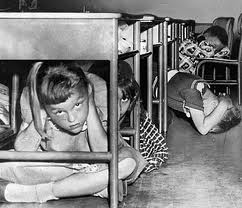
Theodore “Dutch” Van Kirk was the last surviving crew member of the Enola Gay, the plane that dropped the atomic bomb on Hiroshima and introduced the world to nuclear weapons. Tens of thousands of people died instantly and more died from the radioactive effects. In the years that followed, more destructive weapons were developed, and two Super Powers pointed them at each other during the Cold War. People lived under the shadow of the bomb, and little kids learned to “Duck and Cover” at school.Duck and Cover

It was a momentous event in history and, obviously, was not humanity’s finest hour. However, I was taken aback by the hatred aimed at “Dutch” Van Kirk, who was a 24-year old navigator following orders.

Each May, a few other teachers and I lead a field trip class to New Mexico and, as part of the trip, visit Los Alamos, the place where the atomic bombs were built. We sit outside of a museum housed in one of the original buildings and discuss the Manhattan Project. During this discussion, we talk about the bombings of Japan and their aftermath. At some point, I ask them what they would have done if they were part of the decision-making process. Undoubtedly, they say that they would not have done it.

Then, I ask them to put themselves in the places of the people involved. Take away 70 years of hindsight and make a decision. When I read the Twitter responses, I tried to put myself in the place of Van Kirk.

World War II began in 1939 when he was 18 years old. He probably heard news reports of the war in Europe where Germany was bombarding London, invading Russia and killing civilians. He may also been reading about the Japanese advances in Asia and their killing of civilians. He could not have known about the Holocaust.

In 1941, Japan attacked the Pearl Harbor, but it was not only an attack of the naval base. It was an attack of the island of Oahu, which probably killed civilians. Van Kirk was 20-years old. Did he volunteer? Did he get drafted? I do not know, but I know he was trained as a navigator for bombers.

During his time in uniform, Van Kirk flew 25 bombing missions over Europe and North Africa. Undoubtedly, these were harrowing missions. I have no idea of his targets, but I know that the Allies bombed German cities. Dresden was bombed into oblivion, and over 100,000 people were killed. That is more than were killed at Hiroshima.

What does all of this mean? By 1945, Van Kirk had spent 25% of his life with the world fighting the largest war in history. It was a war where the killing of civilians became military practice for all sides. It was a war that every side tried to win at all costs.

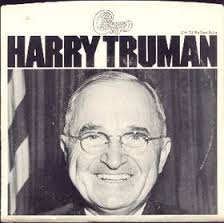
At some point, Van Kirk found himself training in the Pacific and being told that the mission being planned could end this war – a war that had cost millions of lives and people wanted to bring to an end. In August of 1945, the orders came through to complete the mission. The man who had given the order was President Harry Truman.Harry Truman

What was Truman thinking?

He had become president a few months before and around the same time Germany had surrendered. It was then that he learned of the Manhattan Project and the weapons that it had created. As the war in the Pacific went on, the American people were getting restless. Germany had been defeated. When is the same thing going to happen to Japan?

Allied forces were getting closer to the Japanese mainland, and Truman’s advisers were telling him that an invasion could lead to a million casualties. A man that I know said that he was training for that invasion, and he, along with everyone training with him, knew that they were training to die. He never liked Truman, but, when he heard about the bombing, he loved Truman.

Truman had a decision to make. He could ask the American people to sacrifice more men in a battle like the world had never seen, or he could use a weapon that tax dollars had been spent to build.

What would happen if he agreed to the invasion, and Americans later learned that it could have been avoided?

He chose to use the atomic bomb.

Van Kirk and the rest of the Enola Gay completed their mission by dropping an atomic bomb on Hiroshima. A few days later, another plane, Bock’s Car, dropped another bomb on Nagasaki. With that, World War II came to an end, and the Cold War began.

Did Harry Truman make the right decision? I have no idea. I am not trying to justify it. I am saying that we should put ourselves in the past before judging decisions with hindsight.

Should Theodore “Dutch” Van Kirk be vilified on Twitter for the actions of his crew? I do not believe he should. He came to age during the worst war in human history and was told that he had the chance to end it. For 69 years, he lived with the memory of that mission. I have no idea what he thought about when he looked back. He was in that place at that time and did was he was ordered to do.

Maybe the people on Twitter would have done it differently, but they do not know that for a fact.

The Man From Little Cedar Lick

10 Jul

I have been reading Empire of the Summer Moon: Quanah Parker and the Rise and Fall of the Comanches, the Most Powerful Indian Tribe in American History by S.C. Gwynne. As you can tell by its title, historians like long titles, and it is about the Comanche.

It is a great book filled with information that I already knew and a lot of information that I had never read before. There are names of interesting people on both sides of the struggle between the Comanche and those encroaching on their territory. These are people who fought for what they thought was right and may have been well-known in their day. However, many of them have faded from history.

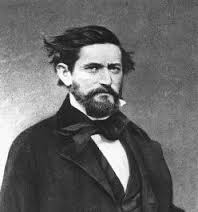
I am far from finished with the book, but one name has already stood out. John Coffee Hays is described as the greatest of all Texas Rangers. In fact, he is the one who taught the rest how to do their jobs. His exploits provide great reading, but a tidbit about his early life is what intrigued me.John Coffee Hays

Hays was born in Little Cedar Lick, Tennessee. When I read about his birthplace, a small memory crept to the front of my mind. Several years ago, I was speaking at Rotary about Tennesseans who became famous in the American West. I mentioned the obvious ones like Sam Houston and David Crockett. However, I also talked about John Chisum, Clay Allison and Peter Burnett.

When the presentation ended, a man in the back asked if I knew anything about the guy from Wilson County who became a Texas Ranger. At the time, I did not know anything about him, but this book may have made the introduction.

Like all great investigators, I did a Google search and discovered that John Coffee Hays was born in Wilson County. I also discovered that all of the sites that have information about Hays must have been copied from the same source. Almost all of them were word for word duplicates. The only differences were about his relationship with Andrew Jackson.

I read that his grandfather sold Jackson the land that would become the Hermitage. There was also the story of Jackson being John’s uncle. Also, his father fought with Jackson during the War of 1812. Oh yeah, another said that John spent many days at the Hermitage.

All of that may be true, but, around here, everyone wants to be connected to Jackson. If your ancestors lived in this area while Jackson was alive, then they were best friends. If your name is Jackson, then you are descended from him, which would be difficult since he did not have children.

I will have to ask my colleague, who has a great blog called Jacksonian America and who is one of the leading experts on Andrew Jackson.

Then, I remembered that I know someone named Hays. I sent a text to Nick Hays, who is running for County Trustee, and asked if he was related to John Coffee Hays. He replied that he was, but the family did not have much information on him. He learned most about him from Monty Pope. On the first day he walked into Monty’s class, he asked Nick if he knew about the Hays who became a Texas Ranger.

By the way, if you live in Wilson County be sure to vote for Nick.

As I read about Hays, I began to wonder about the place where he was born. I have lived here all of my life and have heard many stories about its history, but I have never heard of Little Cedar Lick. I thought about asking the folks at the Wilson County Archives, but I do not have much faith in them these days.

Instead, I went to good old Google. Man, that thing is as handy as a pocket on a shirt. All I found was Little Cedar Lick Church. With nothing else to go on, I drove to the location. It was on a road that I had never been on, and I had no idea what to expect. The picture in my mind was of a little country church.

Instead, I found this.image-3

I have no idea if this is the same area where John Coffee Hays was born. I only know that he was born in Wilson County and made his name as a Texas Ranger. Then, he moved to California and became the sheriff of San Francisco before being one of the founders of Oakland.

Throughout all of that, Hays may have looked back and remembered Little Cedar Lick, but I am afraid that place may have disappeared through the ages.


Madam Millie and Me

8 Jul

This post is inspired by a recent post at Serendipity. Stop by there for a visit and stay awhile. You will be entertained and educated.

Before I started graduate school, I knew that I wanted my studies to focus on the American West. As I got further involved, the realization hit that the American West is a broad subject that needed to be whittled down. With a background in business, I became interested in the economic aspects of the West. I had grown up watching movies where cowboys rode alone across the Plains. It turns out that they were really working for huge corporations, and I found that totally fascinating.

With that in mind, I walked into my professors office and said that I wanted to research the cattle industry.

Nope. That had been done by many historians. I needed to pick something else.

The next choice was the mining industry.

Nope. That one has been covered.

What about the lumber industry?

That one was not going to work, either.

After several more rejections, I asked if he had something in mind. He did.

He suggested that I research the prostitution industry in the West.

It sounded good to me, and I agreed. After all, I had run out of ideas.

I researched, wrote and did all of the other things that aspiring historians are told to do. Fast forward a few years, and our story begins.

I got a call from George Harding, a local man who was quite the character. He loved being involved in politics and was most comfortable in the proverbial smoke-filled room. Most people do not realize the effect George had on our community because he mostly operated out of the public eye. He is the kind of man who would say anything and not care who heard him. A lot of people liked George, but a lot of other people did not.

I always liked him because he was full of good stories about people around town. One day, I got a call from him saying that he wanted to see me.

George had family in New Mexico, and they sent a book for him to read. That is one other reason I liked George. He loved to read about history. This book was called Madam Millie: Bordellos from Silver City to Ketchikan.Madam Millie

When he brought out the book and talked about reading it, I thought he was going to ask me what I knew about Millie. That is one of the problems with teaching history. People tend to think that if you are a historian, then you know everything. A wise man once told me that going far in graduate school means that you know more and more about less and less. I think that is an excellent description.

However, George was not there to ask questions. He said that he was reading through the book when he recognized a name. Opening to the page, he pointed to the spot where I was used as a source. Holy crap, I was deemed by someone to be such an expert in prostitution that they used me as a source in their book.

That was the first time I had ever seen my name in print and was pretty fired up about it. Immediately, I ordered the book, and, when it arrived, I took it to my parents.

I guess they were excited, but you could not tell it by the response.

“You have spent all of these years in school, and you are in a book with a picture of a naked woman on the cover.”

Yep, I had made it. I was an official historian of prostitution in the American West.

Fortune Everlasting

24 Jun

The other day, I was sitting on the couch at parents’ house and picked up a copy of Fortune 500, the annual list of America’s largest businesses. Like most people, I look at the top companies, but I also look for other things. How many are based in Tennessee? How many are new additions? How many dropped out? There is a lot of interesting information once you start digging in.

This year, I noticed something else. It was not that long ago that the History Channel put out a program called The Men Who Built America about the big industrialists of the late 1800s. It covered Cornelius Vanderbilt, Andrew Carnegie, John D. Rockefeller, J.P. Morgan and Henry Ford. There were others, but those guys were the main characters.

As I thumbed through the Fortune 500, I thought back to those men and wondered how many of their companies are on the 2014 list. Obviously, Ford Motor Company is going to be on there. Heck, everyone has seen a Ford vehicle going up and down the road. But, what about those other guys?

Cornelius Vanderbilt was into ships and railroads. In the old days, his companies dominated, but I could not find any of them on the current list.

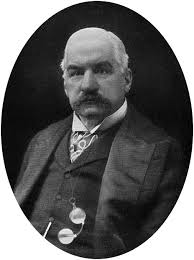
Andrew Carnegie made his fortune with Carnegie Steel. He sold out and spent the rest of his life giving money away. Carnegie could do that because he sold the company to J.P. Morgan, and this is where things get interesting.JP Morgan

Morgan learned investment banking from his father and took it to a new level. He bought Carnegie Steel and merged it with another mill to form U.S. Steel, which currently ranks 166th on the list. Morgan also owned General Electric, currently the 9th largest company in the United States. However, that is not all. He was also on the ground floor of American Telephone and Telegraph. We know it better as AT+T, and it ranks 11th.

This means that J.P. Morgan owned three corporations that currently rank in the Fortune 500. But, there is more. J.P. Morgan Chase and Company is the 18th largest business in the country.

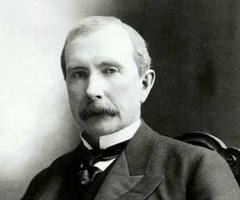
Then, there is the story of John D. Rockefeller, who owns Standard Oil. He created a trust system, which allowed him to controlled the vast majority of the world’s oil supply. The United States government, fearful of an important resource being controlled by one person, busted the trust into smaller companies. Being a major stockholder in the new companies, Rockefeller became the richest man in the world. In other words, the federal government really showed him.John D Rockefeller

Anyway, a few of those smaller companies still exist. Exxon Mobil ranks 2nd. Chevron ranks 3rd. Marathon comes in 25th.

The History Channel called them The Men Who Built America. Others call them robber barons for their ruthless business techniques. Regardless of what one might think of them, there is no doubt that they played major roles in the American economy. What is more, they continue to play major roles many decades after their deaths.

Monty Pope – Teacher and Mentor

18 Jun

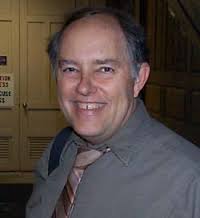
A few days ago, I had lunch with Monty Pope. Most of you have never heard that name, but please allow me to introduce him. Monty recently retired from a long career teaching history that began in the public schools of Nashville and ended at Cumberland University.

I was working on a Master’s degree when I first met Monty. He was offering a class on Historical Geography, and I needed to fulfill some hours. It turned into a class that I will always remember. Monty took us on a tour of the town that I grew up in and, through architectural styles, showed us when and how the town developed. Riding on that van, I had no idea that Monty and I would teach together for over a decade.Monty Pope

When I was hired, I did not know what I was doing. I had never taught a class. I had never made out a syllabus. I had no notes from which to lecture. Luckily, Monty was there to be a mentor and show me the way. Simply, he taught me how to teach.

Monty taught me that there is more to the job than talking about history in a classroom. We are to be mentors to the students just as he was a mentor to me. We are to help students when they have problems. We are to be advisors and counselors.

As I type those words, something should be clear. Certainly, we are to be academic advisors and counselors, but we are to be ready to face other issues. What do we do when a student comes to us crying because a family member has passed away? What do we do when a student is pregnant and expecting during finals week? What do we do when a student asks for advice because they lost their job?

Monty taught me that we advise students in history, but we also advise them in life. Monty taught me that we should go by the book, but, sometimes, situations arise that the book does not cover.

Monty taught me how to teach, but, more importantly, he taught me how to be a teacher.

Monty also taught me History. I have been enrolled in countless history classes, but my only class with Monty was the one I mentioned. However, I learned more History sitting in Monty’s office than I did in most of those classes.

He is a Jacksonian and knows as much about Andrew Jackson and Tennessee history as anyone. His tales of the old days in this area are fascinating. Monty can weave a historical narrative better than anyone I have ever known. His secret, perhaps, is that he never lets the facts get in the way of a good story. As I have heard many times, a Pope has been at every significant event in American history.

Monty has taught thousands of students through the years, and each one of them could write a post about him. I am certain that the vast majority of them would say the same thing. Monty was their history teacher, but he was also their mentor.

If You Missed the Trial of the Century, Then Wait. There Will Be Another One Soon.

17 Jun

June 17, 1994 – I was at a Bluegrass festival being held at the Ward Ag Center in Lebanon. Porter Wagoner was the emcee, and I have no idea why because he was not a Bluegrass artists. Jim and Jesse performed, but I cannot remember who else was on the docket.

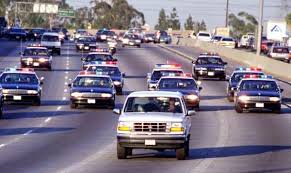
Why remember a long ago Bluegrass festival? Because word filtered through the crowd that O.J. Simpson, whose wife had been brutally murdered with her friend a few days earlier, was leading a low-speed chase through the freeways of Los Angeles. Helicopters were hovering over the white Bronco as O.J. and Al made their way through the city.White Bronco

As millions of people were mesmerized by the chase, I was listening to some of that good old mountain music. Through the years, I have seen the documentaries and the reruns, but the live version went on without me. In those days, you could not even bring it up on your phone. I know that is hard to imagine.

Of course, the events of that week led to a nationwide fascination with the case and the trial that found O.J not guilty. It was known as the Trial of the Century because everyone had an opinion.

This post could be about a lot of things. It could be about collective memory and the notion that everyone can remember where they were when a high event happened. It could be about the verdict and the opinions that followed. However, it is not about those things. It is about the fact that there was more than one Trial of the Century.

Everyone who remembers the O.J. Simpson trial thinks that it is the biggest legal event that ever happened. That know Judge Lance Ito. They know that it was the first time they ever heard the name Kardashian. However, there were earlier trials just as huge and just as fascinating to the general public.

1924 – The Leopold and Loeb Trial

Nathan Leopold and Richard Loeb were students at the University of Chicago School of Law who wanted to commit the perfect crime. Together, they spent months planning the crime and murdered Bobby Franks, a 14 year-old boy. Clarence Darrow was hired to defend them, but his real job was to keep them away from the death penalty.

Loeb was killed in prison, and Leopold was released after serving 33 years.

1925 – The Scopes Monkey Trial

Tennessee outlawed the teaching of Evolution in public schools, and business leaders in Dayton decided to use that to gain some publicity. They “arrested” John Scopes for teaching the theory and sent word that a trial was to be held. It grew into more than they could have imagined with William Jennings Bryan agreed to serve as prosecution and Darrow agreed to be the defense.

The trial was broadcast on radio throughout the nation and became a fight between the forces of religion and the forces of science. Bryan died from the stress of the trial, and Darrow was foiled in his attempt to take the case to the Supreme Court. A technicality overturned the guilty verdict.

1935 – The Lindbergh Baby Trial

Charles Lindbergh was the first person to fly a plane non-stop across the Atlantic Ocean. This gained him more fame than he could have ever dreamed of. It also brought tragedy. His child, less than 2 years-old, was abducted, and ransom was demanded. There was an attempt to pay the money, but the child’s body was found a few miles from the Lindbergh home.

It seemed that everyone got in on the investigation, and suspicions finally fell on Richard Hauptmann, who was tried, sentenced and executed.

There have been numerous theories about this case. Did Hauptmann do it? Did the real killer get away with it? As the trial was going on, millions of people wanted to know.

Americans are fascinated by crimes. Heck, how many times a week does a crime get solved in an hour on some television show. However, those shows cannot compare to the real thing, and the public latches on to these stories as if they were “made for TV.” I guess those early ones were “made for radio.”

With that curiosity, we can be certain that there will be Trials of This Century just like there were Trials of the Last Century. Actually, we have already had one. I wonder what ever happened to Casey Anthony.


The Legacy of the Phoenix

13 Jun

A couple of posts ago, I mentioned that we attended the Phoenix Ball, an annual fundraiser for Cumberland University. For decades, the Phoenix has been the symbol of our institution. It is represented on the uniforms of our teams and is etched in the stained glass of Baird Chapel.Baird Chapel

This is strange to a lot of people because we are called the Bulldogs. They always ask why we have a bird as a symbol if our mascot is a dog. Well, this is why.

Cumberland University was founded in 1842 and quickly established itself as one of the best institutes of higher learning. Its claim to fame was having the first law school west of the Appalachian Mountains. However, problems arose in 1861 and the start of the Civil War. Most of the students and faculty enlisted in the armies of their states and made their way to the battlefields.

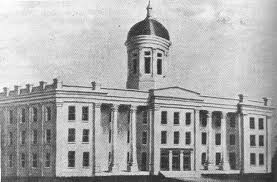
Eventually, the Civil War made its way to campus, and the original buildings were burned.Cumberland Original

Some say that the campus was burned by the Union army. Others say it was burned by the Confederates when they found out that the campus had been used to house African-American soldiers of the Union. It does not matter who did the deed. What matters is that Cumberland University no longer had a home.

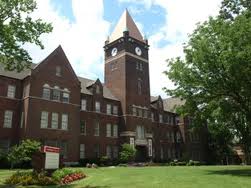
When the war ended, the leadership of Cumberland University was determined that the school would continue. For years, classes were held in buildings around town. In 1892, the generosity of others allowed the university to purchase land for a new campus and build a new building. Memorial Hall was completed in 1896.Memorial Hall 2

The university was destroyed by fire and rose from the ashes. That is why the mythical Phoenix became the symbol of the university. However, the university has risen several times from the brink of disaster.

It survived the loss of support from both the Presbyterians and the Baptists.

It survived as students went off to more wars. In fact, it became the headquarters of the Tennessee Maneuvers that trained soldiers for the invasion of Europe in World War II.

It survived a tornado that ripped across Memorial Hall. The scars of its reconstruction can still be seen.

It survived the loss of its law school, which was renown for its graduates. One of those graduates was Cordell Hull, the Father of the United Nations.

It survived the move to become a junior college and returned to being a four-year institution in the 1980s.

Today, Cumberland University has the highest enrollment in its history. We offer undergraduate degrees in many disciplines. We also offer several graduate degrees.

As a graduate and faculty member at Cumberland University, I know the trials that the school has endured and its ability to survive and thrive. It is a special place with a long and proud history, and I can think of no better symbol than the Phoenix.