This semester I have the good fortune of teaching my favorite class, a history of the American West. This is my major area of study, and I get a kick out of talking about all of the things I have researched and written about. However, it needs to be fun for the students as well. I believe that many historians do a wonderful job of making an interesting topic as boring as possible, and I attempt the opposite. History is fun for me, and I want the students to have the same experience.
Several years ago, I developed something that the students call the “Movie Assignment”. They watch a movie based within the time period we are discussing and compare it to actual events. The scenery and action of the films provide them with a visual clue of what may have been like, and the story often gives them an idea of life itself. Obviously, not all movies are appropriate for this type of activity. Pearl Harbor may have been the dumbest plot ever written. Therefore, World War II class did not get the option to watch it. They got movies with deeper meanings and more of a foundation in reality.
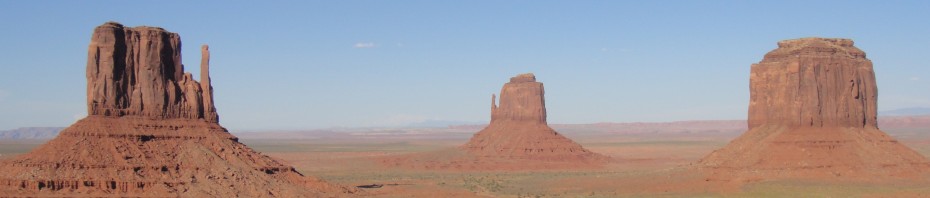
In the American West, students have the pleasure of watching films from my favorite genre. Except, there is a different aspect to the assignment. Western settings have long been used to offer more contemporary lessons. Think of it as the Mt. Olympus of the United States. It is the place with myths are made, and flawed heroes face decisions with no correct answers. To get the students on the right path, I recently assigned each of them a movie to watch. We haven’t discussed what they should look for because I want them to watch the movies for enjoyment first. This post lists the movies and why I chose them. If you get the chance to watch them, then perhaps these are things you can look for.
1. Rango– I know, it’s a cartoon. However, it pays homage to westerns throughout the decades. Watching closely, you can pick up small details that bring to mind the great western movies and western actors. Besides, how can a movie be bad when “The Man With No Name” shows up as the Spirit of the West. I only that the original “Man With No Name” could have been used to voice the character.
2. The Man Who Shot Liberty Valance – “This is the West, sir. When legend becomes fact, print the legend.” One of the great lines in western history and an statement that describes how difficult it is for historians to dig through the legend to get to the fact. This film is filled with symbolism, as each character represents an aspect of the “taming of the frontier” experience.
3. Fort Apache – The second John Ford/John Wayne movie on the list (TMWSLV was the first), this is one of the first movies to show Native Americans in a positive light. It takes real battles of the Indian Wars and combines them into a fictional one. In the process, it shows the misguided policies of the United States toward native peoples. This could be relavent for a lot of times in history – Indian Wars, Vietnam War, Gulf War.
4. The Searchers – The third John Ford/ John Wayne installment (I promise that they don’t make up the entire list) is an epic about a man searching for his niece, who was kidnapped by Indians. It shows his maniacal racism toward these people and how it increases throughout the film. Most of the underlying currents were missed by the audiences of the time, but they come to light as the years pass.
5. The Magnificent Seven – A remake of the Japanese film, The Seven Samurai, this movie was had a compliation cast of stars in an action packed adventure. However, many don’t realize that the original Japanese film was a western placed in a different time and place. So, a western copied a foreign film that copied a western storyline. This shows that the themes of the western genre are actually universal.
6. Dances With Wolves – The Kevin Costner movie won the Academy Award for Best Picture. did you know it’s more popular “remake” lost the same award? Avatar has made more money than any movie in history, but it should be renamed to Dances With Aliens. It’s the same storyline. Watch them back to back and see what I mean. This shows that the western never disappeared. It simply got better graphics and tuend into Sci-Fi. For example, Gene Roddenberry was a writer for Wagon Train when he pitched Star Trek as “Wagon Train to the stars”. And , can’t you picture the black-hatted darth vader as a cattle baron building his empire on the backs of settlers (before the later movies became some convuluted political statement)? Also, when Luke returns to find his uncle’s homestead burning, it reflects Ethan Edwards returning to find his brother’s homestead burning in The Searchers.
7. Pat Garrett and Billy the Kid – Sam Peckipah uses this movie to depict his idea of the destruction of the American west. Look at all of the western character actors that are killed or shown in stages of degeneration. Peckinpah’s version of western history is inaccurate, but his portrayal of the disappearing frontier is poignant. Plus, Slim Pickens dies with Bob Dylan singing “Knockin’ on Heaven’s Door”. The best dying scene ever.
8. The Outlaw Josey Wales – There should be a law that says everyone has to watch this movie once a year. Josey sees his life ripped apart by the ravages of war. In response, he becomes a gunfighter to reap revenge on those who killed his family. Along the way, he picks up a surrogate family of people who have seen their lives destroyed by violence and hardship. It turns out that the “loner” isn’t alone after all. Filmed in the mid-1970s, the Civil War and its aftermath can easily be seen as the Vietnam War.
9. Bury My Heart at Wounded Knee – An attempt to depict the plight of Native Americans as they saw their lifestyle and land taken away. It is a noble attempt. Unfortunately, there are a lot of inaccuracies. The Native American story needs to be told and can be told in an accurate and informative way. This movie, in an attempt to tell the other side of the story, goes to far the other direction. As in all conflicts and clashes of cultures, there are good and bad people on both sides. Portraying that inaccurately takes the meaning away from all of them. On top of that, the portrayal of the Battle of Little Big Horn is shameful.
10. High Noon – This movie is not exciting at all. And, I cringed each time I see the sheriff ask for help. However, there is a reason he does. This movie places real life events in another setting as the sheriff represents those victimized by the House on Un-American Activities Committee that was led by Joseph McCarthy. Audiences of the time would never watcha movie about a supposed communist, but they would watch a movie about a sheriff in trouble.
11. Jeremiah Johnson – Based on an actual mountain man, Robert Redford shows the harshness of life as a Rocky Mountains trapper. There are accuracies and inaccuracies, but the overall story is true to the experience. The scenery is fantastic and the dialogue is witty and appropriate. Under the current, you find the story of a man who tries to run away from civilization only to find that it is never far away.
12. The Good, the Bad and the Ugly – A western about the Civil War in New Mexico that was filmed in Europe. What else can I say? When it came out, many movie critics panned it because everyone knows that the Civil War took place in the east. Wrong. It is based on a reall mission to capture what is now New Mexico. This movie shows how westerns influenced film makers in other countries and how they, in turn, influenced the genre and the view on the region’s history. Also, the musical score is the best of any western ever. And, an American didn’t compose it. Weird for those people who believe the west is all about independence and the American ideal. It wasn’t about that at all.
So, there is the list for my students. Can you think of any other movies I should have used instead? Do you think my students will stumble upon this in their research. If they ever get away from Wikipedia that is.
Tags: Academics, Avatar, Bill the Kid, Bury My Heart at Wounded Knee, Dances With Wolves, Fort Apache, High Noon, Higher Education, History, Jeremiah Johnson, John Ford, John Wayne, Joseph McCarthy, Kevin Costner, Movies, Pat Garrett, Rango, Robert Redford, Sam Peckinpah, The Magnificent Seven, The Man Who Shot Liberty Valance, The Outlaw Josey Wales, The Searchers, The Seven Samurai, Westerns



 SBI: A Thinning Crowd