Archive | History RSS feed for this section

Love, Peace and Soul

2 Feb

This morning the internet was covered with reports of the death of Don Cornelius, creator/host/conductor of “Soul Train”. Because this is the first day of Black History Month, I decided to begin my history classes with the news and a short talk on his influence on music and culture. Some of the students had heard of “Soul Train”, but they really didn’t know anything about it. I hope they do now.

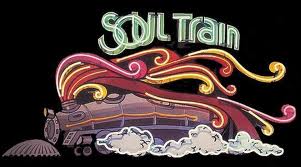
During my younger years, I watched “Soul Train” every chance I could, and I am sure that I was not the only white kid to do that. I think the first attraction was the opening. The animated train chugged across the screen in bright colors while the high-pitched Sooouuulll Traaaiiinn came out of the speakers.

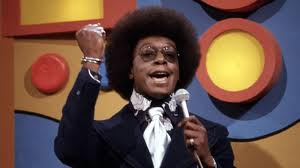
However, once the show started the real action hit the screen. Don Cornelius introduced the performers with a rich, deep voice. Dancers wore funky clothes and made funky moves on the dance floor and down the “Soul Train Line”. I was mesmerized by the people, the music, and the action. Being a red-blooded American male, I paid special attention to the female dancers. I never tried any of the moves because I didn’t want to bust my butt, but I wished I could wear the clothes and be absorbed by the music. I didn’t really understand the impact that “Soul Train” had on society. I only knew that it was having an impact on me and what I thought was cool entertainment.

As a historian, I have a deeper understanding of the times I grew up in and Don Cornelius’ role during that time. He brought the soul genre to a wider audience and introduced many Americans to a vibrant African-American culture. He provided a stage for young African-Americans to express their talents and beauty. There was more to people than what white America portrayed and/or believed. Some say that “Soul Train” was simply a black version of “American Bandstand”. True, there were similarities in show design and cultural impact. But, in my opinion, “Soul Train” was a lot more fun.

In coming days, there will be many tributes to Don Cornelius, and this post will pale in comparison. There are several playlists on my iPod with titles that only I understand. When I put together a soul playlist, there was only one thing to call it – “Soul Train”. As a small tribute, these are a few of the artists and songs included on that list. If I could organize an intergalactic concert in Cornelius’ honor, then this is the lineup of performers that I would choose.

The Love Unlimited Orchestra – “Love’s Theme”

The Temptations – “Papa Was a Rollin’ Stone”

Curtis Mayfield – “Freddie’s Dead”

Marvin Gaye – “Let’s Get it On”

Barry White – “I’ve Got So Much to Give”

Edwin Starr – “War”

The Five Stairsteps – “O-O-H Child”

Stevie Wonder – “Superstition”

Billy Paul – “Me and Mrs. Jones”

Kool and the Gang – “Summer Madness”

Isaac Hayes – “Soulsville”

Roberta Flack – “The First Time I Ever Saw Your Face”

James Brown – “Down and Out in New York City”

The Isley Brothers – “That Lady”

The Commodores – “Brick House”

Bobby Womack – “Across 110th Street”

Sly and the Family Stone – “Everyday People”

Hues Corporation – “I’m Gonna Catch You”

Aretha Franklin – “Chain of Fools”

Chic – “Good Times”

The Staple Singers – “I’ll Take You There”

War – “All Day Music”

Bill Withers – “Ain’t No Sunshine”

The Brothers Johnson – “Strawberry Letter 23”

Gladys Knight and the Pips – “Midnight Train to Georgia”

Jackson 5 – “I Want You Back”

Lakeside – “Fantastic Voyage”

G.C. Cameron – “It’s So Hard to Say Goodbye to Yesterday”

Of course, Don Cornelius would come out at the end and sign off with his signature line, “I’m Don Cornelius, and as always in parting, we wish you love, peace and soul.”

Picture This – Holcomb Community Park

31 Jan

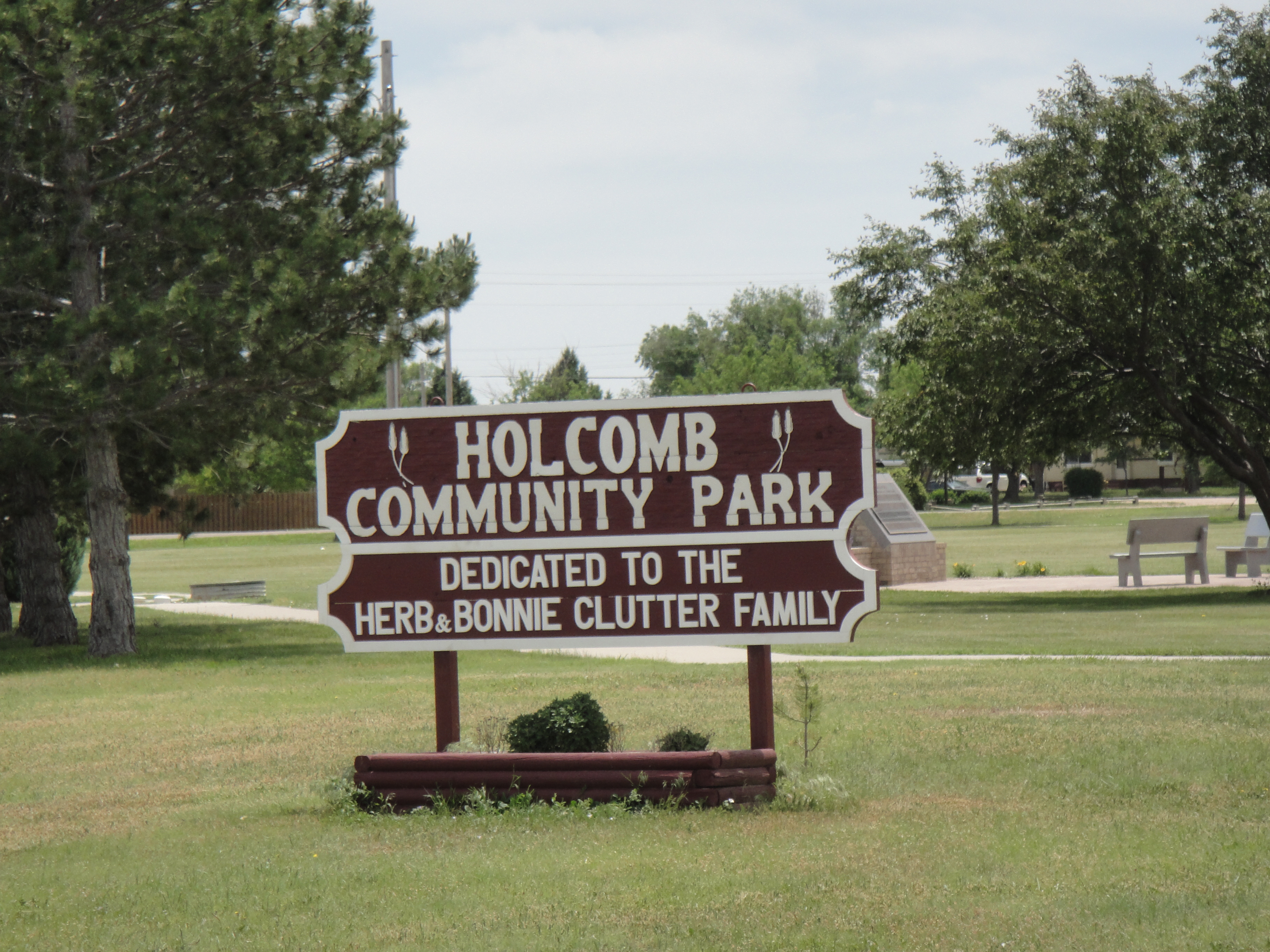
Cities all over the country have parks dedicated in the honor of local citizens, and many of them have the same attributes as this one – benches, trees, walking trail and plenty of grass for picnics. Compared to other parks, this one is small, as it sits in a triangle of crossing streets. It is as if the small town of Holcomb, Kansas needed to do something with land that had been cut off from use and thought a small greenway would be a perfect solution.

However, this park does not honor a founding family or a local politician. It is dedicated to the family of Herb and Bonnie Clutter, which was slaughtered when their home was invaded by robbers in 1959. Tragedies such as this happen in cities all over the nation as well, and as years pass those incidents, also tragically, fade from the memories of those communities. In today’s world, we seem to be desensitized to the violence that happens around us. Bridges are named for fallen soldiers, but we hardly think about them as we pass by the signs. There may be other parks honoring murder victims, but they must be few and far between. So, why did the citizens of Holcomb build a park in honor of the Holcomb’s? Because several years after the attack, the murder in rural Kansas became known to people throughout the world.

After reading a newspaper article about the crime. Truman Capote became mesmerized by the story. He convinced Harper Lee, his childhood friend, to travel to Holcomb and investigate the murder. The result was “In Cold Blood”, a book that many believe began the “True Crime” genre. The writing of the book and the book itself have also been the subject of several movies. In my opinion, the work of Capote and his role in the overall story has come to overshadow the actual crime. As I drove around the small town and walked around the park, I did not think of the Holcomb’s or the men who were convicted of their murders. The question that kept running through my mind was:

Truman Capote came here?

The few people I saw stared at my rental car with the Tennessee tags and gave me the “what are you doing here?” look. And, I am sure they are used to a few people stopping by because of the town’s notoriety. I can’t imagine the reaction of the citizens of 1959 Holcomb when Truman Capote – he of the high society and fashionable side of New York City – arrived with his peculiarities. Likewise, I can’t imagine Capote’s thoughts when he arrived in a little town surrounded by nothing but flat plains. A more odd meeting of cultures is difficult to think about.

Despite of the strangeness of it all, or maybe because of it, I suggest a stop by the park to anyone who finds themself in the vicinity of Holcomb. Take a stroll around the walking trail or sit on a bench and take yourself back to 1959. Picture Capote and Lee hanging around town and interviewing people. Think about the reaction of the authorities when the pair walk in and start asking questions. And, imagine the journey that the writers took to dig deeper into a newspaper story. However, do not forget the Clutter family; the crime that struck down parents and two children; and the two other children left to live with the pain and the constant, best-selling reminder of the horror of their lives.

Your Assignment…Should You Choose to Accept

27 Jan

This semester I have the good fortune of teaching my favorite class, a history of the American West. This is my major area of study, and I get a kick out of talking about all of the things I have researched and written about. However, it needs to be fun for the students as well. I believe that many historians do a wonderful job of making an interesting topic as boring as possible, and I attempt the opposite. History is fun for me, and I want the students to have the same experience.

Several years ago, I developed something that the students call the “Movie Assignment”. They watch a movie based within the time period we are discussing and compare it to actual events. The scenery and action of the films provide them with a visual clue of what may have been like, and the story often gives them an idea of life itself. Obviously, not all movies are appropriate for this type of activity. Pearl Harbor may have been the dumbest plot ever written. Therefore, World War II class did not get the option to watch it. They got movies with deeper meanings and more of a foundation in reality.

In the American West, students have the pleasure of watching films from my favorite genre. Except, there is a different aspect to the assignment. Western settings have long been used to offer more contemporary lessons. Think of it as the Mt. Olympus of the United States. It is the place with myths are made, and flawed heroes face decisions with no correct answers. To get the students on the right path, I recently assigned each of them a movie to watch. We haven’t discussed what they should look for because I want them to watch the movies for enjoyment first. This post lists the movies and why I chose them. If you get the chance to watch them, then perhaps these are things you can look for.

1. Rango– I know, it’s a cartoon. However, it pays homage to westerns throughout the decades. Watching closely, you can pick up small details that bring to mind the great western movies and western actors. Besides, how can a movie be bad when “The Man With No Name” shows up as the Spirit of the West. I only that the original “Man With No Name” could have been used to voice the character.

2. The Man Who Shot Liberty Valance – “This is the West, sir. When legend becomes fact, print the legend.” One of the great lines in western history and an statement that describes how difficult it is for historians to dig through the legend to get to the fact. This film is filled with symbolism, as each character represents an aspect of the “taming of the frontier” experience.

3. Fort Apache – The second John Ford/John Wayne movie on the list (TMWSLV was the first), this is one of the first movies to show Native Americans in a positive light. It takes real battles of the Indian Wars and combines them into a fictional one. In the process, it shows the misguided policies of the United States toward native peoples. This could be relavent for a lot of times in history – Indian Wars, Vietnam War, Gulf War.

4. The Searchers – The third John Ford/ John Wayne installment (I promise that they don’t make up the entire list) is an epic about a man searching for his niece, who was kidnapped by Indians. It shows his maniacal racism toward these people and how it increases throughout the film. Most of the underlying currents were missed by the audiences of the time, but they come to light as the years pass.

5. The Magnificent Seven – A remake of the Japanese film, The Seven Samurai, this movie was had a compliation cast of stars in an action packed adventure. However, many don’t realize that the original Japanese film was a western placed in a different time and place. So, a western copied a foreign film that copied a western storyline. This shows that the themes of the western genre are actually universal.

6. Dances With Wolves – The Kevin Costner movie won the Academy Award for Best Picture. did you know it’s more popular “remake” lost the same award? Avatar has made more money than any movie in history, but it should be renamed to Dances With Aliens. It’s the same storyline. Watch them back to back and see what I mean. This shows that the western never disappeared. It simply got better graphics and tuend into Sci-Fi. For example, Gene Roddenberry was a writer for Wagon Train when he pitched Star Trek as “Wagon Train to the stars”. And , can’t you picture the black-hatted darth vader as a cattle baron building his empire on the backs of settlers (before the later movies became some convuluted political statement)? Also, when Luke returns to find his uncle’s homestead burning, it reflects Ethan Edwards returning to find his brother’s homestead burning in The Searchers.

7. Pat Garrett and Billy the Kid – Sam Peckipah uses this movie to depict his idea of the destruction of the American west. Look at all of the western character actors that are killed or shown in stages of degeneration. Peckinpah’s version of western history is inaccurate, but his portrayal of the disappearing frontier is poignant. Plus, Slim Pickens dies with Bob Dylan singing “Knockin’ on Heaven’s Door”. The best dying scene ever.

8. The Outlaw Josey Wales – There should be a law that says everyone has to watch this movie once a year. Josey sees his life ripped apart by the ravages of war. In response, he becomes a gunfighter to reap revenge on those who killed his family. Along the way, he picks up a surrogate family of people who have seen their lives destroyed by violence and hardship. It turns out that the “loner” isn’t alone after all. Filmed in the mid-1970s, the Civil War and its aftermath can easily be seen as the Vietnam War.

9. Bury My Heart at Wounded Knee – An attempt to depict the plight of Native Americans as they saw their lifestyle and land taken away. It is a noble attempt. Unfortunately, there are a lot of inaccuracies. The Native American story needs to be told and can be told in an accurate and informative way. This movie, in an attempt to tell the other side of the story, goes to far the other direction. As in all conflicts and clashes of cultures, there are good and bad people on both sides. Portraying that inaccurately takes the meaning away from all of them. On top of that, the portrayal of the Battle of Little Big Horn is shameful.

10. High Noon – This movie is not exciting at all. And, I cringed each time I see the sheriff ask for help. However, there is a reason he does. This movie places real life events in another setting as the sheriff represents those victimized by the House on Un-American Activities Committee that was led by Joseph McCarthy. Audiences of the time would never watcha movie about a supposed communist, but they would watch a movie about a sheriff in trouble.

11. Jeremiah Johnson – Based on an actual mountain man, Robert Redford shows the harshness of life as a Rocky Mountains trapper. There are accuracies and inaccuracies, but the overall story is true to the experience. The scenery is fantastic and the dialogue is witty and appropriate. Under the current, you find the story of a man who tries to run away from civilization only to find that it is never far away.

12. The Good, the Bad and the Ugly – A western about the Civil War in New Mexico that was filmed in Europe. What else can I say? When it came out, many movie critics panned it because everyone knows that the Civil War took place in the east. Wrong. It is based on a reall mission to capture what is now New Mexico. This movie shows how westerns influenced film makers in other countries and how they, in turn, influenced the genre and the view on the region’s history. Also, the musical score is the best of any western ever. And, an American didn’t compose it. Weird for those people who believe the west is all about independence and the American ideal. It wasn’t about that at all.

So, there is the list for my students. Can you think of any other movies I should have used instead? Do you think my students will stumble upon this in their research. If they ever get away from Wikipedia that is.

Brought to You By the Number 50

26 Jan

The “Surrounded by Imbeciles” world hit a milestone yesterday with its 50th post. With that in mind, this installment is dedicated to the number 50 HA HA HA HA!

I never realized until this moment that his name is Count von Count.

50/50 – The chance that I would reach 50 posts when this blogging experiment began.

50 First Dates – Adam Sandler + Drew Barrymore + Groundhog Day = 50 million dead brain cells. Also, when was the last time you saw something about Hawaii without the Israel Kamakawiwo’ole version of “Somewhere Over the Rainbow” included on the soundtrack. Great song but don’t overdo it.

50 States – Do you know why it’s an even number? Because they had to bring states in two at a time before the Civil War to make sure that the number of free states and slave states was equal.

Hawaii 5-0 – Are you Team Jack Lord or Team Alex O’Loughlin? Honestly, I have never seen an episode of either incarnation. The opening is cool, but I could never get past it.

50 Ways to Leave Your Lover – Actually Paul, there are countless ways to leave your lover, but 50 makes a good round number for a song title. When I was a kid, I could sing the parts like “slip out the back, Jack” and “make a new plan, Stan”. However, as an adult my favorite line is the first – “The problem is all inside your head”, she said to me. Truer words have never been sung. Just ask my ex-girlfriends.

50 Cent – Is he a good rapper? I have no idea. However, he hooked up with Chelsea Handler, so I have to include him for that accomplishment.

50 Hard-Boiled Eggs – “What we’ve got here is failure to communicate.” One of the great lines in movie history. What does that have to do with eggs? Cool Hand Luke ate 50 hard-boiled eggs to win a bet. Later, the speech was given while he lay crumpled in a ditch.

50 Bonus Points – There is nothing (well, there may be a few things) better than using all of the letters in Scrabble and getting the bonus points.

50 Steals – Ty Cobb stole home a record 50 times. He did that while beating up a man with no hands; investing in Coca-Cola; being a racist; and, spending his days being an all around prick. They claim that he covered for his mother when she shot his father by accident. She was with her lover at the time. Not sure that’s a good enough excuse for a lifetime of degeneration.

1950 – A year of great events. “Peanuts” debuted in American newspapers. Victoria Principal, the hot wife on “Dallas”, was born. “All the King’s Men”, a fictionalized account of Huey Long, won the Academy Award for Best Picture. The game show “Truth or Consequences” debuted. A New Mexico town was later renamed in the show’s honor.

There you have it. A short homage to the number 50 HA HA HA HA

The Shootist

24 Jan

In an earlier post, I referenced an unused radio ad for my university in relaying a bit of Tennessee history. That post provided a brief biography of Grantland Rice, the famed sportswriter. With that being said, here is another footnote in my state’s history.

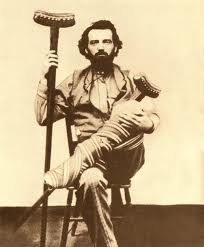
Did you know that one of the Old West’s most notorious killers was from Tennessee? In 1840, Clay Allison was born in Waynesboro, Tennessee. After serving in the Civil War, Allison moved west, and, among other things, became a cowboy, a rancher and a gunslinger, for which he coined the term “shootist”. His reputation as a killer grew with each shooting and lynching in which he was involved. However, Allison’s most famous episode took place when he and a friend decided to have a contest to determine which was the best dancer. To assist in this endeavor, the two men began shooting as each other’s feet, a scene that has been replayed in many western movies. Considering that Allison lived a life of violence and mayhem, he death was rather mundane. In 1881, he was riding a wagon to Waco, Texas when he fell off and died before reaching help.

The Smell of Cape Jasmine

23 Jan

As a historian, I have never been interested in studying the past of my region, the South. I have heard about the Civil War and other aspects of its history all of my life and never really wanted to go behind the scenes of the stories and anecdotes of my childhood. However, this does not mean that I have turned my back on the South. As written in other posts, I have traveled throughout the United States, but I have never considered living anywhere but here. It is my home and everything that is associated with that word. Family. Friends. Familiarity. The “Three F’s” I suppose. I study the West, but I am a child of the South. But, like many others, I am not sure what it means to be a southerner.

Does it mean that I should be ashamed of a heritage of slavery and rebellion? Or, does it mean that I should be proud of a heritage of southern Founding Fathers like Washington and Jefferson? Does it mean that I should be proud of being raised in the Bible Belt? Or, does it mean I should be ashamed to be a native of a region that still argues over teaching the theory of evolution? Before answering those questions, I should explain what being a southerner is all about (at least for me).

It is eating black eyes peas and hog jaw on New Year’s Day for good luck.

It is going to college football games on Saturday’s in the fall.

It is visiting family on Sunday afternoon.

It is watching “Smokey and the Bandit” and realizing that you know a sheriff just like that.

It is going for a ride on a country road.

It is pulling over to pay respects to a passing funeral procession.

It is saying hello to a stranger that you pass on a sidewalk.

It is having a meal of fried chicken and turnip greens.

It is going to the National Walking Horse Celebration and wondering why the federal government won’t leave them alone.

It is being baptized when you are eleven years old because that’s what you are supposed to do.

It is wishing that people in other parts of the country would understand that you are not stupid because you talk differently.

It is thinking that people in New England talk funny.

It is being proud that Blues, Country, Rock ‘n Roll, Southern Rock, Bluegrass, Gospel and just about every other genre of music came from the South.

It is knowing that not all southerners would make this same list because we all don’t fit into the southern stereotype.

Notice that the list does not include driving a pickup truck; hunting or fishing; flying a rebel flag; drinking beer in a field; being a racist; having no teeth or shoes; or handling snakes in church. Of course, there are people who fit those descriptions. Just like there are people all over the country that fit those descriptions (except for maybe the snake handling). I am proud to be from the South and accept its good and bad qualities, but I have never known how to explain that pride. Maybe this post has done it. If not, then I will finish by writing about a song that I have always liked. It is country (which is strange for me), but I feel a connection to it. I will try to explain why.

“Good Ole Boys Like Me” by Don Williams

When I was a kid, Uncle Remus he put me to bed

With a picture of Stonewall Jackson above my head.

Then daddy came in to kiss his little man

With gin on his breath and a Bible in his hand.

He talked about honor and things I should know.

Then, he’d stagger a little as he went out the door.

(Uncle Remus is a collection of stories that were passed down from the days of slavery. They are mostly fables and tales that teach lessons. However, they are racist in the way they present Uncle Remus, a docile African-American man. Disney made a movie based on the stories which has faced a racist backlash as time has passed. I never heard these stories when I was a kid, but I was told plenty of stories along the same lines, namely the story of Little Black Sambo. Despite this experience, I did not grow up to be a racist or a member of the Klan.)

(Stonewall Jackson was a Civil War hero for the confederacy. While most southerners did not have pictures of Civil War officers hanging in their houses, this line aims at the importance many southerners still place on that terrible time in our history. Southerners have tended to forget what the war was about and focus on the fact that the South lost. For generations, this created a sense of inferiority. Of course, the economic conditions didn’t help. I once read an article with the theory that the debacle of the Vietnam War did not affect the South as it did other parts of the nation because the South already knew how it felt not to win.)

(My dad does not drink, but he is very religious. He has been a deacon in the church and complains about why I don’t go. However, this line hits home because I still call him “daddy”. I saw George Carlin (my favorite comedian of all time) in concert, and he made fun of grown southern men using this word. It may be dumb, but we still do it. It is not a childish act but an act of respect. The gin and Bible part is very southern because both play an important role in southern society. Honor is also an important part of southern ideology and society. Heck, that was one of the arguments for the Civil War – the north was challenging southern honor. There is a reason that dueling was legal in the South longer that it was anywhere else. And, it is still important in the South. It isn’t polite to air your dirty laundry in public.)

I can still hear the soft southern winds in the live oak trees.

And those Williams boys, they still mean a lot to me –

Hank and Tennessee.

I guess we’re all gonna be what we’re gonna be.

So, what do you do with good ole boys like me?

(Live oak does not mean that the tree is not dead. This is an iconic tree throughout the South and is the state tree of Georgia. Any picture of an old plantation has live oak’s in it. There is a reason that Twelve Oaks is one of the plantations in “Gone With the Wind”. While this may be a natural symbol of the region, it actually has a varied geography – mountains, river bottoms, swamps, hills.)

(The Williams boys shows the variety that the South has offered to American culture. Hank Williams was a legend in the world of country music and a songwriting genius. Tragically, he drank to excess and died in his 20s, but his music continues to inspire musicians and singers. One of the great writers of the 20th Century, Tennessee Williams provided us with plays and literary works that delve into the psyche and soul. “The Glass Menagerie”. “A Streetcar Named Desire”. “Cat on a Hot Tin Roof”. The list goes on and on. The South may have produced rednecks, but it also produced artistic geniuses. These are but two.)

And nothing makes a sound in the night like the wind does.

But you ain’t afraid if you’re washed in the blood like I was.

The smell of cape jasmine through the window screen.

John R. and the Wolfman kept me company

By the light of the radio by my bed

With Thomas Wolfe whispering in my head.

(The wind is blowing now, and it is one of my favorite sounds. However, that is not a southern thing. Being washed in the blood is. Baptism is a rite of passage in this part of the world. It is something that everyone I know was expected to go through. Each denomination has a different way of doing things, but most have similarities. At the end of the church service, the preacher asks for those who want to accept Christ to come to the front. If you feel the spirit, then you go to the front. Once the singing stops, the preachers announces to the congregation that you have made a decision to join the church and asks them to affirm it. At some point, you are baptized. In my church, this meant a full immersion under water. There you go – afterlife insurance. I joined at 11. My dad joined at 5. Neither one of us knew what we were doing, but we were saved nonetheless.)

(Cape Jasmine is a white flower known for its fragrance. It is called Cape because people thought it came from the Cape of Good Hope. It actually originated in Asia. There are all sorts of flowers and plants throughout the South due to the warm climate. Some, such as the Cape Jasmine, have brought beauty and an air of social standing. Lots of flower clubs exist around here for the uppity women of the South. This is probably left over from the days of plantations that fancied themselves as cousins of British aristocracy. Other plants, like cotton and tobacco have brought fortune but also infamy.)

(John R. and the Wolfman are my favorite names in this song. John R. was a Nashville legend as lead disc jockey on WLAC-AM, a clear channel station that reached 28 states. He played rhythm and blues and introduced southern African-American performers to listeners throughout his range. John R. became so popular with African-American audiences that they thought he was African-American as well. Wolfman Jack was a more famous disc jockey and gained this fame on the most powerful signal in North America, XERF-AM out of Ciudad Acuna, Mexico.)

(Thomas Wolfe, from Asheville, North Carolina, was a great southern novelist. I believe he is referenced in this song for his 1940 work, “You Can’t Go Home Again”. Once you have grown and left your surroundings, you can never go by to that “idyllic” lifestyle again. I put idyllic in quotations because once we look back we realize that it was never as good as we imagined. People often talk of the good old days, but they were never that good. Southerners, especially of the white variety, may think times were simpler then, but were they really? Segregation. No air conditioning. Many without electricity. Few well-paying jobs to be found. A great distance between the wealthy and the non-wealthy, both white and black. We can go home again physically, but we can never return intellectually and emotionally.)

When I was a kid I ran with a kid down the street,

And I watched him burn himself up on bourbon and speed.

But, I was smarter than most, and I could choose.

Learned to talk like the man on the six o’clock news.

When I was eighteen lord, I hit the road,

But it really doesn’t matter how far I go.

(Much of this song is more appropriate for the experiences of generations before mine. However, this part remains true to today. Several of the people I grew up with and played with as a child have become town drunks that waste their time in the bars a beer joints around town. I realize this happens all over the world, but I know that they never had aspirations of becoming the “town drunk”. Unlike the song, I didn’t leave. I found opportunity in the area and went with it. That makes me lucky. But, it makes me sad to see people with the same opportunity go down another path.)

So, what was this post? I am not sure myself. It is a defense of a region and a critique of the same region. Maybe it’s like family. I can talk about them all day long, but I’ll defend them if someone else says the same. That’s what being from the South is like. We can talk about each other and realize that we have issues. But, other people had better not join the discussion. Now that I think about it, that’s probably what the people who seceded from the country thought too.

The post is also an excuse to analyze one of my favorite songs (even though it’s country). So, if you made it this far I hope that you learned something. I learned that some questions don’t have answers. So, what do you do with good ole boys like me?

Kindling – Part 2

21 Jan

Yesterday, I decided to filter through my Kindle archive and blog about the works I found in there. You can skim that posting to discover my motivation behind this action and to read about some of the books hibernating in the archive. Unfortunately, the post took me too close to the morning hours, and I had to set my computer aside. This post covers the rest of the stories (to paraphrase Paul Harvey).

1. “End Game: Bobby Fischer’s Remarkable Rise and Fall – from America’s Brightest Prodigy to the Edge of Madness” by Frank Brady – When I was a kid, I was fascinated by Bobby Fischer. However, it wasn’t the chess. It was the fact that he disappeared. For some reason, I liked the people who fell off the face of the earth, such as Fischer and Howard Hughes. I started this book hoping that it would shed some light on that part of his life. To my dismay, it skimmed over the “mystery” because there was none. People knew where he was. He didn’t disappear. He just stopped playing chess. Despite that disappointment, this is an interesting journey into a mind that is slowly going mad. At the end, I thought I was crazy.

2. “Holy Blood, Holy Grail” by Michael Baigent, Richard Leigh and Henry Lincoln – Who doesn’t like a good conspiracy? And this is the king daddy of them all. Get that – king daddy…Jesus had a kid. Yeah, kinda corny I suppose. Anyway, this is the book that inspired “The Da Vinci Code”. The writers delve into all sorts of history to come up with the theory of a holy bloodline that continues to flow. It is terribly written and terribly researched. But, that isn’t the point. If you don’t believe man landed on the moon and believe the world is going to end on December 21, 2012, then this is the book for you. I love conspiracies, so I loved the read.

3. “The Hunger Games” and “Mockingjay” by Suzanne Collins – I read the physical version of the other book. I reckon that grown men shouldn’t be reading YA novels about young girls. However, this young girl kicks ass. Almost everybody knows about this series, so I won’t go into a big explanation. It’s super cool, and I hope the movies are super cooler.

4. “Robopocalypse” by Daniel Wilson – It’s been done more than once. “I, Robot”. “Maximum Overdrive”. Machines come to life and take over the world. We seem to fear a takeover by the things that we believe we control. Machines and animals in particular. However, this is a great book that takes us around the world as survivors try to fight back. Despite their struggle, I can’t help but like the machine that is controlling the entire process. It accomplished where numerous humans have failed. It conquered the world.

5. “World War Z” by Max Brooks – Zombies are misunderstood. When did voodoo get taken out of the zombie story and disease take its place? Of all the zombie books, this one is my favorite because it reads like a real history. Interviews such as this have been done by real researchers talking to real veterans, and the stories are similar to reality. Well, except for the enemy that just won’t die. I can’t say enough about this book. It spans the globe and traces the history of a war that seemed impossible to win. It is becoming a movie, but I can’t see how they can fit this into a two-hour time slot. It will be interesting to watch, but I think the movie in my mind will have to suffice.

6. “When Pride Still Mattered: A Life of Vince Lombardi” by David Maraniss – In history, we tend to view the participants as two-dimensional beings. Good or bad. Hero or villain. Strong or weak. As the years pass, their humanity turns into statues of stone or metal. Vince Lombardi provides the perfect example. He is a winner – the greatest football coach ever. The Super Bowl trophy is named after him. This biography goes past the images and words of NFL Films to show a man who had fears, doubts and problems at home. He was a great coach but a terrible father. He was a saint but a tyrant. In short, he was human.

There you have it. That cleans out my digital archive. As it turns out, this was a lot easier than loading boxes with hundreds of pounds of books. Now, I just have to start reading the long list of books that I haven’t gotten to yet.

Kindling

20 Jan

A couple of Christmas’ ago, I was surprised to be given an iPad. It had never been something that I talked about, and I didn’t realize that the person who gave it like me that much. I don’t use the iPad very much to serve the internet because I find a laptop much easier to type on a read. However, I use the iPad to play games and read on the Kindle. This Kindle thing was a surprise to me as well. I was always one of those people who talked about how I was never going to give in to the technology. I like holding a book and turning the pages. I like spending hours in bookstores. However, it wasn’t long before those opinions started to change. Of course, I still like bookstores. Who doesn’t? But, I have now become one of those people who is killing the bookstores. Instead of buying books, I get titles and download them later. It’s terrible, I know. It feels like cheating.

I was thinking about this change of opinion while sitting in my office this afternoon. Bunches of books were taking up space, and I began thinking about how I needed to clean out my shelves. My office is nothing like my house. There are books on shelves, crammed in drawers, and places anywhere they might be considered out-of-the-way. Some of them were memorable. Some of them have were forgotten as soon as the last word was read. but, most are waiting in the queue to be opened before they are lost in the Land of Closed Drawers.

I hate getting rid of books. It takes a lot of effort, both physical and mental. Figuring out which ones go and which ones stay. Picking up a totally overloaded box. coming up with a place to take the overloaded box. Hoping that the books find good, caring homes. Thinking about all of that trouble made me appreciate the Kindle in another way. When a book is finished, I just place my finger on it until it shakes and “x” it into the archives. No shelves. No drawers. No boxes. Just a button.

With that in mind, I decided to look through the Kindle archives and see what I have filled my mind with.

1. “The American West” by Dee Brown – This semester I am teaching the Expansion of the United States and read this work to brush up on the history of that time and place. Brown is a famous writer of the American West, but he is not a true historian. He  falls into the category of popular historian that academic historians love to complain about. The latter does the research while the former gets the fame. Actually, there are a lot of good “popular” writers. Unfortunately, Brown is not one of them. The book is badly arranged and needs an editor badly. He knows a lot of good information and tells great stories. However, it took an effort to get through it, and I love this stuff.

2. “The Big Scrum” by John J. Miller – This book chronicles the early days of college football and how it was saved by Theodore Roosevelt. At the turn of the 18th/19th Centuries, academic leaders were outraged at the sport taking over their campuses. Violence. Horrible injuries. Cheating. Paying players. Recruiting issues. It seemed that the game was going to drag universities into the gutter of professional sports. Before they could take action, TR and other leaders stepped up to claim that the game was good for America and the development of manhood. I am not sure about that, but I like college football. So, I’m glad they saved it.

3. “Blood of the Reich” by William Dietrich – Dietrich has written a series of novels about Ethan Gage, adventurer extraordinaire. His hero outwitted Napoleon; defeated Barbary pirates; and survived adventures in the unexplored American West. In this book, new heroes fight Nazis, both old and new, to find a great power in Tibet. I didn’t like this as much as the Gage adventures. However, I don’t think it was the fault of Dietrich. Before this book, I read “Sleepwalkers” by a writer that I won’t name to save him from the embarrassment. It was about a Jewish detective looking into a horrible crime before Nazis took power in Germany. It was terrible. No character development. Telegraphing of plot. Jumped from scene to scene without any connection. The only good part was the prostitute that he spent a lot of time describing. Unfortunately, she disappeared without any explanation with what happened.

4. “The Devil Colony” by James Rollins – I really like the adventures of Grayson Pierce and the Sigma Force team. In this one, they head into the American West to stop a mysterious force from destroying the globe. They hit some places that I have been, so it was easy to visualize the action. Plus, they ended up in Yellowstone. How can you beat that?

5. “The Devil’s Gold” by Steve Berry – This is a Kindle-only short story used to st up the action in an upcoming novel. In short, an operative is looking for lost Nazi gold in South America. In the process, he finds the offspring of Adolf Hitler. Short story equal short description.

6. “The Jefferson Key” by Steve Berry – This is the novel set up by the previously mentioned short story. Cotton Malone goes after a secret cabal of pirates whose families have been protected by the United States government since its inception. It starts out with Andrew Jackson being himself and sticking to the pirate ancestors. Those of us in Tennessee know how Jackson was. He didn’t take any shit. Well, the pirate descendants are figuring out a way to get out of the situation Old Hickory put them in. Malone has to stop them.

7. “Evel: The High-Flying Life of Evel Knievel: American Showman, Daredevil, and Legend” by Leigh Montville – As a kid, I was fascinated by Evel Knievel. I watched the jumps; had the toys; and wanted to be just like him. This is an all-encompassing biography that follows Evel from his youth in Butte, Montana to his death as broken, both physically and financially, old man. In between were adventures that you would assume the world’s most famous daredevil would have. Women. Alcohol. Parties. All the trappings of decadence and fame. The surprise comes when it’s revealed that Evel was afraid of dying the entire time. He created a persona that he couldn’t escape. His job was facing death with the world watching and death was looking back.

That gets us halfway through the archives, and I have discovered that typing about the finished books is almost as tiresome as putting them in boxes. We will explore the next half in the next post.

Dance Hall Days

18 Jan

Several posts ago, I chronicled my graduate career and how I came to study prostitution in the American West. It’s not the industry that I meant to study, but I have found it to be an interesting topic for myself and my students. A few posts later, I began to share some of my research by introducing my readers to the women who worked in the brothels, the highest level of the industrial “whorearchy”. This post leaves the brothels and follows the women into the next work place, the dance halls.

In the American West, the younger and least experienced women worked in the brothels, the houses that catered to the wealthier men of a community. When the earning abilities of these women faltered, they moved from the brothels and into the dance halls, or saloons. The mythical representation of these establishments are depicted in almost every western movie, and saloon women are often used as background for the movie scenes. This is not too far removed from reality as saloon owners hired women to do just that – serve as scenery. Women were hired to be part of the decor and to attract customers. They danced with patrons for a fee and sometimes entertained by singing for tips. They had conversations with men who may be sitting alone and typically pressured them to uy watered-down drinks at inflated prices. (Not unlike Hooters) The dancing fees and obviously the drinks went into the coffers of the dance hall.

Women in these establishments did not earn as much money as those in the brothels because men usually did not go to saloons looking for sex. They were there to gamble and drink. If they wanted to have sex, then they would have gone to a brothel or, if that was unaffordable, to a crib, which I will blog about later. As a result, saloon women had to work hard to induce men to take them upstairs and pay them for sex.

Saloons and dance halls were everywhere in the West, but perhaps the most famous of the time was the Birdcage Theater in Tombstone, Arizona, a town famous for the Gunfight at the Ok Corral. The theater derived its name from the balcony boxes, which resembled birdcages, that overlooked the floor and the stage. Due to a lack of rooms, prostitutes performed their services in these boxes with the curtains drawn. Last summer, I visited Tombstone and toured the Birdcage. It is an interesting tour and showed firsthand that the boxes are aptly named.

Old Posts Home

16 Jan

Something interesting happened in my Dashboard today, and it made me consider what blogging is all about. I started this blog on November 1, 2011 and had no idea what to write or what would happened when I did. Things began with an introductory post that explained where I got “Surrounded by Imbeciles” and told a few things about myself. It was after this post that I realized there was an “About” section.

On November 2, I published my second post titled “The Problem With Gas Pumps”, which covered my notion that gas pumps think people are stupid. I always said that if I blogged, then I would start with that rant. In my mind, it was a good attempt at sarcasm and wit. However, it wasn’t until today that someone clicked on it. I have been blogging for a while now and, while not an expert, feel like I am getting better at it. I have had a bunch of hits; plenty of comments; and met some great people. (Now that I have figured out how to create a link, you should check out my favorite blog and super supportive reader, the Book Snob.) But, I never considered what happened to the old posts that nobody ever read. Do they go to an “old posts home”? They don’t. They live forever as information leakages from our brains. The things we put on here never go away. While we may forget about them and think that people will never go back into the archives and look around, all it takes in an engine search to receive a click.

As a historian, I am accustomed to combing through documents in local and state archives and studying the artifacts of the past. But, it never hit me until today that blogs are the modern equivalent of the letters, journals and diaries of the past. I have read all about other people’s lives and thoughts, and now a few people are reading about mine. It’s kinda cool and kinda strange at the same time. I can only hope that when people look through my “archives” they will find something as interesting as I have found looking through the paper kind.