Archive | Nature RSS feed for this section

I Didn’t Intend To Write a Post About Trees

2 Oct

During this late afternoon, I rode with my stepdaughter as she drove the Gator. For those who don’t know, this is a Gator.Gator

She is 11 years old and loves to drive. In fact, she asks for a golf cart every time a birthday or Christmas comes around. She’s a good driver and watching her smile is the best thing about riding with her. I rode with my nephews when they were kids, and taking a spin with her brings to mind all of those fun times.

The Gator belongs to my parents, so we took off from their house. Then, we went into a neighborhood behind their farm. The neighborhood is filled mostly with older people who have been living there for decades. It has large lawns that are neatly kept, and, as we drove, I noticed a few people in their yards.

One man was on his mower. His next door neighbor was checking his driveway that had just been paved. A lady was watering her plants, and another lady was on her way to do the same thing. At another house, a brother and sister, who were probably visiting their grandparents, were playing basketball. I waved at them all, and a few of them waved back.

The people were interesting, but I noticed something else when we went into another part of the neighborhood. In one yard, a large tree stood. It was perfectly shaped, and the yard around it was perfectly kept. Obviously, the people who own the land around the tree take great care of it and noticing this made me begin to wonder. Did they plant the tree, or was it there when the house was built? Have they lived there long enough to watch it grow to its current majesty? Have they helped it along?

I began to think about a tree in the yard where I grew up. There was a notch in it that fascinated me. It had this strange shape and stuck out far enough that I could almost use it as a seat. When we played backyard football, that tree served as the goal line. Making it to the tree meant I had scored a touchdown. The notch that I tried to sit on is now over my head. The tree grew along with me and stood watch over my family.

It saw me ride a minibike as a kid and drive a car when I turned 16. It saw my dad walk up and down the driveway to get his mobility back after a stroke. It watched my mom work in the yard. It guarded my brother as he and his friends played basketball in the driveway. Heck, it watched my dad hit free throw after free throw as he beat me at H-O-R-S-E. I guess you could say that the tree and the other trees in the yard witnessed our family history.

Trees are like that. They have stood as sentinels over the events of our past. My parents now live on a site that used to be a hotel. When I walk through their yard, I wonder about all of the different things that have taken place under their shade. In the Victorian Era, they saw hotel guests strolling underneath and while other played croquet in their shade. They saw the hotel burn and remained as my parents built their home. They also served as decor for our wedding reception, and I bet that was not the first wedding that took place around them.

I am not sure what made me think of all this, but something hit me while we rode the Gator. People and trees grow old, but the trees last longer than we do. They are there for us, but they are also there for past and future generations. I have never considered myself an environmentalist and do not get overly wrought when I see a load of logs go down the interstate. However, when the trees that I have grown up with go away something in me goes away as well. I bet the people we past by this afternoon feel the same way.

What Happens When a Settler Says, “Look At All Those Cedar Trees.”

24 Aug

A few days ago, our school, the School of Humanities, Education and the Arts, held a retreat at Cedars of Lebanon State Park, located a few miles south of town. As we sat in the assembly hall and talked about the upcoming academic year, my mind kept wandering toward our surroundings and the times I have spent in the park.

On one side of the hall, there is a playground and some picnic tables. That’s where we had a picnic for my grandfather a few weeks before he passed away. He had a brain tumor, and everyone knew his time was short. Picnics were one of his favorite things, so we had one while he was still able.

On the other side of the hall, there is a softball field in need of much repair. In the past, our university’s intramurals have been played there, but it was built for a different purpose. Years ago my dad sponsored a professional softball team, and he had the field built as a home park. Everything was donated, but some government agency refused to put up the lights. I noticed that there are now lights.

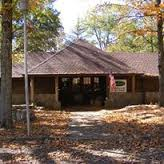
The Dixon Merritt Nature Center is located just past the field.Nature Center

Named for a local historian, the center presents the wildlife that can be found in the park. When I was a kid, we would take field trips to the nature center. I always wondered why a center dedicated to nature would have stuffed animals on display.

There is a short trail behind the nature center that I always thought was cool. It leads into a gully that contains a cave. I never got up the courage to go into the cave, but legend says that it ends underneath the town square. That’s probably not true, but it was the home of a whiskey making operation.

At the other end of the trail, there is a New Deal era recreation building that used to have a ping-pong table. On the other side of that is a playground with a great slide and a great swing set. When I was a kid, I would see how high the swings would go. Some kids jumped out of them. I always dragged my feet on the ground until it stopped.

In the same area, there are a bunch of picnic tables. These fill up the fastest because they are the first ones that people drive past. Unfortunately, my memories of this area aren’t positive. Sitting on one of the tables, a girlfriend and I had one of those discussions that always ends in a breakup.

If people drive past these tables, then they will find other things in the park. Like any good state park, there is a camping area. There are also some pretty cool trails. A swimming pool is located at the far end of the park. I think that I went there once as a kid. It’s a nice pool, but we had one at home.

There is also a frisbee golf course that a few of us played. That’s when I discovered that I am no better at frisbee golf than I am real golf.

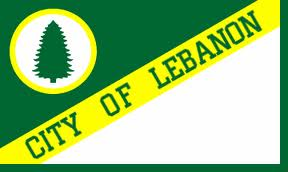
Cedars of Lebanon is named for the grove of trees that it encompasses, and our town, Lebanon, is named for the same reason. When settlers first moved into the area, they saw all of the cedars and got all Biblical. You know, the Bible talks about the cedars of Lebanon, so that seemed like a good thing to name the town.Lebanon Flag

These days, Lebanon is known as the “Cedar City.” Although the park is officially named Cedars of Lebanon, most long-time Lebanese call it Cedar Forest. There are “cedar” things all over the place. There is even a Cedarstone Bank that combines the two things we have most of – cedars and rocks.

The rock part is accurate. You can’t dig anywhere around here without hitting them. However, the cedar part presents a problem. One day, I was talking to one of our biology professors who is an expert in plants, and he said something along the lines of:

You know all of the cedars around here. They aren’t cedars. They are junipers.

So, the settlers were wrong. There are no cedars to inspire the name of Lebanon. Now, the city with the wrong name uses a slogan that is just as wrong. The park that has been part of my life and the lives of many people in this area has the wrong name. We thought we were playing amongst the cedars when we were really should have been calling it Juniper Forest.

All I can say is welcome to “Juniper City.”

Categorically

30 Jul

We just finished walking around the neighborhood. As we did, I noticed a man through a window. He was working at his desk, and I began to wonder what he was working on. Was he writing the next great novel? Was he writing a letter? Was he blogging? At the moment, I am sitting by a window, and people are probably looking in and wondering what I am doing.

I like to think that people like what they read here. It’s a hodgepodge of stuff, but it comes right out of my head. Sometimes, It’s travel. Sometimes, it’s music. Sometimes, its stories from the past. All the time, it’s something that is stuck in my mind and needs to get out.

I am not sure what needs to get out tonight, so I will just go down the list of categories on this blog and type this first thing that fits.Scattergories

Academics – School starts back soon. That means inservice.

Agriculture – The other day, I got gas at the Farmer’s Co-Op.

Art – There is a guy named Art who works at Beauty Boutique, Necole’s store.

Biography – The last one I read wasn’t very good, It was about Ward Bond, John Ford and John Wayne. It should have been good.

Books – I just finished The Eye of God by James Rollins. It is the further adventures of Grayson Pierce.

Childhood Memories – Tonight, I mentioned that my parents had a Weeping Willow in their front yard, and I used to play under it.

Comedy – Nothing is funny, at the moment.

Community – I was named to the local Planning Commission. This afternoon was my first meeting.

Crime – Tonight, I found out that a guy I once knew tried to kidnap his wife and lock her in a closet. Hopefully, he will get what’s coming to him.

Did You Know? – I forgot about this category. It needs to be revisited.

Dining – Tonight, we had a home cooked meal of meatloaf, mashed potatoes, macaroni and cheese and green peas.

Dreams – Lately, my dreams have been less than memorable.

Government – Necole went to the DMV this morning. There is no reason they should be that slow.

History – I am getting my lecture voice warmed up.

Movies – We watched Batman Begins, and I realized that the guy who plays Joffrey on Game of Thrones was in it.

Music – We have a couple of concerts coming up – Don Williams and The Eagles.

Nature – There’s a great article about sugar in the latest National Geographic. Everyone should read it.

Photography – In a few days, we are getting more wedding photos made.

Rambling Ruminations – I think that is what this post is all about.

Relationships – I’m married.

Religion – I would like to write about it more, but a few things are better left unsaid.

Sports – College football is about to start, and my team, the University of Tennessee, is in the Southeastern Conference. However, you’ll never hear me chant S-E-C. I cheer for one team and hope the other ones lose every week.

Stupid Stuff – It’s an accurate description of this post.

Television – I’m waiting for Justified to crank back up.

Therapy – I used to go. I don’t anymore.

Travel – We just returned from California and will be heading to Arizona soon.

Writing – Am I the only person who doesn’t mess with those writing prompts?

Listeria – Wonders of the World

25 Jul

Before this post officially begins, there is something that needs to be cleared up. I started the “Listeria” series a long time ago as a way to explore our fascination with lists. Since that original post, I have covered the best places in New Mexico; the greatest guitarists of all time; some of the best places to travel; the greatest cowboy stars; the fastest gunfighters; Nashville’s best restaurants; and the best movies of all time. At no point during that time did I know that Listeria is a serious disease. I think I first heard about it on CNN.

Now, I am stuck. Do I change the name because it brings to mind something terrible? Or, do I keep the name that has become a well-known brand? You know, Coca-Cola didn’t change their name because they took cocaine out of their product. It seems to have worked for them, so I’ll stick with it.

This edition of “Listeria” comes to us from the people at LIFE, which only puts out these special publications because their magazine didn’t make it. This one is called Wonders of the World: 50 Must-See Natural and Man-Made Marvels. However, there is a problem, only 41 of them can be seen because the other 9 either don’t exist anymore, are in space or are in the unreachable depths of the ocean.

Out of the 41 that are obtainable by ordinary humans, I have visited the following.

The Colosseum – It was cool because it was just like a modern stadium. Entrance gates. Concourse. Seats. There was even a roof over part of the audience. They had club level, too. It was truly a technological marvel. However, I remember two things about it more than anything else. It was surrounded by traffic. Now that I think about it, that’s just like a modern stadium, too. It also had a bunch of cats living in it.

The Vatican – Obviously, it’s in the same city as the Colosseum and is a testament to the power of religion. The art was amazing, and, to me, the Sistine Chapel stood out. However, I mostly remember a statue that everyone rubbed for good luck. I don’t know who the statue portrayed, but I know that the feet had nearly disappeared. That’s a lot of rubbing.

The Empire State Building – I have seen this building, but I don’t remember much about it. I was in high school when my parents decided to take a road trip through the northeast, and my dad decided it would be a good idea to drive through New York City. As navigator, I was busy looking at the map and trying to get us out of the quagmire. We succeeded but only by going through Harlem and the Bronx, and that really wasn’t the plan.

The Golden Gate Bridge – We just drove over it on our honeymoon. You can read about that here.

Mount Rushmore – Now, we are talking. This is one of my favorite places and is a monument to some of the men who built America. Unfortunately, these men helped build America on land that was owned by Native Americans. There is something ironic about this being carved in the Black Hills, land that is sacred to the Sioux and land that they have refused to take payment for.

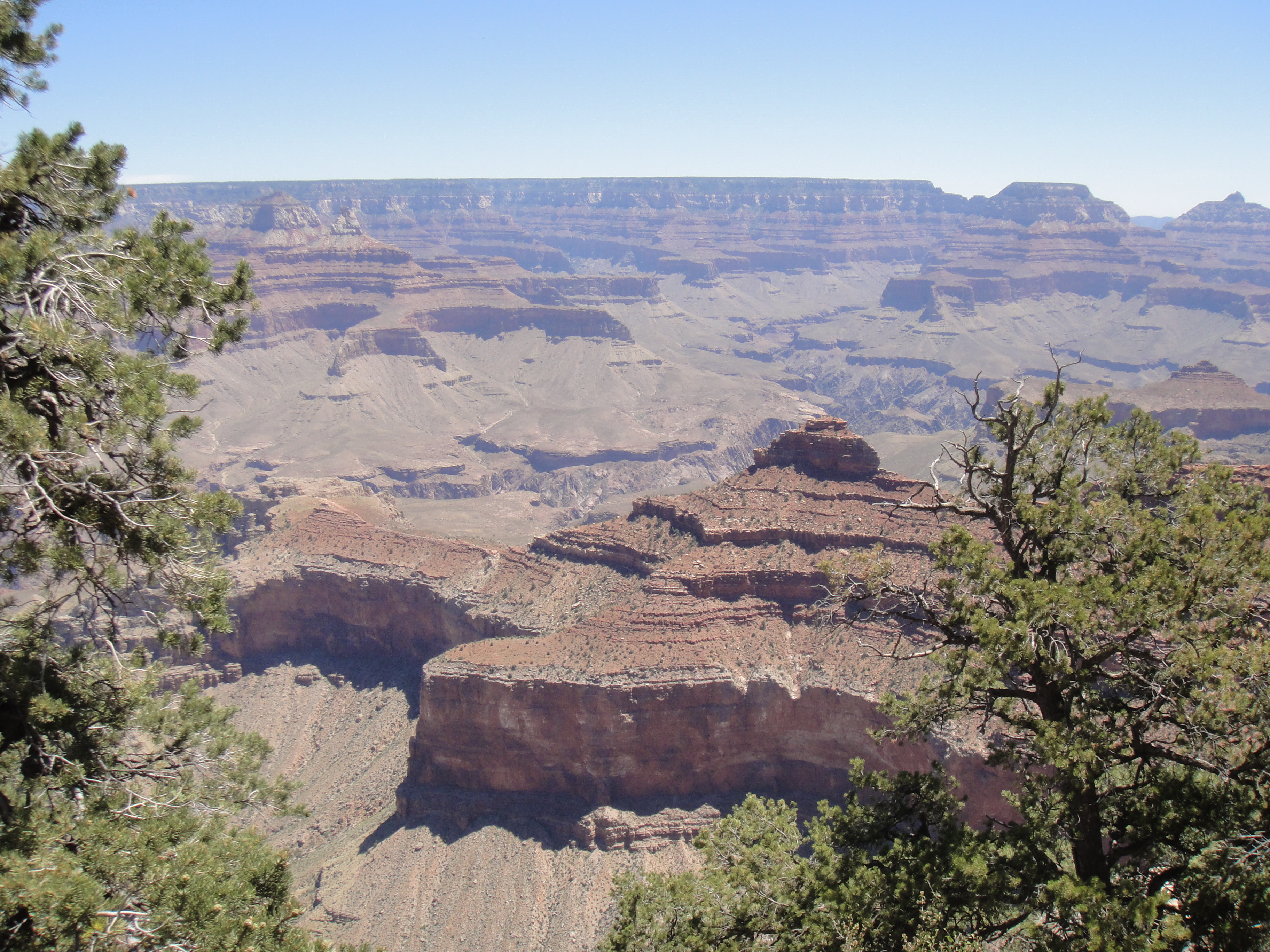
The Grand Canyon – One of nature’s most awesome accomplishments, the canyon is almost too big to comprehend from the rim. It needs to be hiked or flown into to understand how grand it is. My nephew was lucky enough to camp inside of the Grand Canyon, and it’s something he will always remember. Most don’t know that a Native American community lives on its floor.West 2010 309

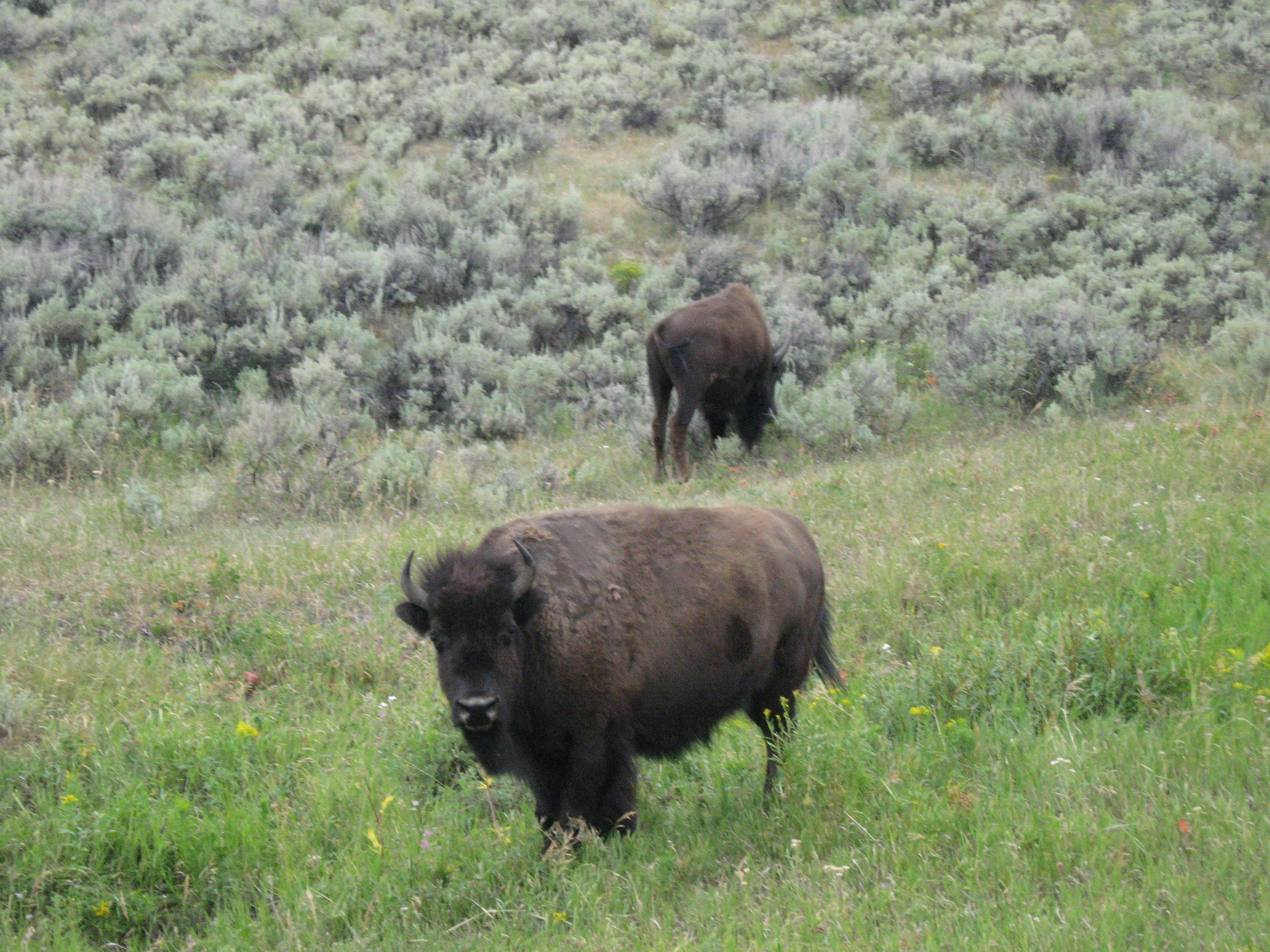
Yellowstone – I have been to Yellowstone numerous times, and there are almost too many things to see. Natural wonders are everywhere. Last year, the guys in my family took a trip to Montana and dipped into the northern edge of the park. We didn’t see geysers on this trip, but we did see buffalo.Montana 2012 and Other Stuff 302

I’ve been lucky to make it to those, and, hopefully, I’ll make it to a few more, some day.

To Yellowstone and Beyond

17 Aug

Our last full day on the trip was a good one because went to my favorite place, Yellowstone National Park. We didn’t have time to go into the heart of the park and see the geysers. However, just entering its borders provided a feeling of being somewhere special.

We exited the interstate at Livingston, Montana, famous for being the filming location of A River Runs Through It. Livingston is a small town that can easily be turned into a scene from the early 2oth Century.

This church can be seen in the movie.

Before it became a movie locale, Livingston was known as the “Gateway to Yellowstone”, as travelers disembarked at its train station to take coaches into the park. Although, the north entrance has little traffic today, at one time this is how everyone entered Yellowstone. It’s ease and its history makes it my favorite way to go in.

The road out of Livingston follows the Yellowstone River through a valley filled with farms, ranches and vacation homes. We passed livestock and people fly fishing. As everyone took in the scenery, my mind drifted into the past. I was last in Yellowstone fourteen years ago. I had spent some time doing research in Butte and decided to spend my last weekend at the Old Faithful Lodge. It was a different time and place in my life, and I couldn’t help but think how much things have changed.

Finally, we made it to the gate that, at one time, everyone went through.

Gateway to Another Dimension – a Dimension of Natural Wonders

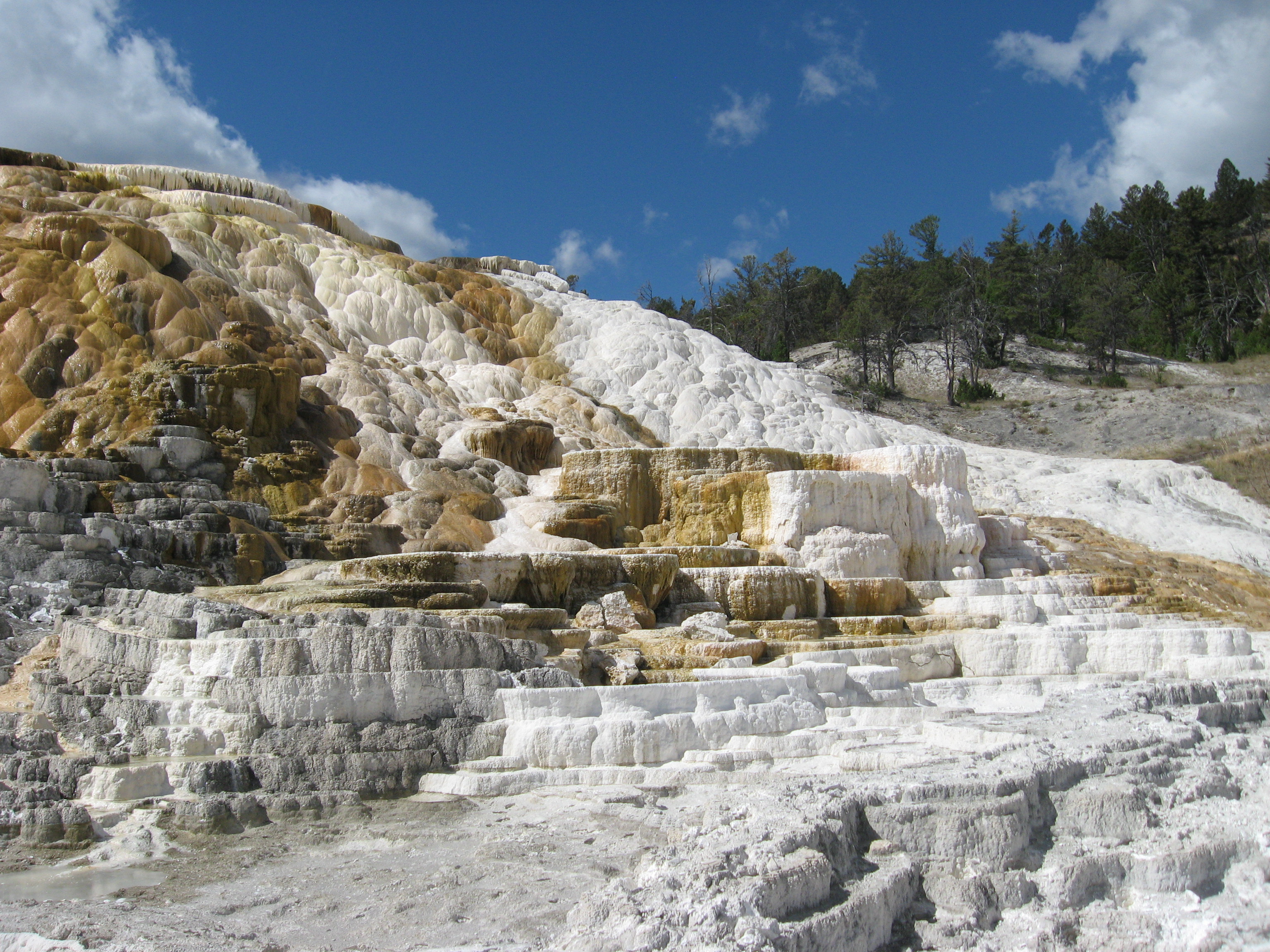
This led us to Mammoth Hot Springs, one of the park’s least appreciated wonders.

It looks better than it smells.

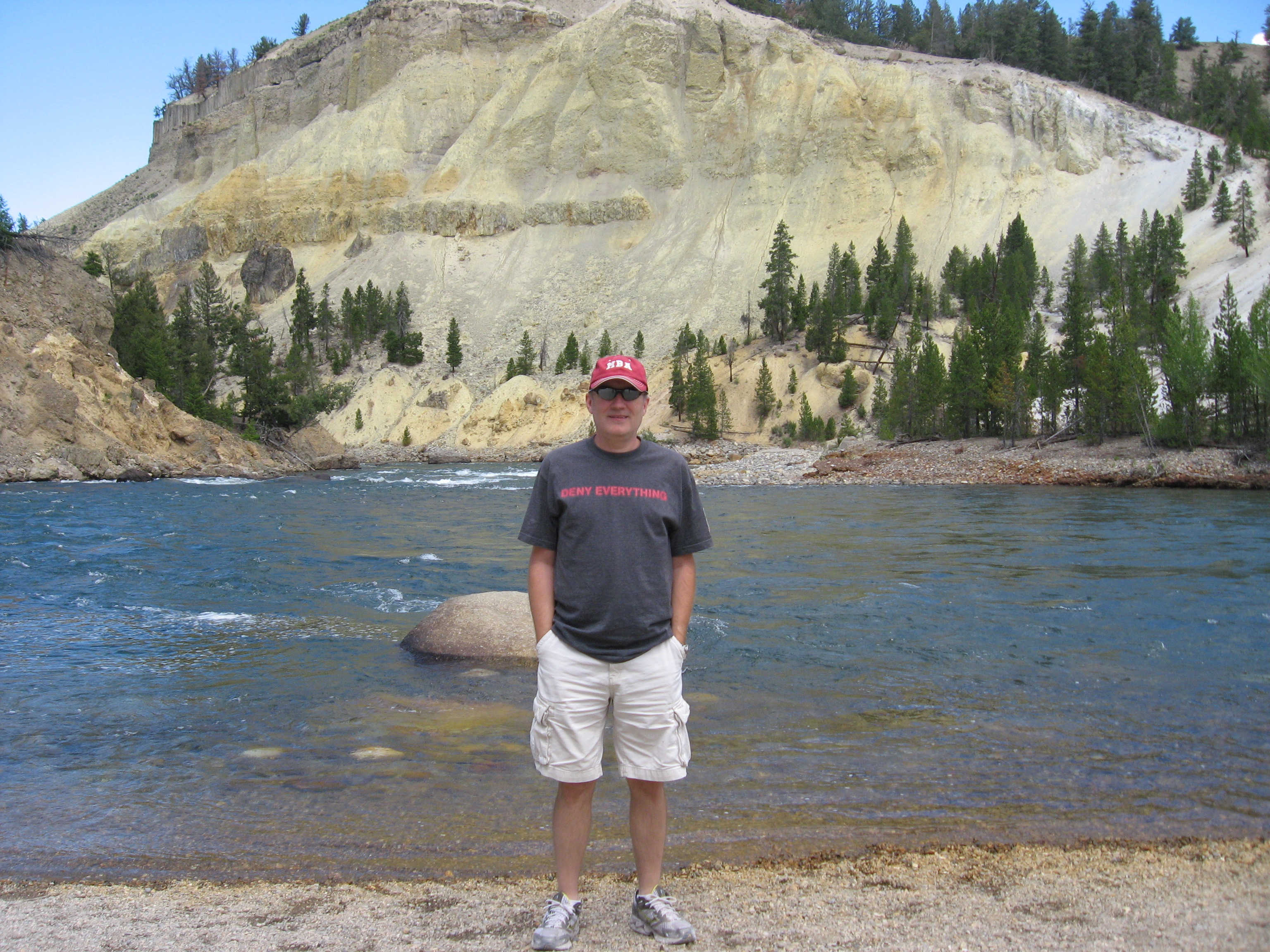
After walking the planks around the hot springs, we had lunch at the Roosevelt Lodge, where a Tennessee girl was our waitress. It was nourishment, but that’s about it. But, I needed it because I hiked with my nephews at Tower Falls. Going down was a lot easier than coming up. However, we got some good pictures.

Tower Falls

Proof that I hiked to the river.

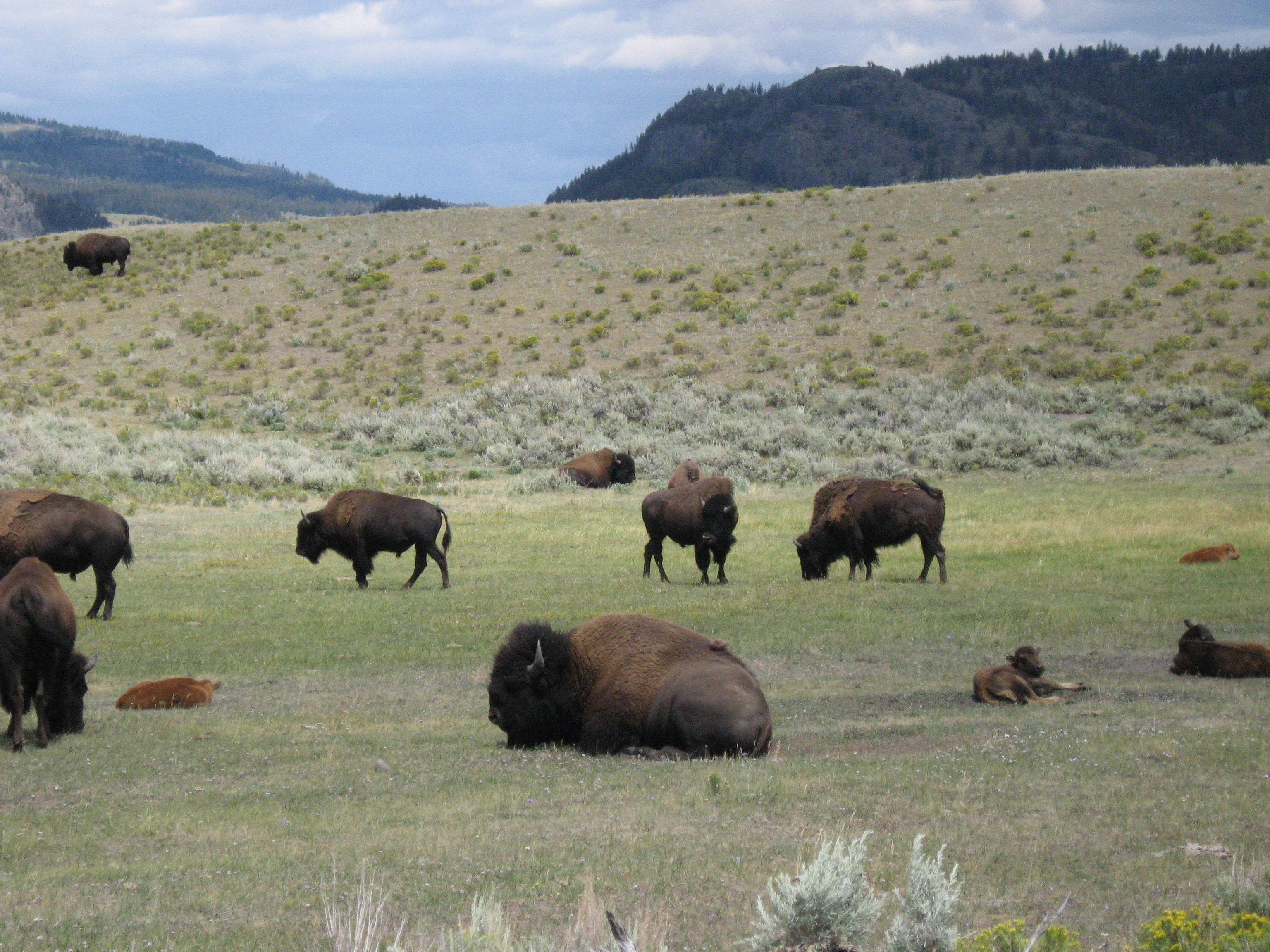
We left the falls and drove toward the park’s exit and Cooke City. From the back seat, I said, “This is the first time I have ever been to Yellowstone and not seen buffalo.” Around the next bend, we saw buffalo, the best thing in the park, and my trip was complete. There is nothing that provides me with the feeling of the West like seeing these majestic creatures, the ones that were almost extinct.

There was once millions of buffalo throughout North America.

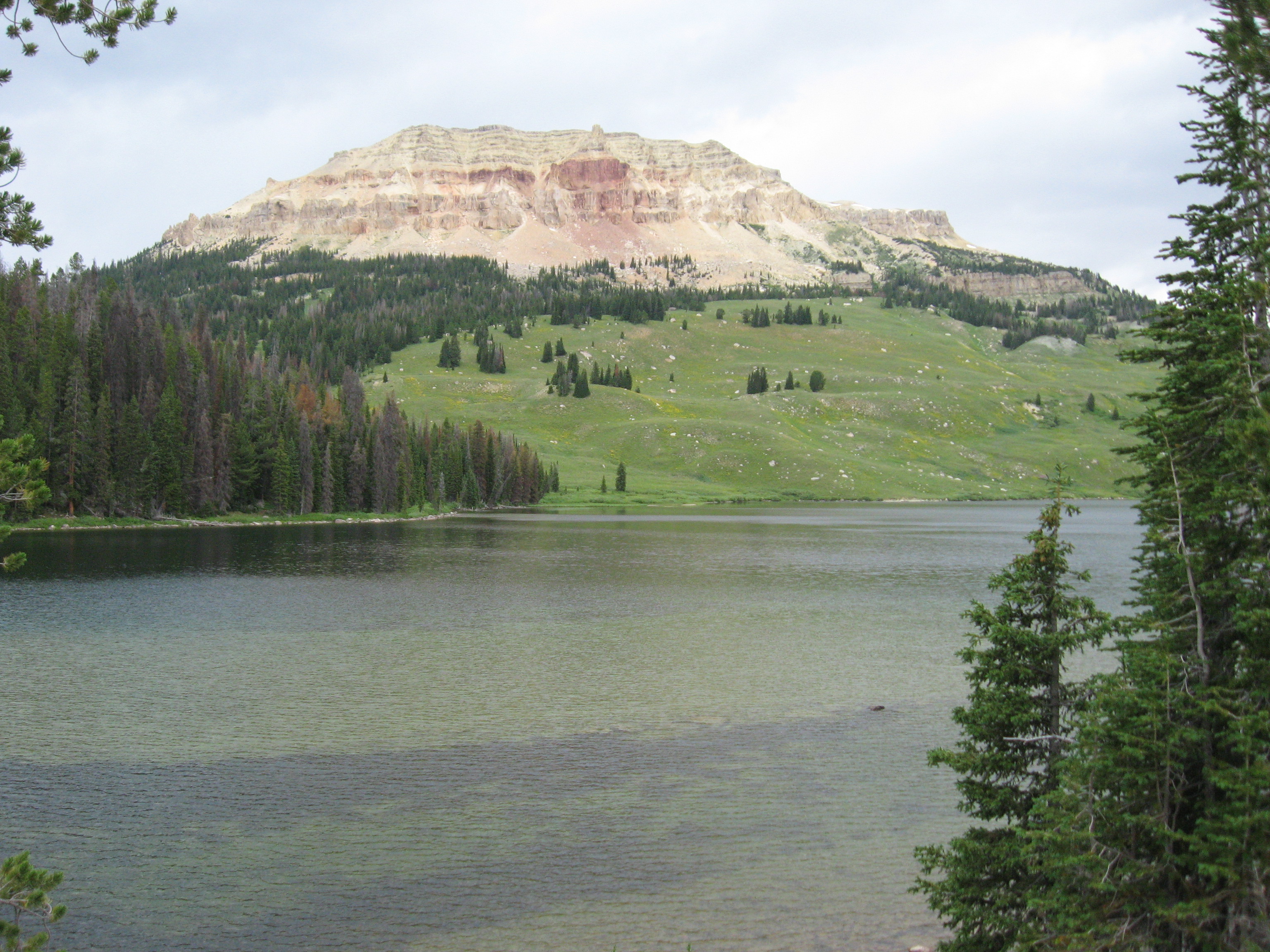
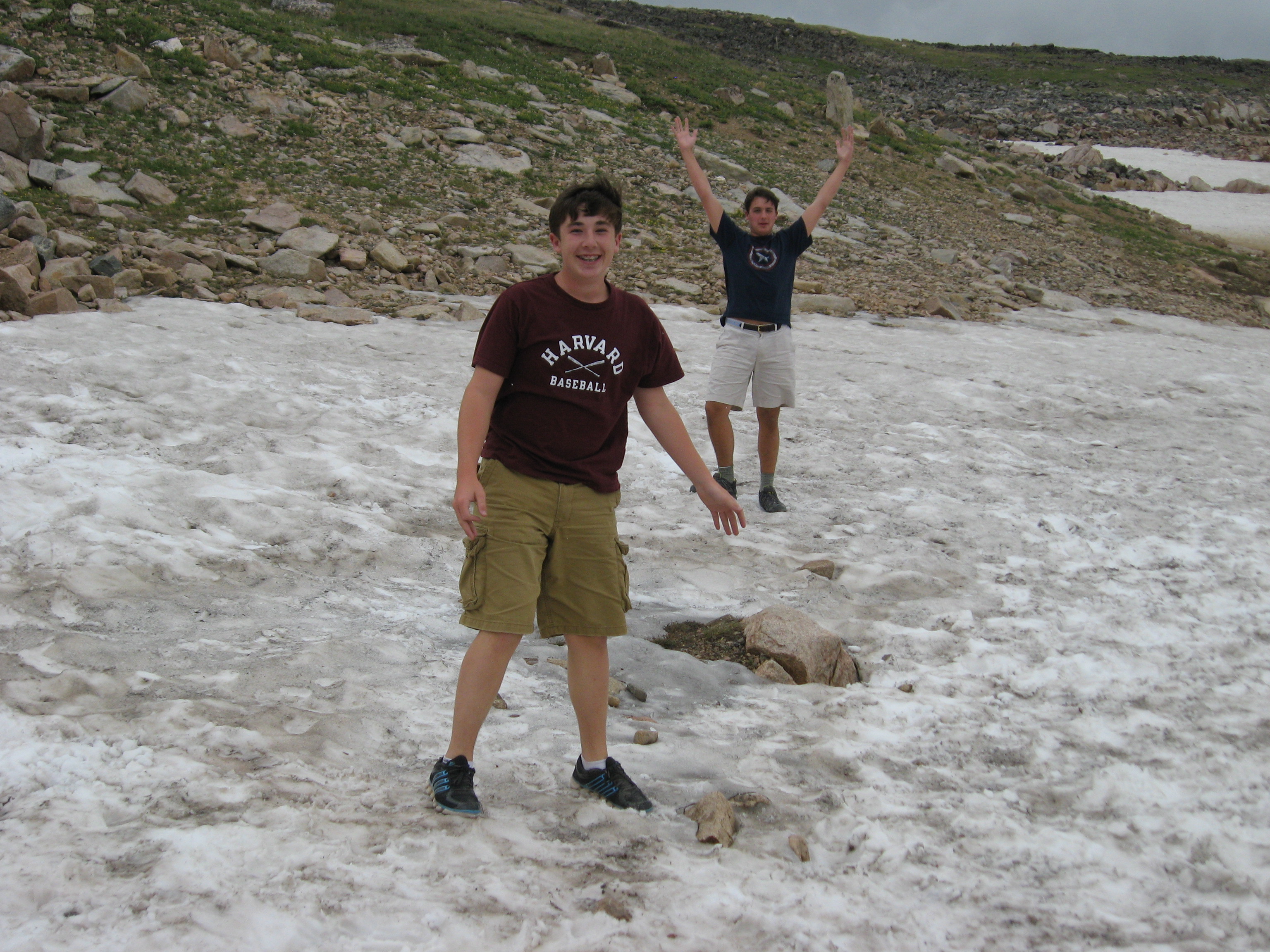
We stopped in Cooke City for a short break before driving on. We knew that there was a beautiful drive ahead, and I seemed to remember going that way on my previous trip. However, we were not prepared for what was about to happen. We went winding up and up until we reached an elevation of 11,000 feet. It’s one of the highest roads in the United States. As we went up, the air got colder and the sky got darker. Before we knew it, we were above the tree line, and it was snowing. Pictures can probably describe it better than I can.

That’s some cold water.

Only George Custer would have a national forest named after him that had no trees.

Remember, this is early August.

As my nephews played in the snow, my dad, my brother and I were wanting to get off this mountain as fast as possible. We finally did that and found ourselves in Billings, the city where the trip began. We even got the same hotel rooms that we had on the first night. After checking in, we ate at Jake’s, in downtown Billings, and talked about the past week.

We all had a great time and saw some great places. However, the best part of the journey was completing it together.

To the Sun and Across the Great Divide

13 Aug

We left Great Falls and moved north toward Glacier National Park. Keeping with the plan, we skipped the interstate and went up Highway 89, one of those dotted roads on the map that signifies a scenic drive. We were not disappointed with the landscape, as we passed agriculture of all types and a few cyclists, which we did not anticipate in such an isolated place.

It wasn’t long before we entered the Blackfeet Reservation. I can always tell when I enter a reservation because the entire atmosphere – air, land, roads – becomes more depressed. It’s as if the fog of history has never lifted from the lives of Native Americans.

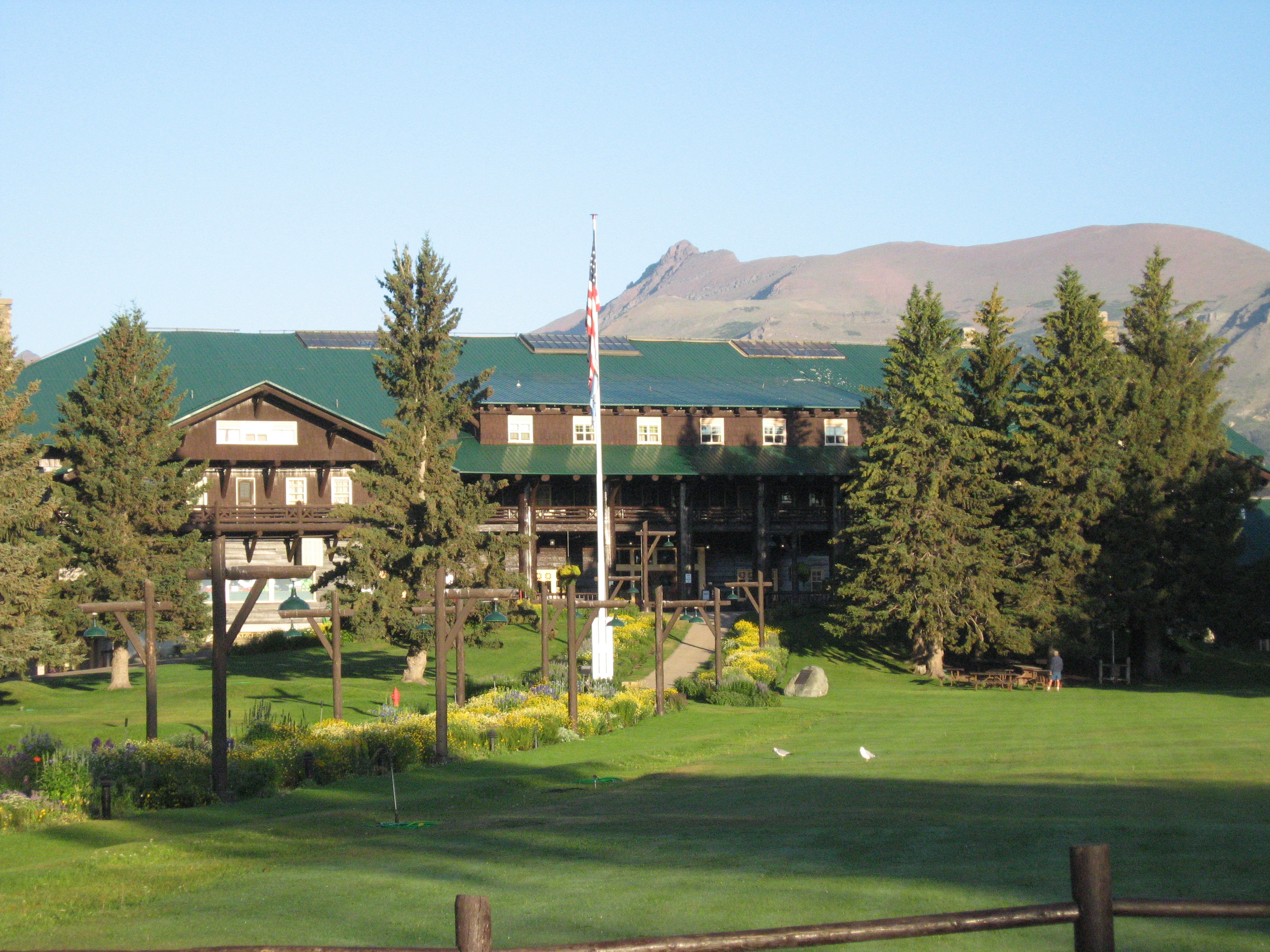
Our destination was the Glacier Park Lodge, and there were some concerns from the group about our accommodations. Lodges, both around and within national parks, tend to be remnants from the turn of the last century and are built in the Victorian rustic style. I have no problem with this, but a few of us have issues with staying in hotels that are a century old. Also, these lodges have some rooms without bathrooms. Instead, there is a communal bathroom at the end of the hall.

I must admit that I was wondering what we were getting ourselves into. None of us should have been worried. The Glacier Park Lodge was a great place to spend an evening. We were not even concerned that the rooms had no televisions.

I thought I would see Jack Nicholson busting through a door. Luckily, that didn’t happen.

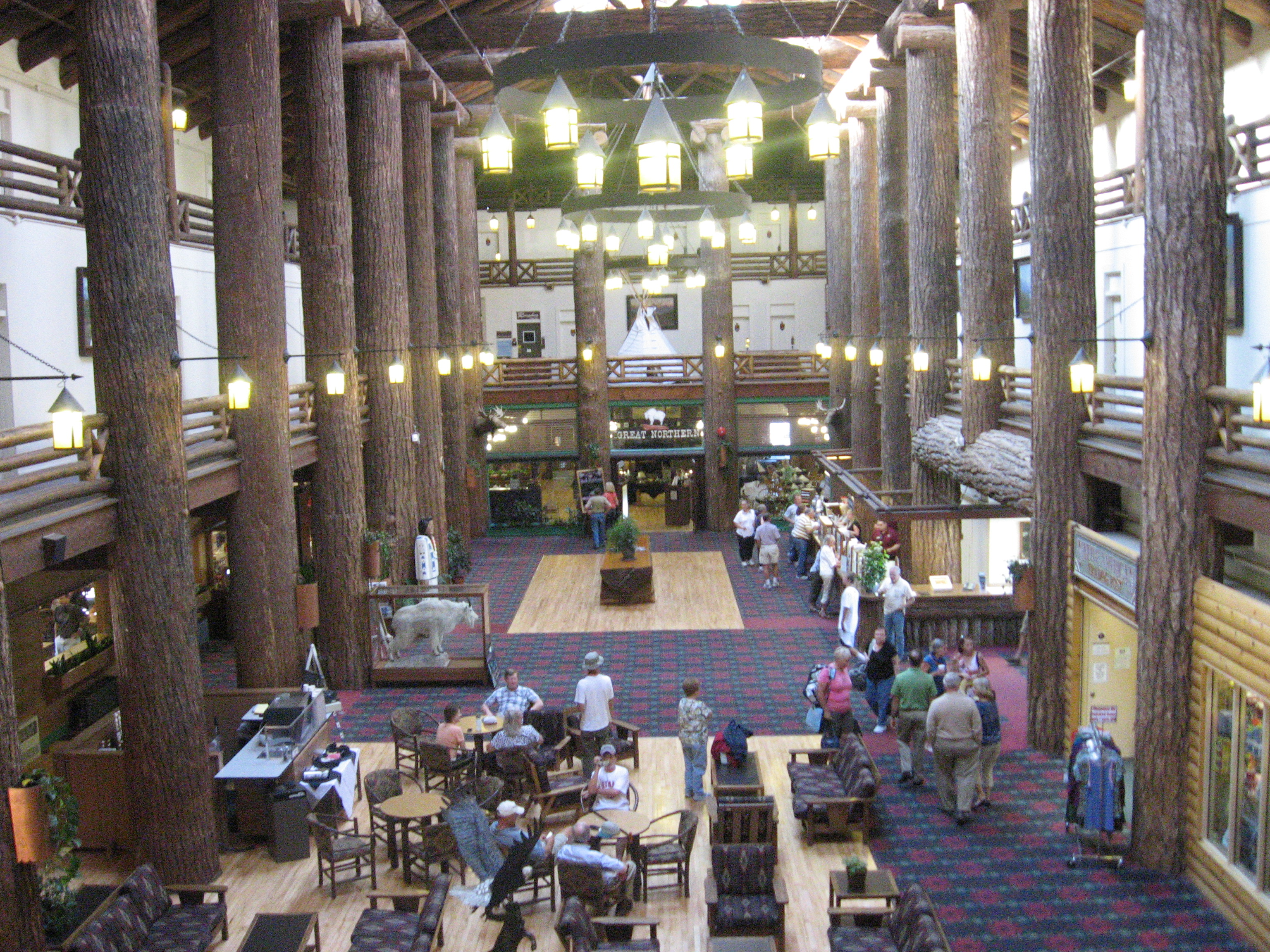
The lobby, where everyone hung out because of the “NO TV” rooms, was awesome.

I want a room like this is my house.

The view from the back porch was also pretty good.

I also want a view like this from my deck.

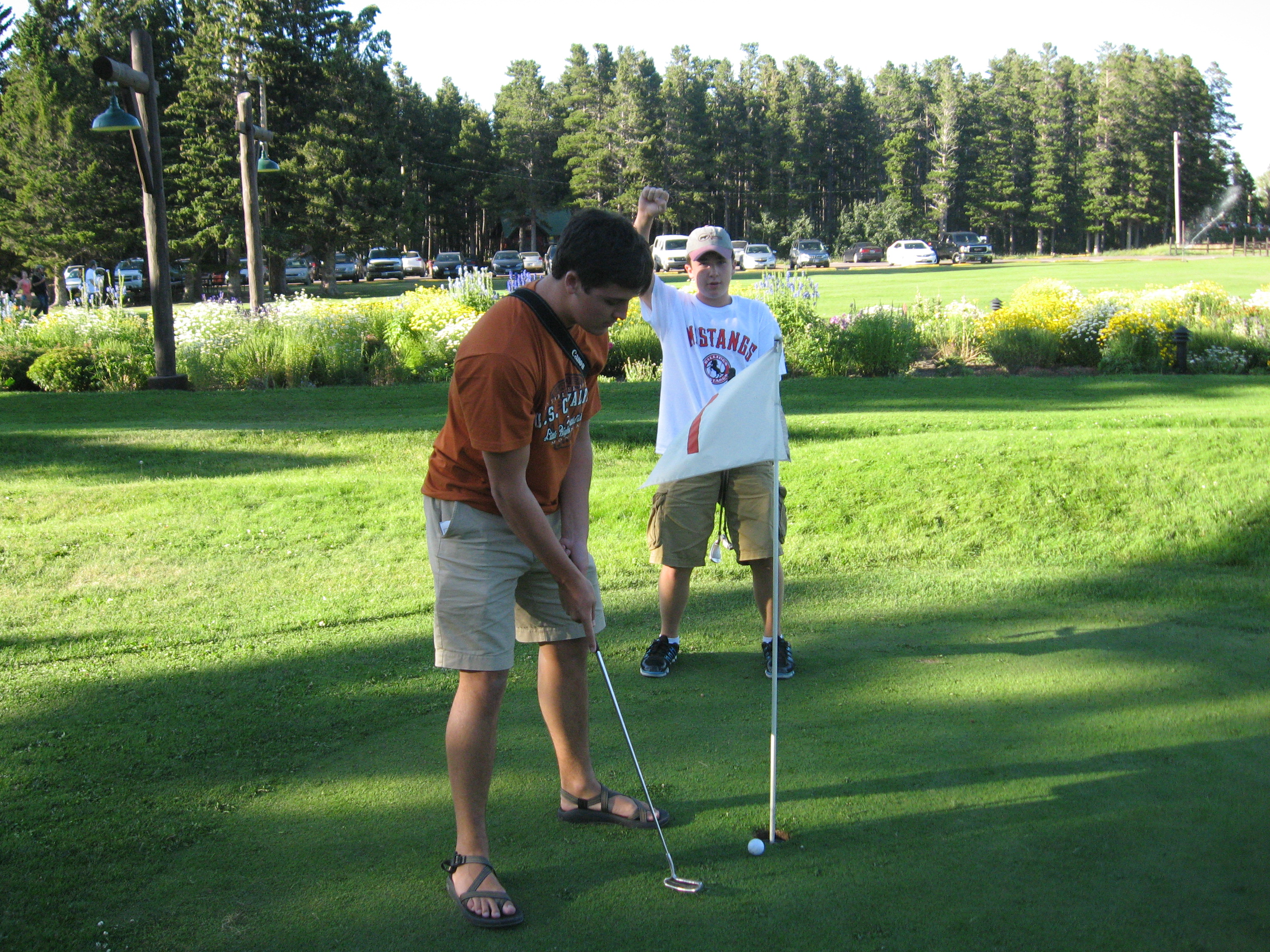
After checking in, we had a little time for me to show my nephews how to play pitch-n-putt.

He has this putt to win The Masters.

Overall, the Glacier Park Lodge was a great place, but there was a somber reminder that national parks contain dangers as well as beauty. The front desk was plastered with information of a missing hiker. He had been gone for a few days by the time we arrived and had not been found when we flew home.

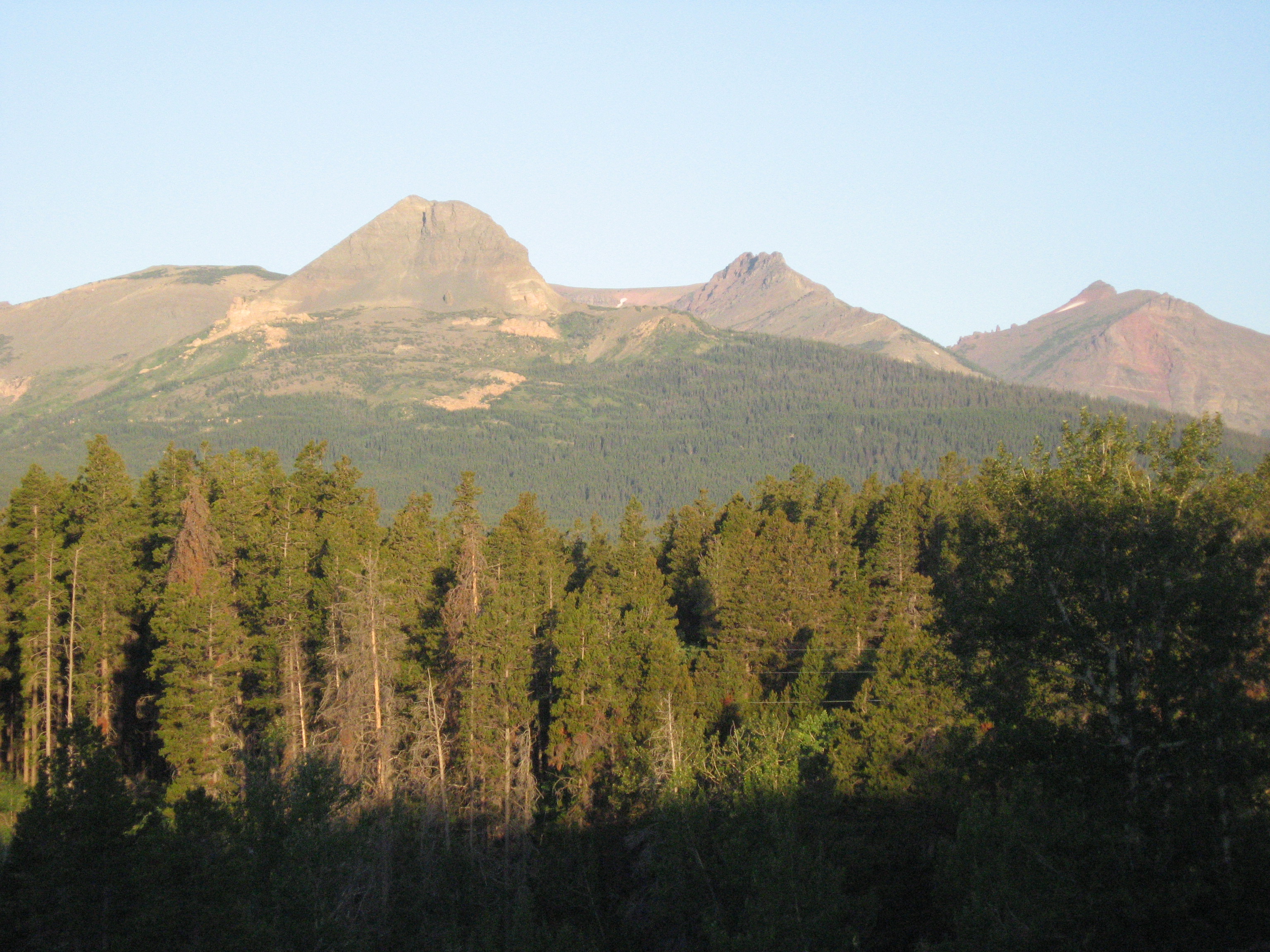
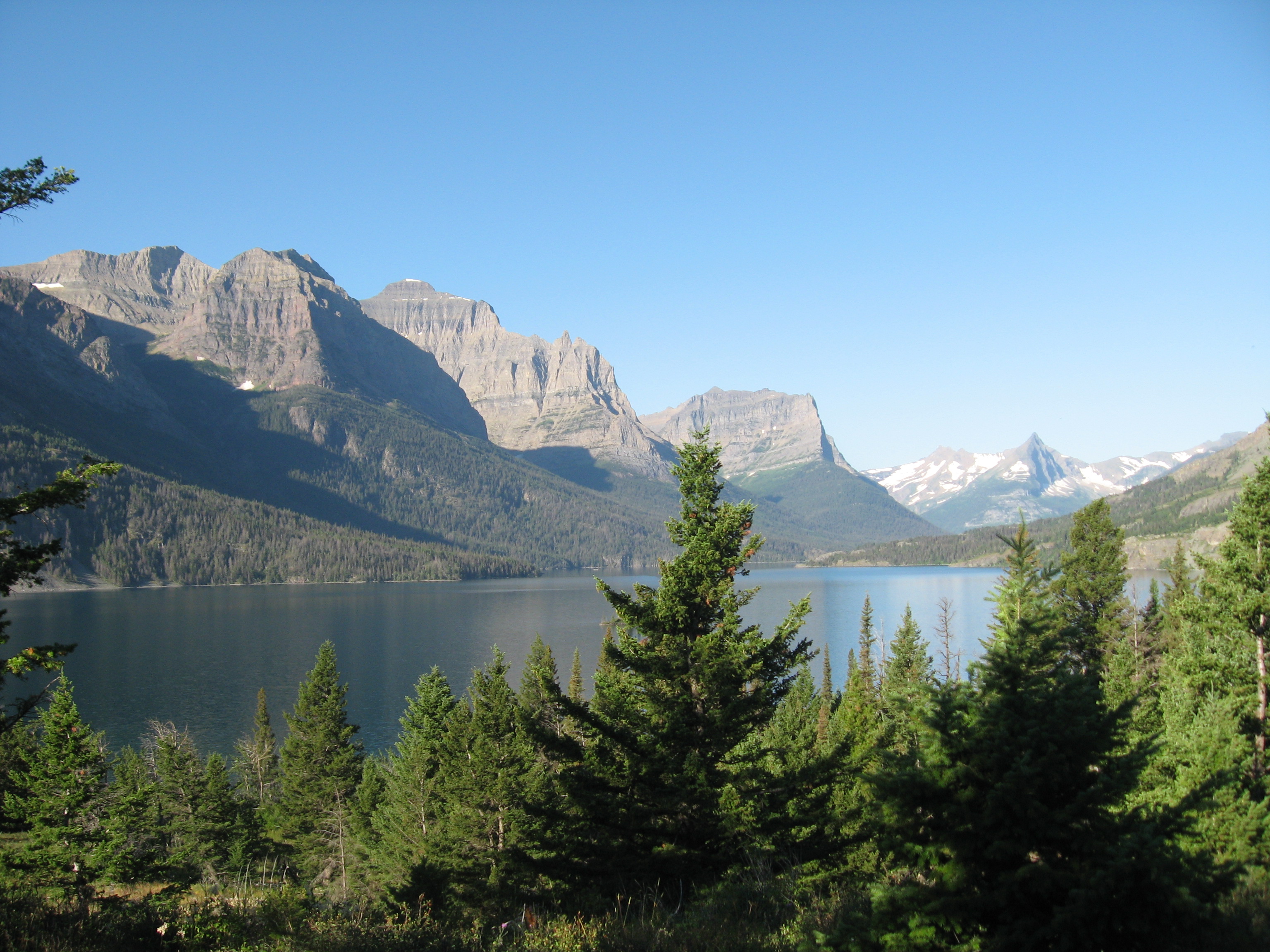
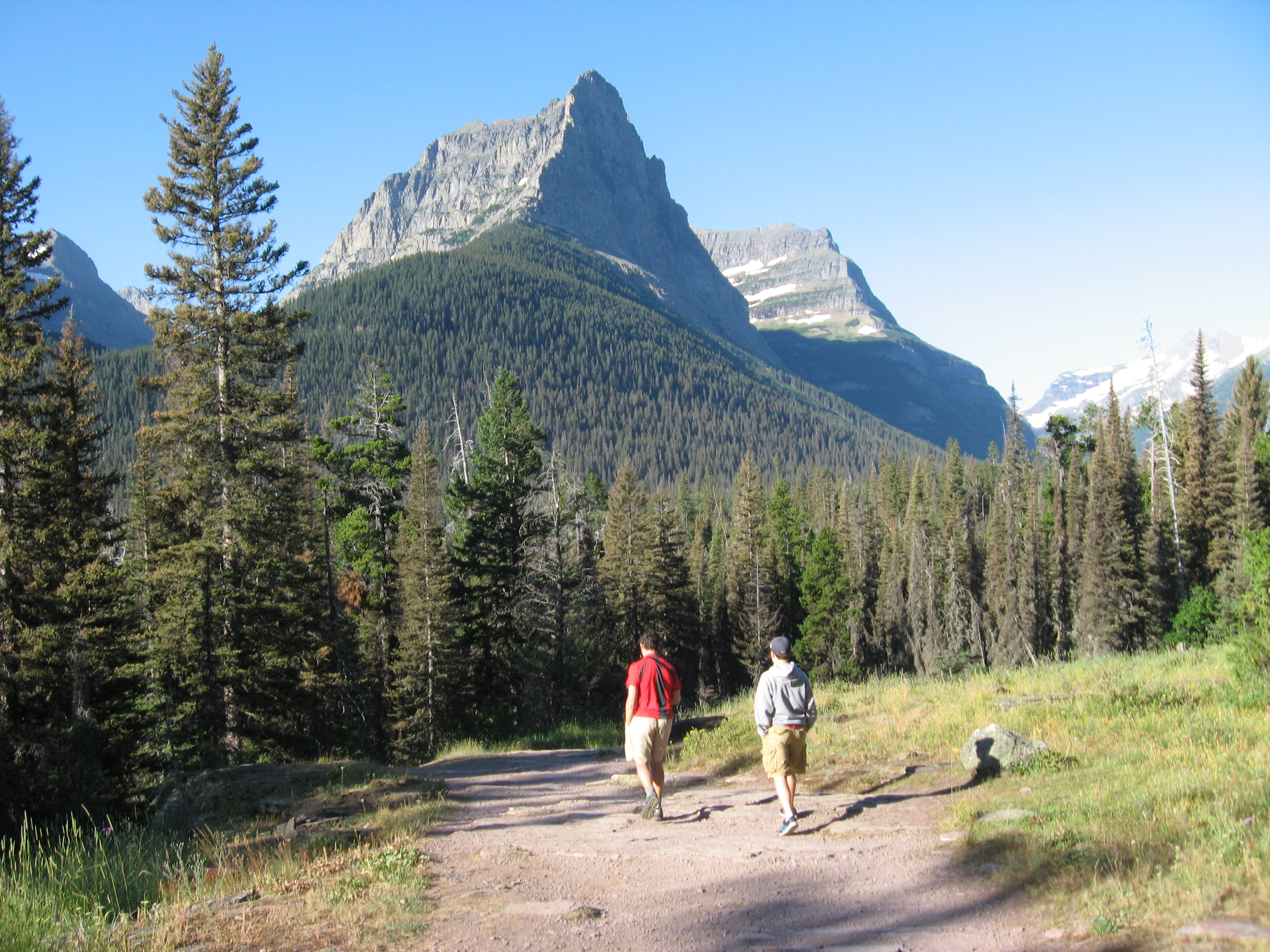
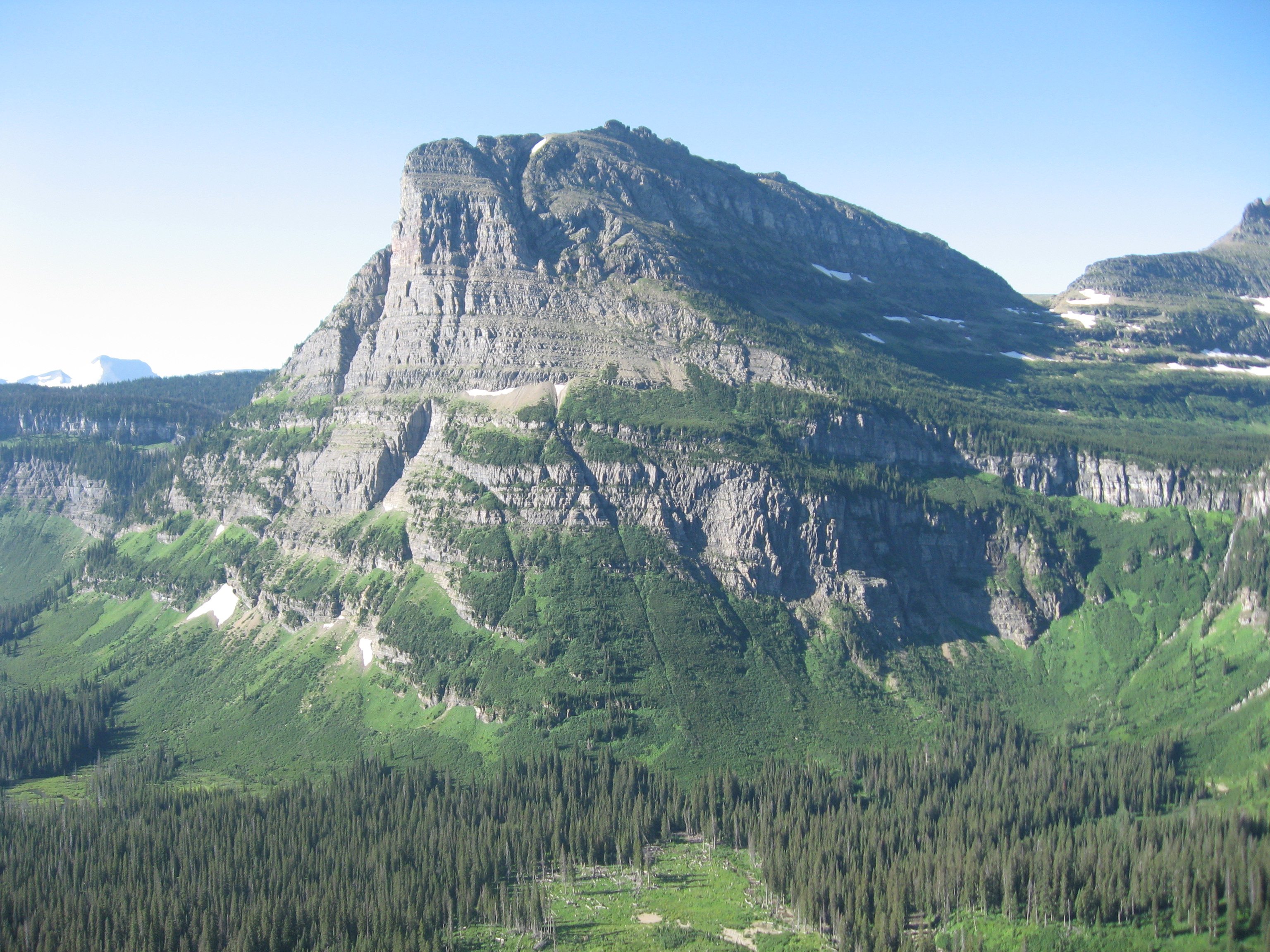
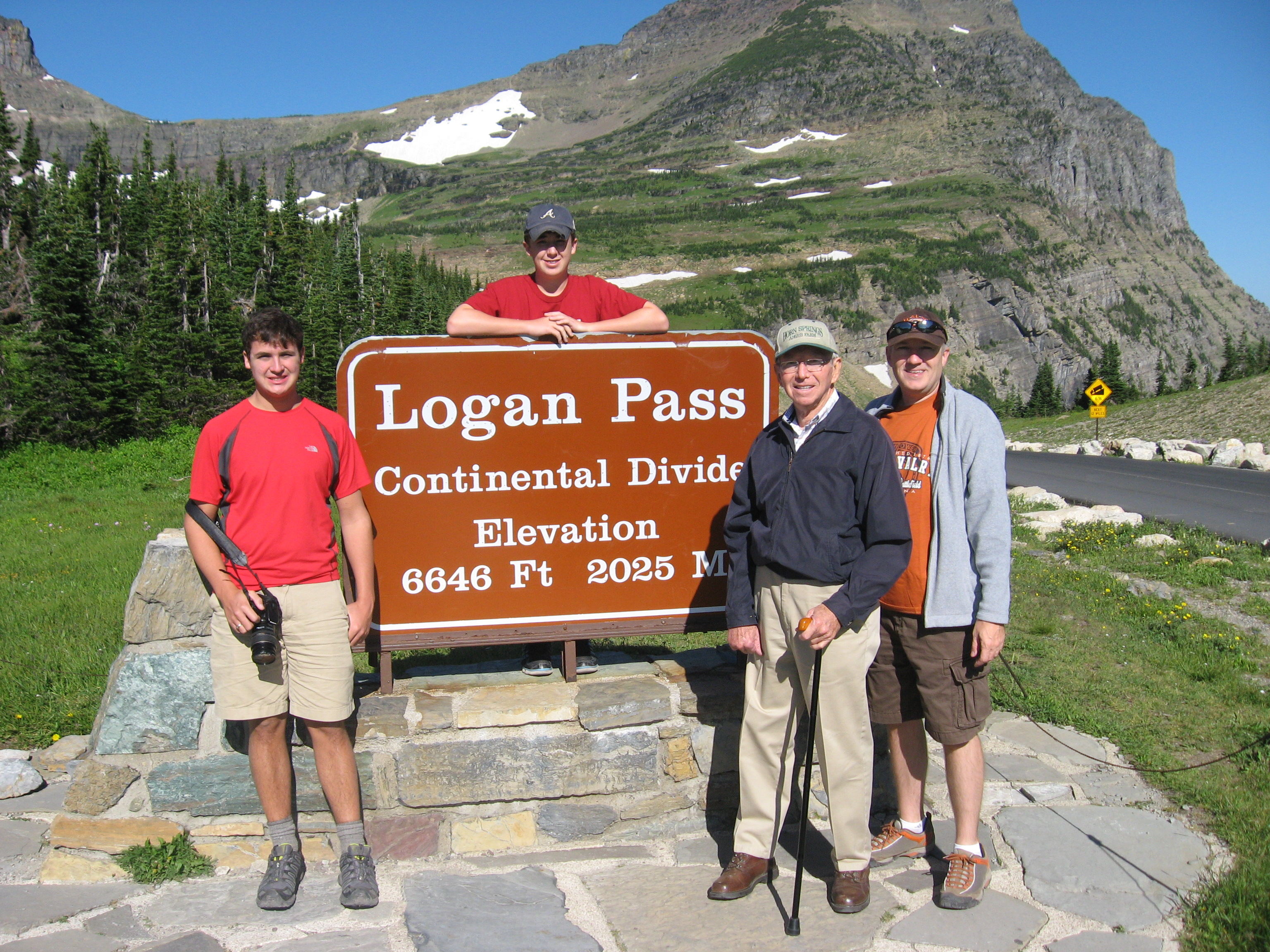
The next morning we ventured into the park but not before there was a struggle over which way to go. My dad and brother were convinced that we needed to turn right. My oldest nephew insisted that we go left. My nephew was right. We made the correct turns; made it to the eastern entrance; and, drove on the Going-to-the-Sun Road. Words can’t describe its beauty, so I will let a few photographs do the talking.

Along the way, we crossed the Continental Divide.

We did it just like Lewis and Clark.

I have some advice for those thinking about going to Glacier. Enter the park from the east because there is a lot less traffic that way.

Oh yeah, I almost forgot. We had a nice lunch at the western entrance to the park. I thought my nephews were getting bored with the ride, so I bought them something to read. It was the literary classic, “Who Pooped In The Park?”. They thoroughly enjoyed it.

Pueblos, Pottery and Captain Vla

22 May

I have returned from the sojourn into New Mexico with fellow faculty and a class full of students. Fun was had by all, and it would be impossible to cover everything we did in a blog post. With that in mind, I will provide a brief synopsis by describing my favorite activities from each day. Hopefully, this will provide an entertaining glimpse into our adventures.

Day 1 – The beginning of a trip is always the best part of the first day. The students are anticipating the places that they have yet to see, and the teachers are anticipating the return to an interesting part of the country.

Day 2 – We can’t drive vans to New Mexico in one day, so we check out some things along the way. My favorite part of the second day is driving through Hereford, Texas, the citizen-proclaimed “Beef Capital of the World”. I don’t know if that is true, but there are definitely more cows in Hereford than there are people. Holding pens line the highway and railroad as thousands of head of cattle wait to be shipped to the plates of America. The students could only discern the smell, but I find the beef industry, both its past and present, interesting.

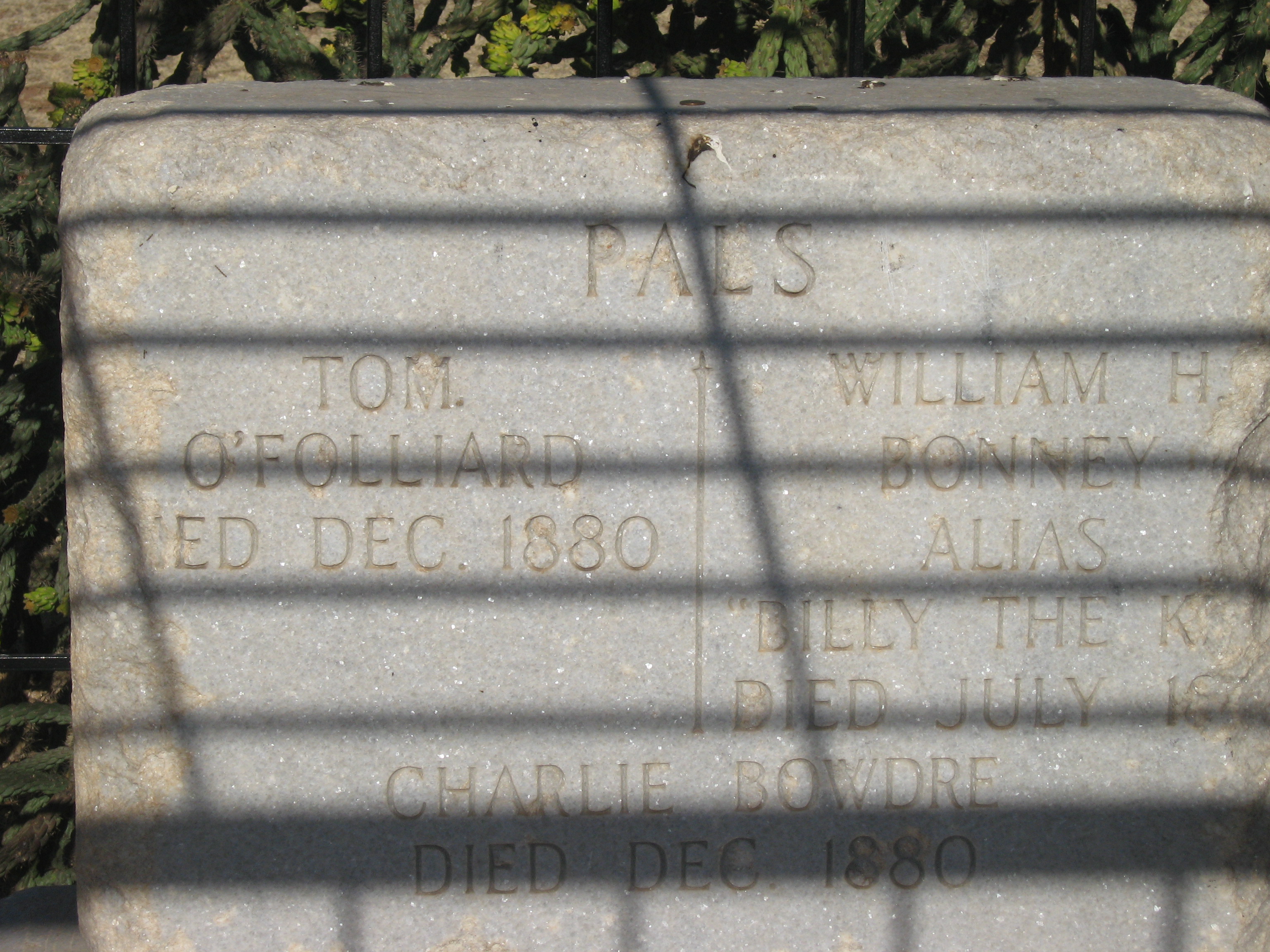
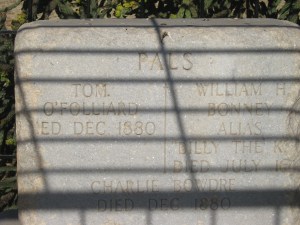
Day 3 – We made it to Santa Fe, our ultimate destination, later this day, but we had one stop along the way where I had the chance to talk about some history where that history took place. Billy the Kid is buried in Fort Sumner, New Mexico. Well, most people think he is buried there. Conspiracy folks believe he survived instead of being killed by Pat Garrett. Anyway, I was able to tell the students about Billy the Kid next to his grave.
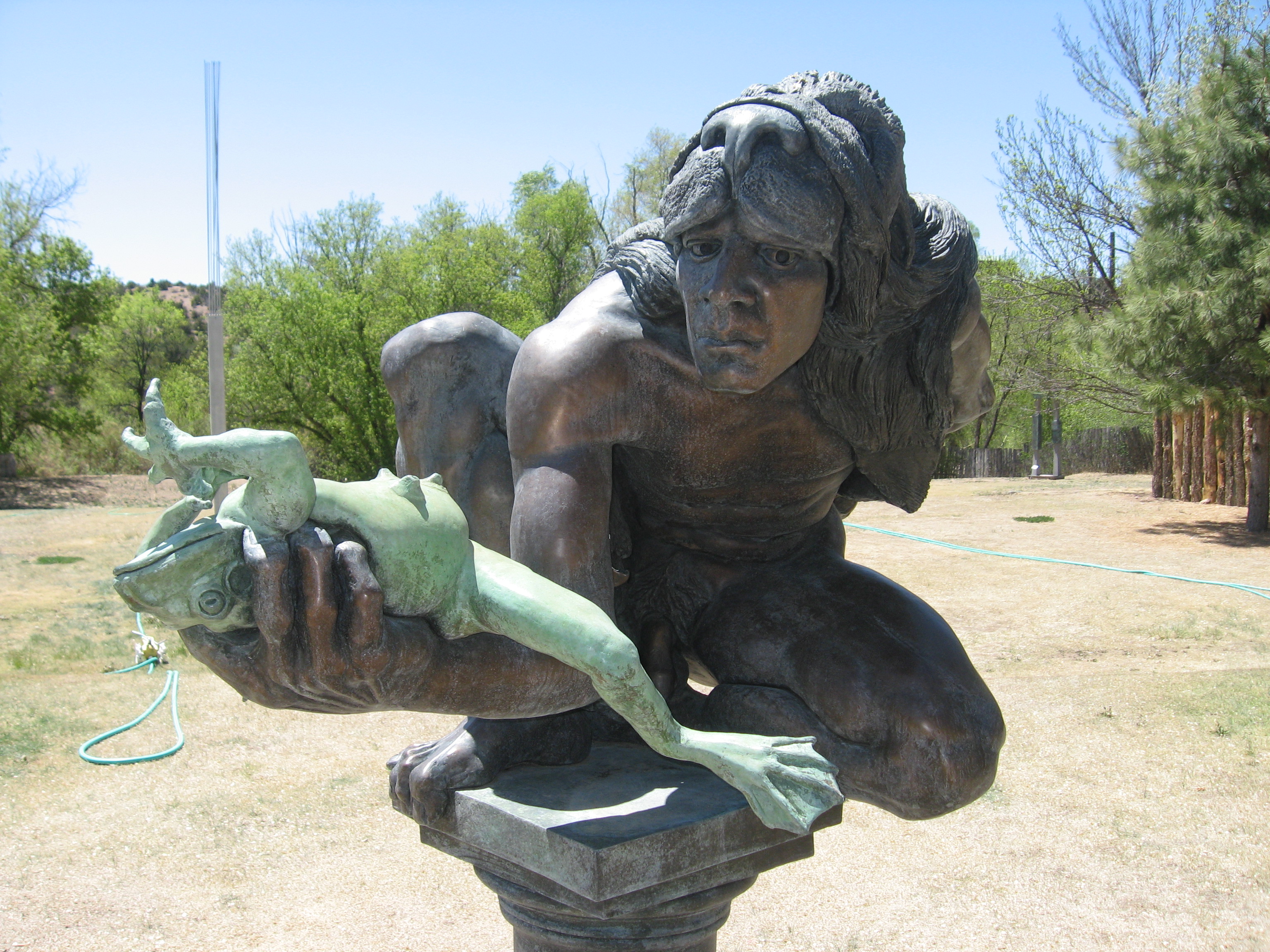
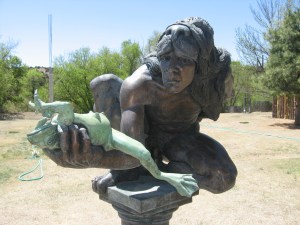
Day 4 – Our plans to hike Chaco Canyon were rained out, and our leader had to develop a day full of activities on the fly. We went to the Santa Fe plaza, but my favorite part of the day was spent at the Shidoni Gallery. The building and surrounding grounds are full of metal artwork that has been forged at the on-site foundry. It is interesting to see what people consider art and the prices they are willing to pay for it.
Day 5 – On this day, we went to a few places that we had never taken students before. The Very Large Array, or VLA, was the best. This is a series of giant satellite dishes used to study the far reaches of space. I don’t have a good picture of these, but if you have seen Contact with Jodie Foster, then you have seen the VLA.

It was cool to walk around them, but the real fun was on the periphery. On the way, we drove through sunshine, rain and hail. On the way back, we drove through snow. This is the first time we have seen precipitation in New Mexico – much less three different kinds. Also, one of our students, with my help, began calling himself Captain Vla. He imagined himself a superhero who could fly through space, powered by the satellite dish that emerges from his butt. His only weakness would be his limitation to travel by rail while on Earth, just like the VLA dishes. He even had a theme song – Super hearing! Super sight! He can travel through space at the speed of light! (For those readers who know the students who went, I will give you one guess who turned himself in Captain Vla.)

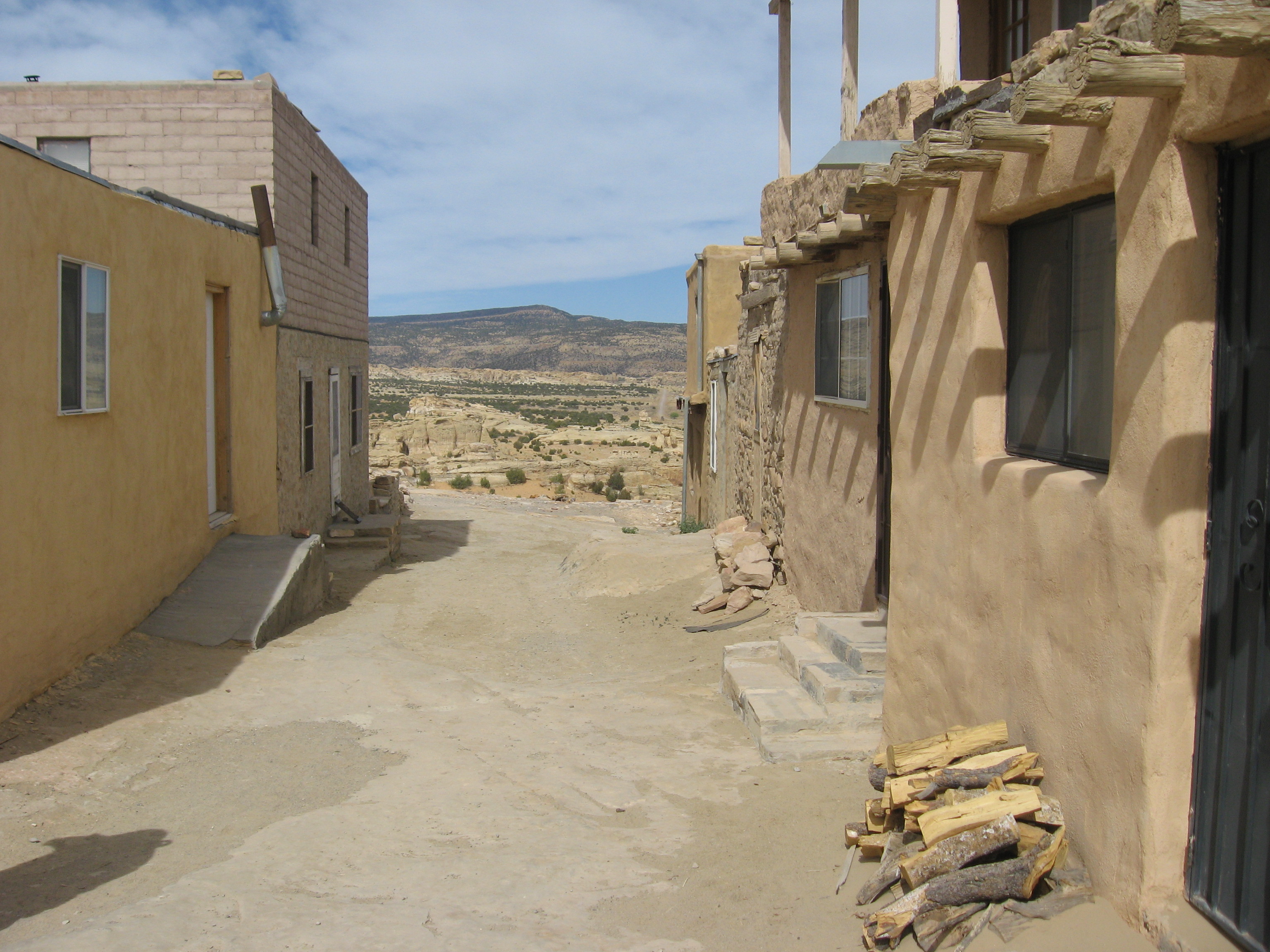
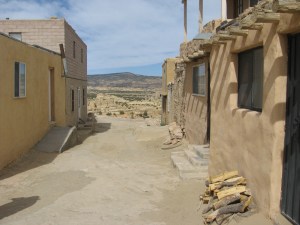
Day 6 – We visited my favorite place on the entire trip, the Acoma Pueblo. The oldest continually inhabited place in the United States, Acoma is located on top of a mesa and has a history of survival from the elements and European invaders. Native American docents take groups on a tour through their pueblo and their culture. Along the way, tourists can buy pottery from local artisans. One of our teachers, who shall remain nameless, buys pottery from the same lady every time we go. He also gets a hug.
Day 7 – We always eat well in New Mexico, and this trip was no different. The New Mexican cuisine is wonderful, especially the sopapillas that are always served for dessert. On the seventh day, we ate at Rancho de Chimayo, one of the great restaurants of the area, but dining was not the only enjoyment. There is a pottery shop inside, and two of the faculty members on the trip are addicted to buying Pueblo pottery. It so happens that the shop had a pot that they were lusting after. As they bickered back and forth about which one was going to purchase the $1,400 piece of pottery, the third teacher, not me, stepped in and said he would buy it. They both stood there with their mouths hanging open.

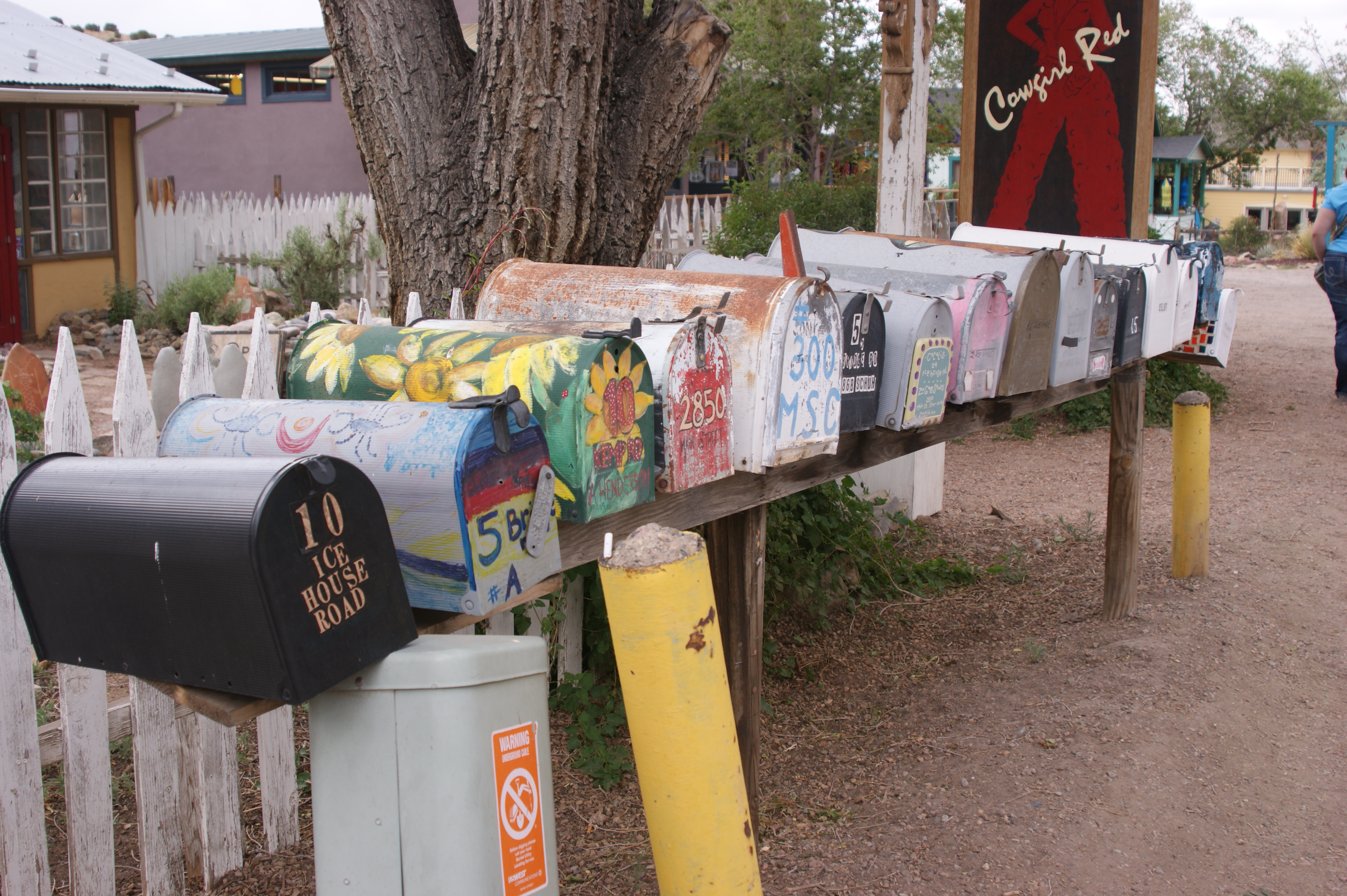
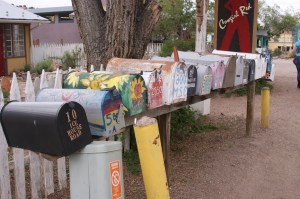
Day 8 – This was an easy day with little driving and little expended energy. Believe me when I say that everyone was ready for it. We were also ready to visit Madrid, New Mexico, an old ghost town that was resettled by flower children in the early 1970s. It is like going back in time to a place where peace, love and other things were still possible. The guys found a blonde in the ice cream parlor/art gallery that they wanted to find peace with. I found the first person to move to Madrid in 1973 and had a discussion about his life.

Mel Johnson was a dean at the Art Institute of Chicago and gave that up for a life in Madrid. In the following years, other people followed him until the town was filled with artisans and free-thinkers. Before I left his studio, I had found an interesting story and bought a painting.
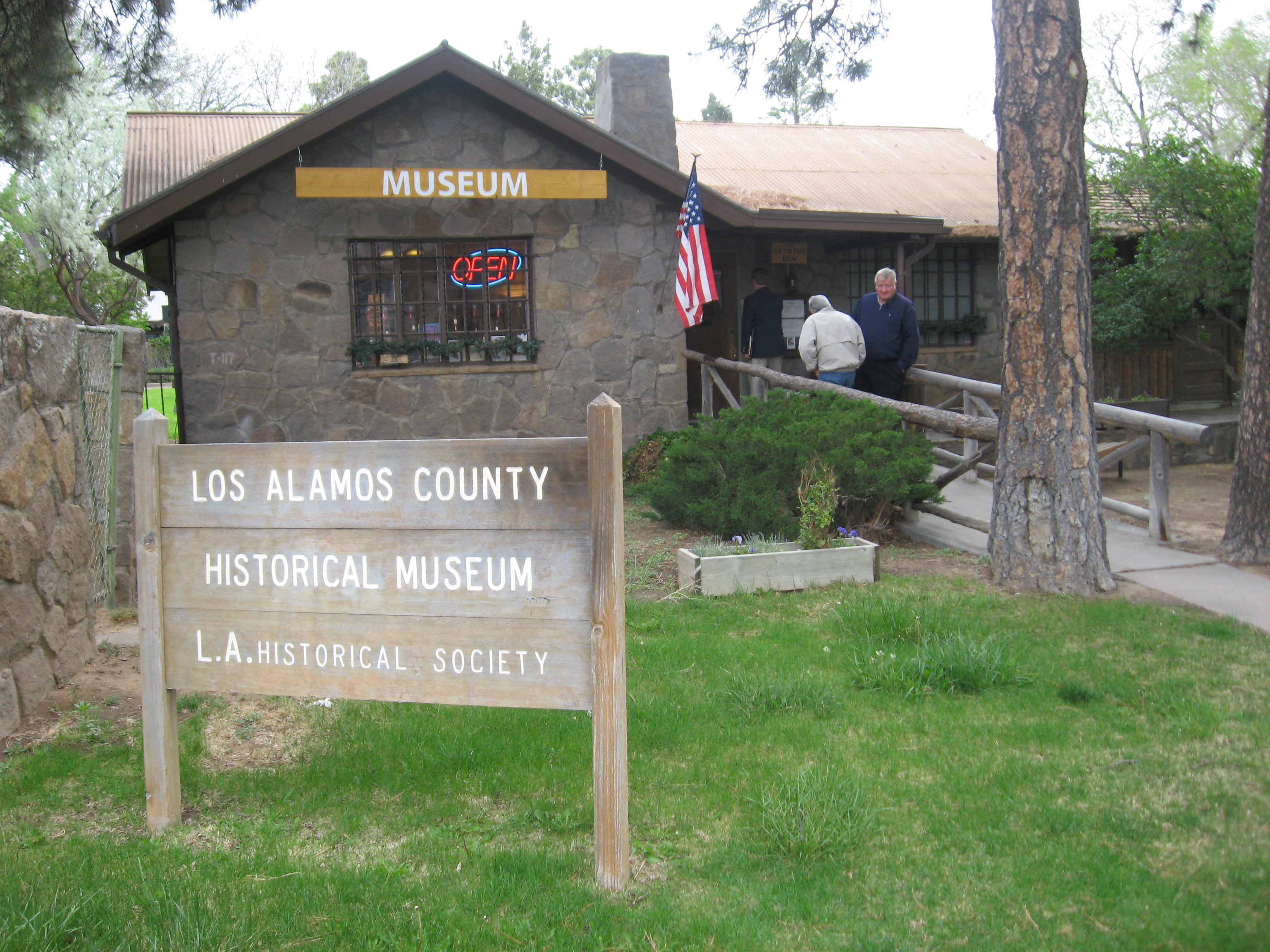
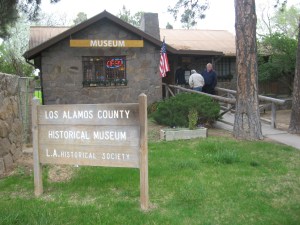
Day 9 – Once again,  I was able to talk about history where it actually took place. We visited Los Alamos and a museum that is housed in the only remaining building from the days of the Manhattan Project. I find World War II history interesting and have a special interest in the building of the atomic bomb. One reason is that Oak Ridge, Tennessee was one of the secret locations. Another reason is that my mom’s uncle worked in the Manhattan Project and told a lot of stories about it. People have different opinions about the use of the bomb on Japan, and it is great to discuss the different views of the students. In the end, we agreed that hindsight is 20/20, and we can’t place that hindsight on people who were making decisions in the moment.
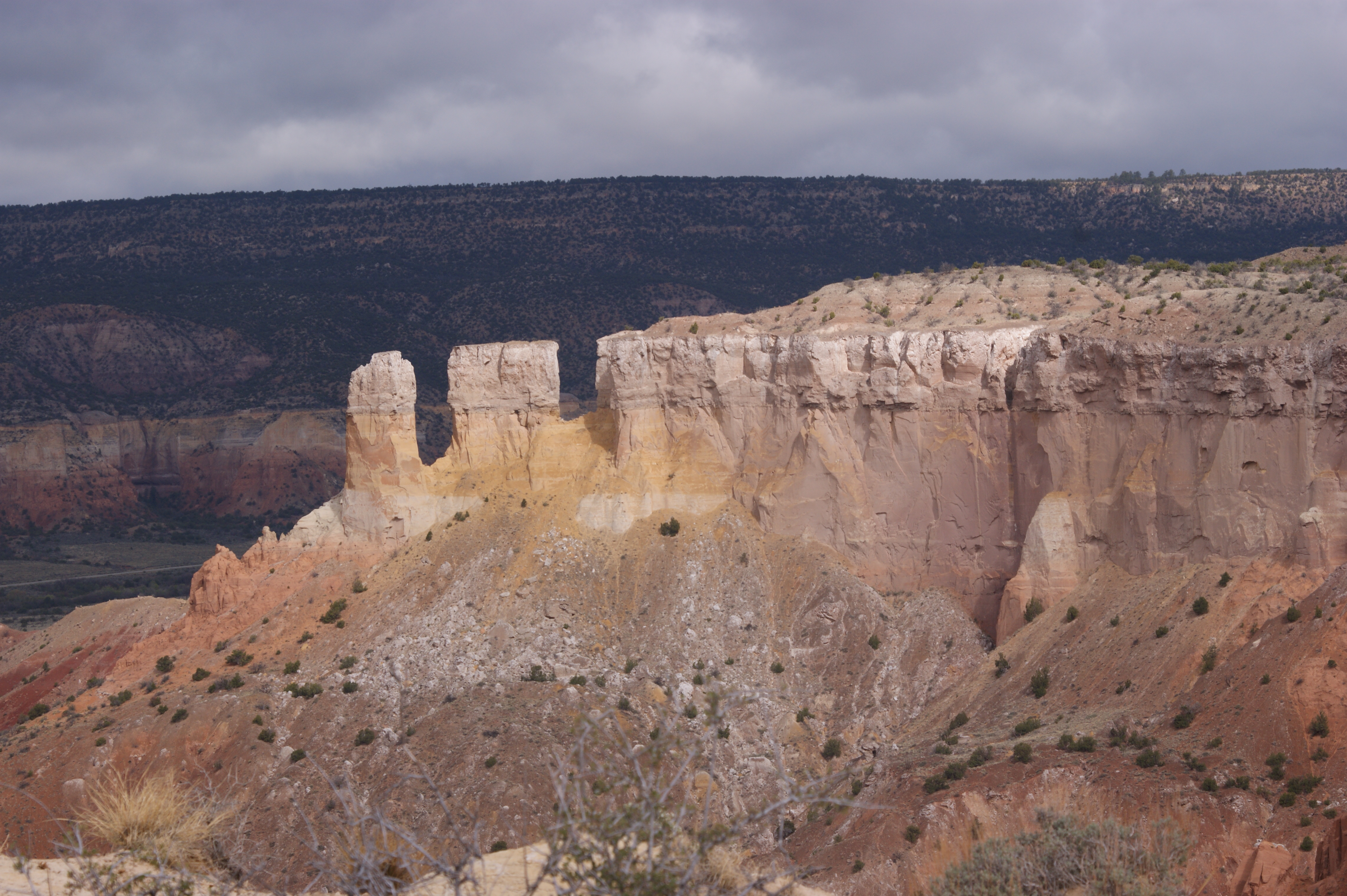
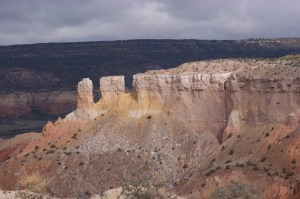
Day 10 – This was our last full day in New Mexico and was really a time to wind down. We hiked the mesa at Ghost Ranch and spent some time back on the plaza in Santa Fe. On top of the mesa, the students and I spent a spiritual moment reading a Native American poem, an ode to the land of New Mexico. I think we all felt a twinge of sadness because we were soon leaving and a sense of happiness because we had a great time throughout the trip.
Day 11 – We left Santa Fe at 5 am and drove over 700 miles to our original hotel in Sallisaw, Oklahoma. After a meal at Western Sizzlin’, the professors pulled chairs from our rooms into the Super 8 parking lot and discussed the trip. We deemed it a success.

Day 12 – We left Sallisaw at 5 am and headed home to Tennessee. It seemed that we got faster the closer we got to home. Like most trips, we were glad that we went but also were glad to get home.

Kudzu

18 Mar

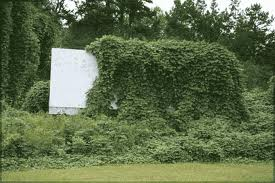
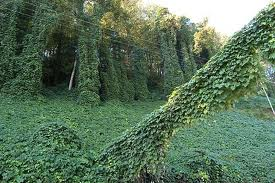
If you ever take a drive along the southern back roads, then you will eventually see something strange – a vine that has covered the ground, trees, fences, power lines and buildings.

It may look lush and green from your point of view, but underneath it has taken over and sucked all of the nutrients out of the area it has covered. This plant is most commonly known as kudzu, but, as a child, I knew it as “mile-a-minute”. Other people call it “the plant that ate the south”.

Native to Japan, the plant was introduced to the United States at the Centennial Exposition, held in Philadelphia in 1876. According to The Amazing Story of Kudzu, gardeners first cultivated kudzu for ornamental reasons, but people began realized that animals would eat it. Southern farmers latched on to this idea and began to grow it for this purpose. However, the plant really took root in the 1930s when the Soil Conservation Service used it for erosion control.

Have you ever heard that the road to Hell is paved with good intentions? Well, in the South it is covered with kudzu. Good intentions led to the promotion of a plant that could not be controlled. It is estimated that this stuff can grow a foot per day and can take up to ten years to kill. Life After People, a show on the History Channel, estimated that it would take fifty years for kudzu to completely cover downtown Atlanta. My friends, that is a successful plant.

I described the effect of the plant on the South because the Surrounded by Imbeciles world has its own kind of kudzu. When this blog was birthed, I had grand plans to sarcastically discuss the “problems” in the world. I wrote about the issues of gas pumps; moved on to my pet peeve with Sonic Drive-In; and, continued with the uncomfortable aspects of day spas. Eventually, I altered my attitude and writing style, and these older posts were forgotten.

No one read any of these. And, I mean NO ONE. Then, in mid-January someone clicked on my gas pump rant. I was so stunned that I published a post about how we may forget about posts, but they are always out there. I went on my merry blogging way but realized that more and more people were checking out the gas pump post. As the numbers grew, I had no idea why this lost post suddenly became popular and wrote about it again.

And, that brings me to this post and the comparison to kudzu. “The Problem With Gas Pumps” has continued to grow in readership and popularity. Not only has it become the most popular post in the Surrounded by Imbeciles world, but it has also taken over the field. More people have read the post than the next eight posts combined. It is even sneaking up on “Homepage”.

Please understand that I am not complaining. Nothing makes us bloggers feel better than going to the Stats page and finding out how many people are interested in our written thoughts. That’s the ego in all of us. It just amazes me to watch an old and forgotten post continue its seemingly nonstop growth. Perhaps, kudzu is not the correct metaphor because “gas pumps” is not destroying anything. In fact, it is assisting my blog with its continued growth and improvement (along with all of the fellow bloggers and readers that I really appreciate). It’s just that every time I see the blog-o-meter crank up the numbers I envision that vine growing up the telephone poles.

Picture This – Saguaro Cactus

25 Jan

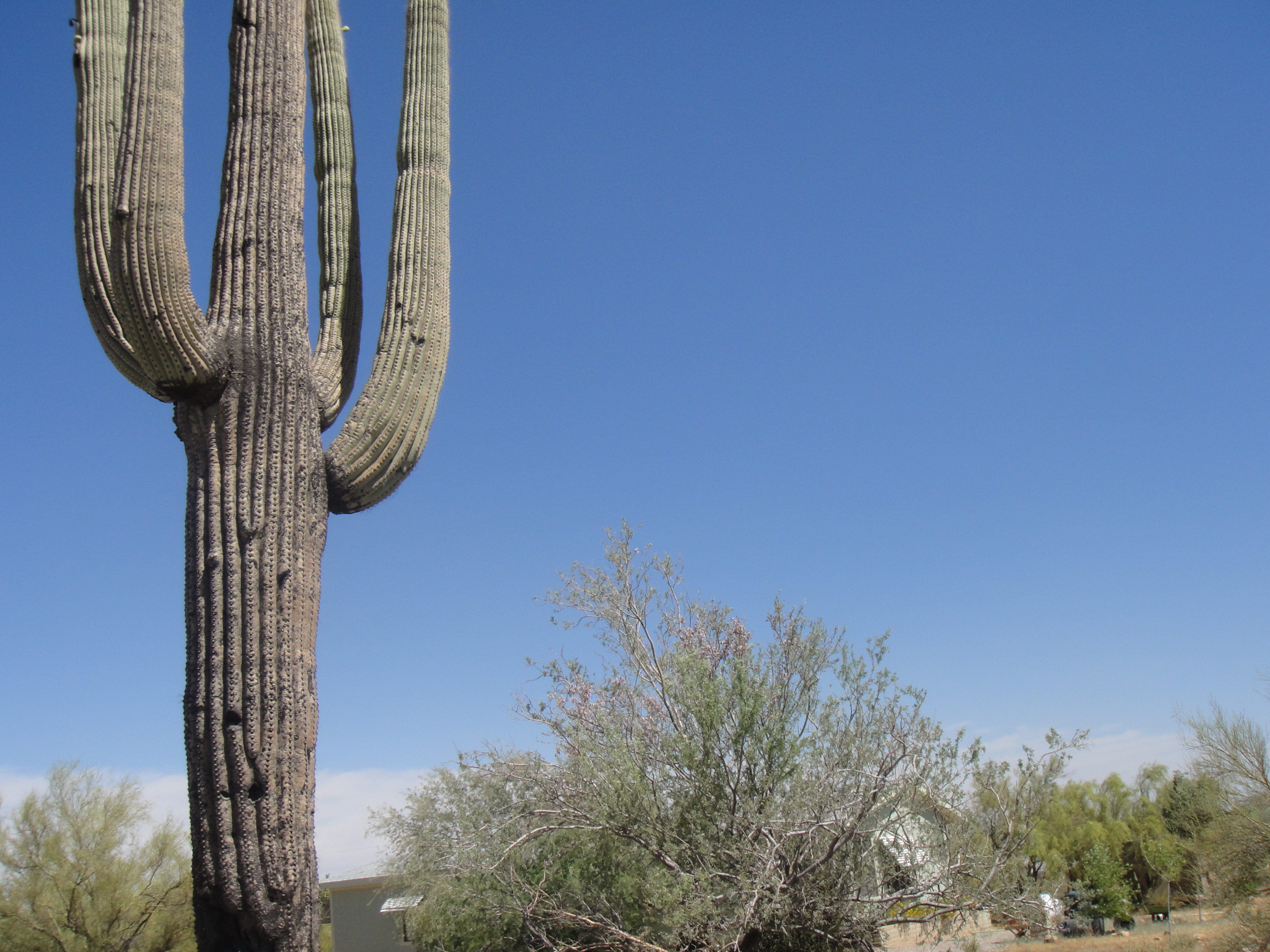
I have noticed that most blogs follow a theme. Some people write about cooking while others write about books. There are blogs about music, history, relationships and even adult entertainment. This blog really doesn’t follow a set pattern. I simply write about what’s on my mind at that particular moment. I have made attempts at being witty, serious, thoughtful and insightful, but lately I have found myself struggling to come up with things to write about. I don’t want to force anything because blogs should flow naturally. With that in mind, I have been trying to come up with some new ideas. Actually, I have been staying awake at night with ideas floating through my head. Does that mean I am addicted? I don’t know, but a thematic idea has cropped up. Occasionally, I will click a random photograph in my computer and write about it. This will be the first go at it, so here is a picture.

Saguaro Cacti are found in southern Arizona and can live 250 years. Due to the numerous westerns filmed in the area, the cacti have become iconic symbols of the American West. The plotlines of films made moviegoers believe that the cacti could be found throughout the southwestern United States. In fact, the best place to see them up close is in the land surrounding Tucson, Arizona. When this photograph was taken, I was walking through the sand and around the vegetation while my girlfriend at the time stood on the path. As a person with an intense fear of bugs, the sounds made by the insects in the area were freaking her out. I must admit that the clicking sounds reminded me of some of the sound effects I have heard in alien movies. With the constant noise in the air, we took some photographs and moved on down the road. Our next stop was the Old Tucson Movie Lot and Studio, home to the movies that made these cacti and this landscape famous.