Archive | Photography RSS feed for this section

Categorically

30 Jul

We just finished walking around the neighborhood. As we did, I noticed a man through a window. He was working at his desk, and I began to wonder what he was working on. Was he writing the next great novel? Was he writing a letter? Was he blogging? At the moment, I am sitting by a window, and people are probably looking in and wondering what I am doing.

I like to think that people like what they read here. It’s a hodgepodge of stuff, but it comes right out of my head. Sometimes, It’s travel. Sometimes, it’s music. Sometimes, its stories from the past. All the time, it’s something that is stuck in my mind and needs to get out.

I am not sure what needs to get out tonight, so I will just go down the list of categories on this blog and type this first thing that fits.Scattergories

Academics – School starts back soon. That means inservice.

Agriculture – The other day, I got gas at the Farmer’s Co-Op.

Art – There is a guy named Art who works at Beauty Boutique, Necole’s store.

Biography – The last one I read wasn’t very good, It was about Ward Bond, John Ford and John Wayne. It should have been good.

Books – I just finished The Eye of God by James Rollins. It is the further adventures of Grayson Pierce.

Childhood Memories – Tonight, I mentioned that my parents had a Weeping Willow in their front yard, and I used to play under it.

Comedy – Nothing is funny, at the moment.

Community – I was named to the local Planning Commission. This afternoon was my first meeting.

Crime – Tonight, I found out that a guy I once knew tried to kidnap his wife and lock her in a closet. Hopefully, he will get what’s coming to him.

Did You Know? – I forgot about this category. It needs to be revisited.

Dining – Tonight, we had a home cooked meal of meatloaf, mashed potatoes, macaroni and cheese and green peas.

Dreams – Lately, my dreams have been less than memorable.

Government – Necole went to the DMV this morning. There is no reason they should be that slow.

History – I am getting my lecture voice warmed up.

Movies – We watched Batman Begins, and I realized that the guy who plays Joffrey on Game of Thrones was in it.

Music – We have a couple of concerts coming up – Don Williams and The Eagles.

Nature – There’s a great article about sugar in the latest National Geographic. Everyone should read it.

Photography – In a few days, we are getting more wedding photos made.

Rambling Ruminations – I think that is what this post is all about.

Relationships – I’m married.

Religion – I would like to write about it more, but a few things are better left unsaid.

Sports – College football is about to start, and my team, the University of Tennessee, is in the Southeastern Conference. However, you’ll never hear me chant S-E-C. I cheer for one team and hope the other ones lose every week.

Stupid Stuff – It’s an accurate description of this post.

Television – I’m waiting for Justified to crank back up.

Therapy – I used to go. I don’t anymore.

Travel – We just returned from California and will be heading to Arizona soon.

Writing – Am I the only person who doesn’t mess with those writing prompts?

Picture This – Cuervo

28 Jun

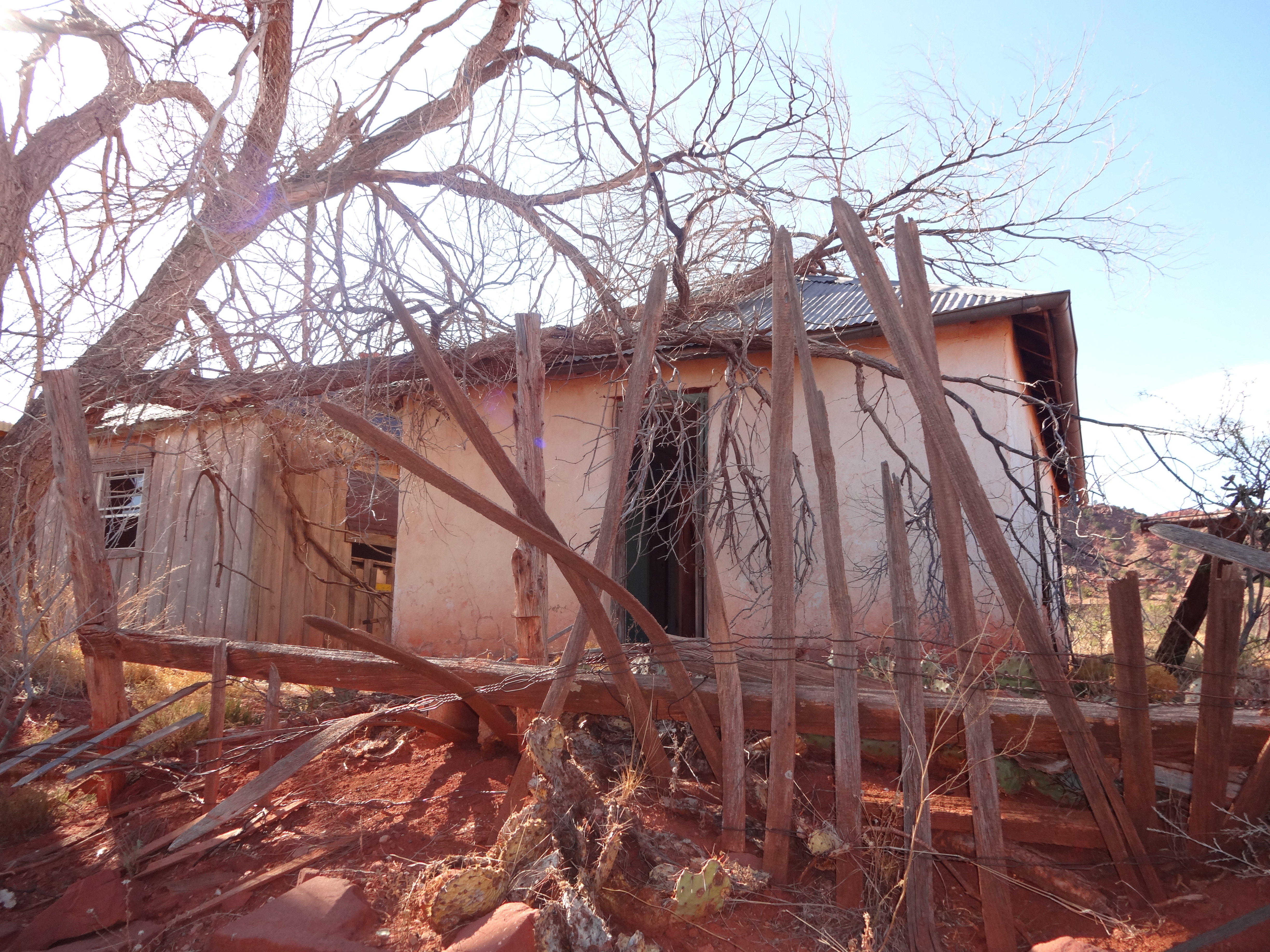
BB-New Mexico 084

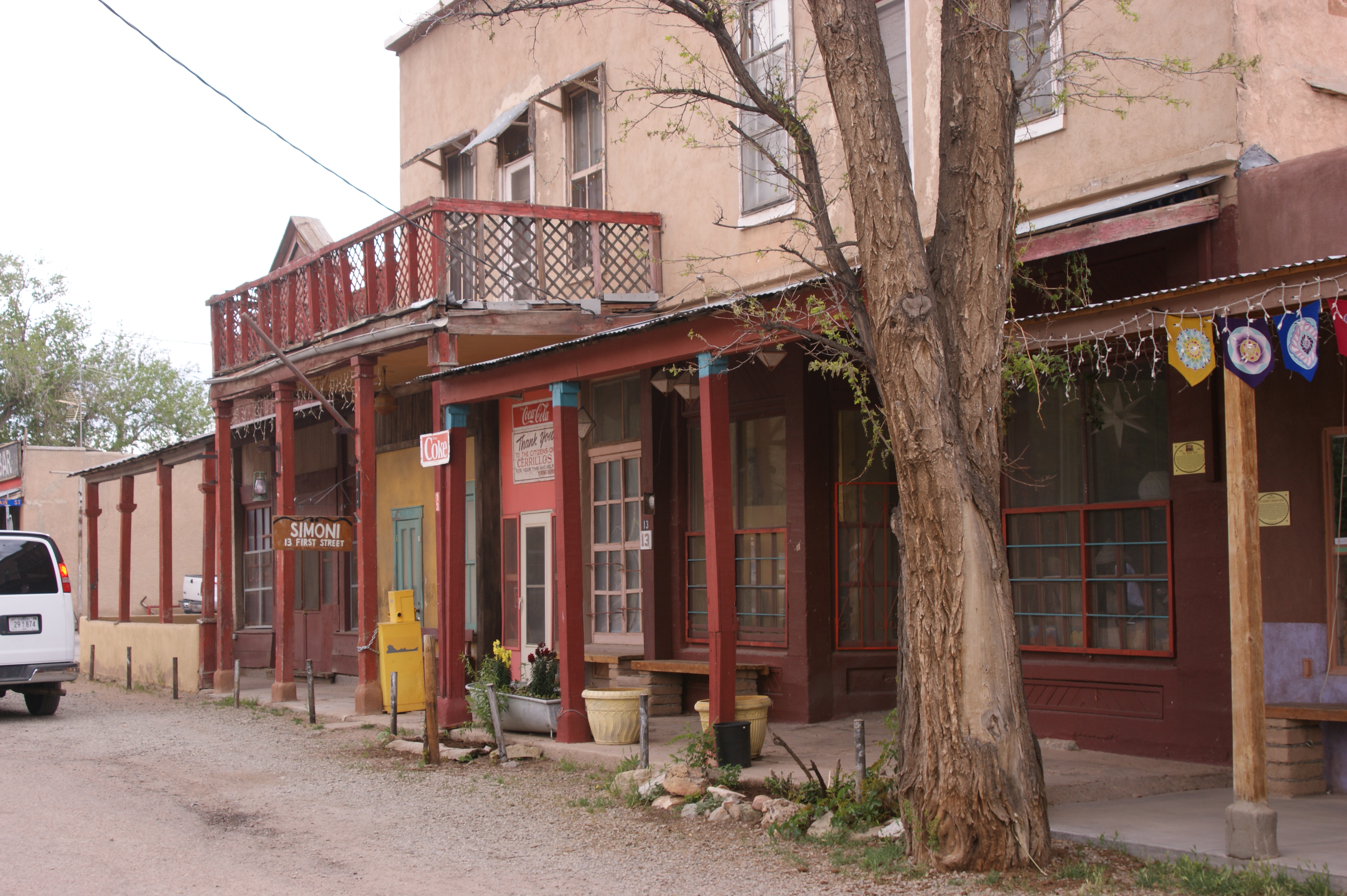
Have you ever heard of a ghost town with its own interstate exit? Cuervo, New Mexico has one, which makes it unique among ghost towns in the American West. While some abandoned villages are conveniently located, most of them sit in the middle of nowhere. To see them, you really have to make an effort. Cuervo is different because you can see it from Interstate 40.

That’s how I saw it the first time I taught the New Mexico field trip class that my university offers. We had pulled out of Tucumcari and were heading into Albuquerque. As we flew by, I noticed a bunch of abandoned buildings on the left. This was in the days before smart phones, so I had to wait until we got to the hotel to find out what I saw. I also took a mental note that we needed to stop in Cuervo the next year.

We have stopped at Cuervo ever since. Well, there were a few years when we dipped down into Clovis, New Mexico, but most of the time we have spent a few minutes in Cuervo.

While there, I tell the students about the economics of the West and how ghost towns have come to dot the landscape. We talk about the “boom and bust” nature of the West and how towns developed around resources rather than around places where towns would sensibly exist.

There is really nothing like teaching history where that history took place. It’s as close to a spiritual feeling as I have ever experienced. I have been lucky to do it on the New Mexico trip and other places, as well. I have talked about the Scopes Monkey Trial in the courtroom where it began. I have talked about the Battle of Little Bighorn on Last Stand Hill.

Those were big events. Cuervo is just a little town that didn’t make it. It’s not a story of heroes or villains. It is a story of ordinary people who tried to make it in a tough land and discovered that they couldn’t. When I am in Cuervo, I wonder about them. I wonder when they realized that things were going bad. I wonder what business was the first to close and which resident was the first to abandon a house. It has to be tough to leave a building that no one else wants.

If you are ever driving down Interstate 40 in New Mexico then pull over in Cuervo. There is a story there.

Family Time in New Mexico

30 May

When my nephew travels, he takes thousands of pictures. He takes pictures of everything imaginable, but he doesn’t take any pictures of himself. This drives my parents crazy because they think family vacations should have pictures of family. I understand this, but he doesn’t. Why does he want pictures of people that he sees all the time? He wants scenery and cool stuff.

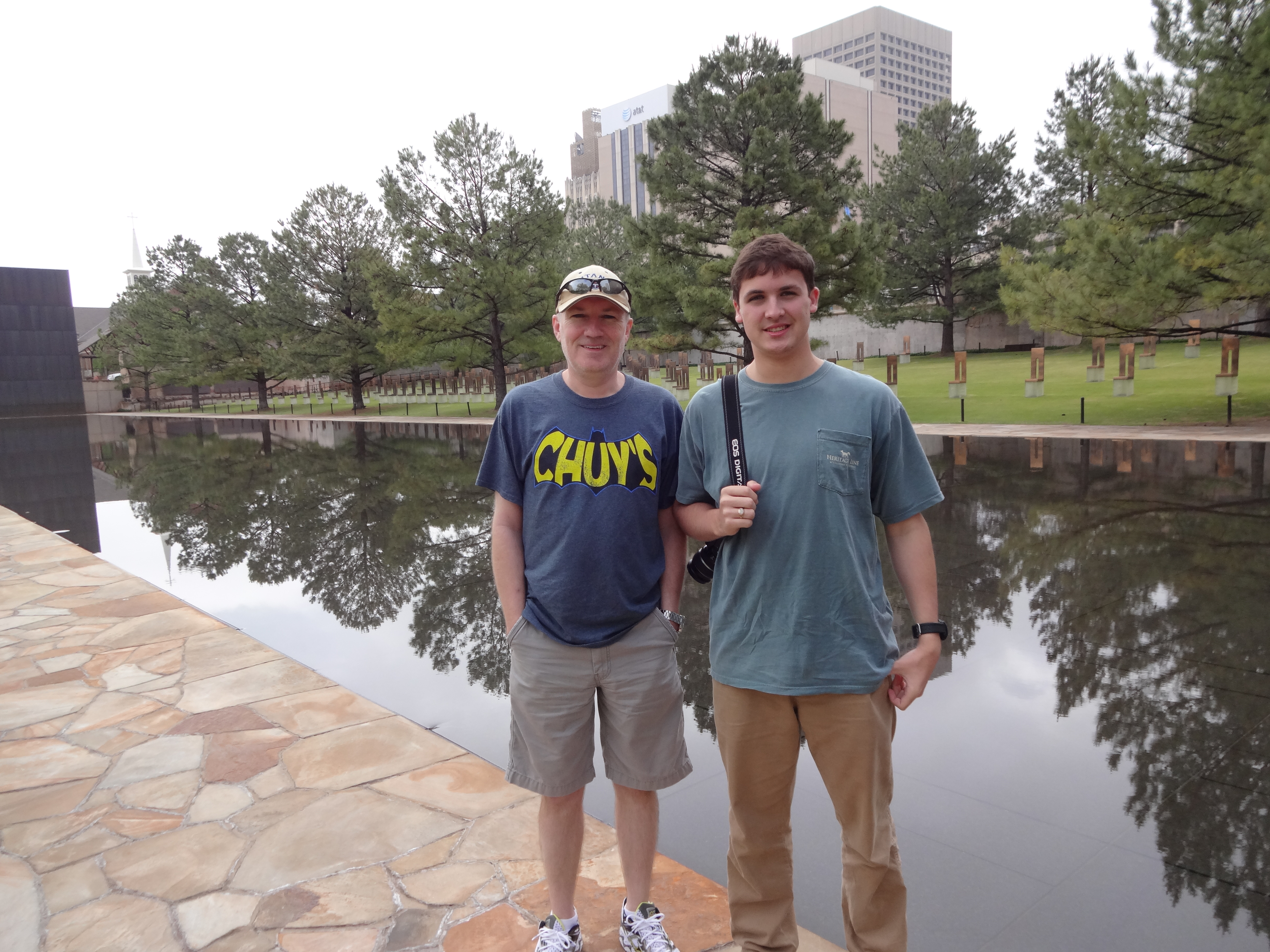
He went on the trip to New Mexico with me, and I promised them that I would get plenty of pictures of us both. He didn’t want to waste his camera space, so we used mine. These are some of the results.

The first picture was taken at the Oklahoma City Bombing Memorial. It is a somber place, and I felt funny taking a touristy picture there.BB-New Mexico 069

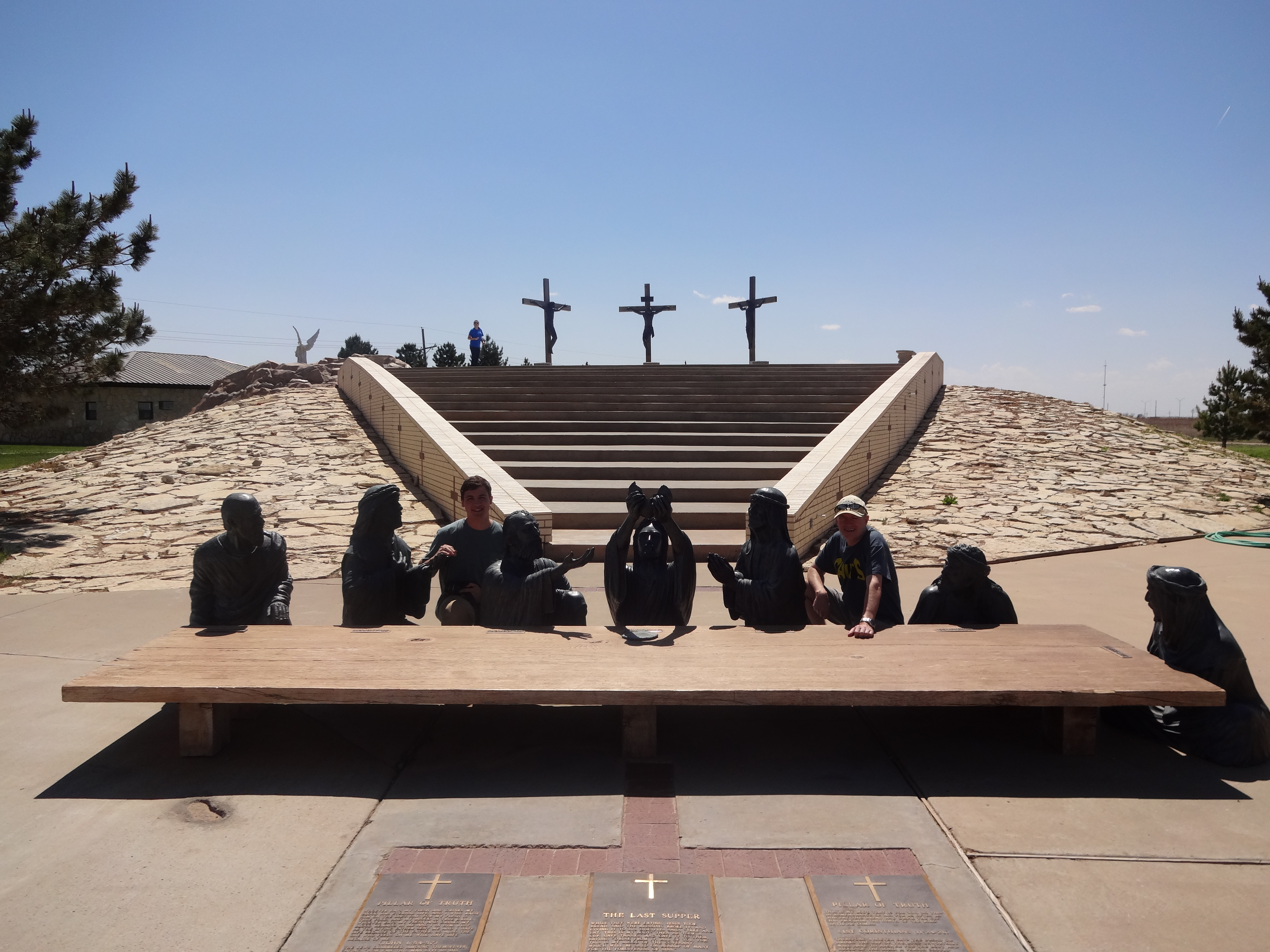
Next, we stopped at the big cross in Groom, Texas and sat in on a famous meal.BB-New Mexico 078

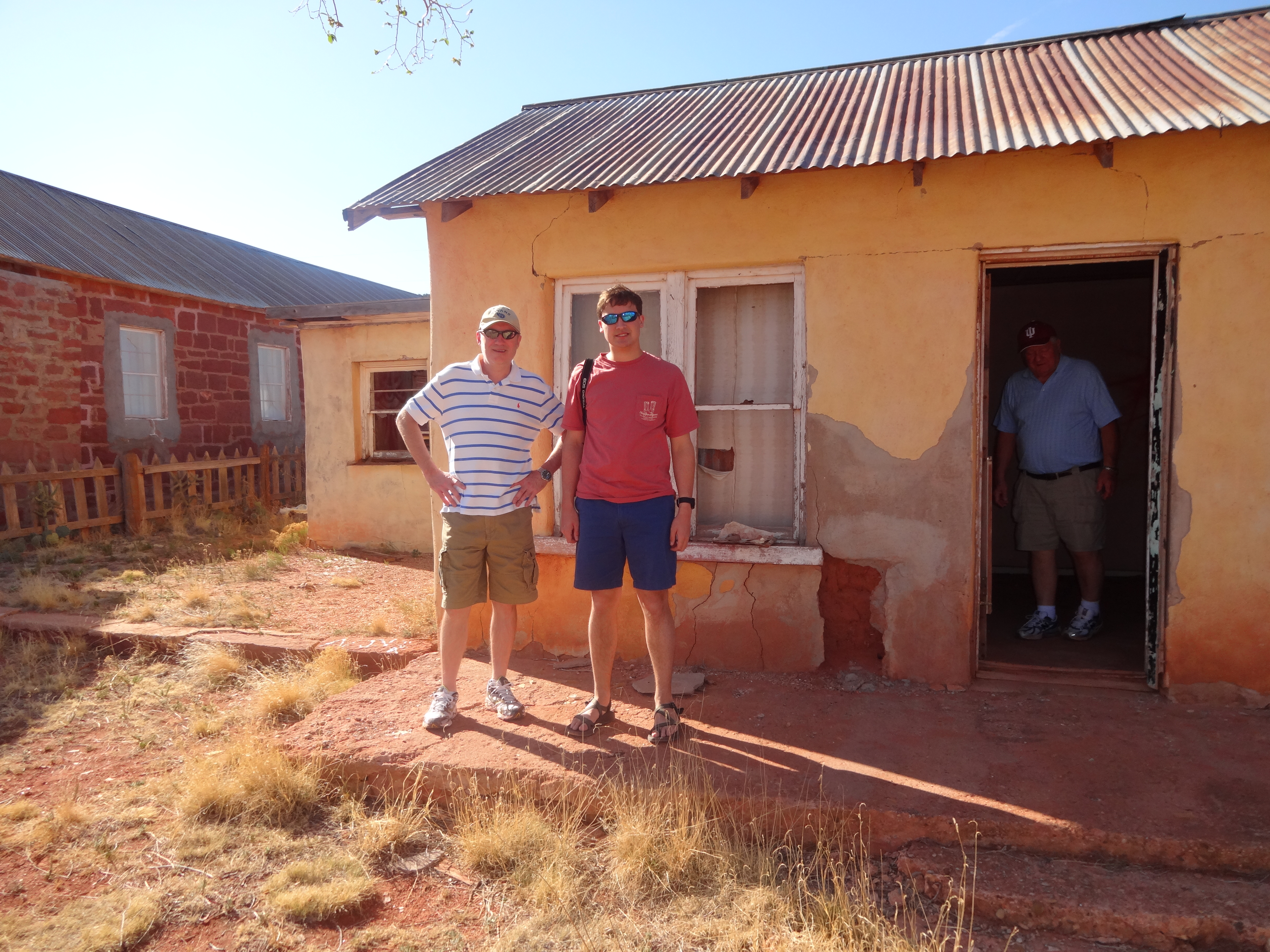
After spending the night in Tucumcari, New Mexico, we took a walk around the ghost town of Cuervo, New Mexico. That’s not Jose lurking in the shadows. It’s Trader Dave.BB-New Mexico 085

Later, we went to the shores of the Rio Grande at Coronado State Park.BB-New Mexico 087

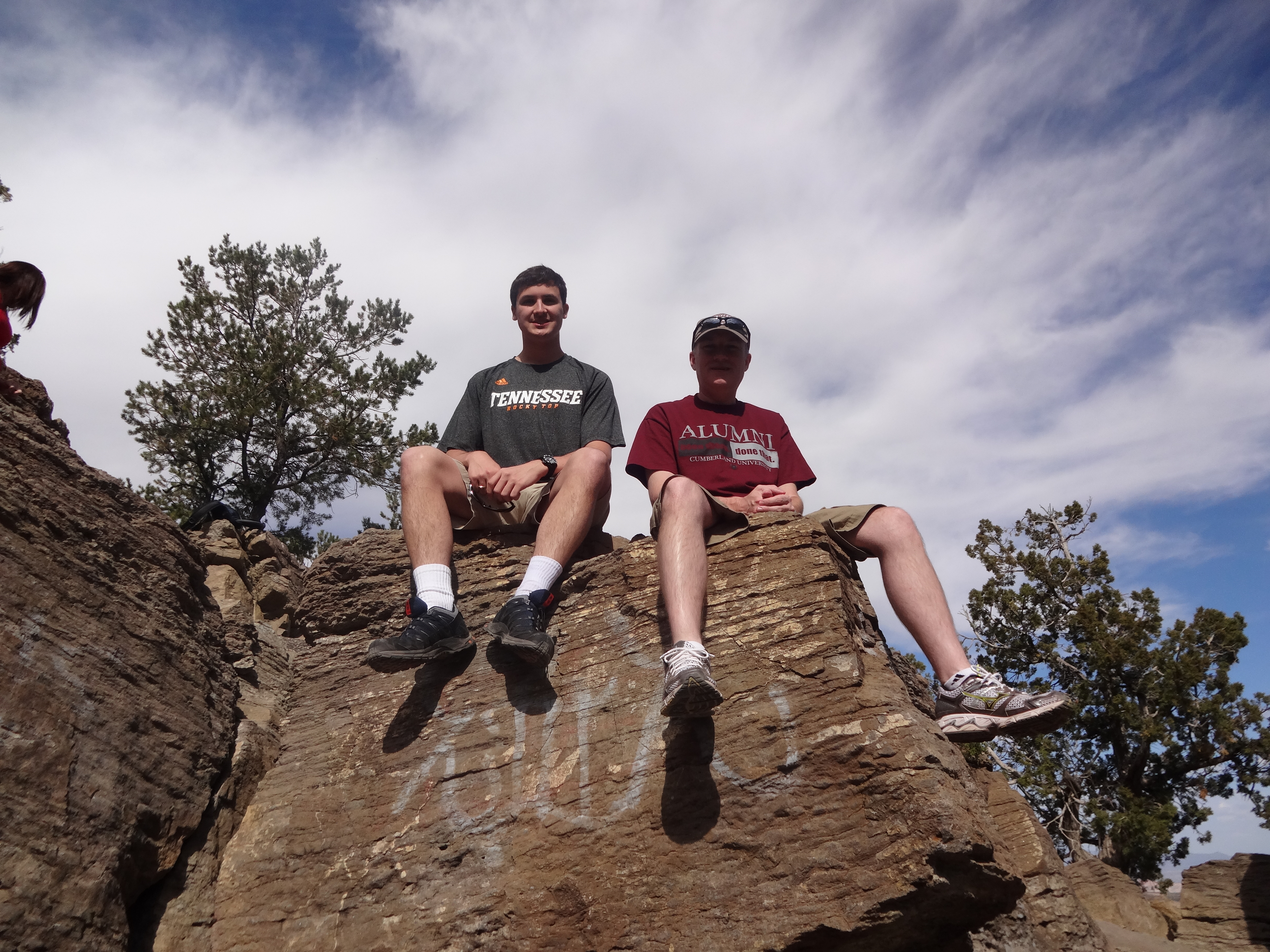
We didn’t cross the river. Instead, we climbed to Nambe Falls and found a big rock to sit on.BB-New Mexico 092

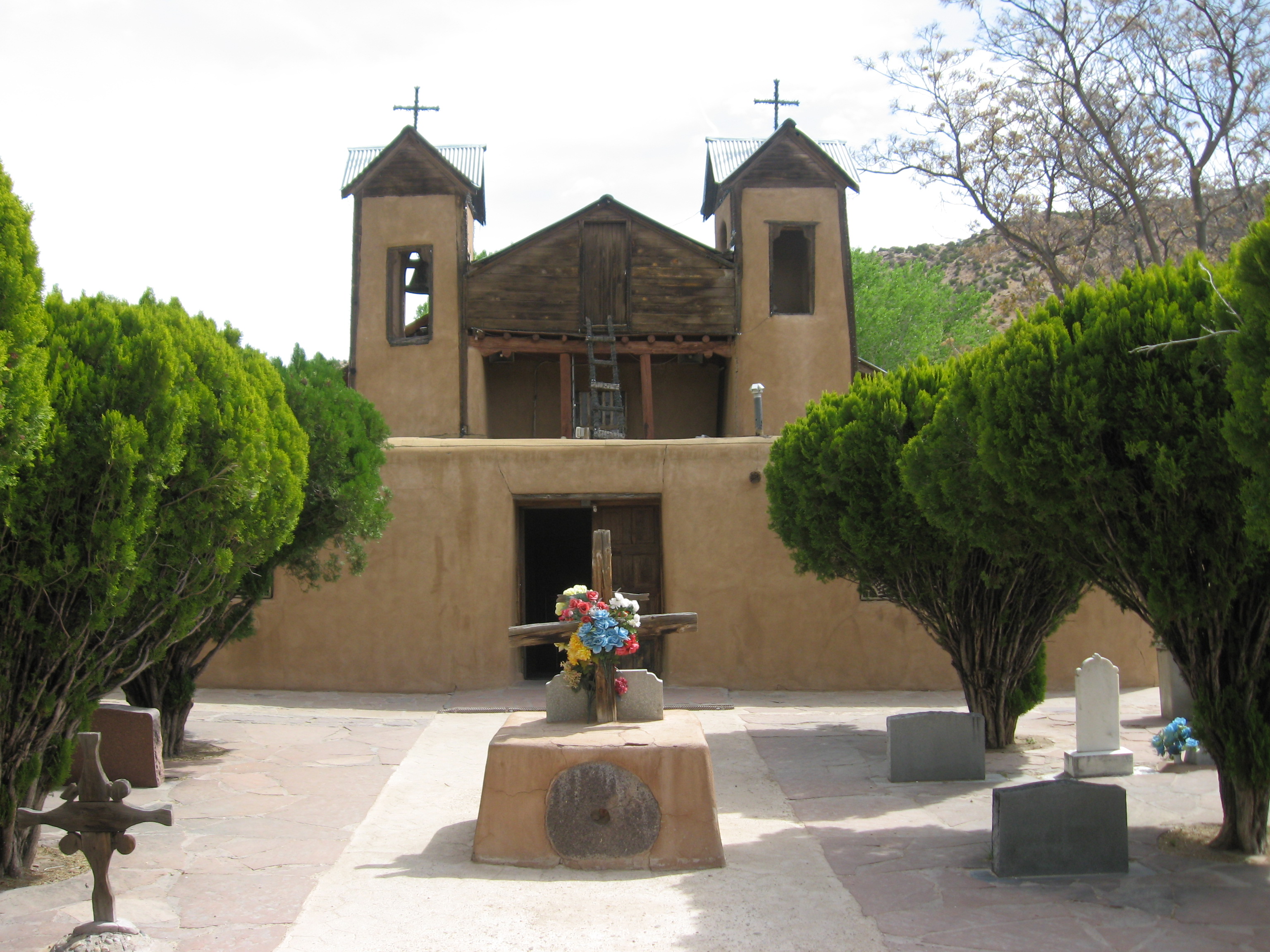
Then, we went to the church at Chimayo where there are stories of dirt that heals all wounds.BB-New Mexico 096

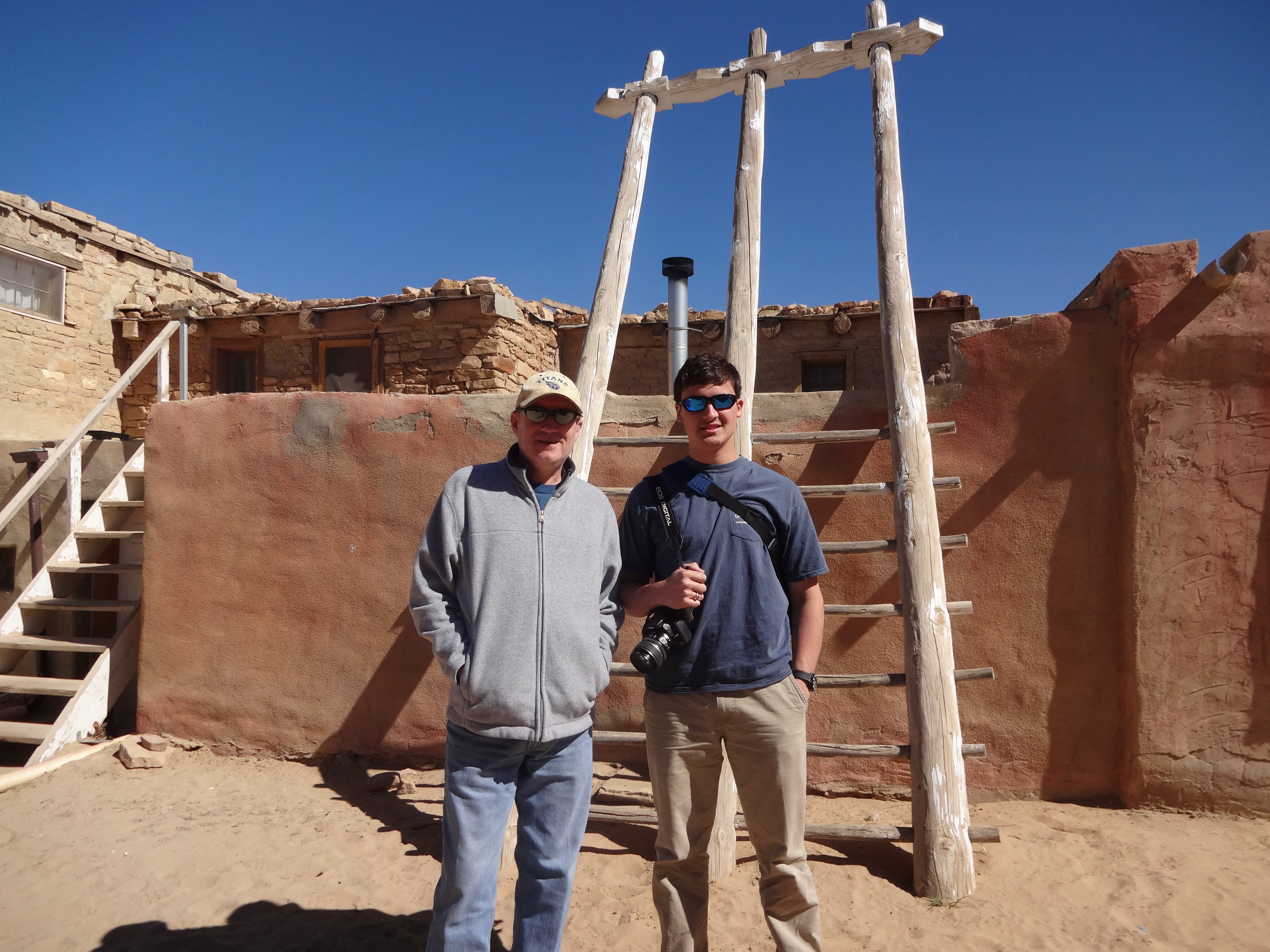
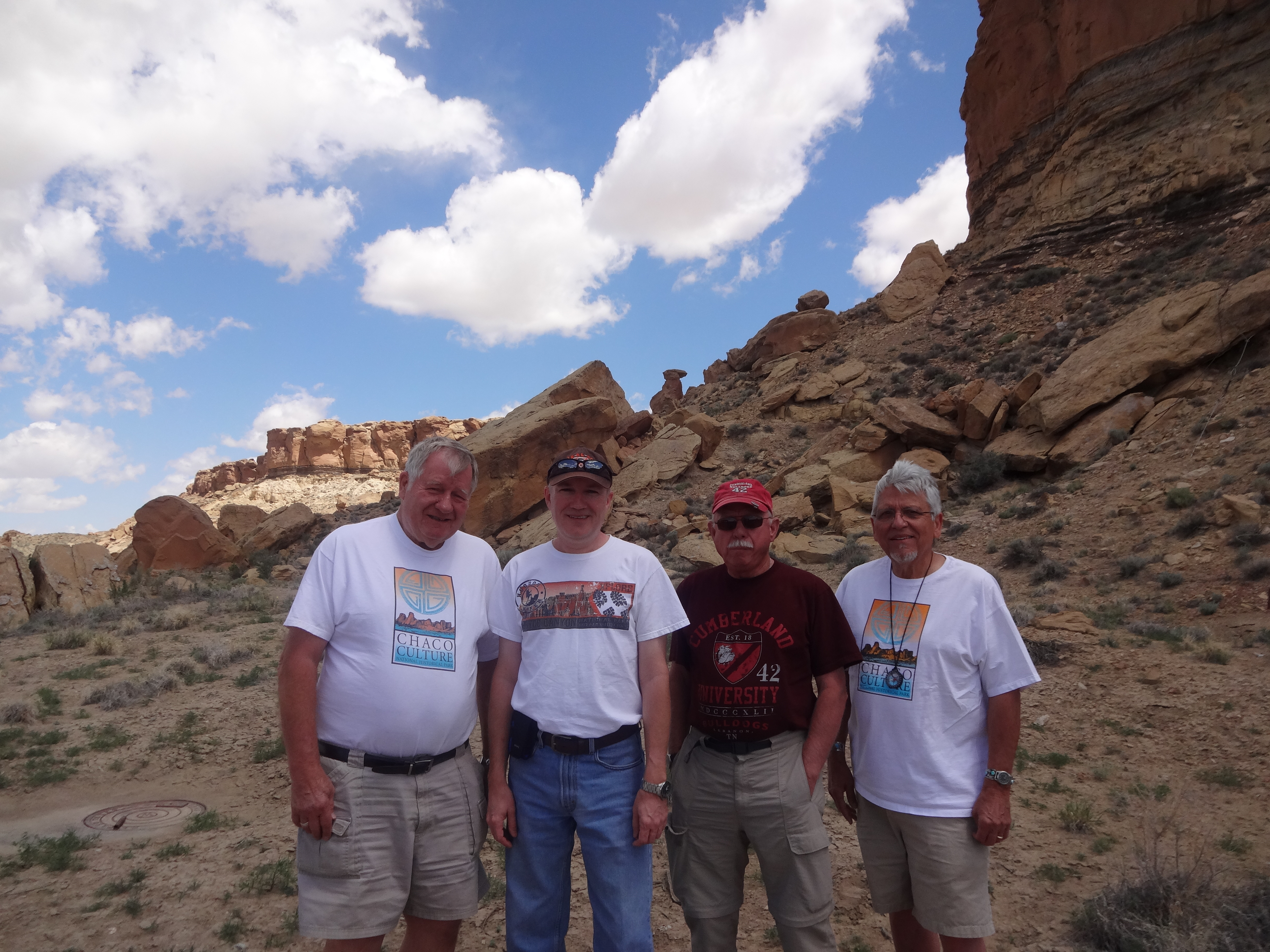
The next day was rough for my nephew. He was sick and had to stay behind as we went to Chaco Canyon. However, he bounced back and was able to visit Acoma. We took one picture in front of a kiva.BB-New Mexico 122

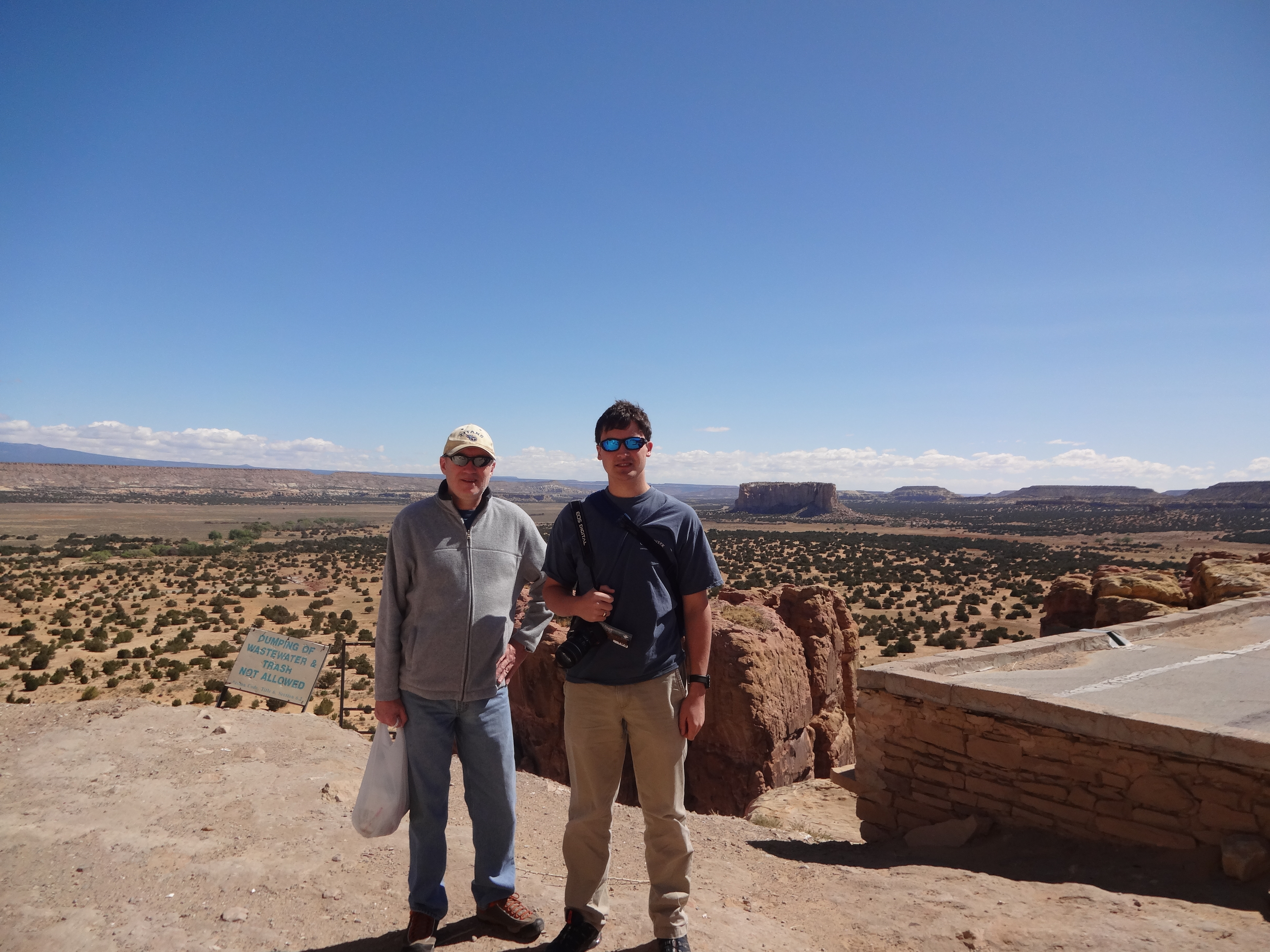
We took another picture with Enchanted Mesa behind us. According to the sign, I couldn’t throw my nephew over the edge.BB-New Mexico 123

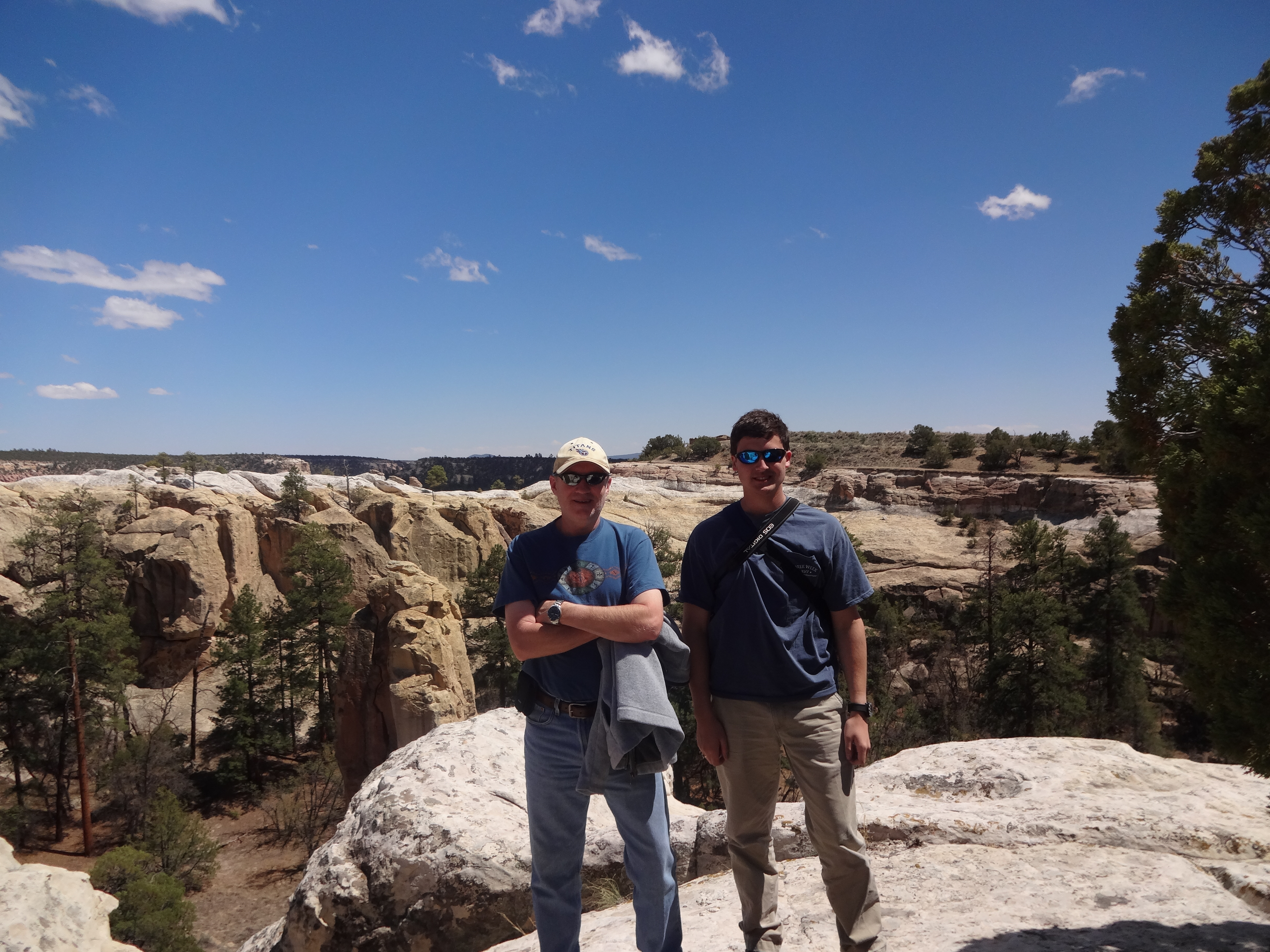
After Acoma, we drove west to El Morro and had our photo taken on top of that. I kept thinking that the box canyon below would be a great place for a hideout.BB-New Mexico 128

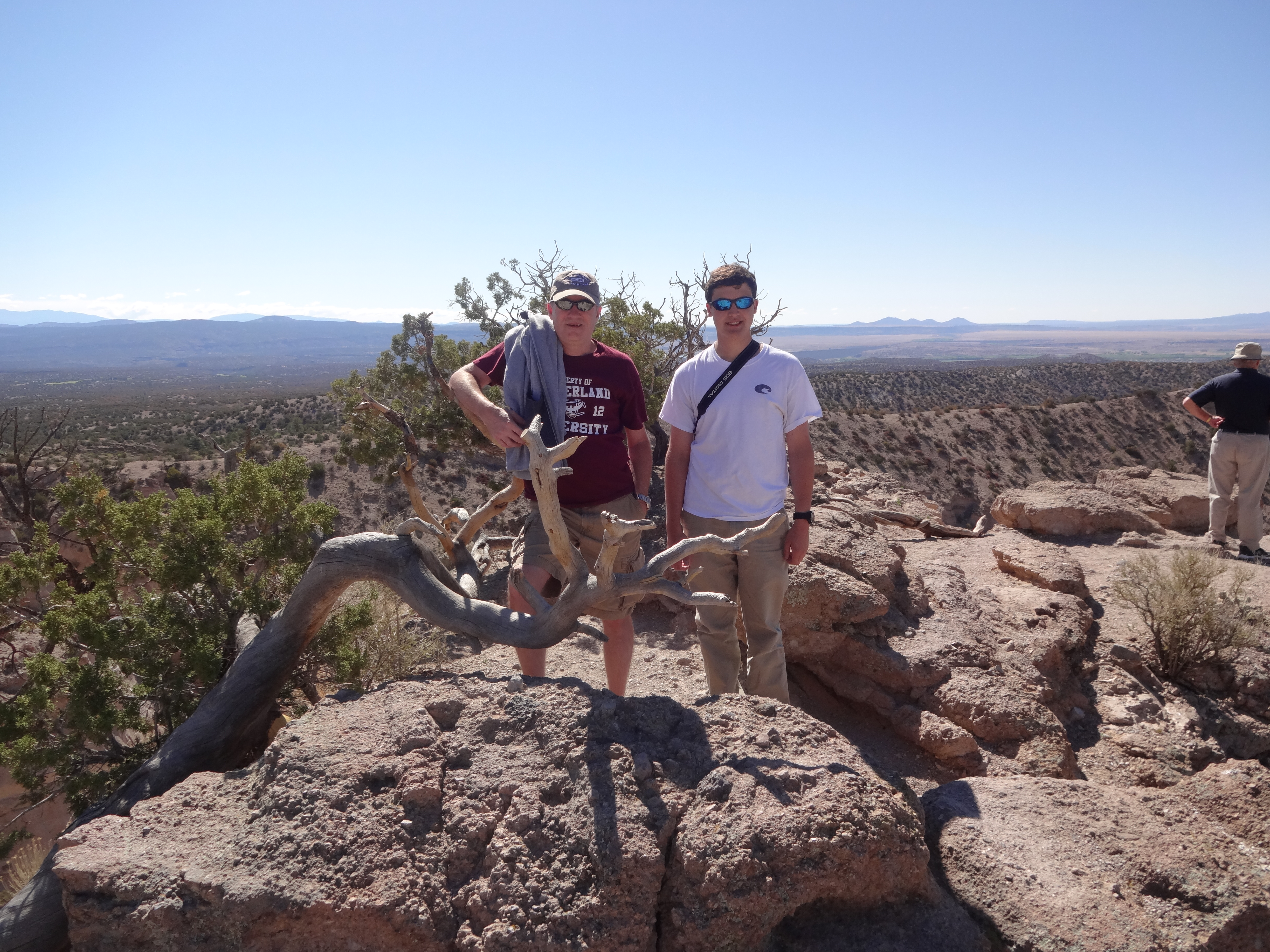
We hiked up the Tent Rocks trail and had another picture made. I’m not sure what the man in the background is doing. He has on a Skipper shirt and a Gilligan hat. That’s all I know.BB-New Mexico 133

The next one did not involve a climb. It involved making our way to the church ruins at Pecos National Monument.BB-New Mexico 141

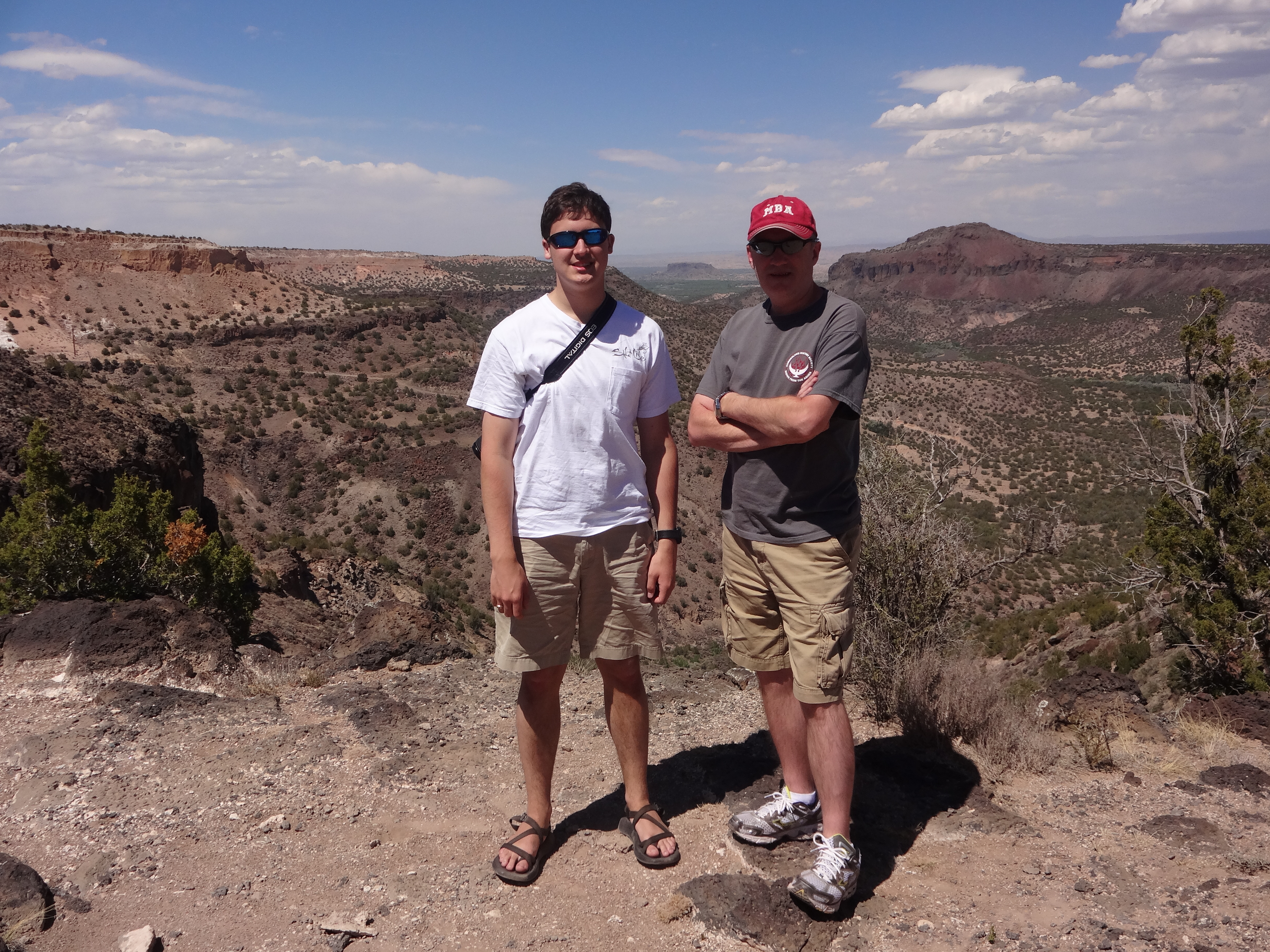
Finally, we drove to the overlook at White Rock.BB-New Mexico 147

That’s it. That is family time in New Mexico

Picture This – The Shadow Horse Gang

28 May
A rare photo of the Shadow Horse Gang. From left: Trader Dave, The Kid, Doc Pete and Shadow Horse

A rare photo of the Shadow Horse Gang. From left: Trader Dave, The Kid, Doc Pete and Shadow Horse

For several years, a band of outlaws has roamed the northern New Mexico territory. Their range has been from as far east as Tucumcari to as far west as El Morro. They have been south to Socorro and north to Ghost Ranch. These are hard men who hideout most of the year and do most of their riding in the spring. Undoubtedly, they are destined to find their way into the annals of New Mexico’s history.

Shadow Horse – The leader of the gang. Some say he came from Louisiana, and others say he used to be a preacher. None of that is certain, but everyone knows that he is part Indian. He is most comfortable on the trails of the back country and moves like the wind over terrain that would kill most men. Tent Rocks is his favorite haunt. His native blood offers the gang safe entry into the surrounding pueblos and reservations. Without Shadow Horse, the gang would have never gained its notoriety.

Doc Pete – Born near the goldfields of California, he has roamed from Canada to the former Confederacy and made a name for himself as a medicine man. The gang survives in the wild lands of New Mexico because of his knowledge of his surroundings. Once, he survived a near disastrous trek at Bandelier. He knows the plants that will kill and the plants that will heal. An expert on the trails, Doc Pete could disappear into the wilderness and never return.

The Kid – As a wily old veteran, his name seems to be a mistake, but he is the youngest member of the gang. His career began in Tennessee at a young age, but, unlike the other famous Kid of outlawry, he had the luck and skill to stay alive. He is comfortable in the back country and serves as lookout when the gang is holed up in Chaco Canyon. Despite that, the Kid is happiest sitting at a Faro table with a saloon girl sitting on his lap.

Trader Dave – Raised in the industrial region of northern Indiana, he followed the Santa Fe Trail into New Mexico. At times, he can be spotted around Pecos buying and selling goods with the local inhabitants. Dollars. Pesos. It doesn’t matter what currency. He can make a deal for any and all goods. Still effective on the trail with many years behind him, Trader Dave is at his best with frijoles and tortillas on a plate and whiskey in a glass.

Picture This – Keel Drug

5 Apr

West 2010 562

A few years ago, I found my way to Ballinger, Texas, a little town south of San Angelo. It sits a far piece off the interstate, and nothing of great historical importance happened there. It is simply a little town like thousands of little towns across the country. However, it was a place that I needed to go, and the need was to walk into Keel Drug Store.

This is the story of Keel Drug; the family who used to own it; and the reason I needed to walk through its doors.

Gene Keel was raised at the Masonic Home Orphanage in Fort Worth, Texas during the Great Depression. As the name implies, it was filled with kids who had little chance to succeed in the world, and Little Gene Keel was one of them. However, good things happened for him at the school. Although girls and boys were kept apart, he met his future wife at the home. He also found a chance with the football coach, Rusty Russell.

The story of the football team is a fascinating one and has been chronicled by Jim Dent in Twelve Mighty Orphans: The Inspiring True Story of the Mighty Mights Who Ruled Texas Football. A team that could not afford a football to practice with defeated almost everyone that they played, from small schools not much different from them to the big schools in the cities. Little Gene Keel was the quarterback for those teams and parlayed that experience into the store pictured above.

Attending Rice University on a football scholarship, Gene got married; became a pharmacist; and opened a drug store in Ballinger. He became well-known in Ballinger for providing medicine to those who couldn’t afford it and for serving the best treats in town at his soda fountain.

Gene Keel grew up in the Depression and lived in Ballinger, Texas. I grew up in the 1980s and live in the middle of Tennessee. What’s my connection?

Gene’s son, Johnny Keel was raised in the aisles of Keel Drug and on the links of the local country club. He grew up with his dad’s personality and flair but not with his football abilities. Johnny’s talents were with the golf club, and they took him to the golf team at the University of Texas.

Johnny stayed in Austin; opened a chain of health clubs; and became well-known throughout the city. Of course, owning a health club involves more than just running the day-to-day operations. At times, you have to attend conventions to keep up with the latest innovations. It was at one of these conventions that Johnny met my aunt, the owner of a local health club.

Johnny married my aunt, and, after some time living in Austin, they returned to middle Tennessee. Johnny became as well-known here as he was in Texas. He became involved in the community, and almost everyone came to like him for his enthusiastic outlook on life. He was fun-loving and wanted everyone else to have fun along with him.

I can’t remember all of the times that he and I sat at a Blackjack table together. Johnny always sat on first base, and I always sat on third base. He also tried to pass on his love of golf to me. We played many times, but I never grasped the game. Despite my lack of ability, we always had a great time.

Johnny’s outlook on life was brighter than anyone else I have ever known, and that outlook was needed when he was diagnosed with cancer. I will not go through the details, but he and my aunt fought the disease together. They tried everything to beat cancer and convinced everyone that they were going to succeed. They succeeded for ten years until Johnny could fight no more.

That’s why I went to Keel Drug in Ballinger, Texas. Johnny talked about his hometown so much that I wanted to see it for myself. Perhaps, it would help me to understand the strength and positive outlook that came from him everyday. Perhaps, there was something in Ballinger that made him help others who had cancer while he needed help himself. However, none of that was in Ballinger. It was in Johnny, and, he got it from Gene.

Johnny was still alive when I went to Ballinger, and my plan was to call him from the store. However, I couldn’t get a cell signal in the little town and had to call him when I got near a tower.

Johnny is gone, but his memory remains with everyone who knew him. His work to help others also remains with Go Johnny Go, a 5K fundraiser that my aunt started after his death. If you would like to donate or learn more about Johnny, then go to www.gojohnnygorun.com.

Picture This – Boot Hill

28 Nov

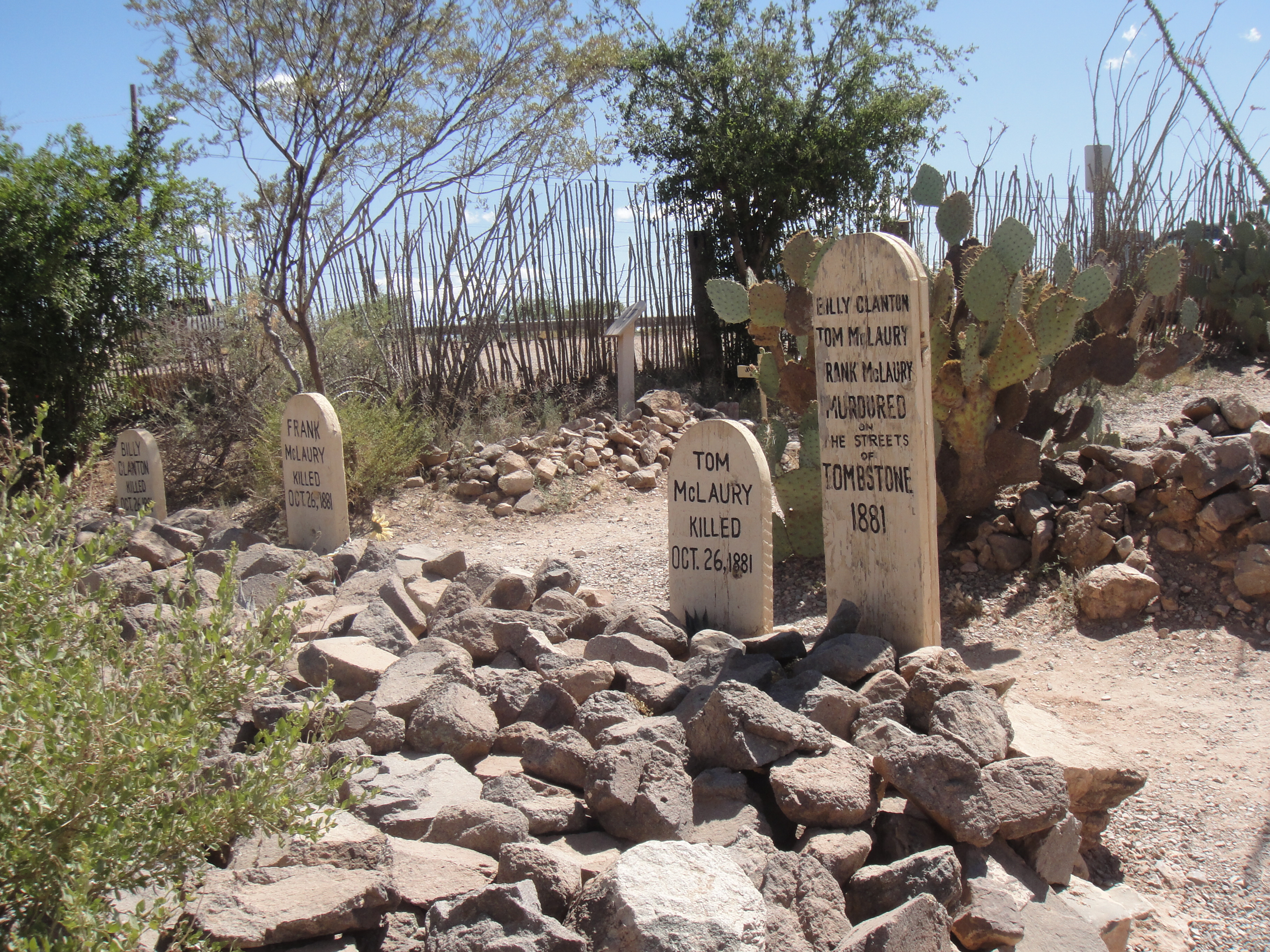
Tombstone is on television at the moment, and it brings to mind a trip I made to the real Tombstone a few years ago. For anyone interested in the American West, this small town in southern Arizona is a place that must be visited. Not only is it the location of the Gunfight at the OK Corral, but it is also the perfect example of the boom and bust economy of the 1800s American West.

There are places in Tombstone that everyone has to see. The OK Corral is the most famous and the most popular. The Birdcage Theater was one of the most famous houses of sin and ill repute and is currently advertised as one of the most haunted places in the United States. People should also stop by and chat with an important resident. Ben Traywick is the local historian and is a native of my Tennessee county. When I visited with Mr. Traywick, we spent an hour talking about people that we both knew before branching into the history of Tombstone.

Those are great ways to learn, but the essence of the West comes through at Boot Hill Cemetery. This is the place where you can focus on the hardships faced by the people who lived in this environment. The myth portrayed at the other sites fades away to show the reality of life in the West. The cemetery is filled with people who died through violence, disease and other dangers faced on a daily basis.

The above photograph shows the graves of the men killed at the OK Corral. Movies show them as bad guys who tempted fate by facing down the heroic Earp family and their friend Doc Holliday. Movies can be simplified into those wearing the black hats and those wearing the white hats. However, history is not that simple. Maybe, they were bad. Maybe, they were good. The fact is that they ended up in Boot Hill alongside many others.

Picture This – The International UFO Museum and Research Center

15 Sep

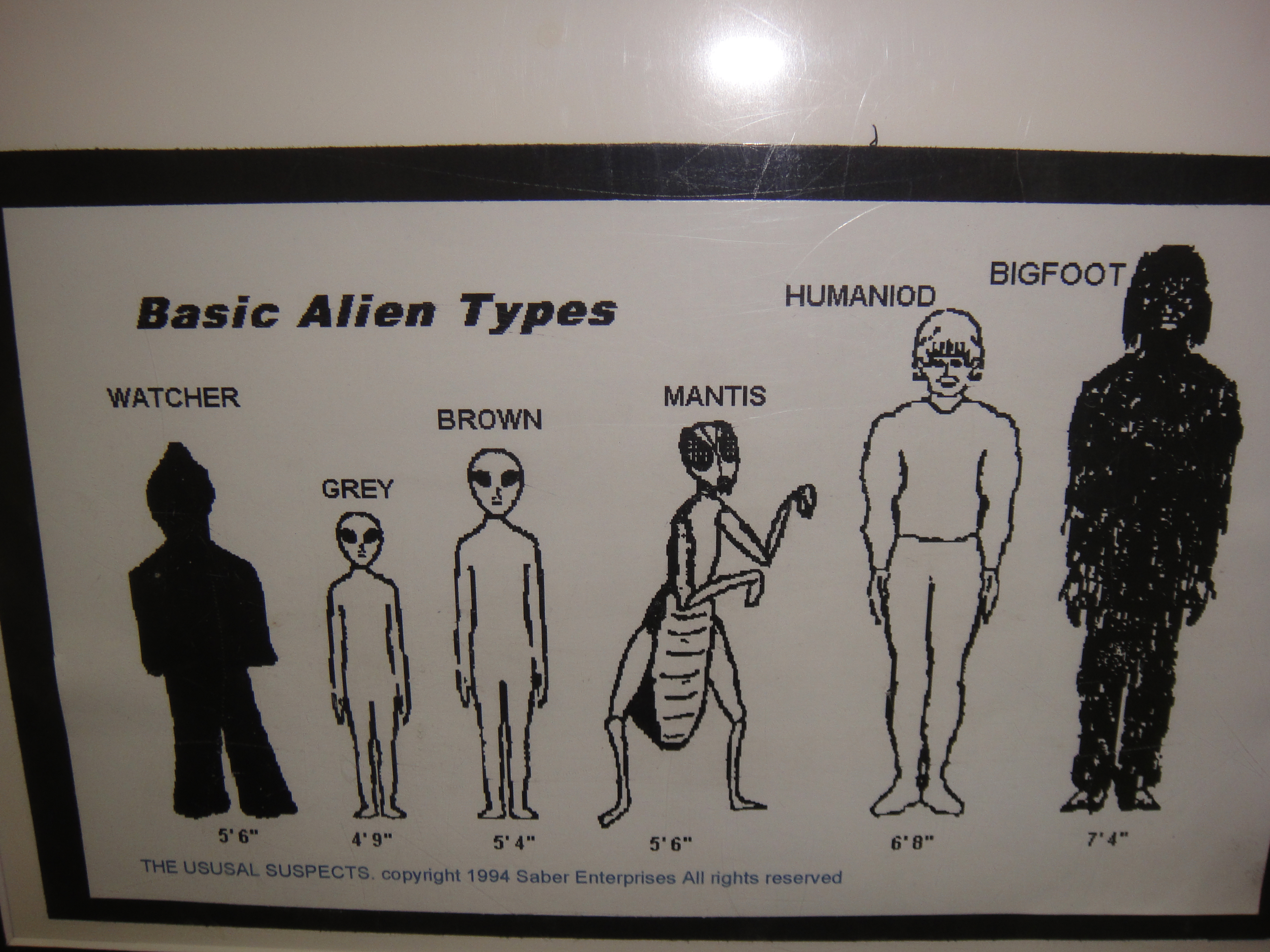
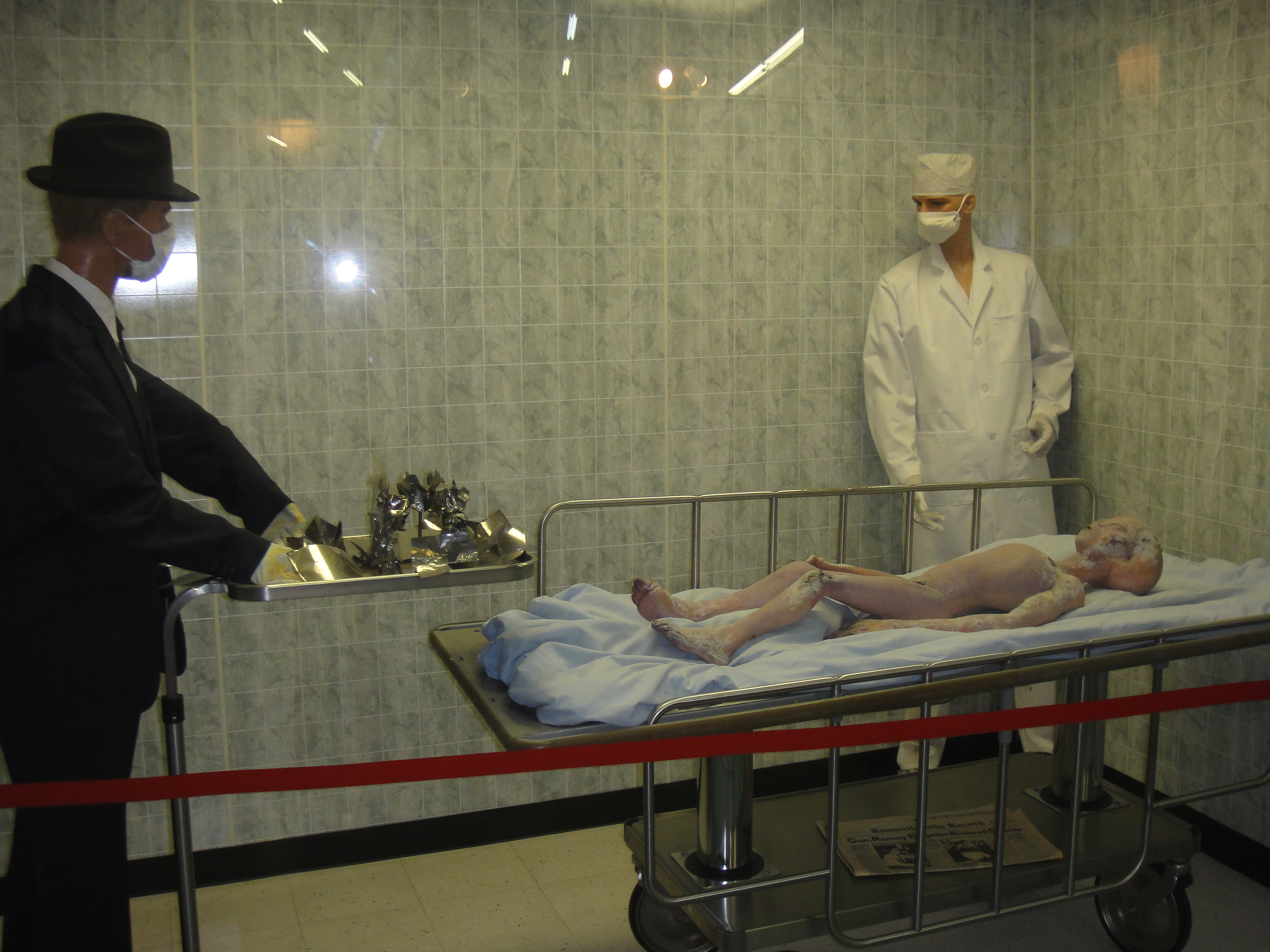
A couple of years ago, I ventured into Roswell, New Mexico and visited the International UFO Museum and Research Center. As you may know, Roswell is the home to one of the most famous UFO encounters. Apparently, there was a crash and a quick cover up by the military. This museum is dedicated to telling the story of that event and others like it.

The museum was what I expected. There were a lot of photographs, videos and eye-witness accounts. The research center had shelves filled with anything you would want to know about UFO’s. I found the register most interesting because it contained the names of people who I have seen on UFO documentaries through the years.

However, I came out of the museum with one surprise. It seems that Big Foot is an alien. I would have never guessed that.

Listeria – New Mexico Edition

17 Jul

New Mexico is one of my favorite states. How’s that for a short and to-the-point sentence? It is a place that I have visited numerous times, both for my job and for pleasure. Each time I go, I discover something new about the state and about myself. That’s the kind of place that New Mexico is.

Last night, I was grocery shopping and made my way over to the magazine aisle. There, I picked up a copy of Cowboys & Indians (a very non-politically correct title) and flipped through the pages – mostly looking at the pictures. That’s when I noticed some recognizable scenes. Turns out, they were part of an article called “100 Reasons We Love New Mexico”.

Another list after recently writing about lists! And, this list is about New Mexico! So, the magazine people did their job and sold a copy. I took it home; read through the list; and realized that I knew a bunch of things on the list. After counting, I had experienced 41 items on the list. Not bad for a history professor in Tennessee.

In homage of a great state, this is the list of the 41 things I have experienced on the Cowboys & Indians list of 100. First, a few disclaimers. The number is where the magazine has each item listed. Second, the quoted comments in bold come from the magazine, and the comments without quotes come from me. Third, the photographs come from me, so I don’t have pictures of everything.

1. “First impressions: clean air, blue skies, clear light; soft colors.” New Mexico definitely has plenty of each.

2. “The Sangre de Cristos Mountains.” They look over Santa Fe.

4. “The high road to Taos!” I’ve driven on the road but not all the way to Taos.

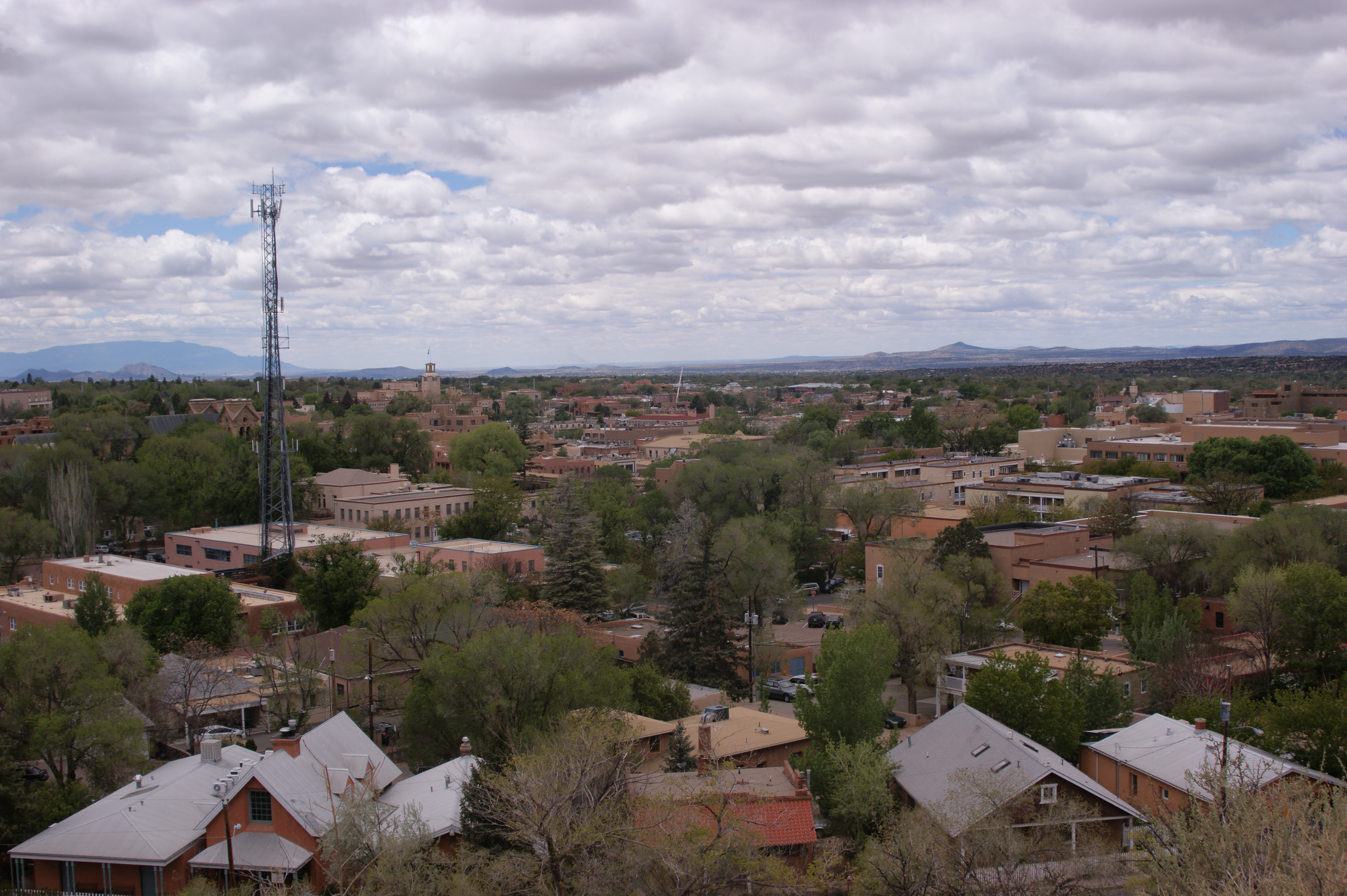
6. “Sunset at La Fonda’s rooftop Bell Tower bar in Santa Fe.” This place is on top of one of Santa Fe’s premiere hotels and provides a great view of the Santa Fe Plaza.

7. “The view of the Santa Fe and Jemez Mountains from the Cross of the Martyrs. Dedicated in 1920 to commemorate the 21 friars and numerous Spanish colonists killed in the 1680 Pueblo Revolt, the site is accessible by stairs from Paseo de la Loma.” This site has a few issues. First, parking is a problem. Second, it doesn’t say anything about the Native Americans killed by the Spanish.
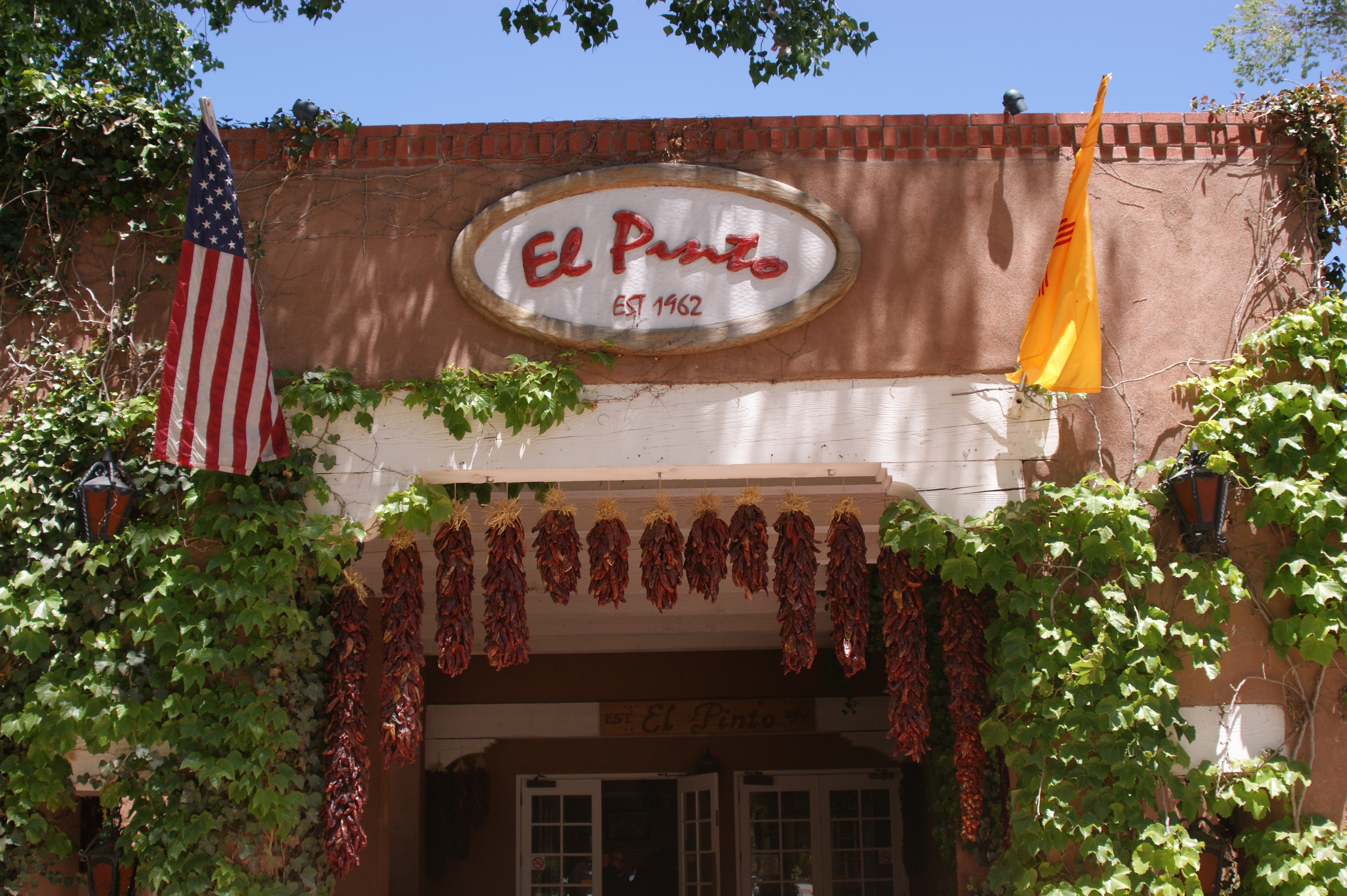
11. “Ristra hanging everywhere.” El Pinto in Albuquerque is my favorite place to see these.
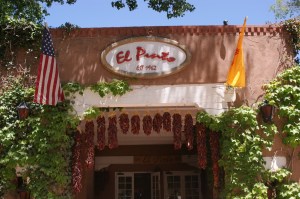
12. “The pinyon, the cherished state tree names by Spanish explorer Alvar Nunez Cabeza de Vaca in the 1530s.” These plants are everywhere and are an important part of the state’s landscape.

15. “The Sandia Mountains at sunset.” This is truly a beautiful sight.

16. “The Zia symbol for the sun (from the ancient Zia Pueblo people) flying on the red and gold (for Spain) state flag.” The state capitol, which I walked around and through this year, is also built in this shape.

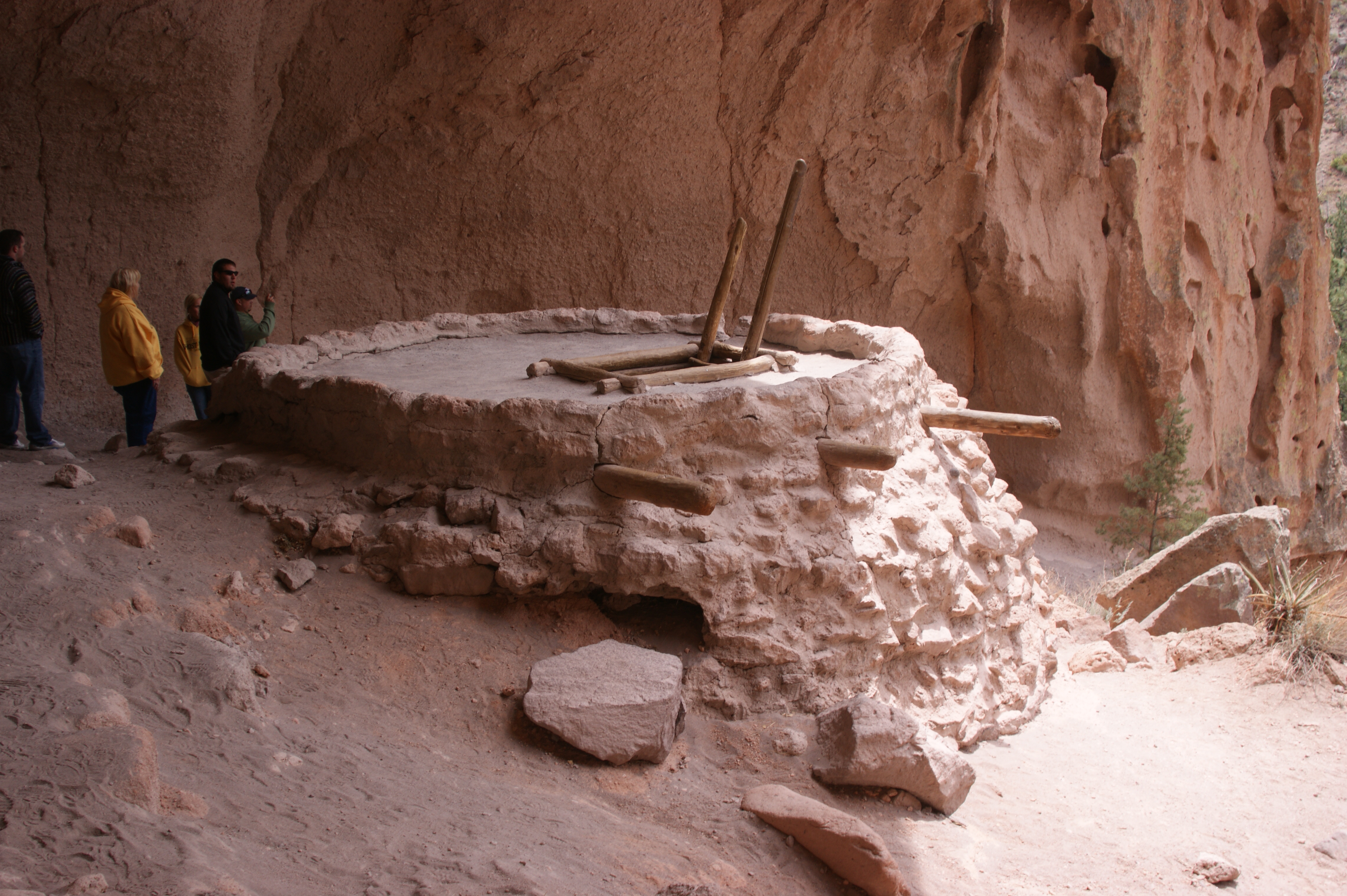
17. “Pueblo cliff dwellings and Kokopelli’s image among the ruins at Bandelier National Monument.” This is a great hike, and there is also a great visitor center with a grill and gift shop.
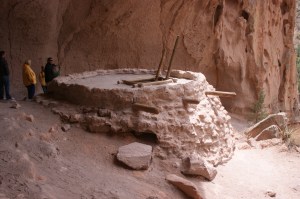
19. “Frito pie – served in the bag – at the Five & Dime on Santa Fe Plaza.” It’s also a great place to buy t-shirts.

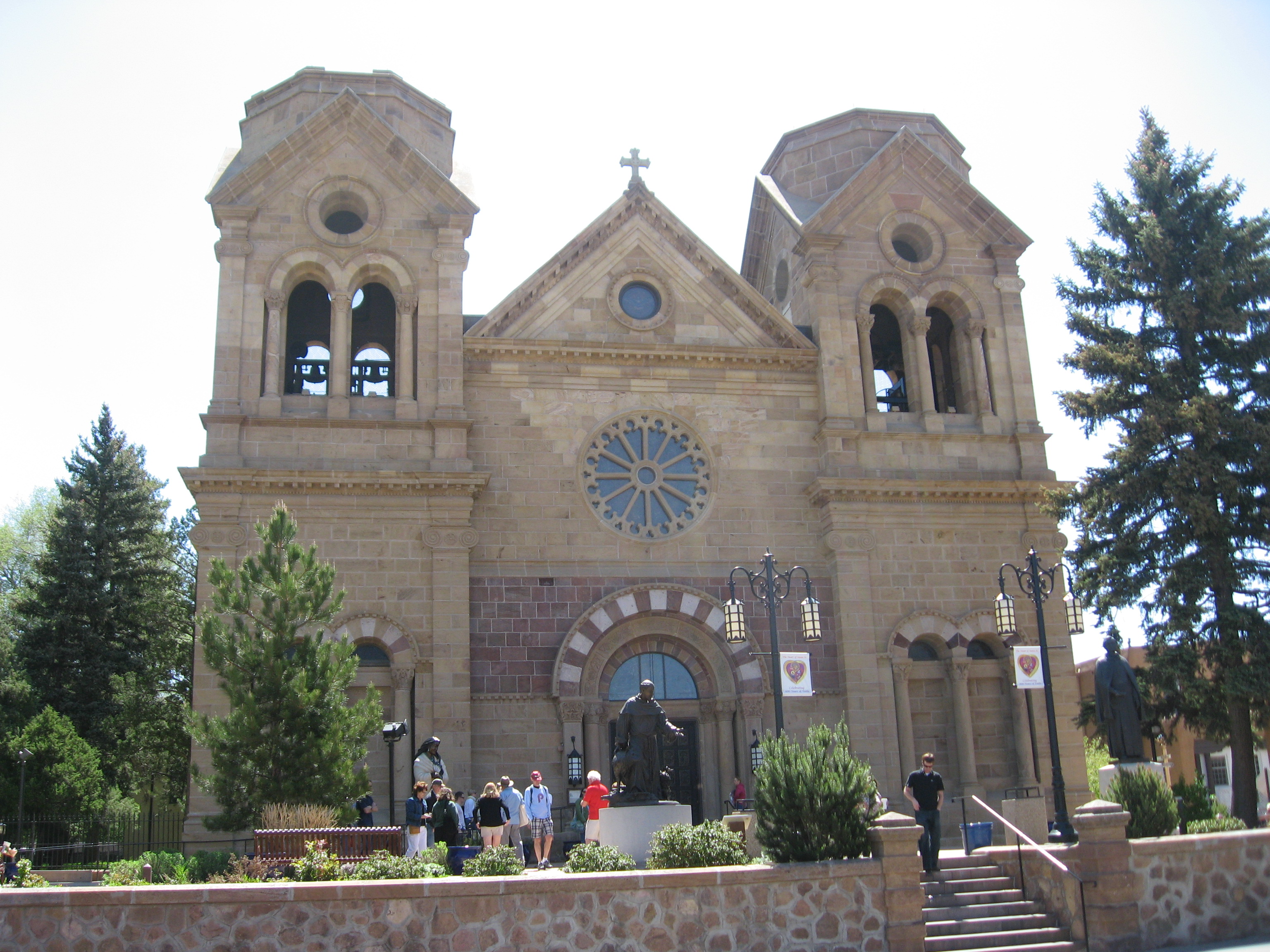
22. “The oldest Madonna in the country, Our Lady La Conquistadora statue (she arrived in 1625 with the Franciscans), in the chapel at Santa Fe’s cathedral Basilica of Saint Francis of Assisi; and in the cathedral’s outside portico, the Blessed Kateri statue of Kateri Tekakwitha (1656-80, Mohawk-Algonquin), the first North American Indian to be beatified.” No building in the downtown district can be taller than the towers of the cathedral.
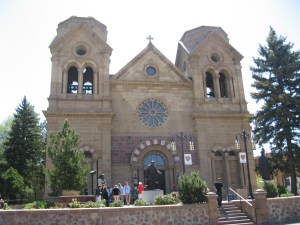
24. “A museum pass and a shuttle ride up for a day on Santa Fe’s Museum Hill.” I must admit that I have never taken a shuttle to the hill, but I have walked through the maze several times.

25. “Friday night gallery walks along Canyon Road.” I have never been there at night, but I have walked through the galleries. I have even witnessed a few friends make purchases.

26. “Herds of elk.” This is one of the items that field trips students are supposed to mark off on their list. Sometimes we see them, sometimes we don’t.

29. “Scoring a find at the Pueblo of Tesuque Flea Market.” I have bought a few things at the flea market, but the best was a tall cup of prickly pear lemonade.

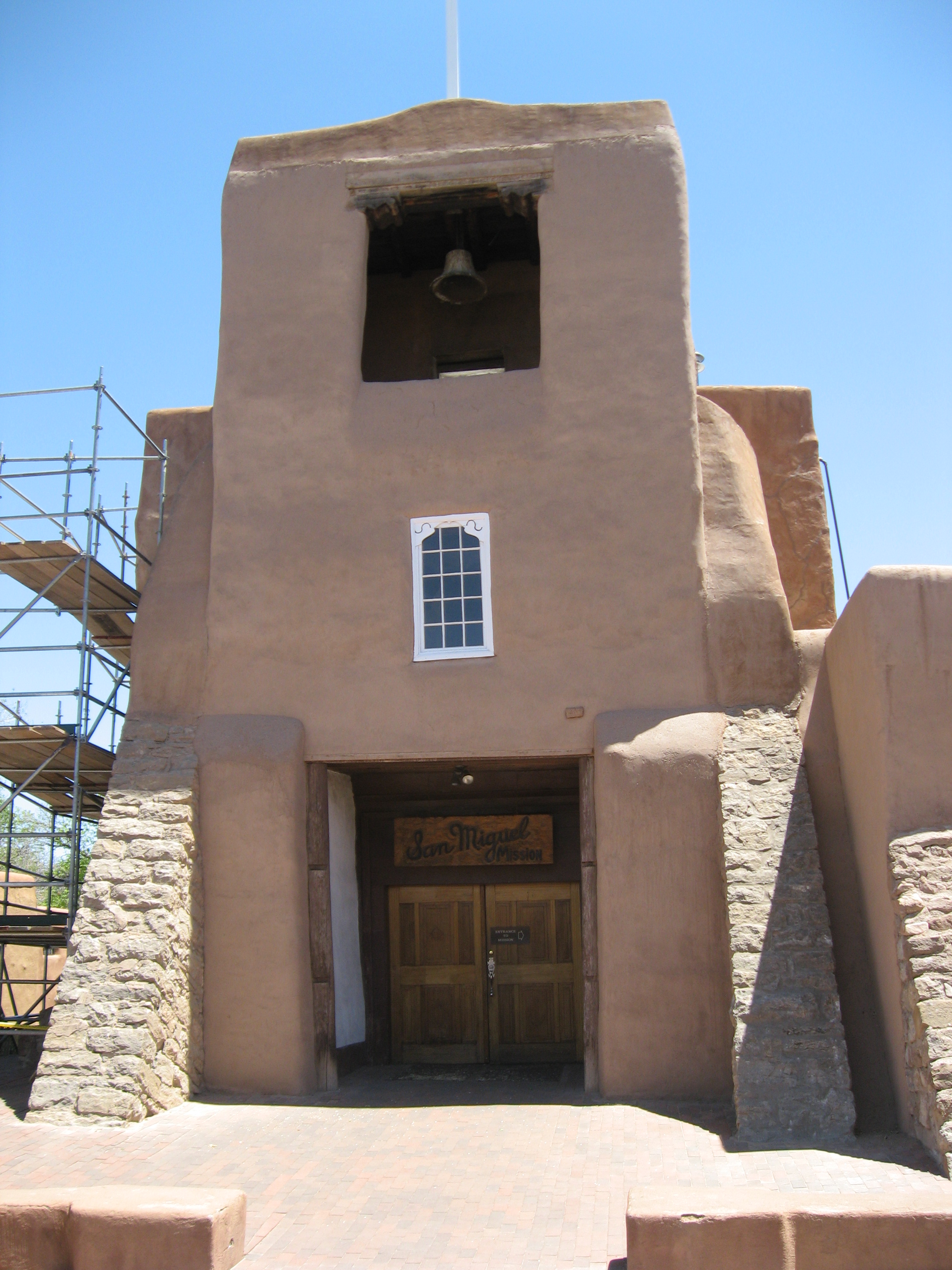
30. “Meditative moments inside the thick, old adobe walls of the lovely San Miguel Mission Church, perhaps the oldest church in the country (1610-26).” On this year’s field trip, some of our students helped make new adobe bricks for the church.
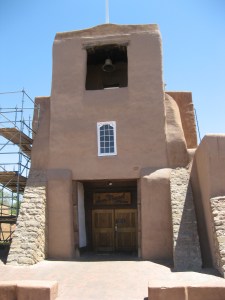
36. “Hiking slot canyons at Kasha-Katuwe Tent Rocks National Monument on the Cochiti Pueblo through formations that look like giant rock soft ice cream cones or petrified sand castles.” We hiked Tent Rocks for the first time this year, and it was a fantastic experience.

43. “Albuquerque’s Indian Pueblo Cultural Center, the gate way to New Mexico’s 19 pueblos.” I went here several years ago, and, admittedly, don’t remember much about it.

47. “The healing shrine of Santurio de Chimayo.” This church is a pilgrimage for those suffering from various ailments and maladies. The dirt in the side chapel supposedly has healing properties. Whether you believe that or not, it is a beautiful church.
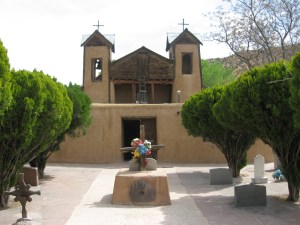
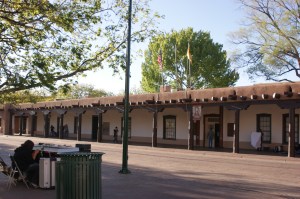
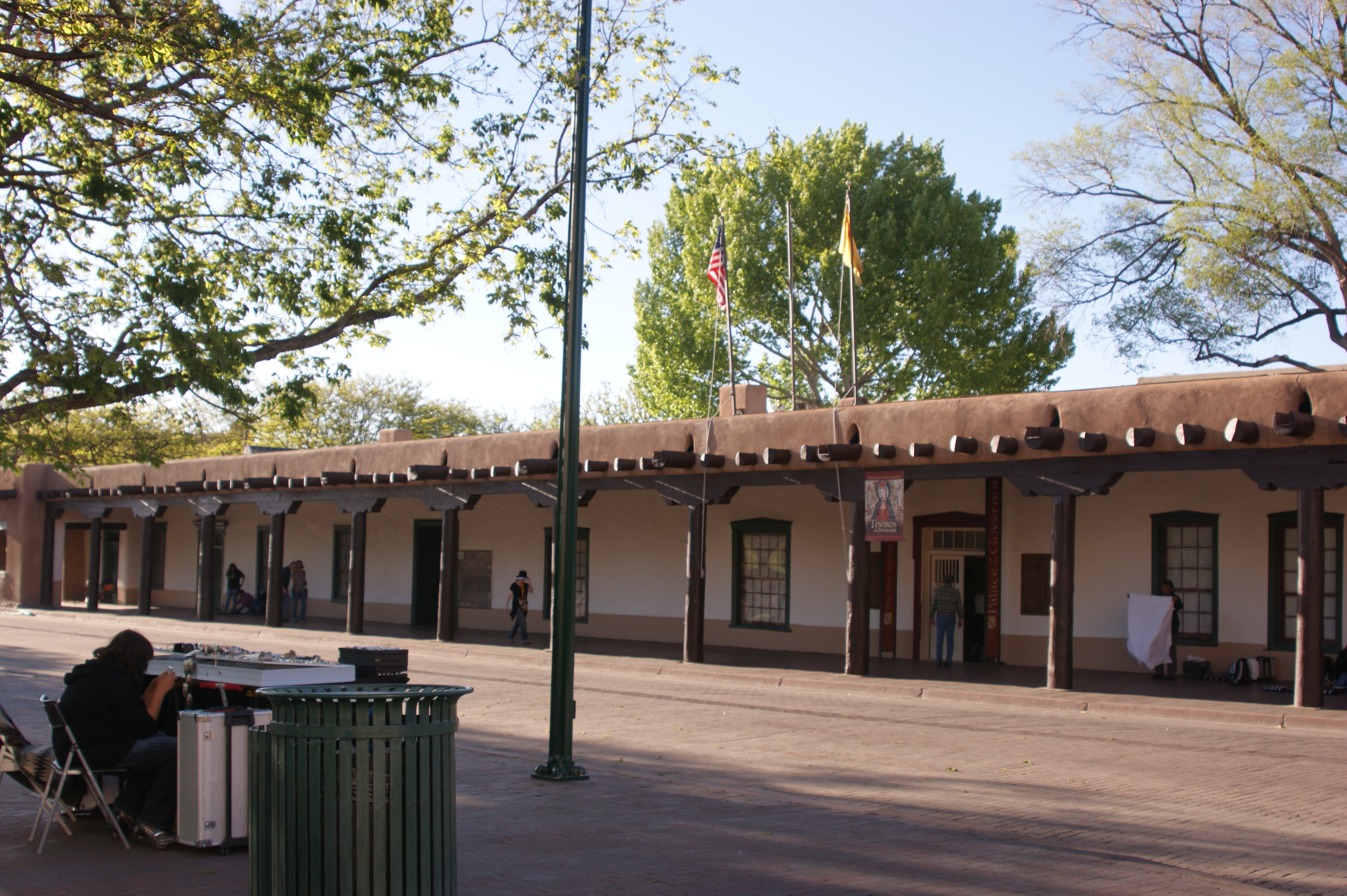
50. “Shopping for turquoise and silver from the licensed American Indian vendors under the historic portal of the Palace of the Governors on the Santa Fe Plaza.” The Palace of the Governors is the oldest government building in the United States. If you walk its exterior to buy something from the vendors, then you need to remember to negotiate the prices with them.

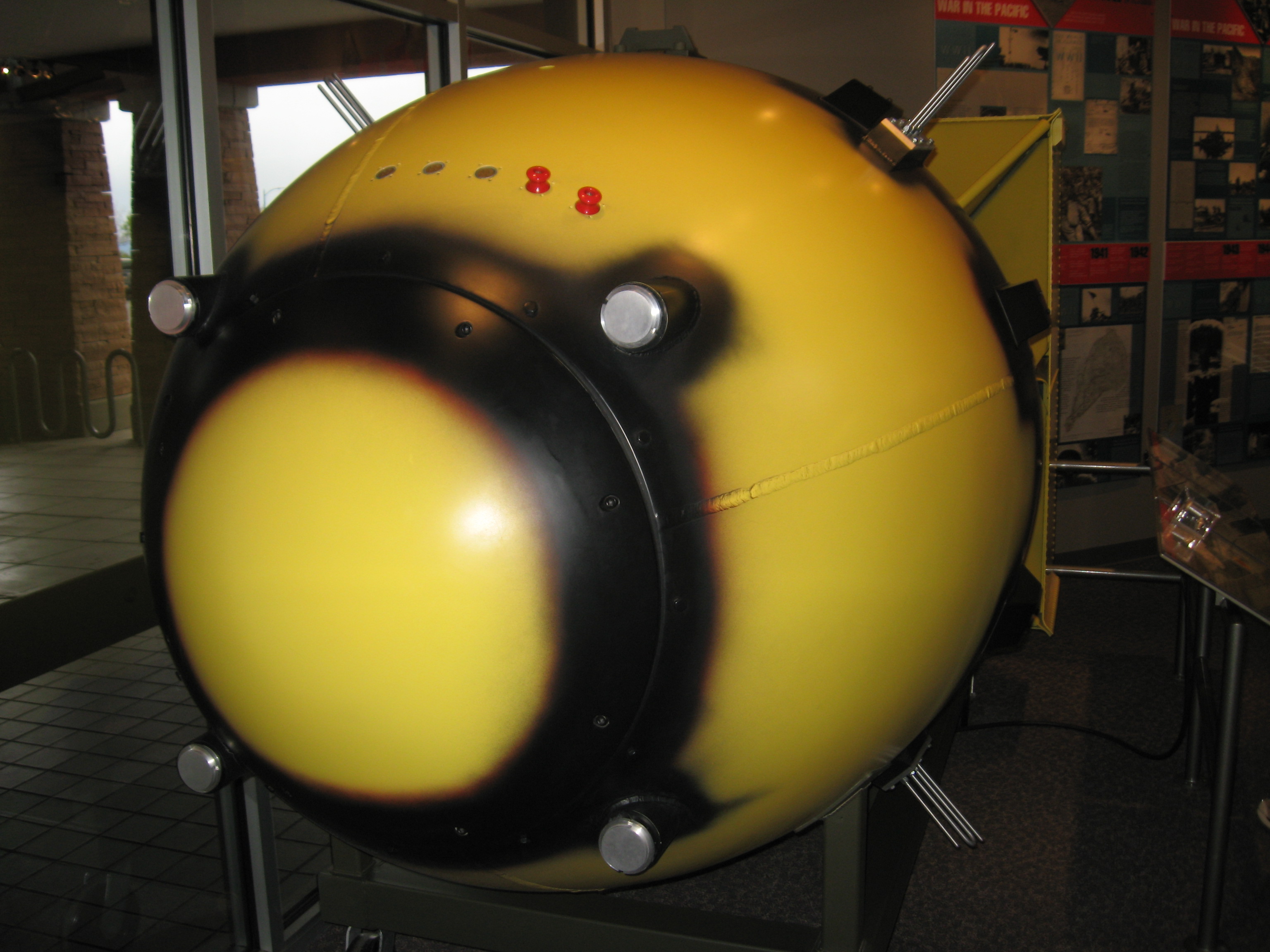
51. “The Bradbury Science Museum in Los Alamos.” This is a great museum about New Mexico’s impact on the 20th Century. Los Alamos was the place where scientists built the first atomic bombs, and the museum chronicles the history of the town.
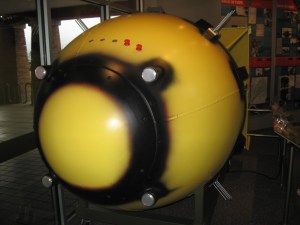
53. “The De Vargas Street House in Santa Fe for its history, tiny museum…Built ca. 1646, it is reputedly one of the oldest homes in the country.” It sits across the street from #30.

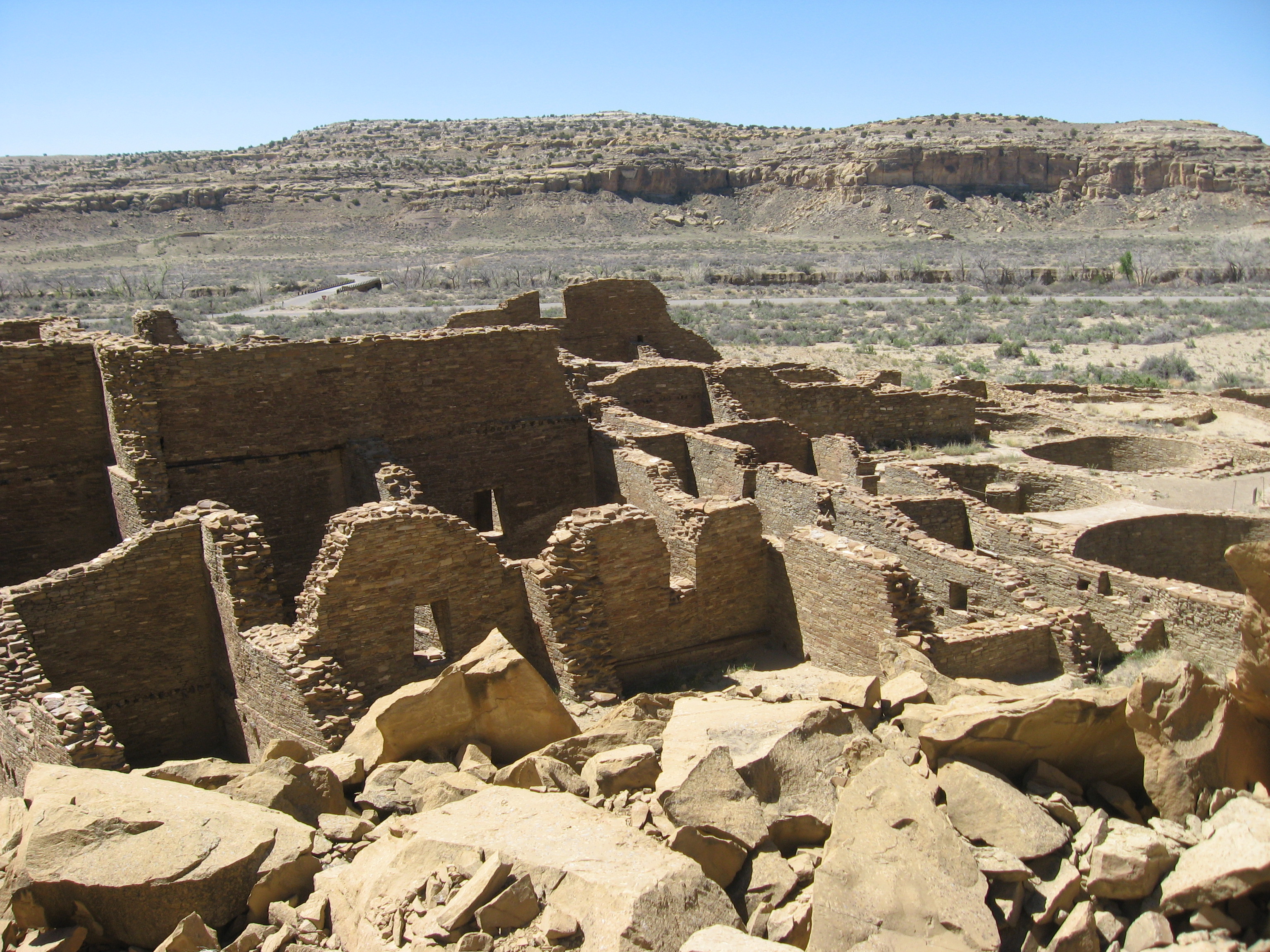
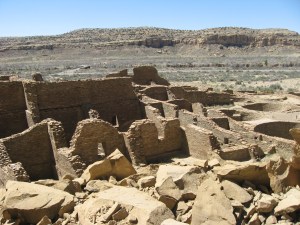
56. “Chacoan ruins…in Chaco Culture National Historic Park.” This is a great place to visit. Interesting ruins. Great mesa hike. But, it is a pain getting there.
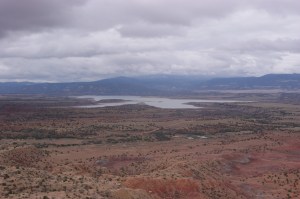
58. “Georgia O’Keefe – from the eponymous museum in Santa Fe to her Ghost Ranch and Abiquiu homes to her seeming presence everywhere in the high-desert landscapes she loved and painted.” I have been to the museum and seen her house in Ghost Ranch, but the best part of the O’Keefe experience is hiking the mesa at Ghost Ranch. It overlooks one of her favorite landscapes.
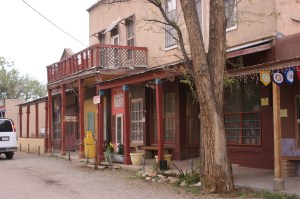
60. “Four Corners Monument, marking the only place in the United States where four states – New Mexico, Arizona, Utah and Colorado – meet.” When I was a kid, my parents searched for this place forever so I could lie down in four states at once. A few years ago,  I went as an adult and wanted to do it again. They had it fenced off for construction, and I could only walk around in four states.

67. “Exploring old mining towns and galleries along the Turquoise Trail National Scenic Byway.” I have purchased several pieces of art in Madrid, but I think I like Cerrillos better. For a special experience, try making a concert at Two Rocks and a Hubcap.
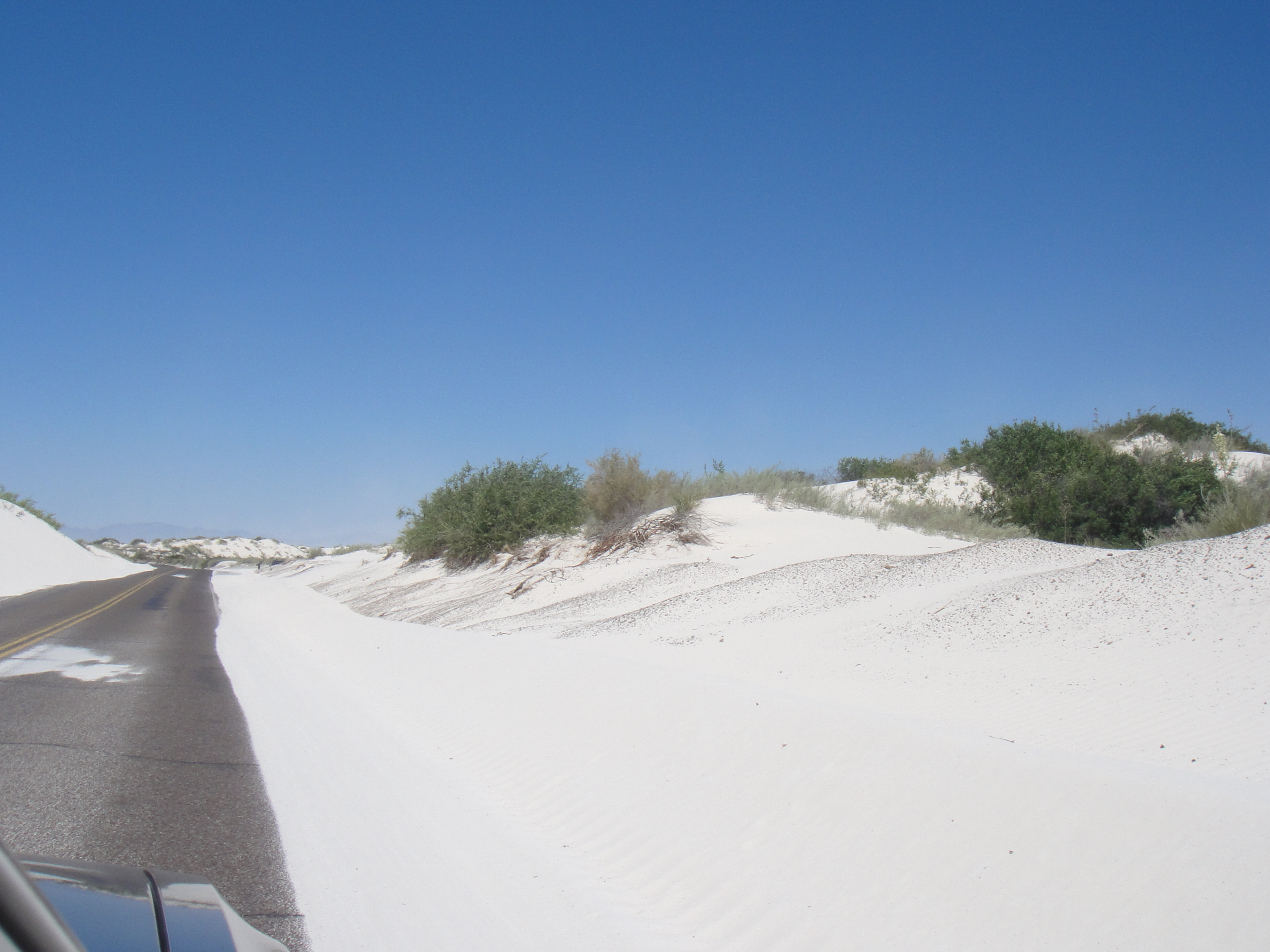
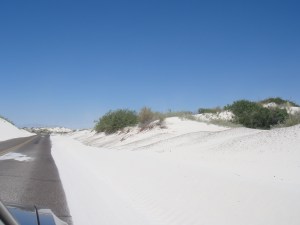
72. “The 16-mile scenic drive…at White Sands National Monument.” This is one of the strangest landscapes in the United States. You are driving along typical New Mexico landscape when there are suddenly sand dunes everywhere.
74. “Fry bread stands.” I didn’t realize until I tried this that Native Americans invented the funnel cake.

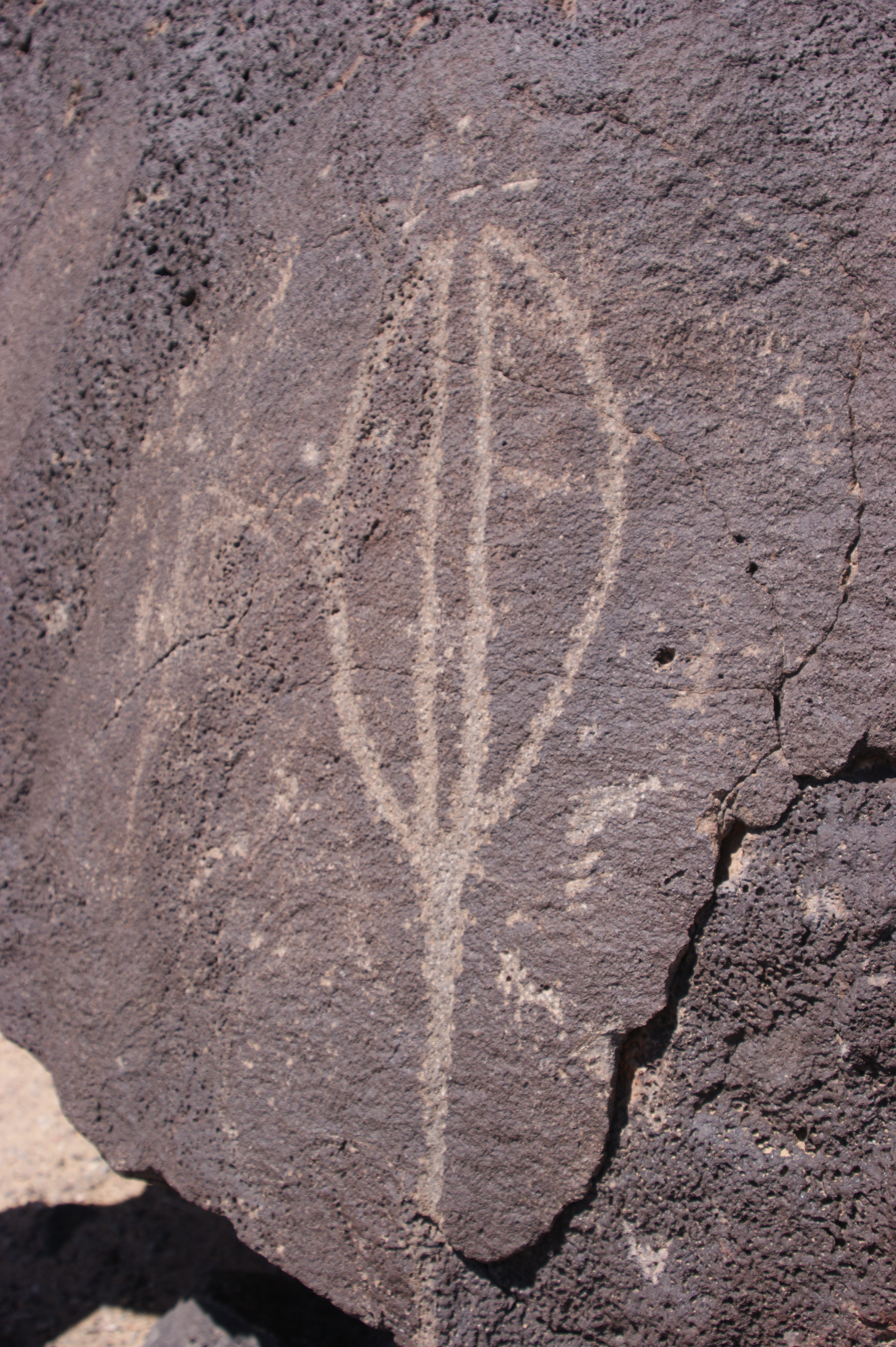
76. “Hiking Inscription Loop Trail at El Morro National Monument and taking in some 2,000 petroglyphs and Spanish inscriptions dating back to the 1600s.” This is an amazing trail because the inscriptions make you feel that you are hiking through time.

77. “An extraterrestrial day in Roswell.” The most famous UFO crash in American history happened outside of town, and the downtown museum is a perfect destination for conspiracy theorists.
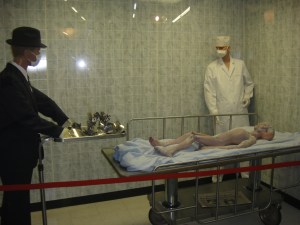
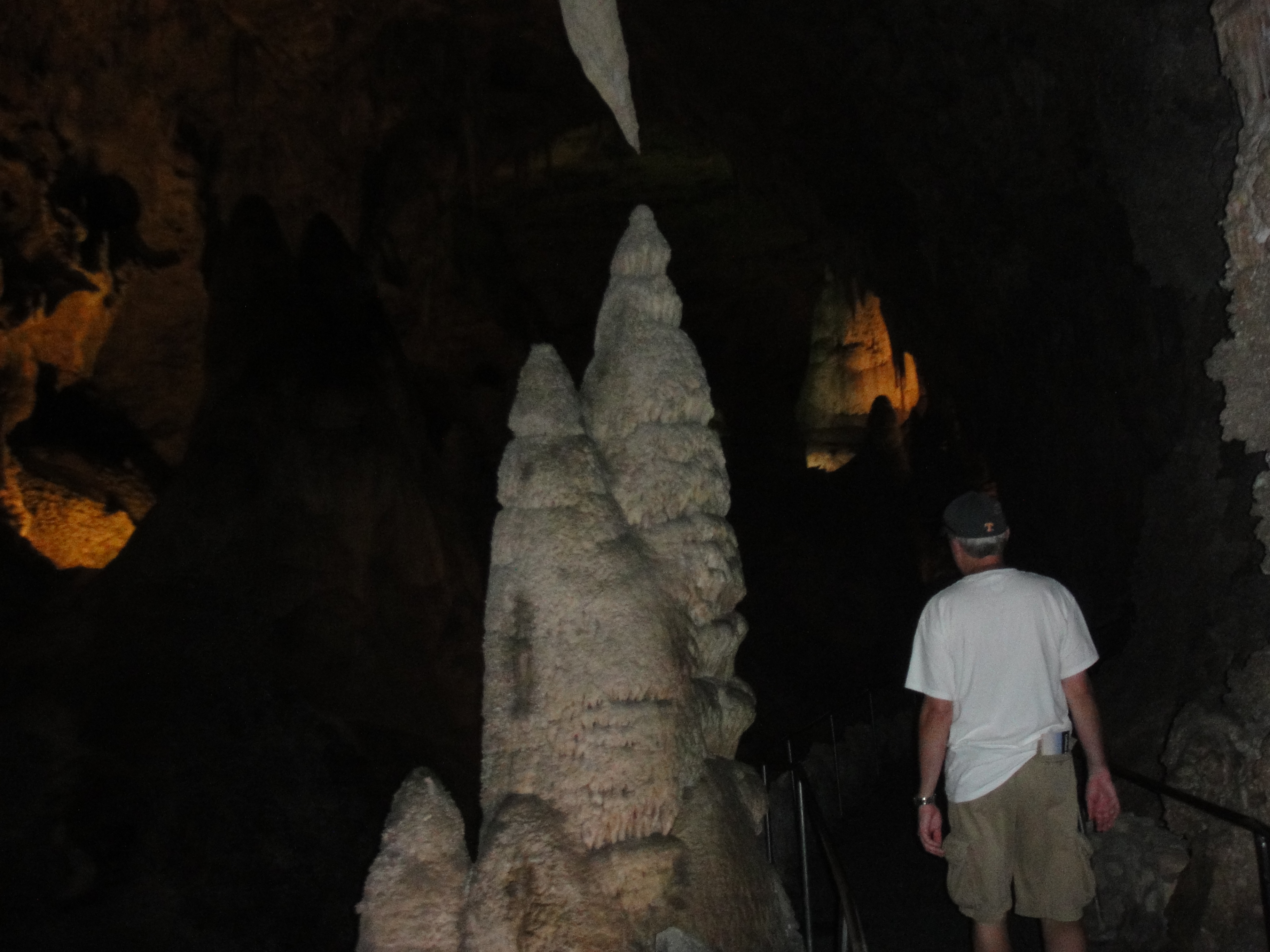
81. “Going subterranean at Carlsbad Caverns National Park.” You know a cave is cool when you hike into it and ride an elevator out of it.
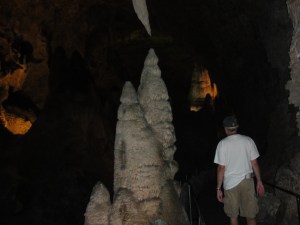
85. “Ghost towns.” My favorites are Cuervo, which sits along I-40, and Shakespeare, which is in the southeast corner of the state.

86. “Hiking in a collapsed volcanic crater at Valles Caldera National Preserve.” Ok, I haven’t hiked it, but I have driven along its rim. This is the place to see the elk of #26.

87. “Stargazing at the Very Large Array in Socorro.” Ok, I went there during the day, but it is still impressive. It is also where Jodie Foster first heard the alien transmissions in Contact.

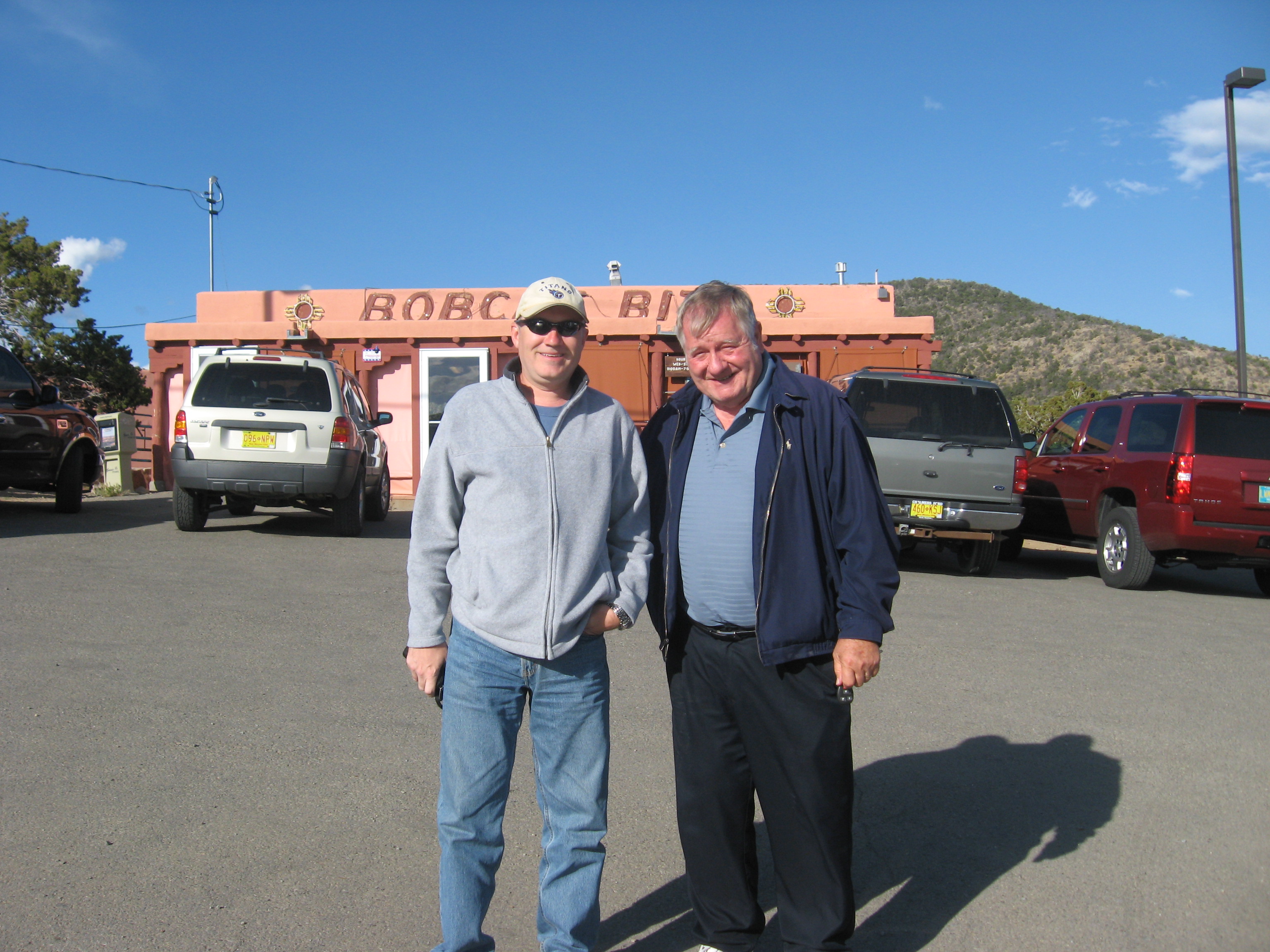
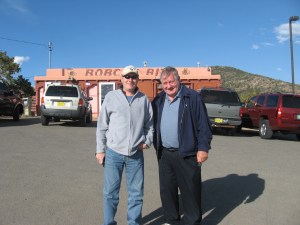
89. “Green chili cheeseburgers – at Bobcat Bite, Bert’s Burger Bowl, and all along the green chili cheeseburger trail.” I have dined at both restaurants, and Bobcat Bite is the best by far. I don’t care what Guy Fieri says.
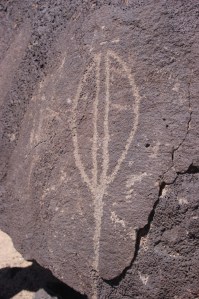
90. “An abundance of ancient ruins and petroglyphs that are now national and state monuments and historic parks.” The magazine lists a bunch of these, but I am only including the ones I have visited. Chaco Culture National Historic Park. Bandelier National Monument. El Morro National Monument. Petroglyph National Monument. Pecos National Historic Park. Coronado State Monument. I wonder what the difference is between a “historic park” and a “monument”.
92. “A docent tour at the New Mexico History Museum/Palace of the Governors on the Plaza in Santa Fe.” The New Mexico History Museum is the best museum I have ever visited.
93. “American Indian pottery, from Maria and Julian Martinez to Barbara and Joseph Cerno.” A few years ago, I bought a piece of Martinez pottery, and it is one of my prized possessions.

95. “Historic Route 66.” You can’t go anywhere in the Albuquerque area without crossing it.

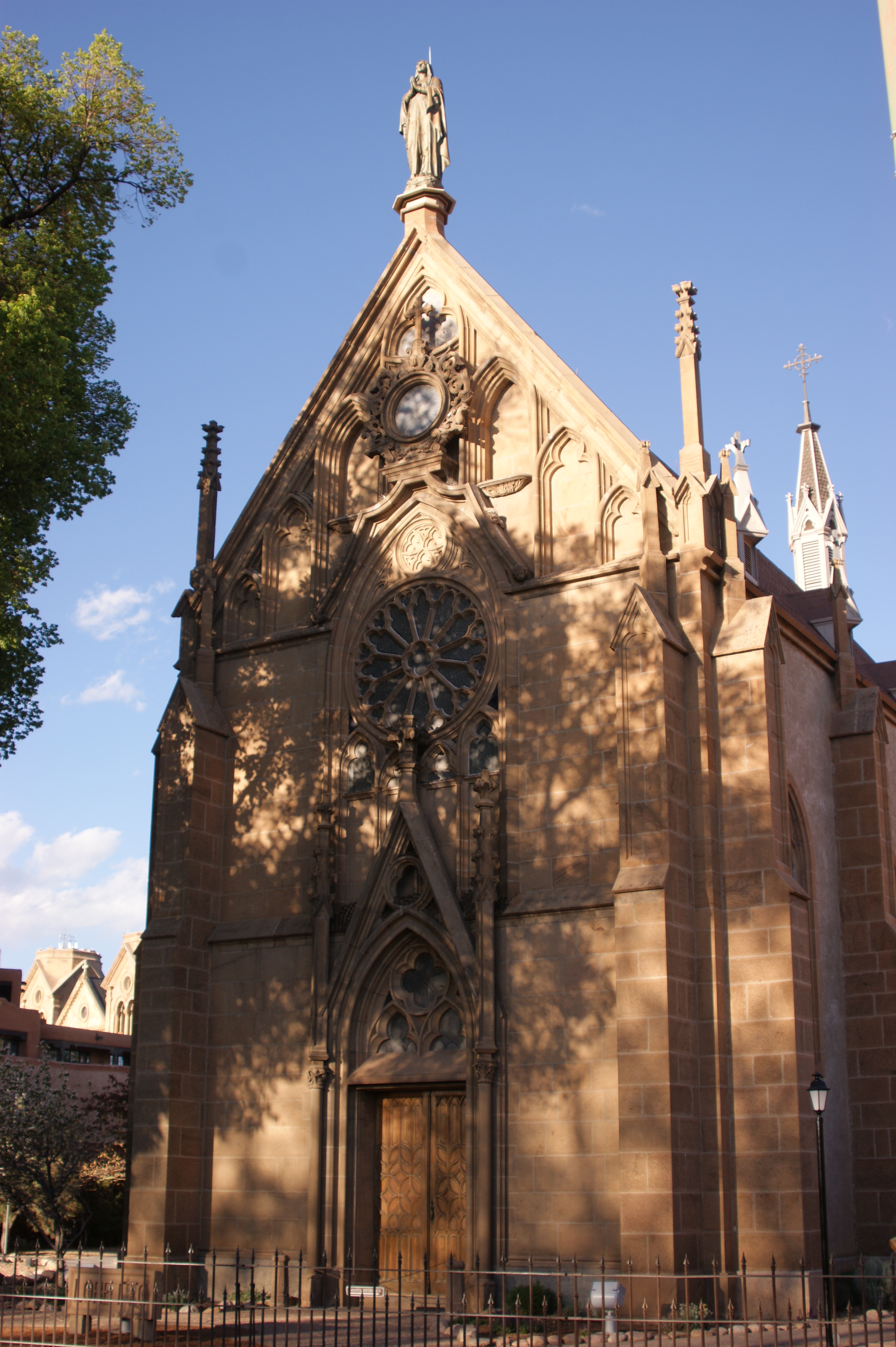
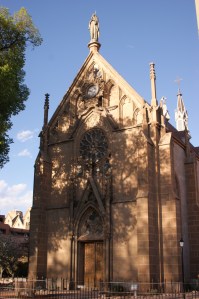
97. “The miraculous staircase in Santa Fe’s Loretto Chapel.” I saw this on That’s Incredible when I was a kid but never knew where it was. One day, I walked into this church, and, lo and behold, I found it.
There you have it – my version of New Mexico Listeria.

Picture This – Holcomb Community Park

31 Jan

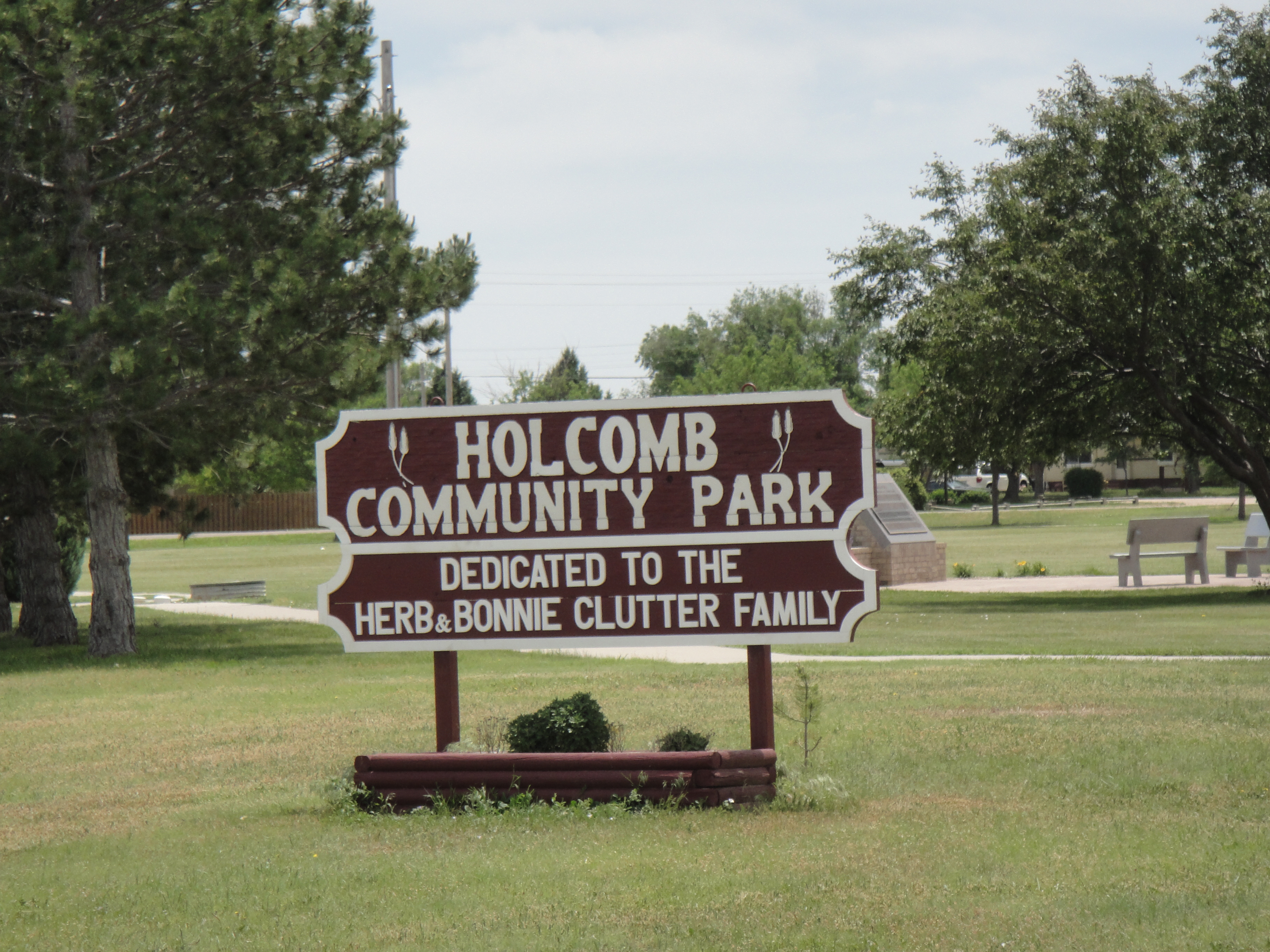
Cities all over the country have parks dedicated in the honor of local citizens, and many of them have the same attributes as this one – benches, trees, walking trail and plenty of grass for picnics. Compared to other parks, this one is small, as it sits in a triangle of crossing streets. It is as if the small town of Holcomb, Kansas needed to do something with land that had been cut off from use and thought a small greenway would be a perfect solution.

However, this park does not honor a founding family or a local politician. It is dedicated to the family of Herb and Bonnie Clutter, which was slaughtered when their home was invaded by robbers in 1959. Tragedies such as this happen in cities all over the nation as well, and as years pass those incidents, also tragically, fade from the memories of those communities. In today’s world, we seem to be desensitized to the violence that happens around us. Bridges are named for fallen soldiers, but we hardly think about them as we pass by the signs. There may be other parks honoring murder victims, but they must be few and far between. So, why did the citizens of Holcomb build a park in honor of the Holcomb’s? Because several years after the attack, the murder in rural Kansas became known to people throughout the world.

After reading a newspaper article about the crime. Truman Capote became mesmerized by the story. He convinced Harper Lee, his childhood friend, to travel to Holcomb and investigate the murder. The result was “In Cold Blood”, a book that many believe began the “True Crime” genre. The writing of the book and the book itself have also been the subject of several movies. In my opinion, the work of Capote and his role in the overall story has come to overshadow the actual crime. As I drove around the small town and walked around the park, I did not think of the Holcomb’s or the men who were convicted of their murders. The question that kept running through my mind was:
Truman Capote came here?

The few people I saw stared at my rental car with the Tennessee tags and gave me the “what are you doing here?” look. And, I am sure they are used to a few people stopping by because of the town’s notoriety. I can’t imagine the reaction of the citizens of 1959 Holcomb when Truman Capote – he of the high society and fashionable side of New York City – arrived with his peculiarities. Likewise, I can’t imagine Capote’s thoughts when he arrived in a little town surrounded by nothing but flat plains. A more odd meeting of cultures is difficult to think about.

Despite of the strangeness of it all, or maybe because of it, I suggest a stop by the park to anyone who finds themself in the vicinity of Holcomb. Take a stroll around the walking trail or sit on a bench and take yourself back to 1959. Picture Capote and Lee hanging around town and interviewing people. Think about the reaction of the authorities when the pair walk in and start asking questions. And, imagine the journey that the writers took to dig deeper into a newspaper story. However, do not forget the Clutter family; the crime that struck down parents and two children; and the two other children left to live with the pain and the constant, best-selling reminder of the horror of their lives.

Picture This – Saguaro Cactus

25 Jan

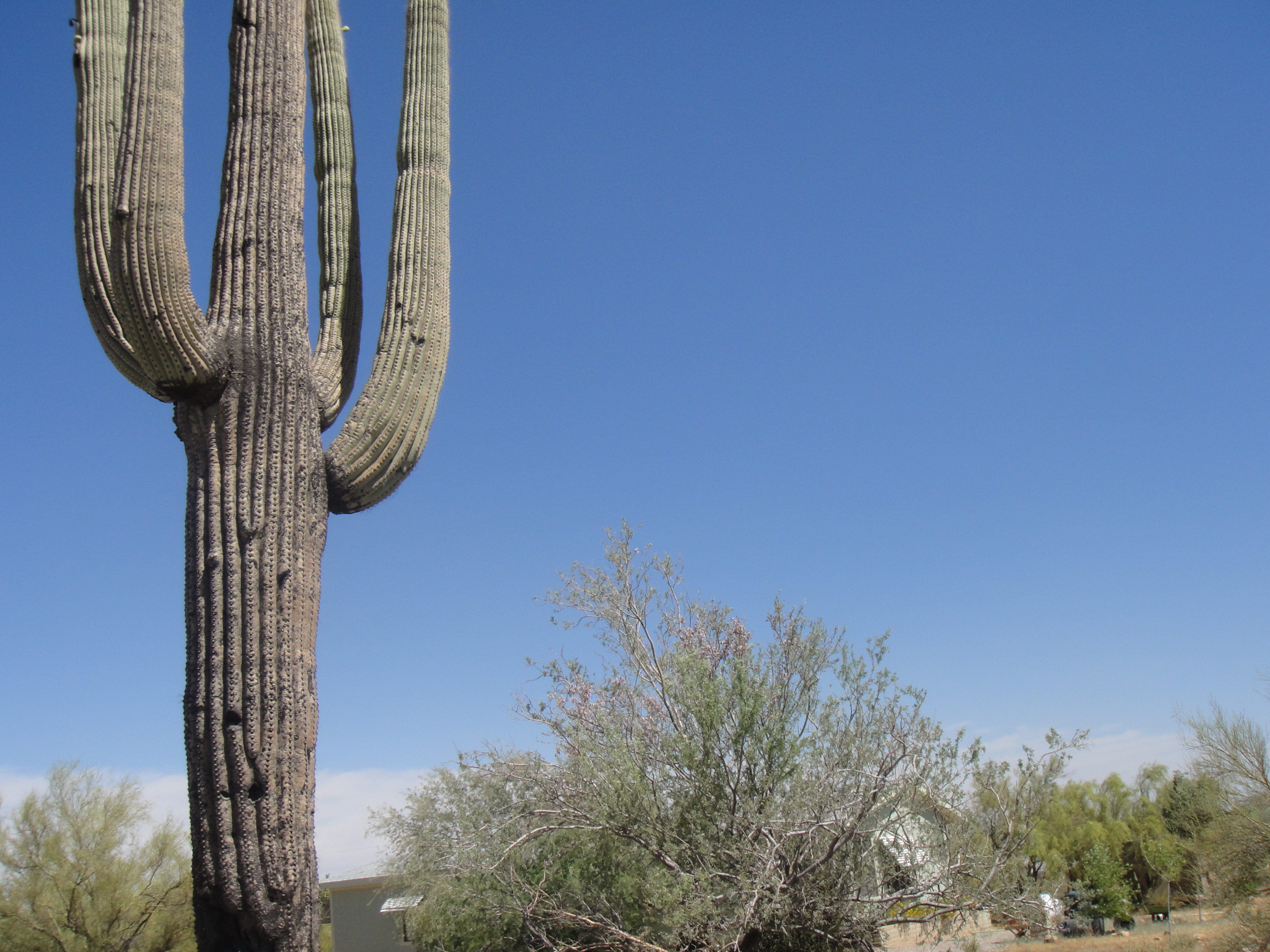
I have noticed that most blogs follow a theme. Some people write about cooking while others write about books. There are blogs about music, history, relationships and even adult entertainment. This blog really doesn’t follow a set pattern. I simply write about what’s on my mind at that particular moment. I have made attempts at being witty, serious, thoughtful and insightful, but lately I have found myself struggling to come up with things to write about. I don’t want to force anything because blogs should flow naturally. With that in mind, I have been trying to come up with some new ideas. Actually, I have been staying awake at night with ideas floating through my head. Does that mean I am addicted? I don’t know, but a thematic idea has cropped up. Occasionally, I will click a random photograph in my computer and write about it. This will be the first go at it, so here is a picture.

Saguaro Cacti are found in southern Arizona and can live 250 years. Due to the numerous westerns filmed in the area, the cacti have become iconic symbols of the American West. The plotlines of films made moviegoers believe that the cacti could be found throughout the southwestern United States. In fact, the best place to see them up close is in the land surrounding Tucson, Arizona. When this photograph was taken, I was walking through the sand and around the vegetation while my girlfriend at the time stood on the path. As a person with an intense fear of bugs, the sounds made by the insects in the area were freaking her out. I must admit that the clicking sounds reminded me of some of the sound effects I have heard in alien movies. With the constant noise in the air, we took some photographs and moved on down the road. Our next stop was the Old Tucson Movie Lot and Studio, home to the movies that made these cacti and this landscape famous.