Archive | Travel RSS feed for this section

Amber Waves of Grain

8 Aug

After climbing Pompeys Pillar, Lewistown was the next destination of our Montana adventure. Along Highway 87, we passed through communities like Roundup and Grass Range. We also passed through lands scarred by fire. A lady at the baseball game told us that the area had been ravaged by wildfires, and dozens of homes had been destroyed. Also, livestock had to be euthanized due to excessive burns. We had heard nothing about this on the news, and she wasn’t surprised. I believe her quote was, “The only time Montana makes the news is when someone shoots a coyote, and PETA gets upset.”

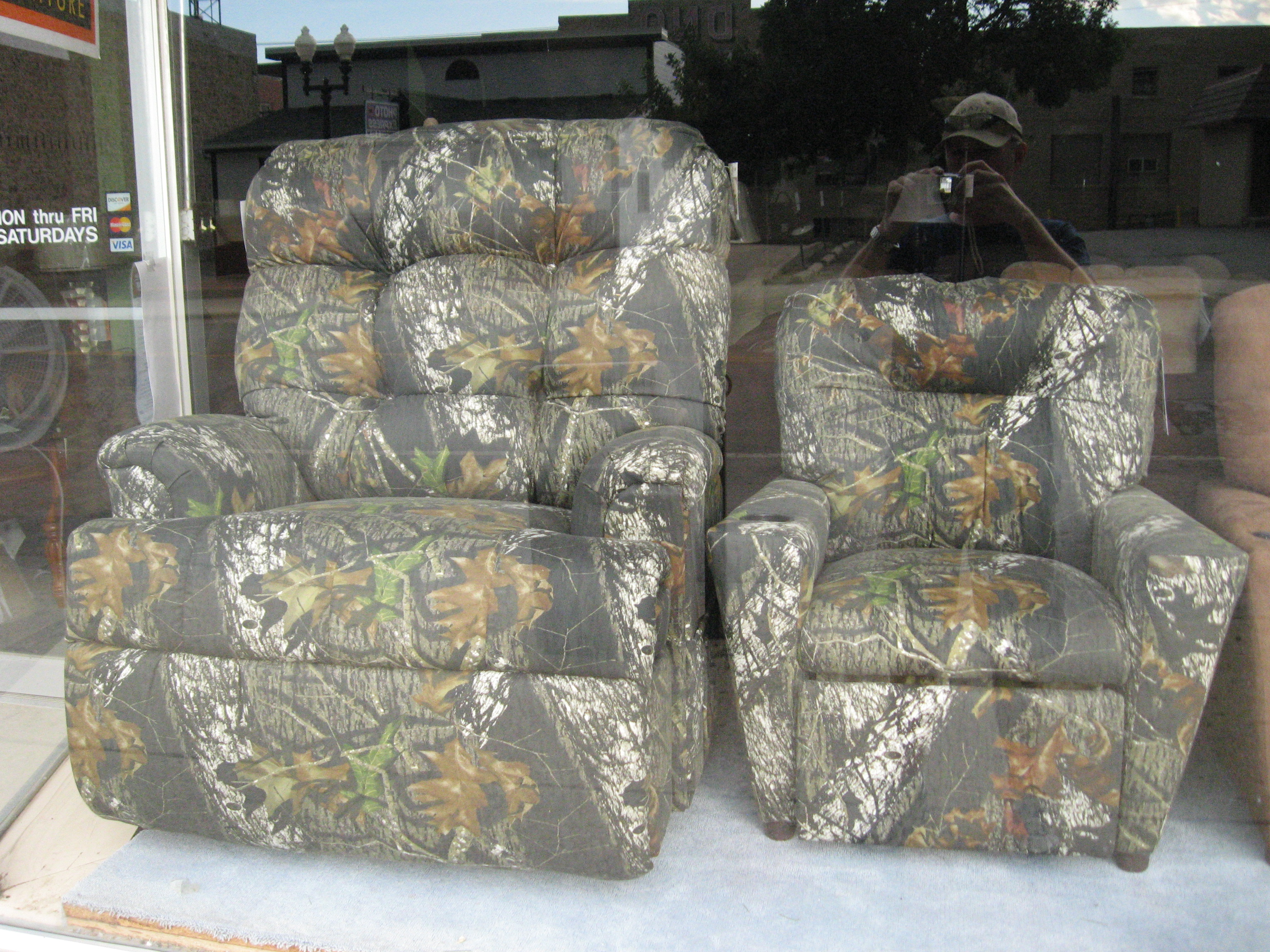
We made it to Lewistown, and I took a stroll down the main street with my oldest nephew. I felt like we had jumped into Mr. Peabody’s WABAC Machine. Kids were riding bicycles past storefronts filled with toys, appliances and furniture.

I know you can’t see the chairs because they are camouflaged.

There was also a movie house that was 90 years old. I know that because we went into the lobby and asked. It was strange to see a modern superhero movie like The Dark Knight Rises playing in a theater such as this.

I assume it wasn’t the silent version.

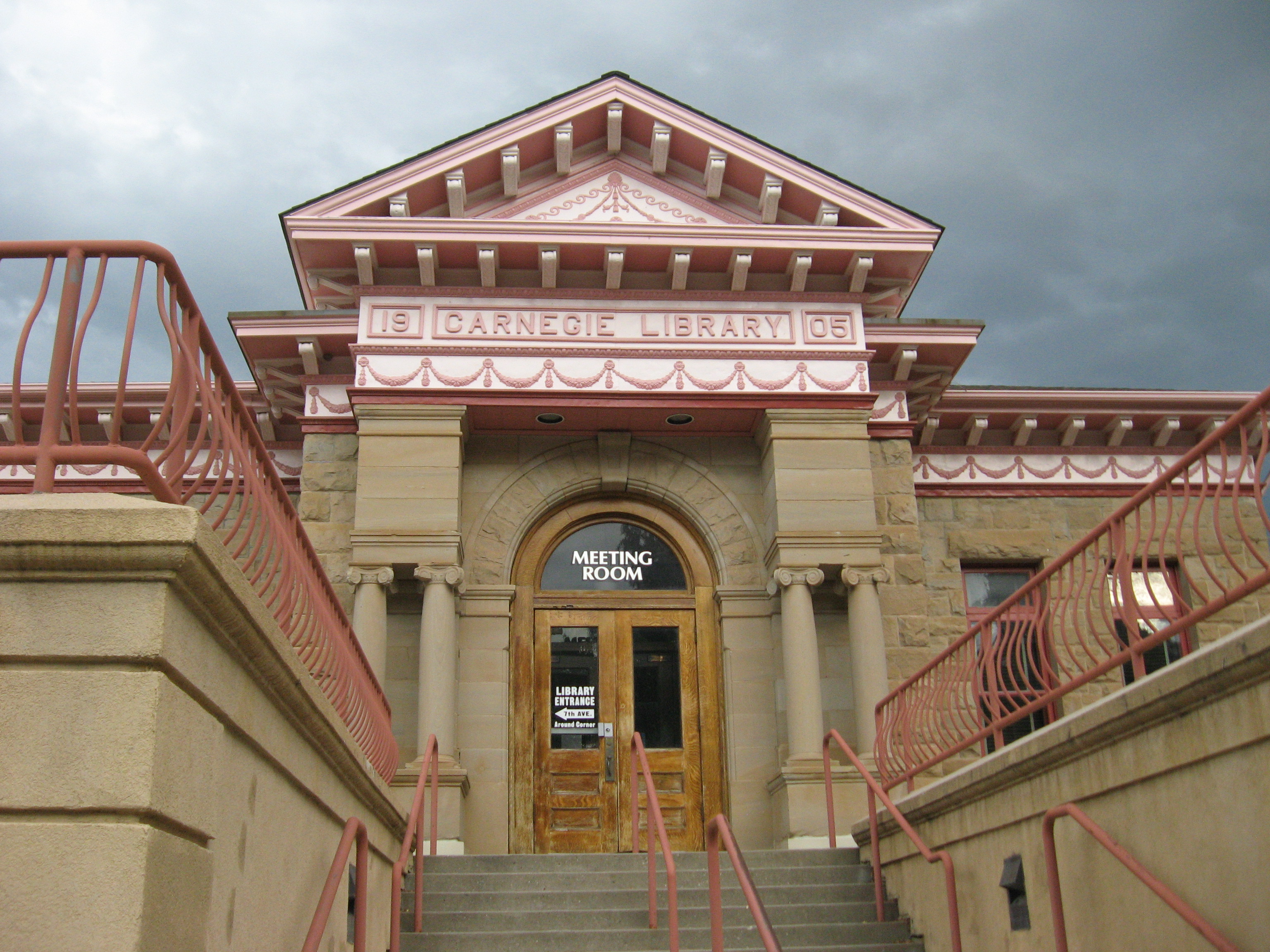
As we walked, I began to notice that most of the downtown buildings were adorned with the dates which they were built. Almost all of them were built between 1900 and 1920, and no other commercial buildings, except for McDonald’s, had been built. This was a clue that the town hit its peak in the first decades of the 20th Century and has not grown since. It must have been a thriving community because it was home to a Carnegie Library.

Carnegie was one of the richest people who ever lived, but people still mispronounce his name.

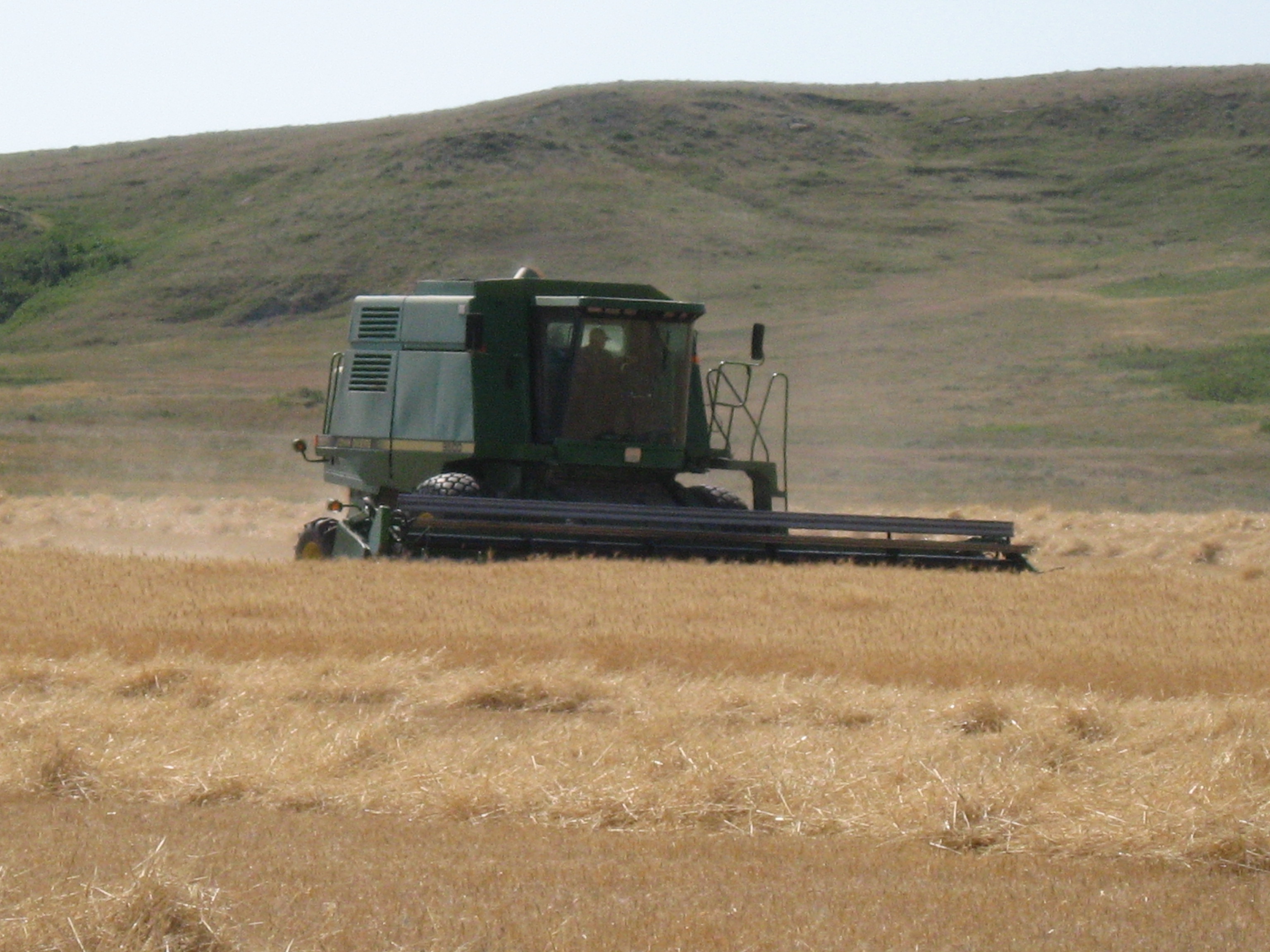
After spending an evening at the Yogo Inn, which sits on the geographic center of Montana, we visited friends who grow wheat and raise cattle near Winifred. The first ranch was only 20,000 acres. I say that because the second ranch was 35,000 acres. They were in the midst of harvesting their crop, so we drove into the wheat field to check it out.

Now this is real farming.

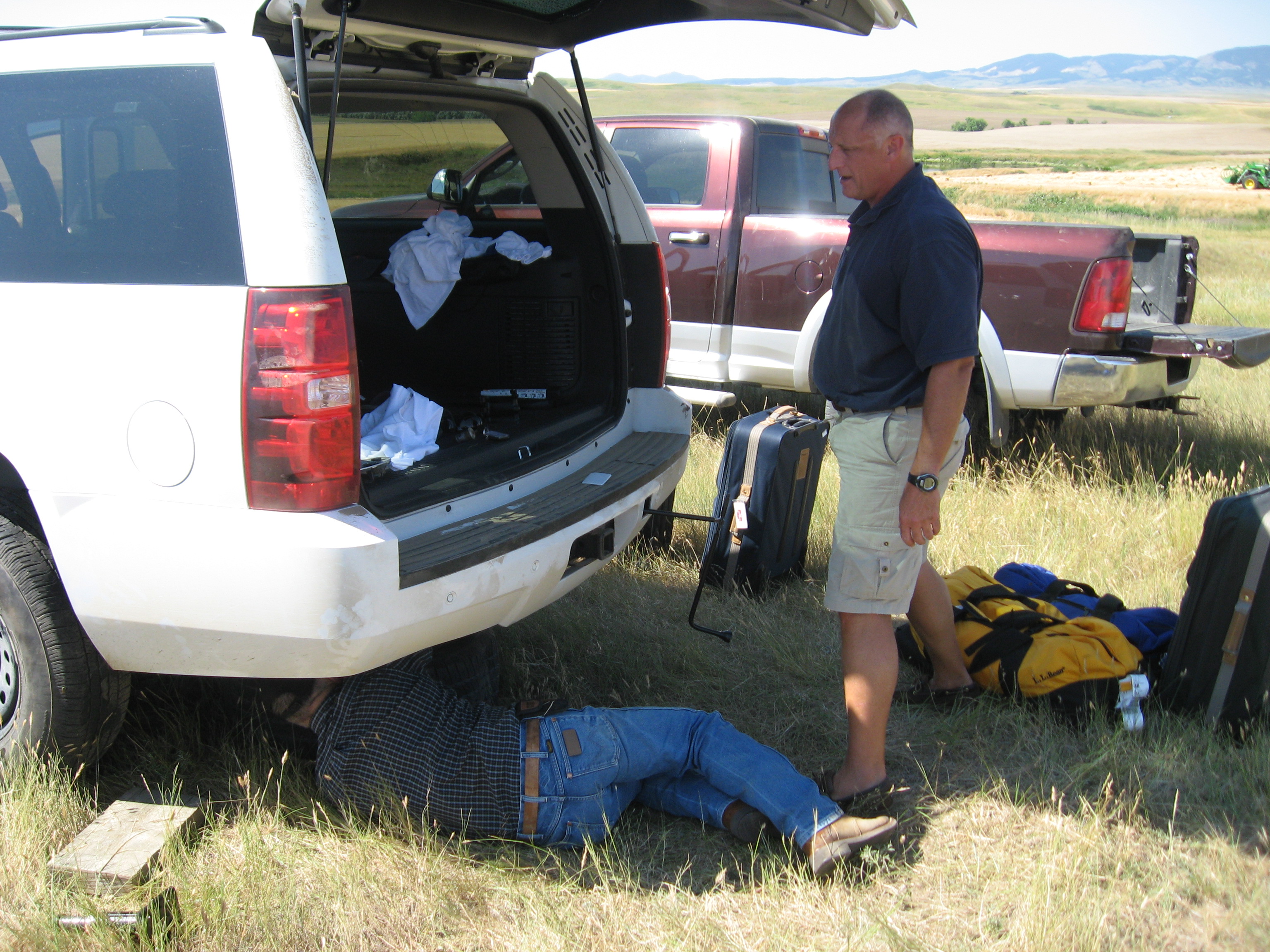
Unfortunately, our SUV did not make it through the field as well as the farming machinery. We got a flat tire.

National Lampoon’s Montana Vacation

We escaped the wheat field and drove to the second ranch, where we were treated to a home-cooked meal. At least, most of us were treated. My youngest nephew wasn’t feeling well and didn’t want to eat. He went to the bathroom and threw up before experiencing a Dumb and Dumber moment. The toilet wouldn’t flush, and he went into panic mode. Finally, he was able to get the thing to work.

My oldest nephew rode the harvester until we forced him to leave.

This is not tiddly-winks farming.

What did I learn on the stage of the trip?

1. Farming in central Montana is a tough and isolated way of life.

2. Don’t drive into a wheat field.

3. Be sure a toilet works before using it.

Baseball, Crazy Horse and a Great Big Rock

7 Aug

I have returned from my ventures in Montana and can report that a great time was had by all. The best part was spending time with my dad, my brother and my nephews. We picked on each other, laughed and learned a few things along the way.

The trip began as we landed in Billings and found our way to the hotel. It was immediately apparent that my oldest nephew would be the navigator of the trip as we felt our way through the town. We had planned a journey through history, agriculture and different landscapes, but first we needed to do something for my youngest nephew. That meant going to a baseball game.

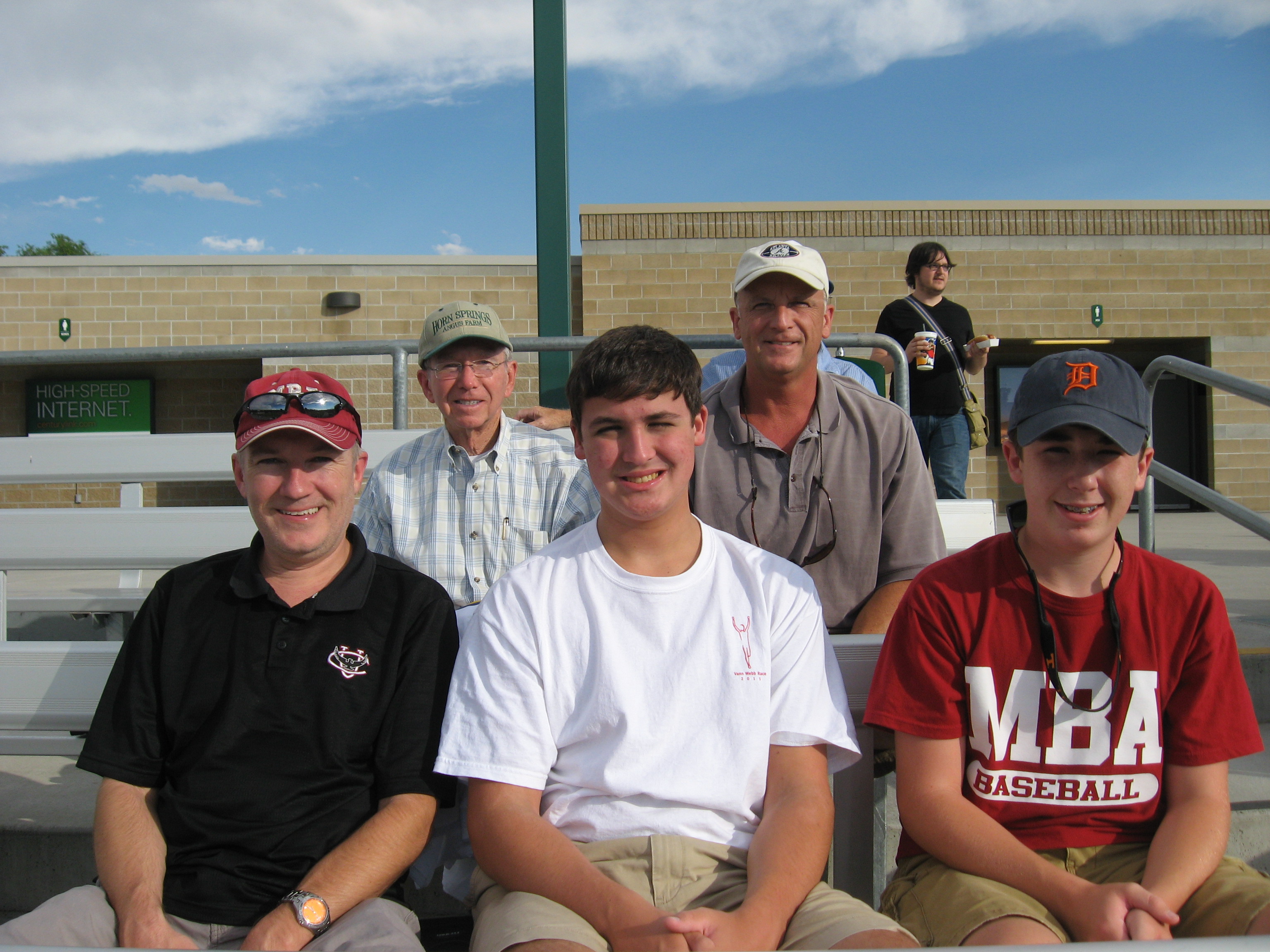
Good looking bunch, isn’t it?

We saw a Rookie League game between the Billings Mustangs and the Helena Brewers, and you could tell from the quality of play that this was about as low in professional baseball as someone could get. There were dropped balls, balks and wild pitches. However, the action is not what caught my attention. These guys were living the dream of playing pro ball and trying to move up through the ranks. Then, I realized that the Brewers are part of the same organization as Nashville’s AAA team. Those guys were working hard to get to Tennessee on their way to Milwaukee.

While living their dream, the players were offering entertainment for the community. The stands were filled with people of all ages, from the very old to the very young. The outfield fence was lined with people in lawn chairs. We found ourselves in a real community event, and that is one of the things I like about these kinds of trips. At times, you can avoid the typical tourist destinations and immerse yourself in another lifestyle.

We talked to the people around us and learned about life in and around Billings. We got free t-shirts for being among the first 500 fans. We paid reasonable prices for food and paid a dollar to enter the pitching cage. For one night, we were honorary citizens of Billings.

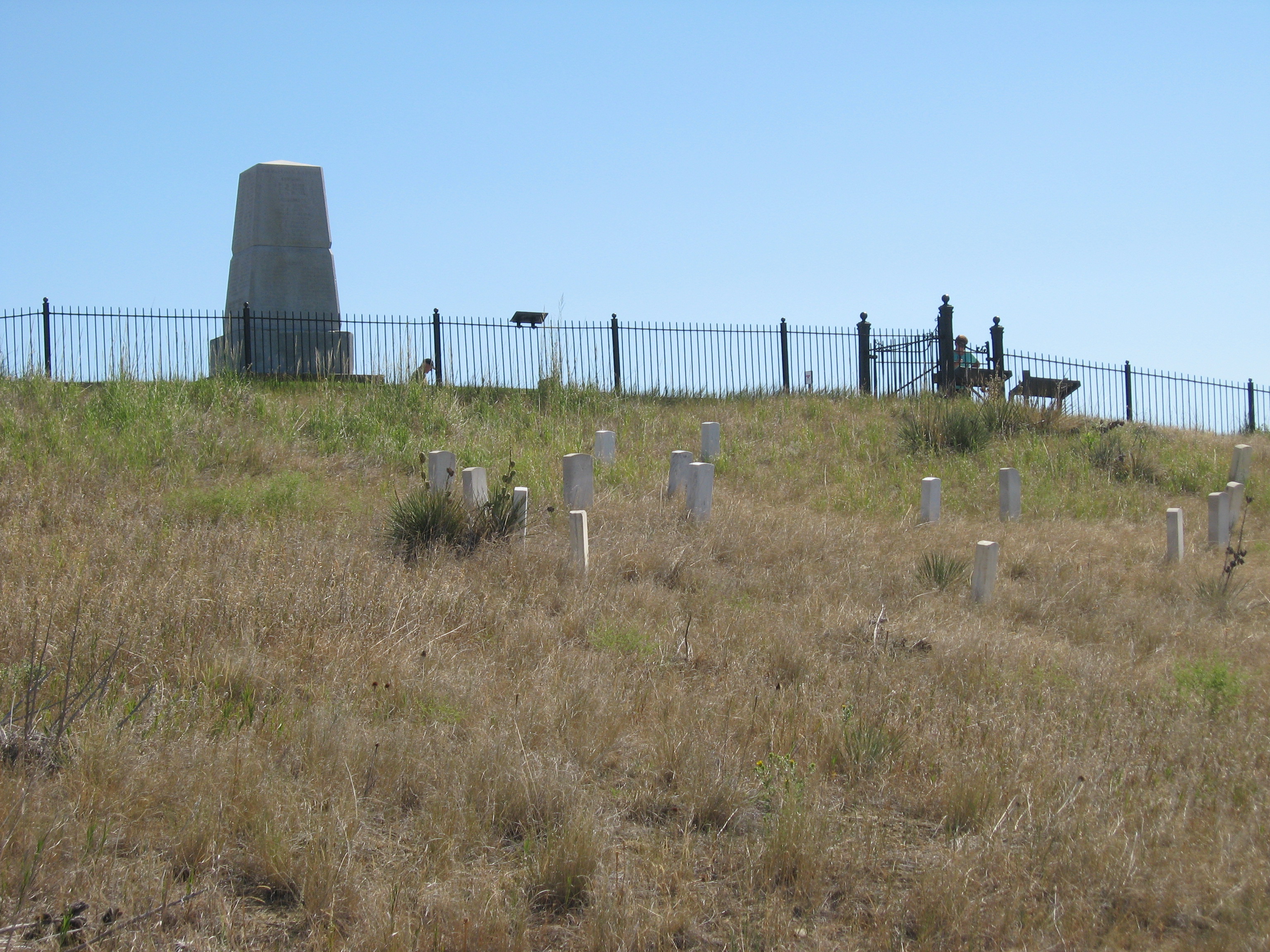
The next morning, our driving journey began as we headed down Interstate 90 toward the Little Bighorn Battlefield National Monument. This is where George Custer and the 7th Cavalry was defeated by Sioux warriors led by Sitting Bull and Crazy Horse. It is my favorite historic site and an event that I have read many volumes about. We drove to Last Stand Hill, where my nephew wanted to film me giving my lecture on the battle. I talked about the events that led to the fight. I talked about the battle as I looked over the land and pointed out where different stages took place. When I finished, I turned and discovered that about 20 people had gathered around to listen. Then, I spent time answering questions.

As a historian and a teacher, there is nothing better than being able to talk about an event where it took place. I wish I could beam my classes to different places as we cover them.

The site of two big events – Custer’s Last Stand and my lecture.

After a drive through the battlefield, we went across the street to KFC. Yes, the Sioux won the battle but the Colonel won the war. Unfortunately for the Kentuckians, the KFC didn’t open when the sign said it would, so we went to the Custer Battlefield Trading Post instead. I had fry bread stuffed with meat, cheese and beans. After that, I had fry bread covered with honey. It wasn’t as good as the sopapillas of New Mexico, but beggars can’t be choosy.

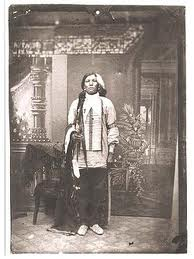
As we dined, a photograph of an imposing Native American looked down on us.

This is a Native American warrior – not a founder of a chain of strip clubs.

I didn’t pay much attention to the photo because images like this can be found in books and places throughout the West. Then, the owner of the trading post came by the table to see how we were. My brother told him that I was a historian of the West, and the guy asked:

“Do you know who that is?”

“I don’t think I do.”

“That’s Crazy Horse.”

Here’s the thing. Every book I have read and every teacher I have heard tell the same story. Crazy Horse refused to have his picture taken. Now, the owner of a tourist trap is telling me that I am looking at the image of Crazy Horse. After the meal, he took us to another room; pointed out the smaller original; said that the descendants told him privately that it is a photo of the warrior; and, gave me a free copy to put in my classroom. Is it really Crazy Horse? I don’t know, but I hope it is.

We left the trading post and got into the SUV. Unfortunately, our door hit a red truck parked next to us. The woman in the truck jumped on us pretty good, and we got out of there as fast as possible. George Custer could only wish that he had our instincts.

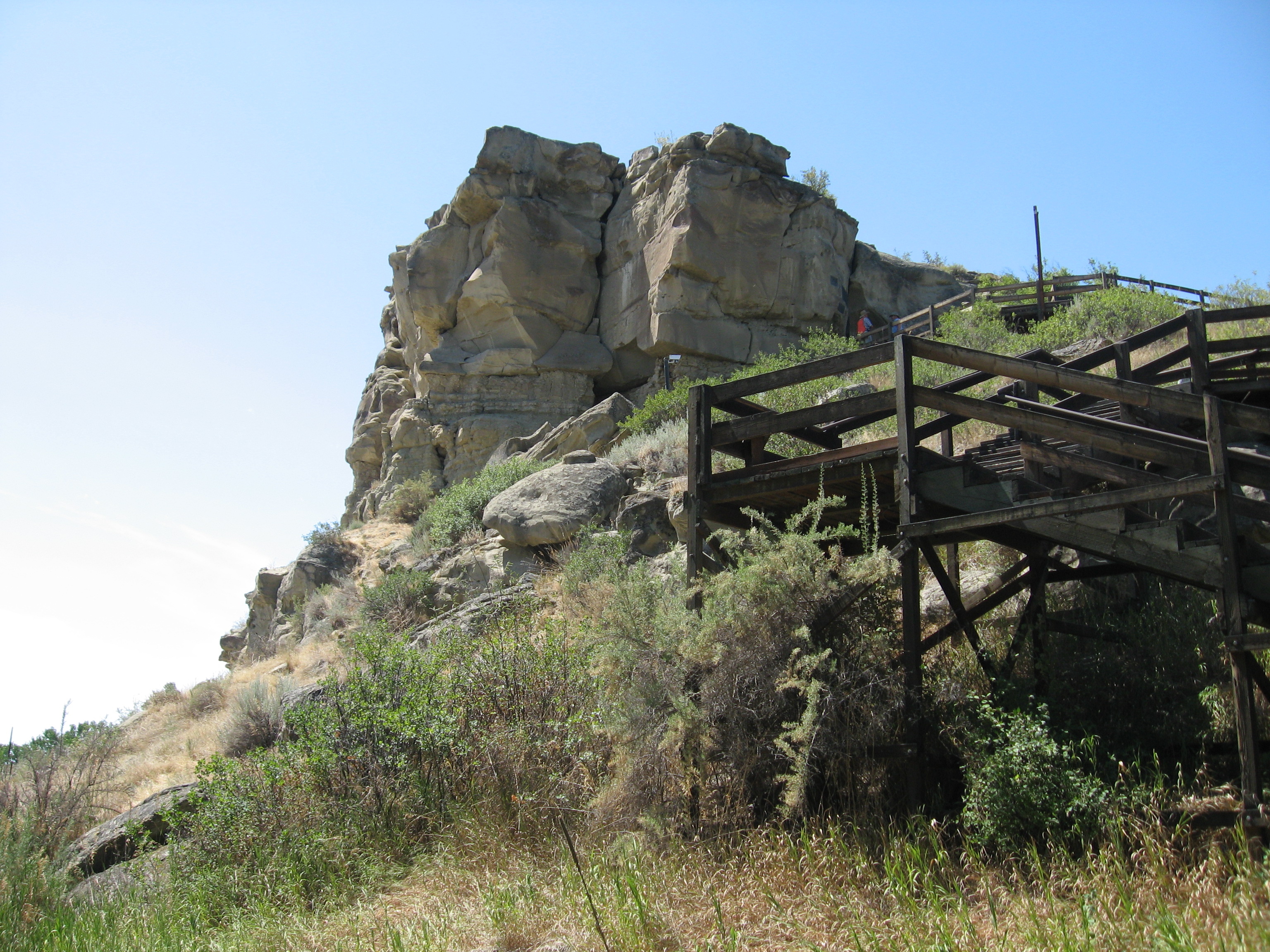
We drive north and hit a back road (interstates suck on these kinds of trips) toward Pompeys Pillar.

Did Sean Connery and Nicholas Cage make a movie about this place?

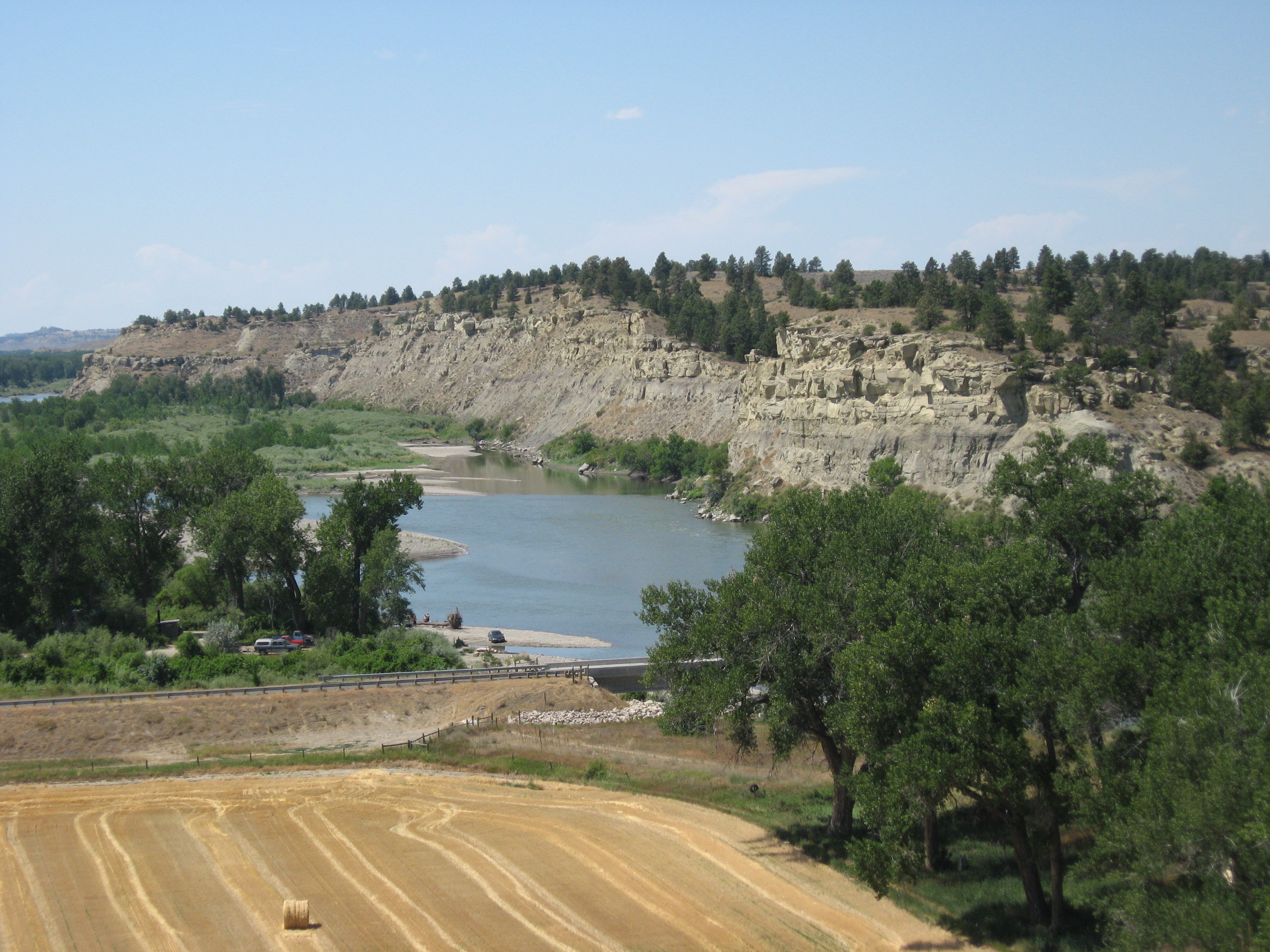
This rock was seen by William Clark on his return voyage with the Corps of Discovery. As Meriwether Lewis traveled on the Missouri River, Clark went down the Yellowstone River.

The Yellowstone River

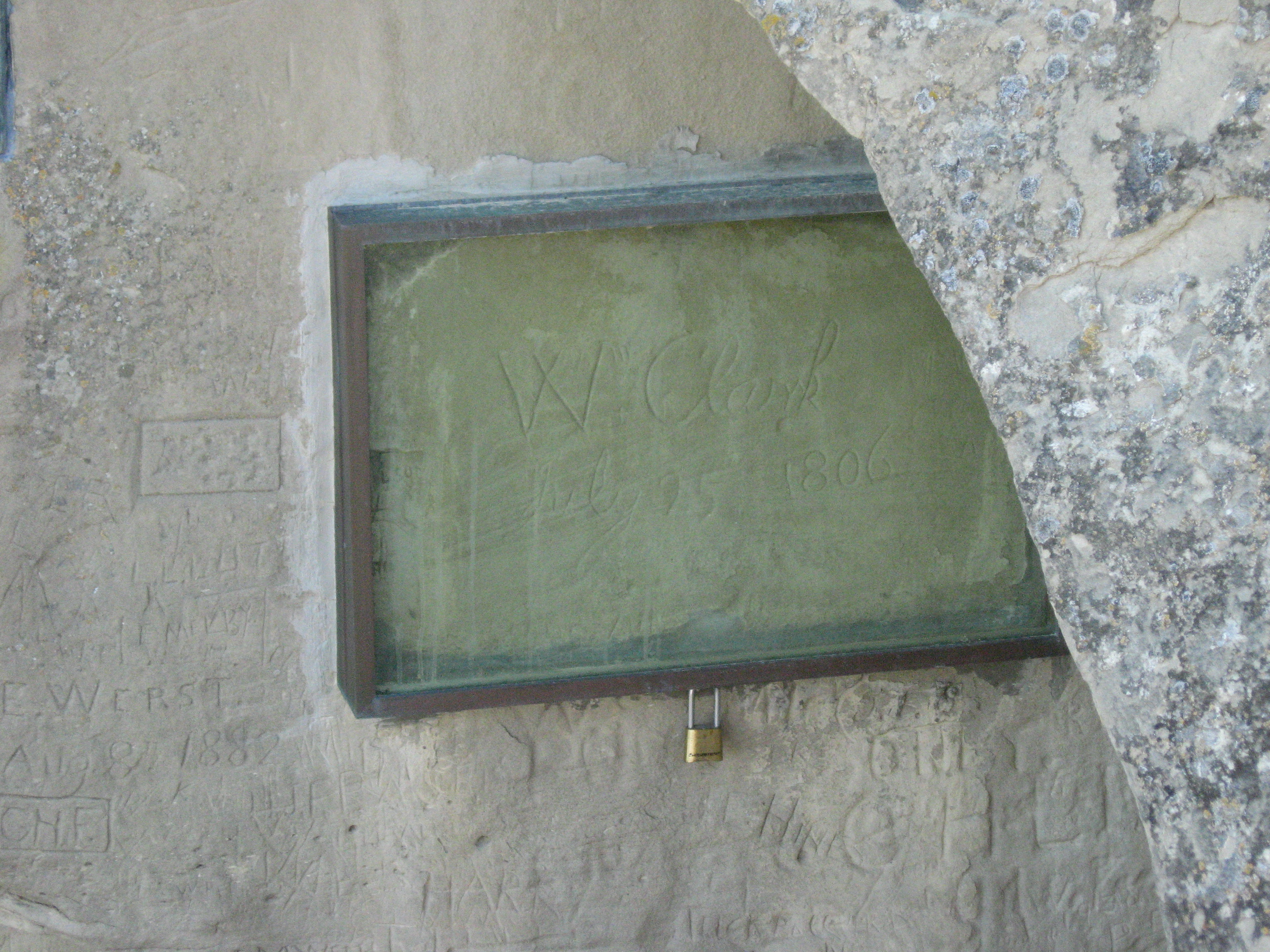
Clark climbed the rock; named it Pompeys Tower in honor of Sacagawea’s son; and, carved his name on it. People say that it is the only permanent mark the Corps of Discovery made on the land they explored.

William Clark was here.

I’m not sure about that. They told the Native Americans that the land they lived on was owned by the United States. Over 70 years later and only a few miles away, the Battle of Little Bighorn would be one of the results of that statement.

As for You Old Man – Go West and Grow Young With the Country

27 Jul

No, that’s not the way it goes. However, it is one of my favorite lines from one of my favorite movies, The Man Who Shot Liberty Valance. Dutton Peabody, the newspaper editor and town drunk, utters this line in honor of his former boss, Horace Greeley. Unfortunately for the movie makers, Greeley never wrote “Go West Young Man and Grow Up With the Country.”

Anyway, I say all of that to say that I am going West. Tomorrow, I am heading out for Montana, one of my favorite states. Even better, I am going with my dad, my brother and my nephews. I will not be blogging while I am away, but I will be tweeting. You can follow those tweets by hitting the button to the right. Like my last trip into the West, I will blog all about it upon my return.

Listeria – New Mexico Edition

17 Jul

New Mexico is one of my favorite states. How’s that for a short and to-the-point sentence? It is a place that I have visited numerous times, both for my job and for pleasure. Each time I go, I discover something new about the state and about myself. That’s the kind of place that New Mexico is.

Last night, I was grocery shopping and made my way over to the magazine aisle. There, I picked up a copy of Cowboys & Indians (a very non-politically correct title) and flipped through the pages – mostly looking at the pictures. That’s when I noticed some recognizable scenes. Turns out, they were part of an article called “100 Reasons We Love New Mexico”.

Another list after recently writing about lists! And, this list is about New Mexico! So, the magazine people did their job and sold a copy. I took it home; read through the list; and realized that I knew a bunch of things on the list. After counting, I had experienced 41 items on the list. Not bad for a history professor in Tennessee.

In homage of a great state, this is the list of the 41 things I have experienced on the Cowboys & Indians list of 100. First, a few disclaimers. The number is where the magazine has each item listed. Second, the quoted comments in bold come from the magazine, and the comments without quotes come from me. Third, the photographs come from me, so I don’t have pictures of everything.

1. “First impressions: clean air, blue skies, clear light; soft colors.” New Mexico definitely has plenty of each.

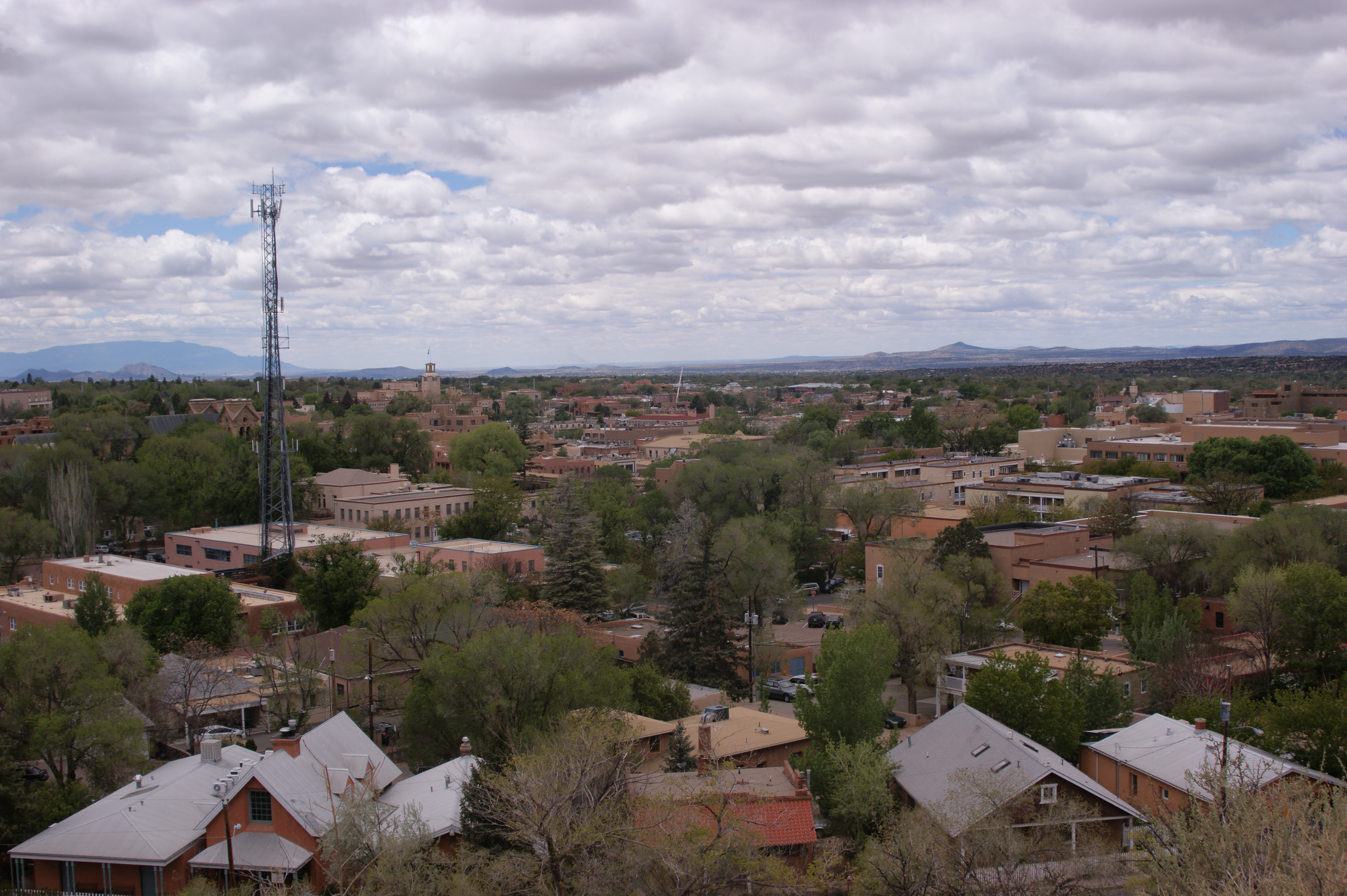
2. “The Sangre de Cristos Mountains.” They look over Santa Fe.

4. “The high road to Taos!” I’ve driven on the road but not all the way to Taos.

6. “Sunset at La Fonda’s rooftop Bell Tower bar in Santa Fe.” This place is on top of one of Santa Fe’s premiere hotels and provides a great view of the Santa Fe Plaza.

7. “The view of the Santa Fe and Jemez Mountains from the Cross of the Martyrs. Dedicated in 1920 to commemorate the 21 friars and numerous Spanish colonists killed in the 1680 Pueblo Revolt, the site is accessible by stairs from Paseo de la Loma.” This site has a few issues. First, parking is a problem. Second, it doesn’t say anything about the Native Americans killed by the Spanish.
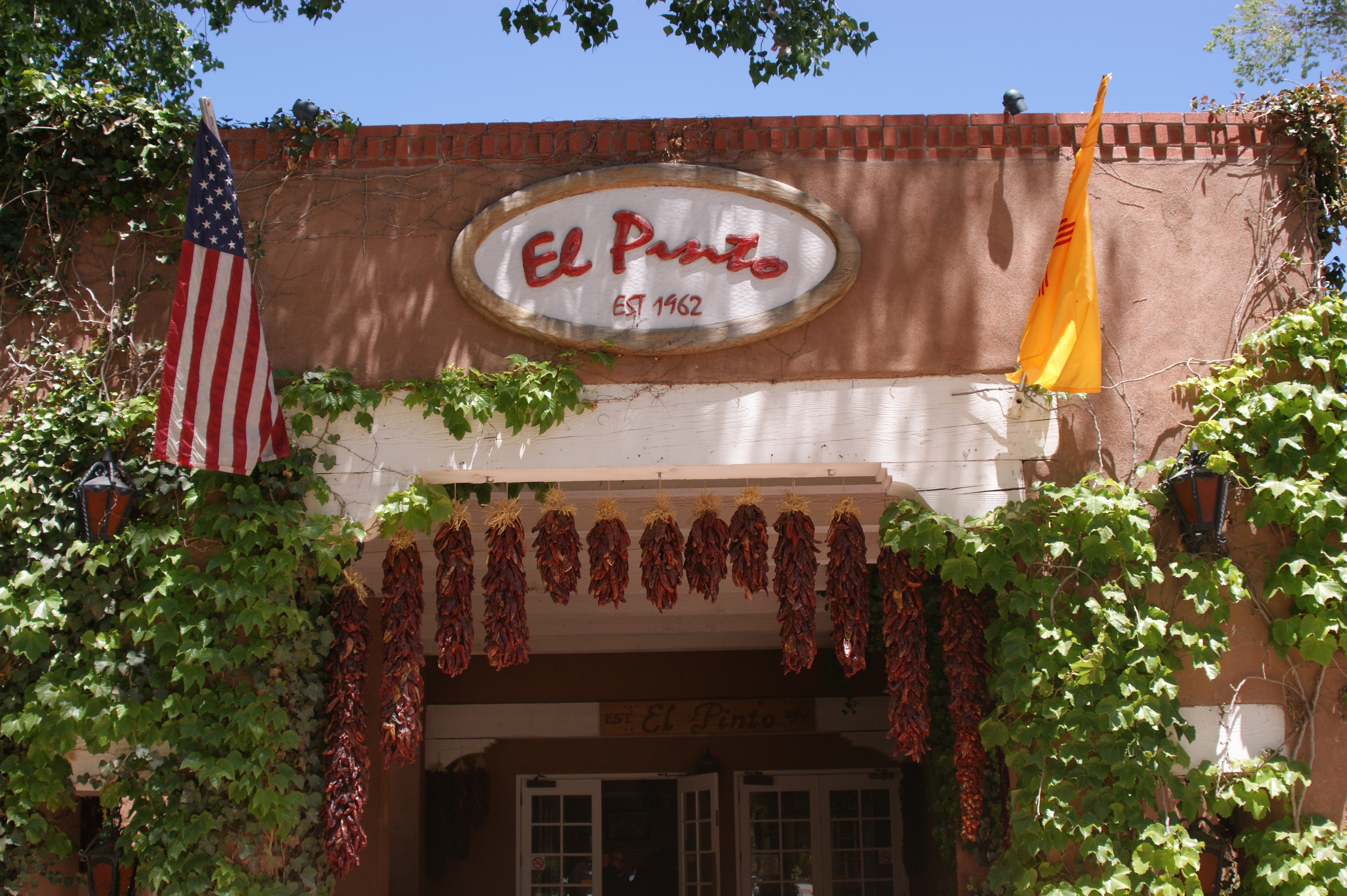
11. “Ristra hanging everywhere.” El Pinto in Albuquerque is my favorite place to see these.
12. “The pinyon, the cherished state tree names by Spanish explorer Alvar Nunez Cabeza de Vaca in the 1530s.” These plants are everywhere and are an important part of the state’s landscape.

15. “The Sandia Mountains at sunset.” This is truly a beautiful sight.

16. “The Zia symbol for the sun (from the ancient Zia Pueblo people) flying on the red and gold (for Spain) state flag.” The state capitol, which I walked around and through this year, is also built in this shape.

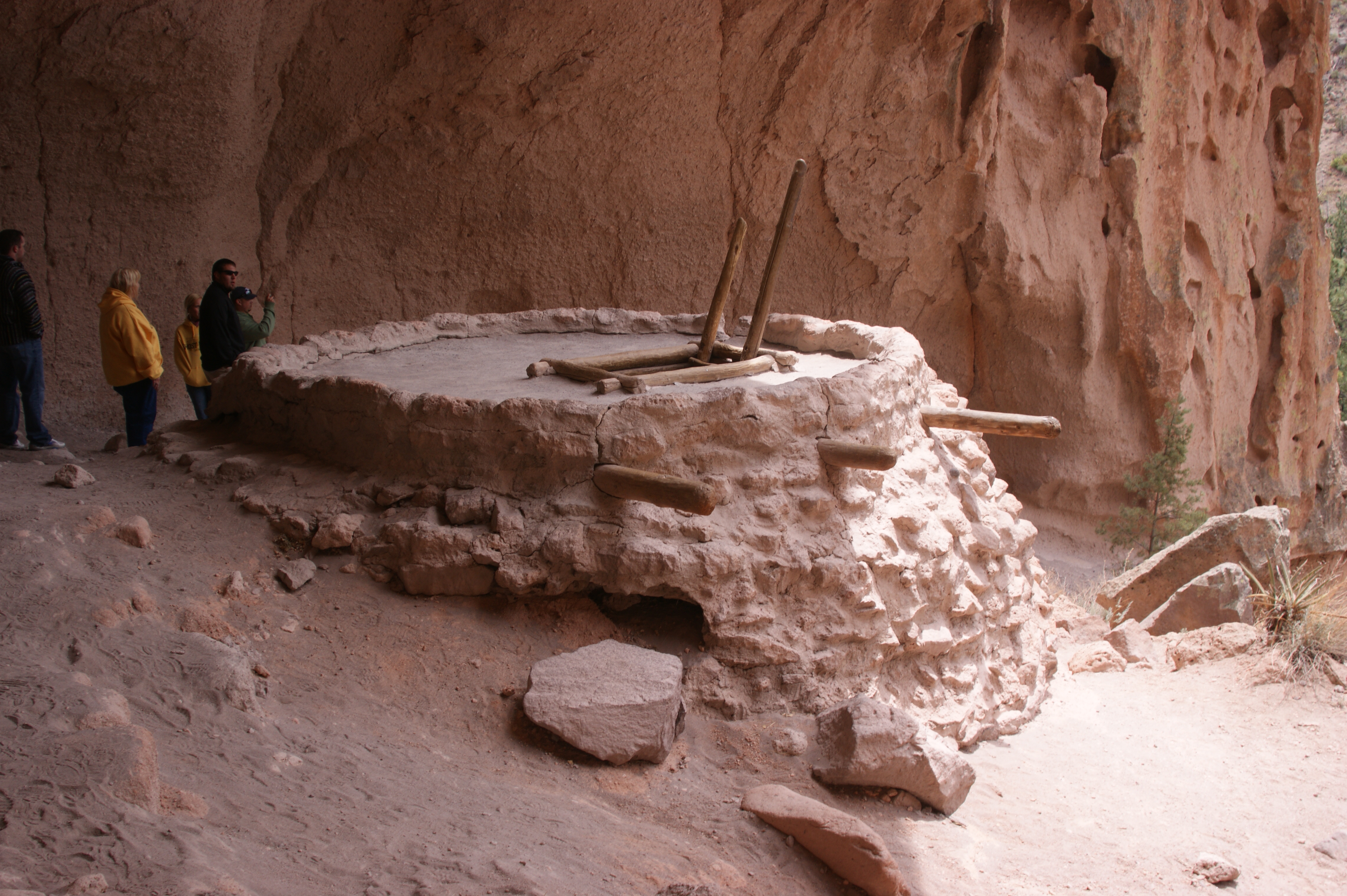
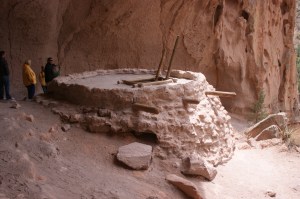
17. “Pueblo cliff dwellings and Kokopelli’s image among the ruins at Bandelier National Monument.” This is a great hike, and there is also a great visitor center with a grill and gift shop.
19. “Frito pie – served in the bag – at the Five & Dime on Santa Fe Plaza.” It’s also a great place to buy t-shirts.

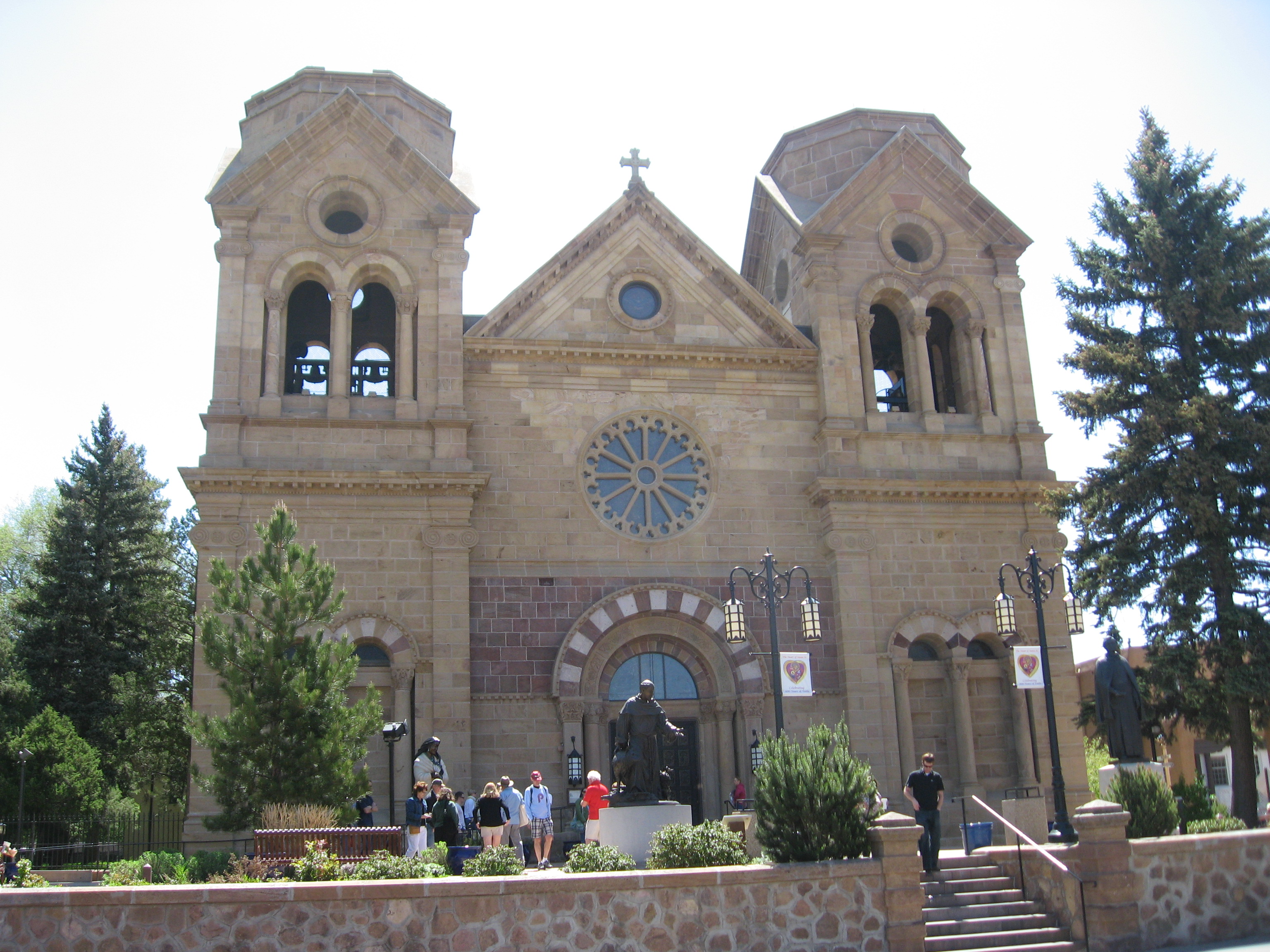
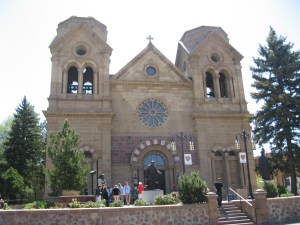
22. “The oldest Madonna in the country, Our Lady La Conquistadora statue (she arrived in 1625 with the Franciscans), in the chapel at Santa Fe’s cathedral Basilica of Saint Francis of Assisi; and in the cathedral’s outside portico, the Blessed Kateri statue of Kateri Tekakwitha (1656-80, Mohawk-Algonquin), the first North American Indian to be beatified.” No building in the downtown district can be taller than the towers of the cathedral.
24. “A museum pass and a shuttle ride up for a day on Santa Fe’s Museum Hill.” I must admit that I have never taken a shuttle to the hill, but I have walked through the maze several times.

25. “Friday night gallery walks along Canyon Road.” I have never been there at night, but I have walked through the galleries. I have even witnessed a few friends make purchases.

26. “Herds of elk.” This is one of the items that field trips students are supposed to mark off on their list. Sometimes we see them, sometimes we don’t.

29. “Scoring a find at the Pueblo of Tesuque Flea Market.” I have bought a few things at the flea market, but the best was a tall cup of prickly pear lemonade.

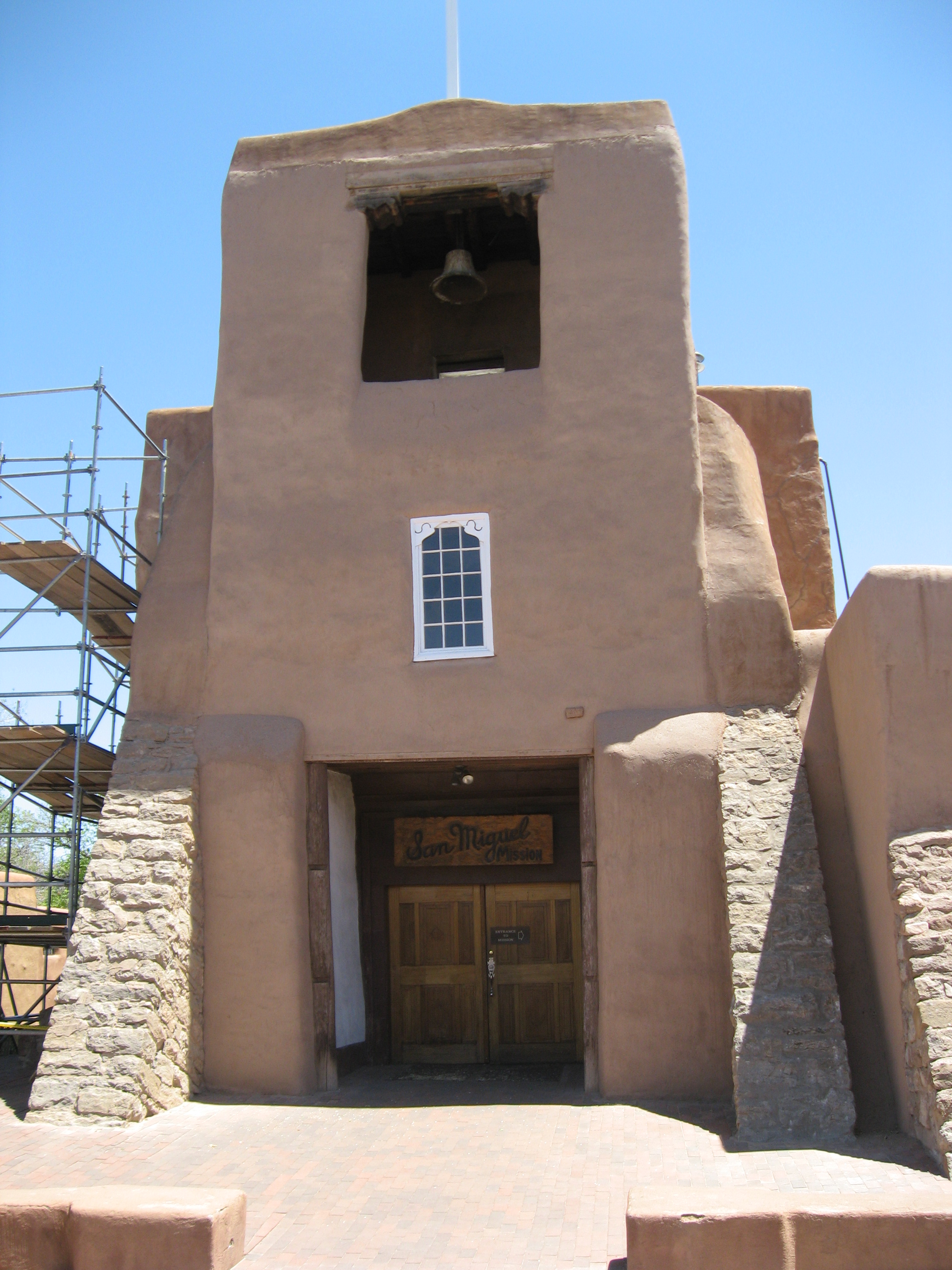
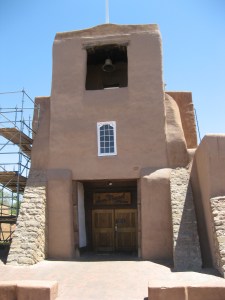
30. “Meditative moments inside the thick, old adobe walls of the lovely San Miguel Mission Church, perhaps the oldest church in the country (1610-26).” On this year’s field trip, some of our students helped make new adobe bricks for the church.
36. “Hiking slot canyons at Kasha-Katuwe Tent Rocks National Monument on the Cochiti Pueblo through formations that look like giant rock soft ice cream cones or petrified sand castles.” We hiked Tent Rocks for the first time this year, and it was a fantastic experience.

43. “Albuquerque’s Indian Pueblo Cultural Center, the gate way to New Mexico’s 19 pueblos.” I went here several years ago, and, admittedly, don’t remember much about it.

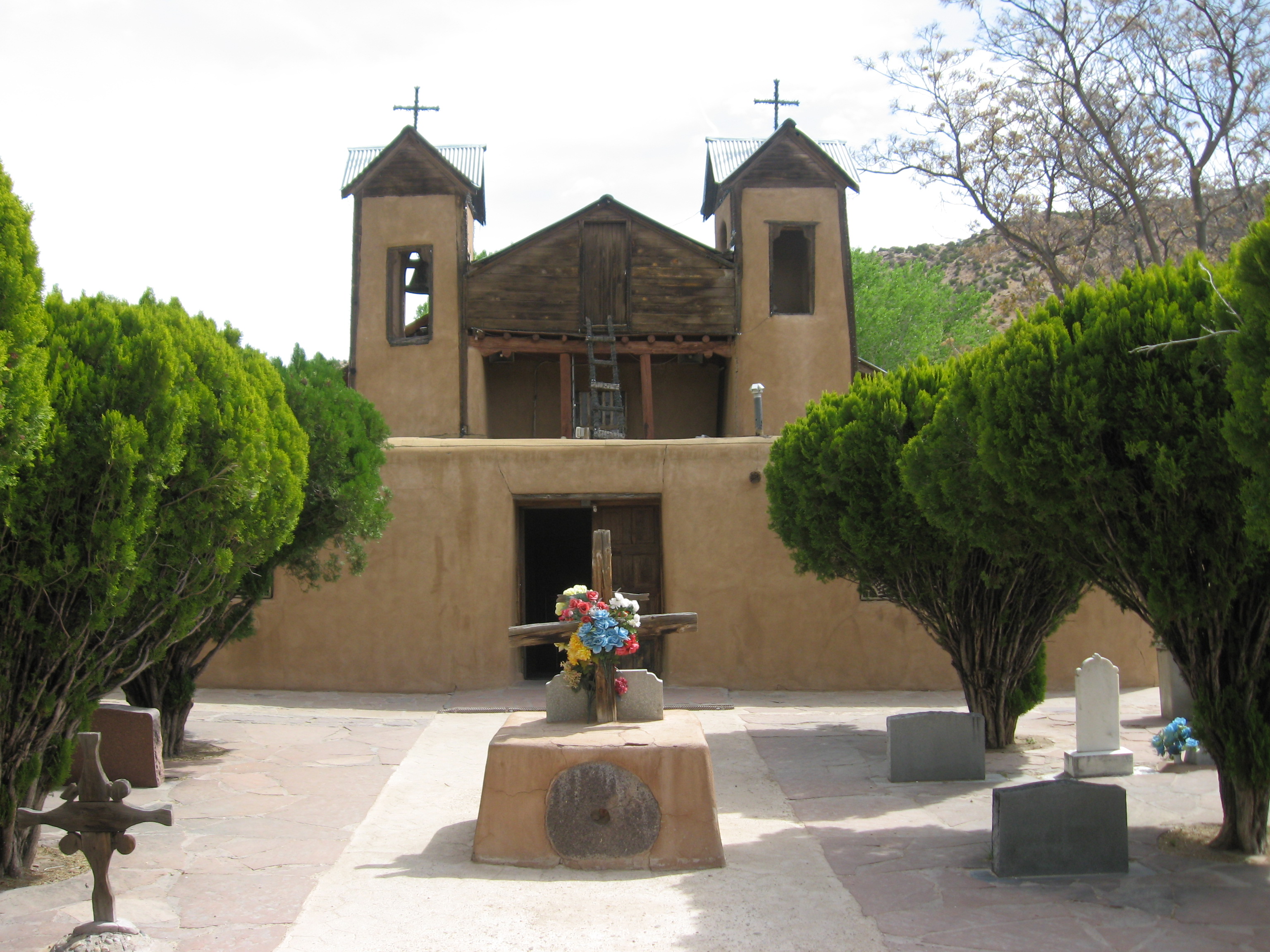
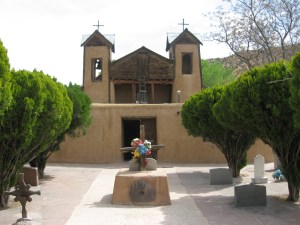
47. “The healing shrine of Santurio de Chimayo.” This church is a pilgrimage for those suffering from various ailments and maladies. The dirt in the side chapel supposedly has healing properties. Whether you believe that or not, it is a beautiful church.
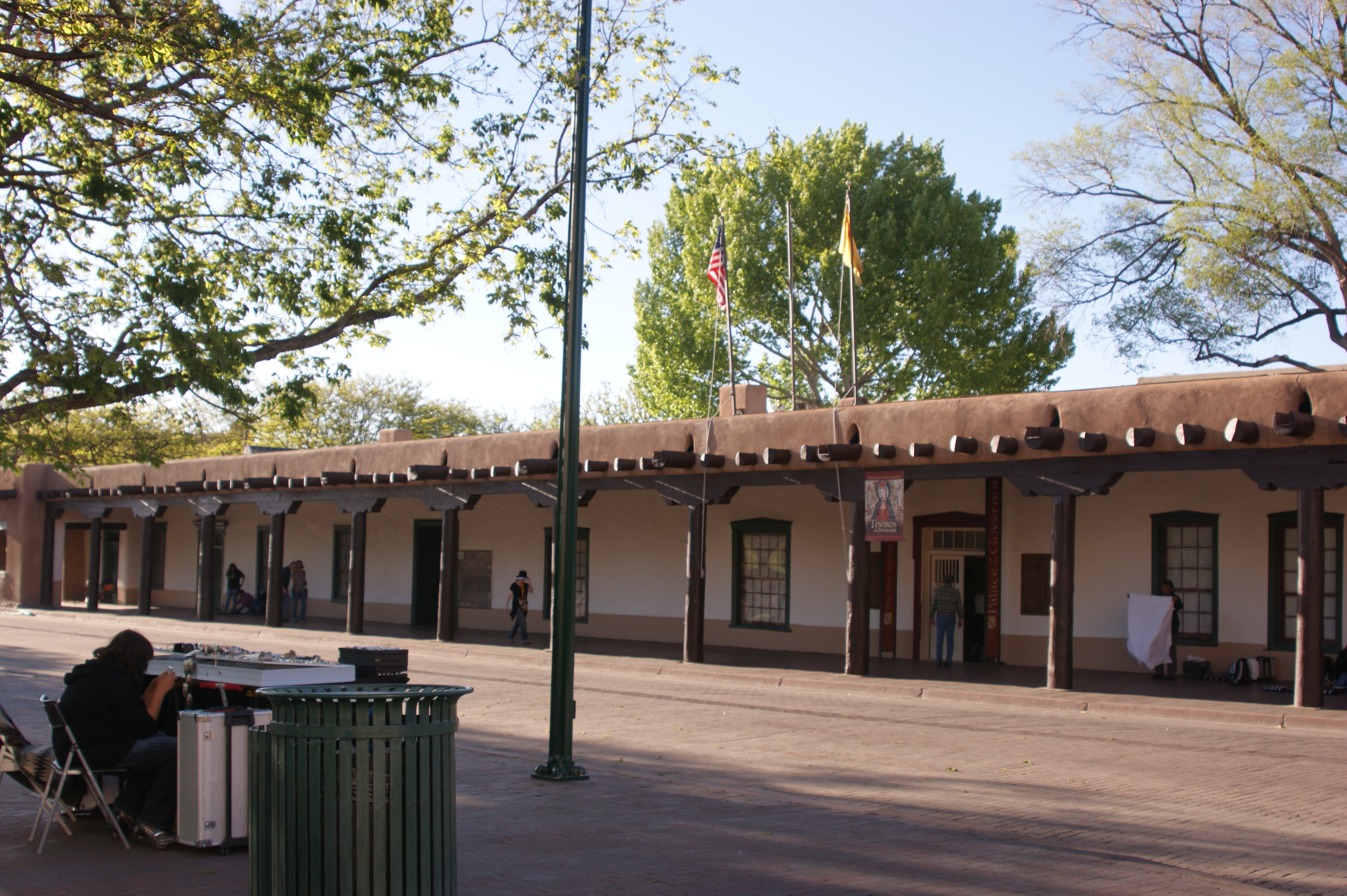
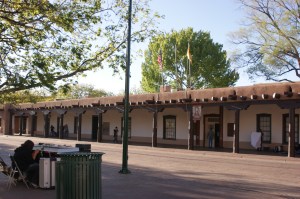
50. “Shopping for turquoise and silver from the licensed American Indian vendors under the historic portal of the Palace of the Governors on the Santa Fe Plaza.” The Palace of the Governors is the oldest government building in the United States. If you walk its exterior to buy something from the vendors, then you need to remember to negotiate the prices with them.

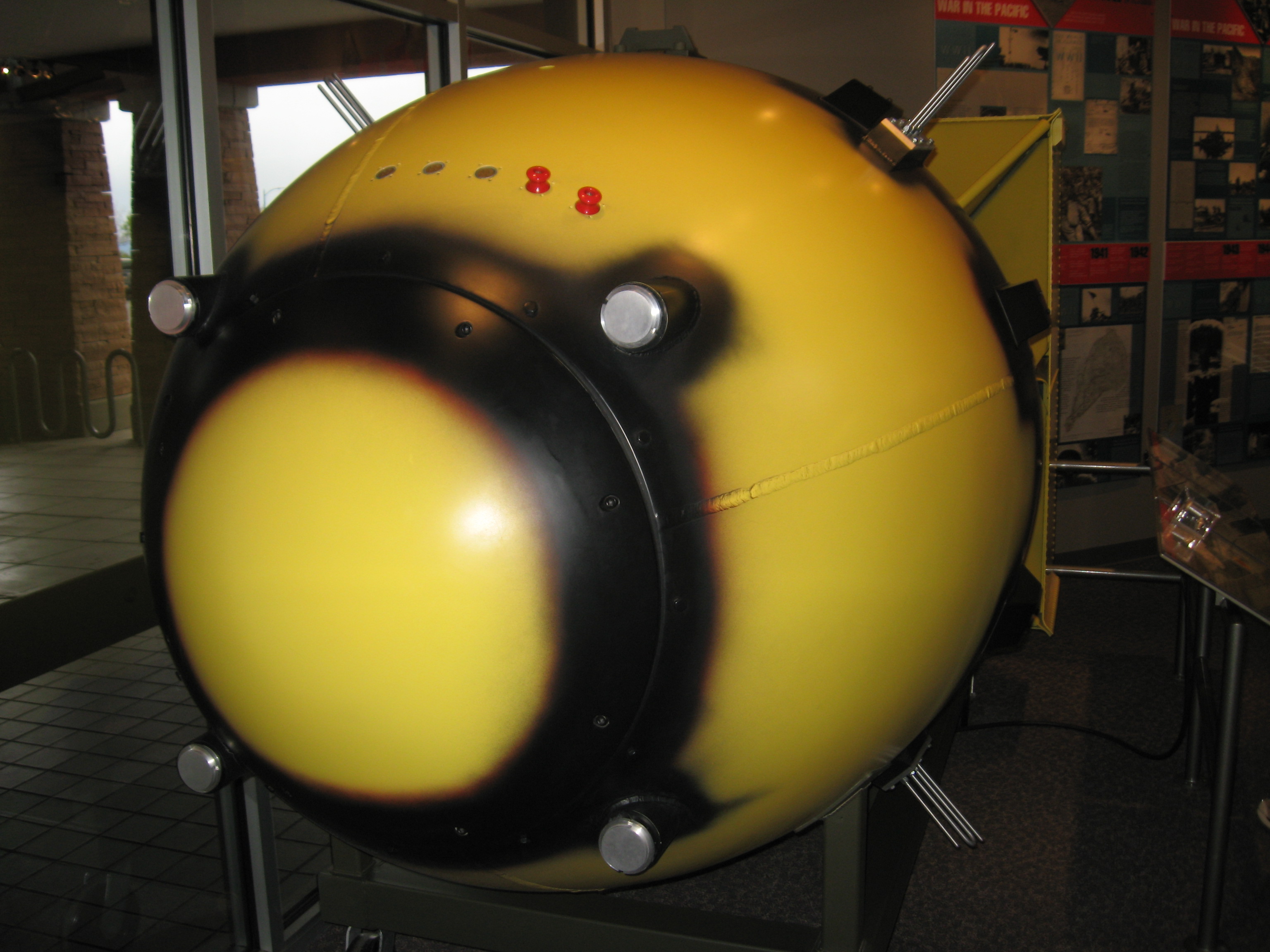
51. “The Bradbury Science Museum in Los Alamos.” This is a great museum about New Mexico’s impact on the 20th Century. Los Alamos was the place where scientists built the first atomic bombs, and the museum chronicles the history of the town.
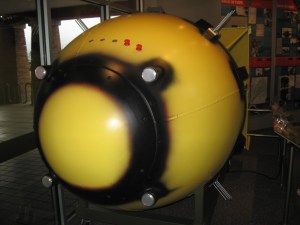
53. “The De Vargas Street House in Santa Fe for its history, tiny museum…Built ca. 1646, it is reputedly one of the oldest homes in the country.” It sits across the street from #30.

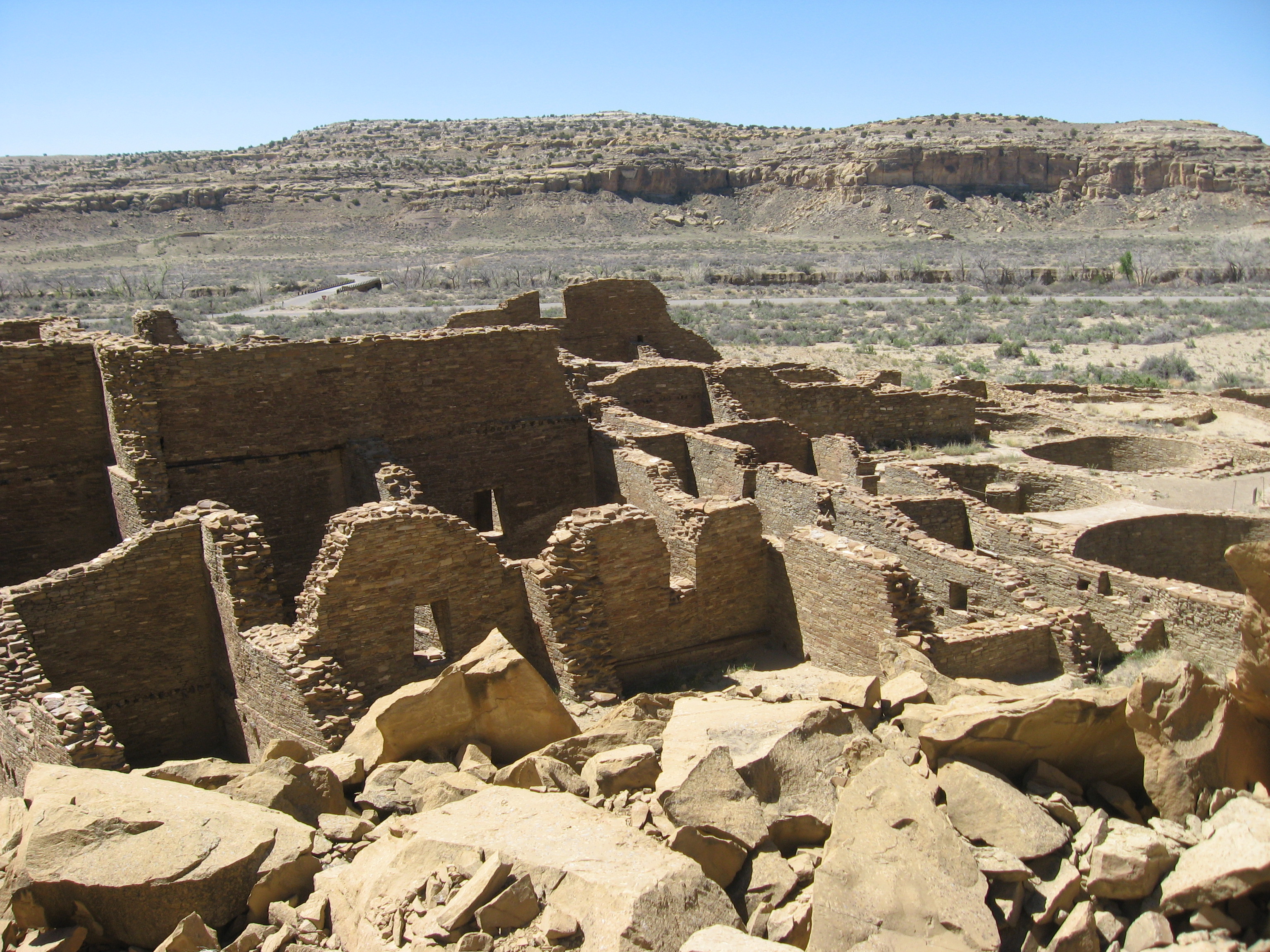
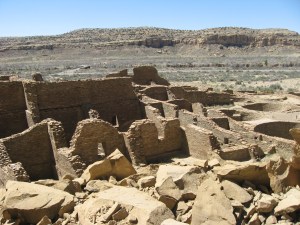
56. “Chacoan ruins…in Chaco Culture National Historic Park.” This is a great place to visit. Interesting ruins. Great mesa hike. But, it is a pain getting there.
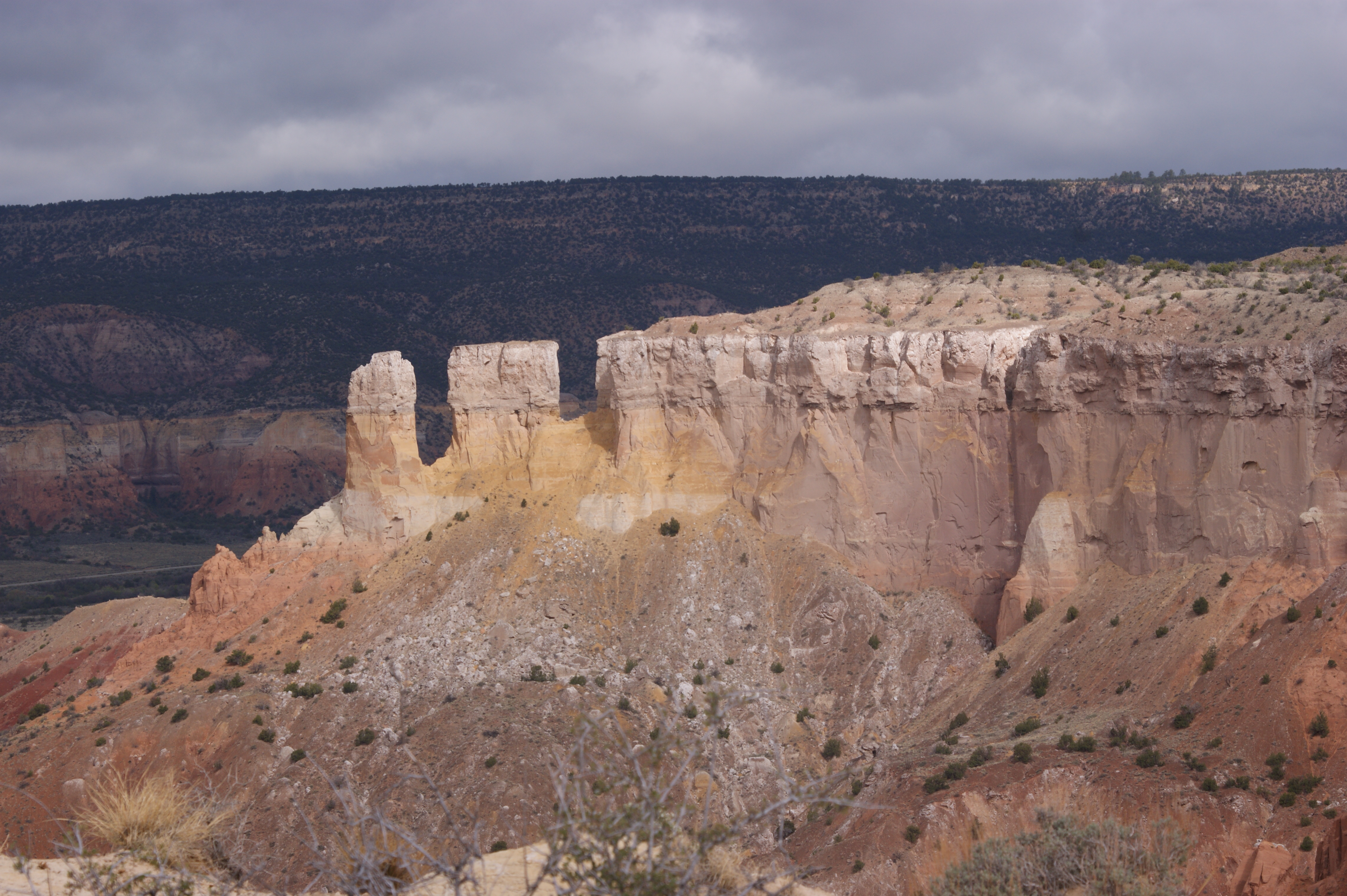
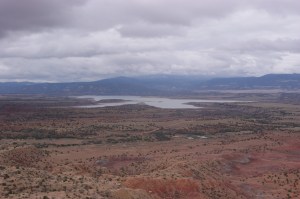
58. “Georgia O’Keefe – from the eponymous museum in Santa Fe to her Ghost Ranch and Abiquiu homes to her seeming presence everywhere in the high-desert landscapes she loved and painted.” I have been to the museum and seen her house in Ghost Ranch, but the best part of the O’Keefe experience is hiking the mesa at Ghost Ranch. It overlooks one of her favorite landscapes.
60. “Four Corners Monument, marking the only place in the United States where four states – New Mexico, Arizona, Utah and Colorado – meet.” When I was a kid, my parents searched for this place forever so I could lie down in four states at once. A few years ago,  I went as an adult and wanted to do it again. They had it fenced off for construction, and I could only walk around in four states.

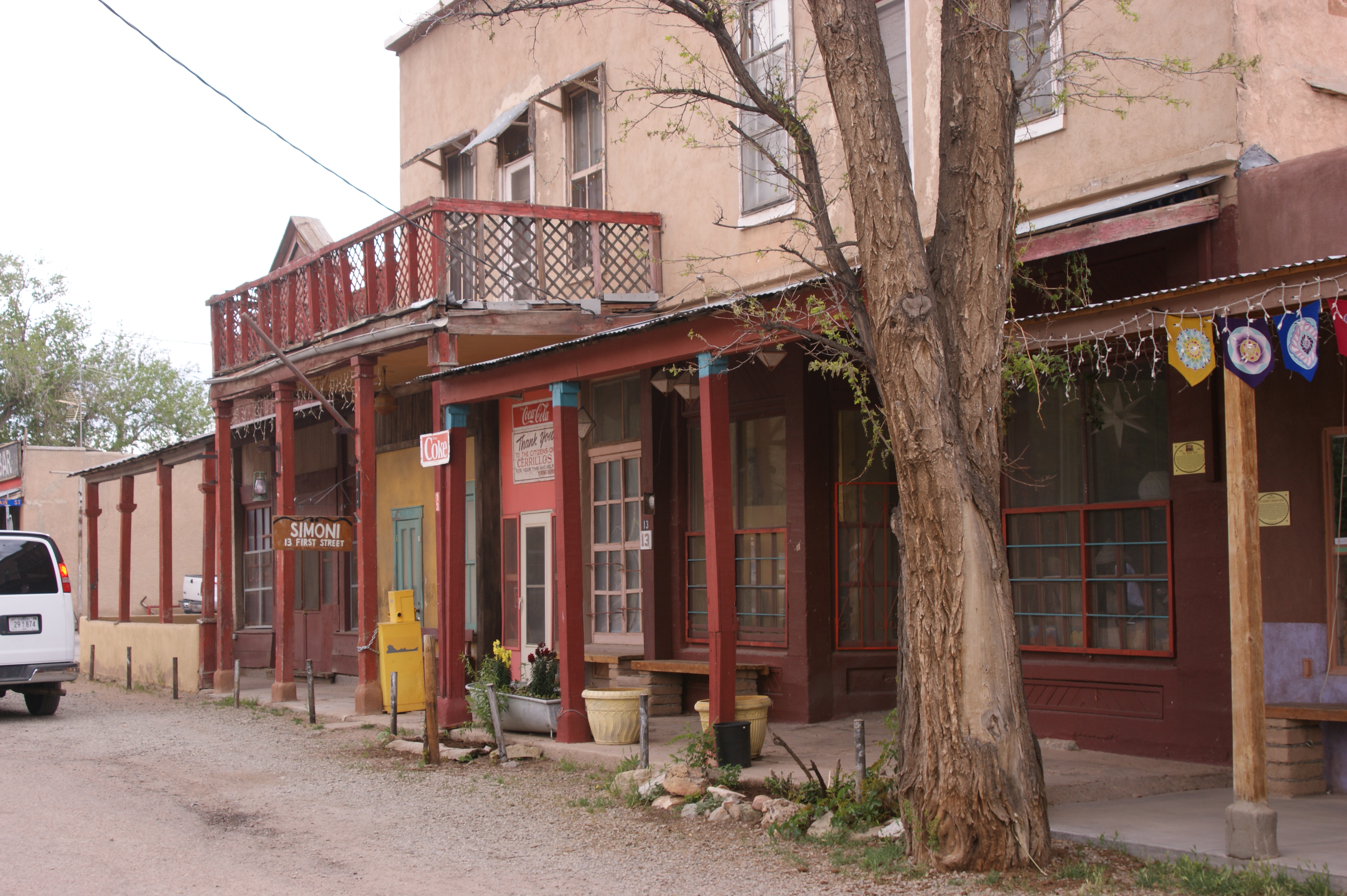
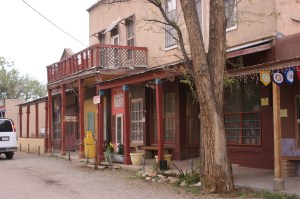
67. “Exploring old mining towns and galleries along the Turquoise Trail National Scenic Byway.” I have purchased several pieces of art in Madrid, but I think I like Cerrillos better. For a special experience, try making a concert at Two Rocks and a Hubcap.
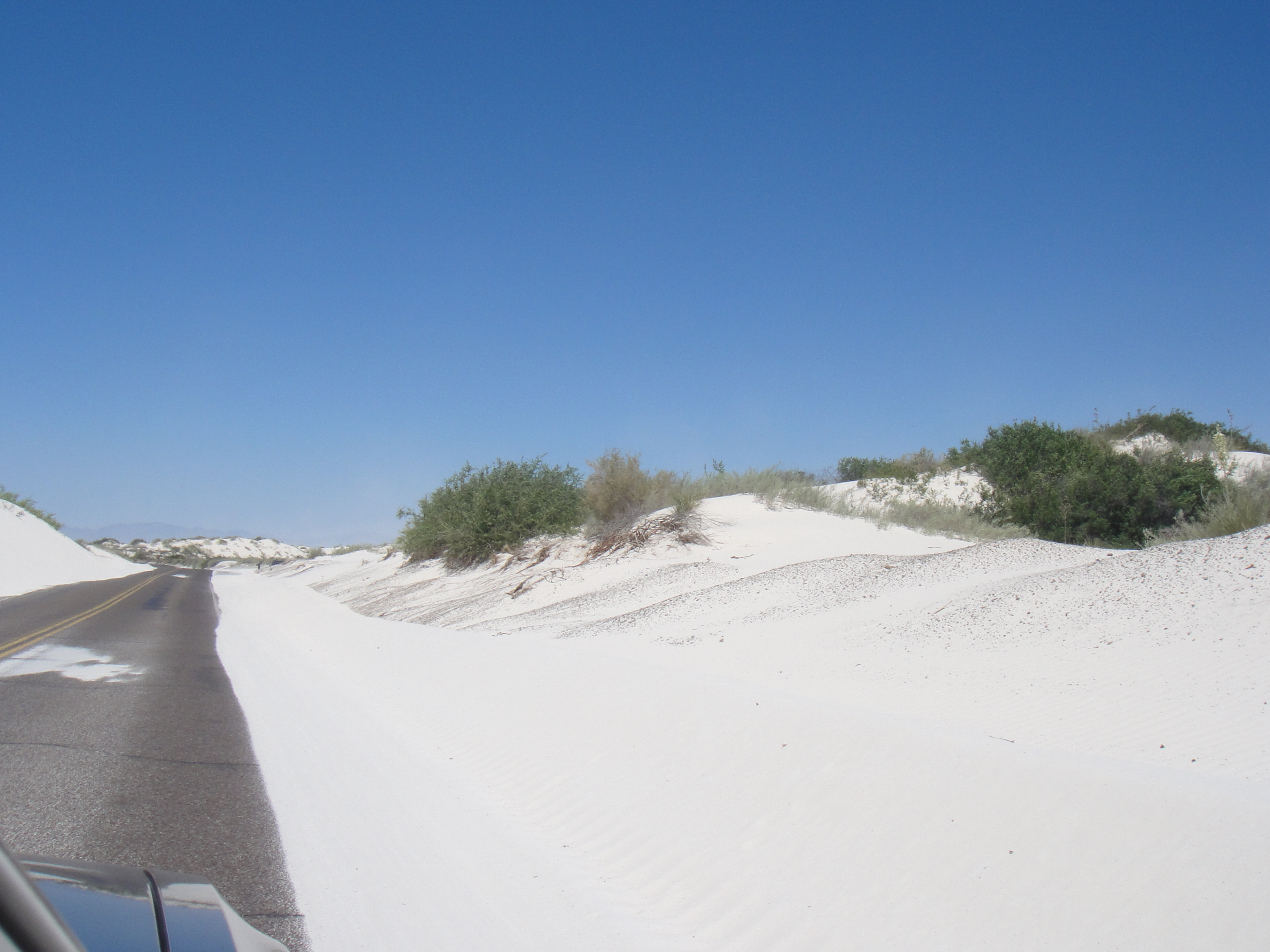
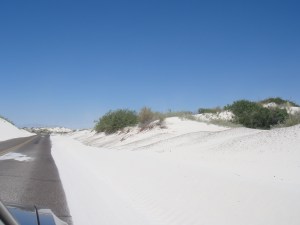
72. “The 16-mile scenic drive…at White Sands National Monument.” This is one of the strangest landscapes in the United States. You are driving along typical New Mexico landscape when there are suddenly sand dunes everywhere.
74. “Fry bread stands.” I didn’t realize until I tried this that Native Americans invented the funnel cake.

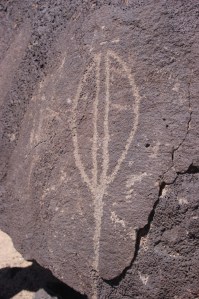
76. “Hiking Inscription Loop Trail at El Morro National Monument and taking in some 2,000 petroglyphs and Spanish inscriptions dating back to the 1600s.” This is an amazing trail because the inscriptions make you feel that you are hiking through time.

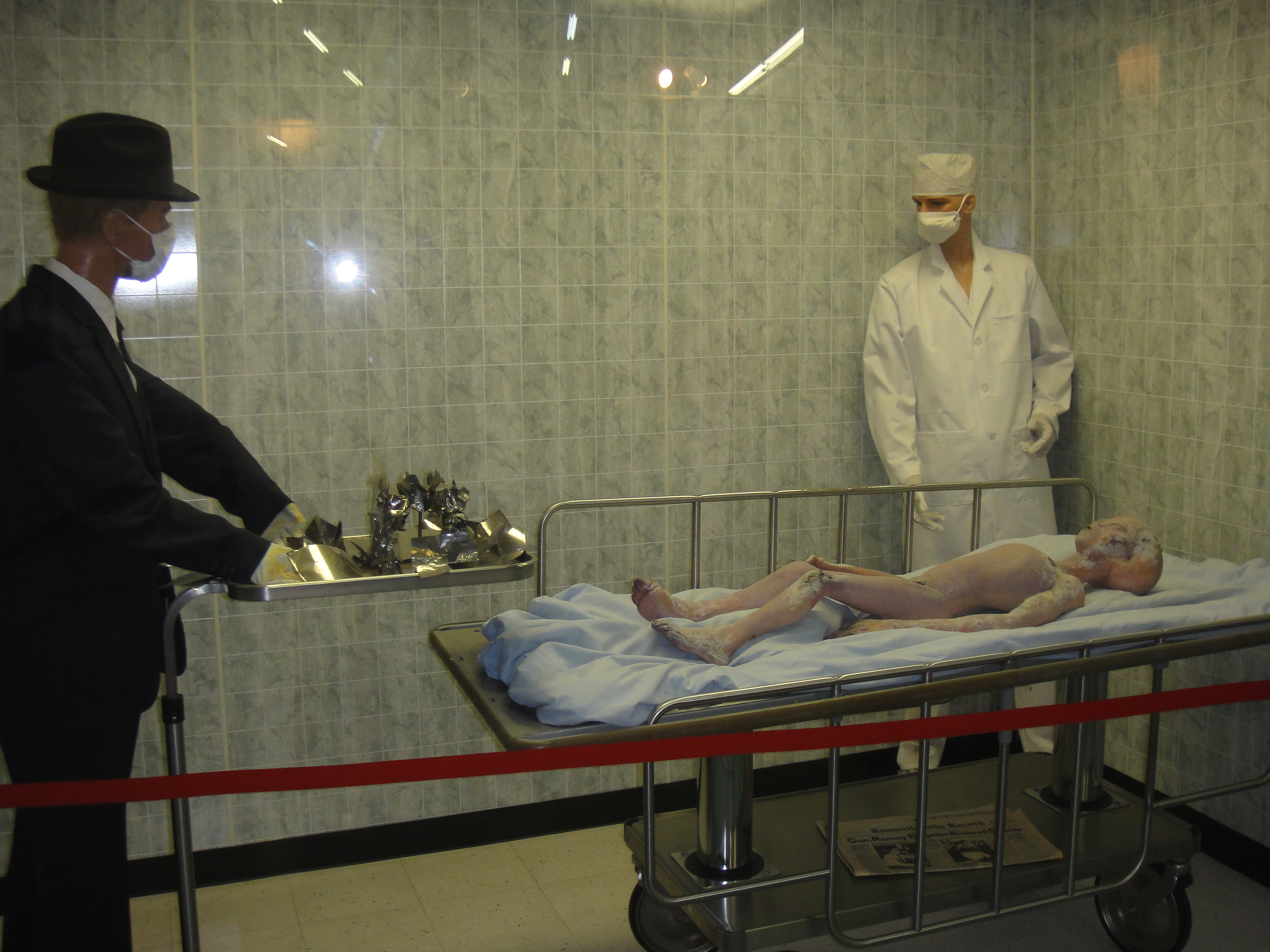
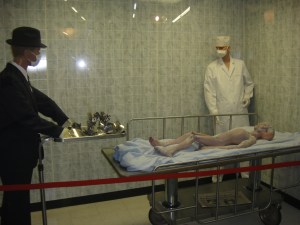
77. “An extraterrestrial day in Roswell.” The most famous UFO crash in American history happened outside of town, and the downtown museum is a perfect destination for conspiracy theorists.
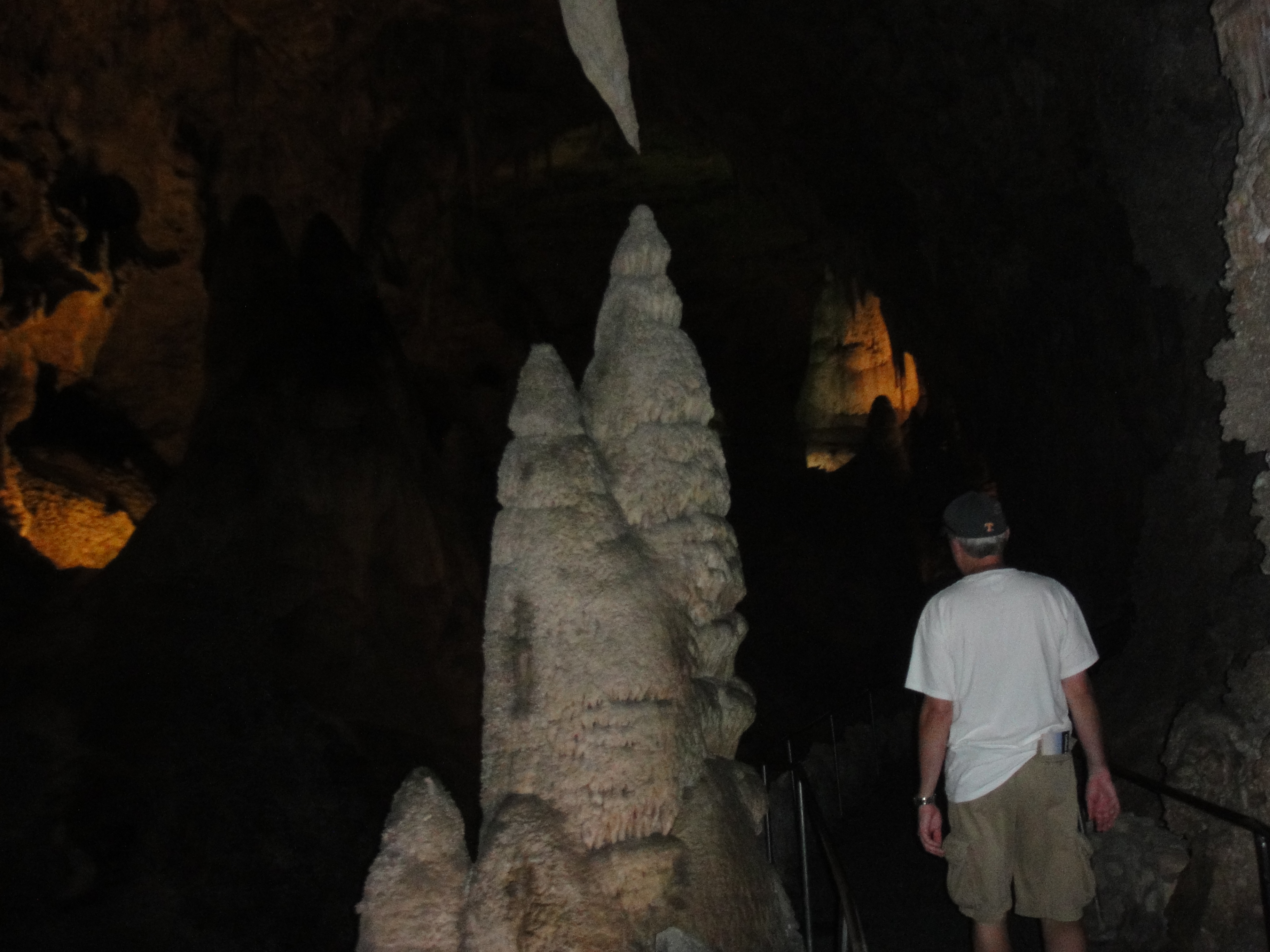
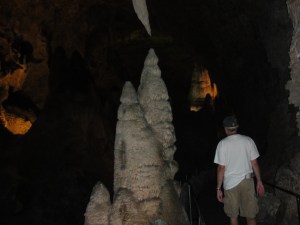
81. “Going subterranean at Carlsbad Caverns National Park.” You know a cave is cool when you hike into it and ride an elevator out of it.
85. “Ghost towns.” My favorites are Cuervo, which sits along I-40, and Shakespeare, which is in the southeast corner of the state.

86. “Hiking in a collapsed volcanic crater at Valles Caldera National Preserve.” Ok, I haven’t hiked it, but I have driven along its rim. This is the place to see the elk of #26.

87. “Stargazing at the Very Large Array in Socorro.” Ok, I went there during the day, but it is still impressive. It is also where Jodie Foster first heard the alien transmissions in Contact.

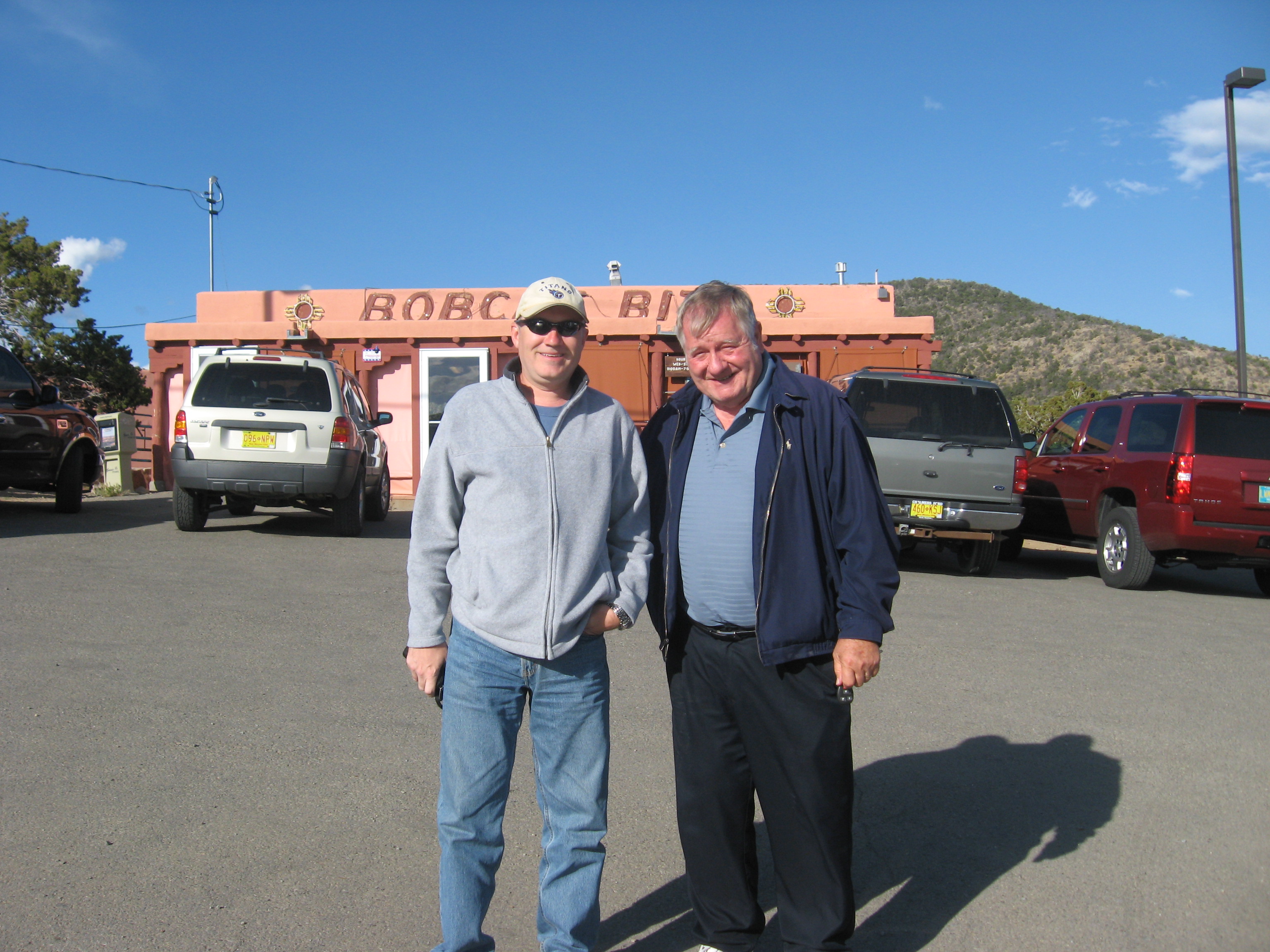
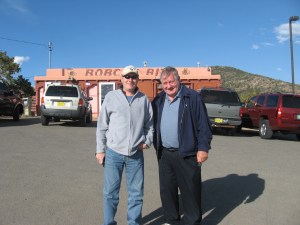
89. “Green chili cheeseburgers – at Bobcat Bite, Bert’s Burger Bowl, and all along the green chili cheeseburger trail.” I have dined at both restaurants, and Bobcat Bite is the best by far. I don’t care what Guy Fieri says.
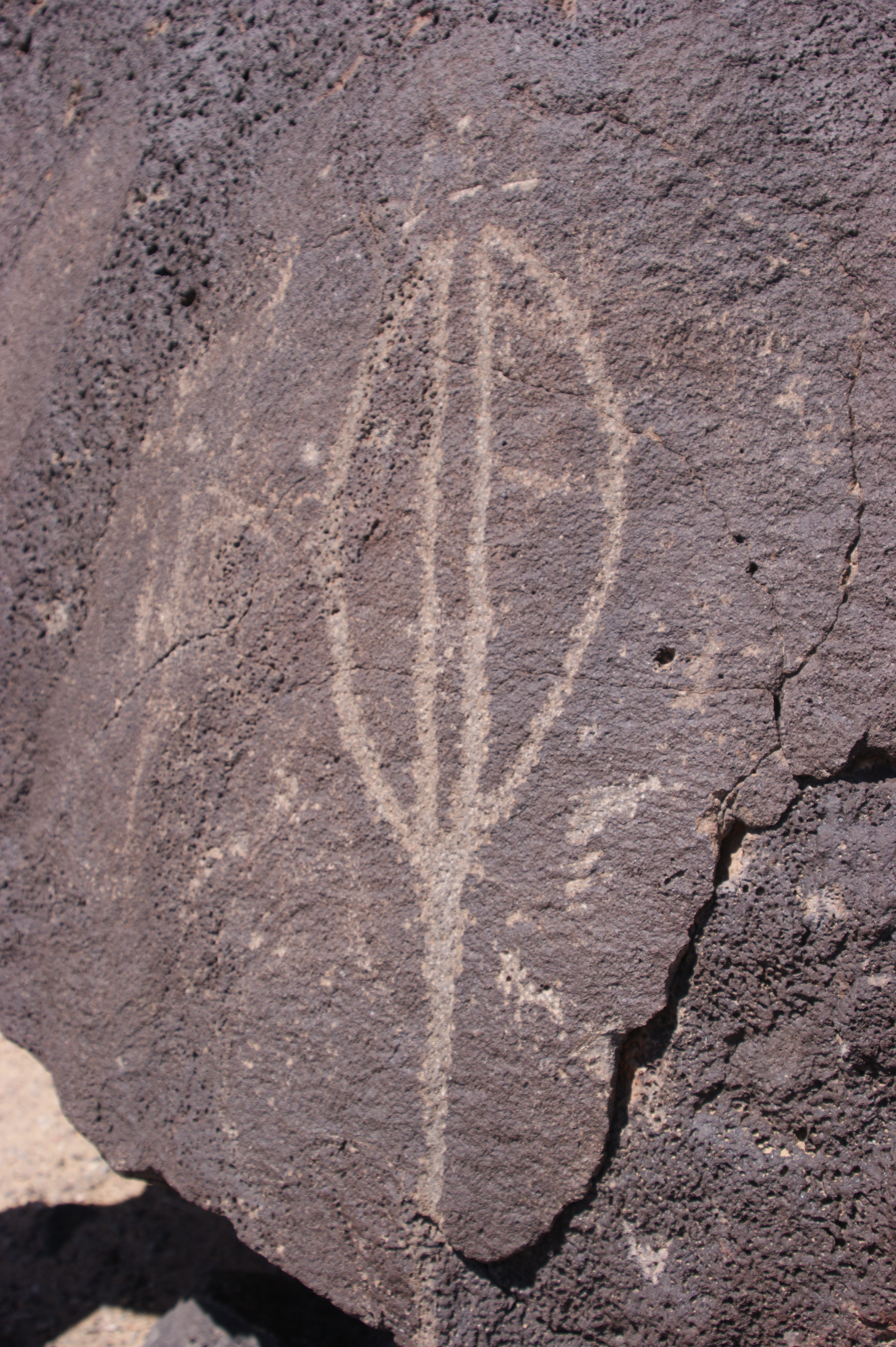
90. “An abundance of ancient ruins and petroglyphs that are now national and state monuments and historic parks.” The magazine lists a bunch of these, but I am only including the ones I have visited. Chaco Culture National Historic Park. Bandelier National Monument. El Morro National Monument. Petroglyph National Monument. Pecos National Historic Park. Coronado State Monument. I wonder what the difference is between a “historic park” and a “monument”.
92. “A docent tour at the New Mexico History Museum/Palace of the Governors on the Plaza in Santa Fe.” The New Mexico History Museum is the best museum I have ever visited.
93. “American Indian pottery, from Maria and Julian Martinez to Barbara and Joseph Cerno.” A few years ago, I bought a piece of Martinez pottery, and it is one of my prized possessions.

95. “Historic Route 66.” You can’t go anywhere in the Albuquerque area without crossing it.

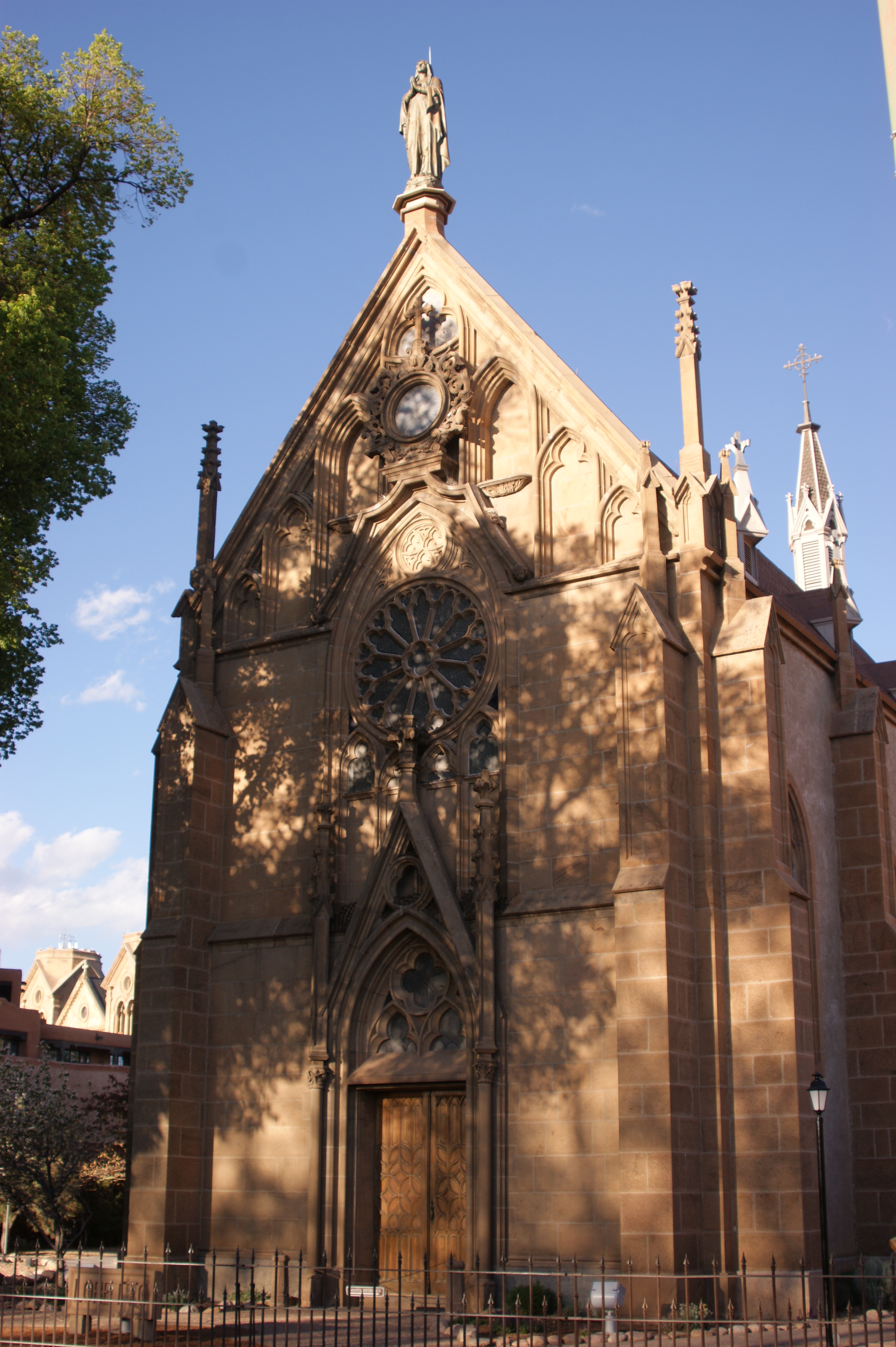
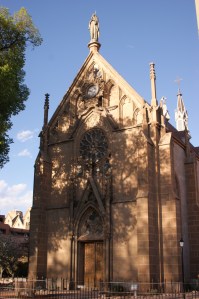
97. “The miraculous staircase in Santa Fe’s Loretto Chapel.” I saw this on That’s Incredible when I was a kid but never knew where it was. One day, I walked into this church, and, lo and behold, I found it.
There you have it – my version of New Mexico Listeria.

Aimless Wanderings of the Mind

9 Jul

Yesterday, some friends invited me to spend the night on a houseboat. Figuring that there would be a lot of late night commotion on the boat, I took my iPod in case I needed some solitude for sleep. As it turned out, everyone conked out fast from a day filled with activity, but I plugged the iPod into my ears anyway. The Guns n’ Roses version of “Knockin’ on Heaven’s Door” came on and the following took place in my mind.

I immediately thought of the original Bob Dylan version as it played over the death scene of Slim Pickens in Pat Garrett and Billy the Kid, one of my favorite westerns.

From there, I thought about one of the times I saw Bob Dylan in concert. He and Willie Nelson had a tour where they played in minor league baseball stadiums. As I watched them from the infield, I kept wondering what the backstage party must have been like.

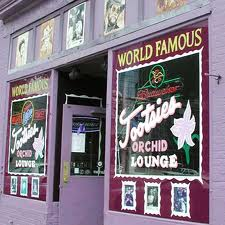
Then, I started thinking about a local legend involving Willie Nelson. Tootsie’s Orchid Lounge is a famous honky-tonk in Nashville where singers and players would congregate between sets of the Grand Ole Opry.

It seems that one night Willie was in Tootsie’s drowning his sorrows at the bar. He wasn’t making it in Nashville, and, in a moment of depression, he walked outside and sprawled in the middle of Broadway. His intent was to be run over by a car. Fortunately, they got him out of the street; he went to Texas; grew out his hair; and became a legend.

When this entered my mind, I started thinking about the time I saw Willie with Ray Price and Merle Haggard. Price’s biggest hit was “For the Good Times“, which happened to be written by Kris Kristofferson, the one who played Billy the Kid in Pat Garrett and Billy the Kid.

The other person on the bill, Merle Haggard, is one of my all-time favorites. He performed a song in a movie I recently watched, and I started thinking about a song that appeared in a John Wayne movie called Chisum, an inaccurate retelling of the story of Billy the Kid.

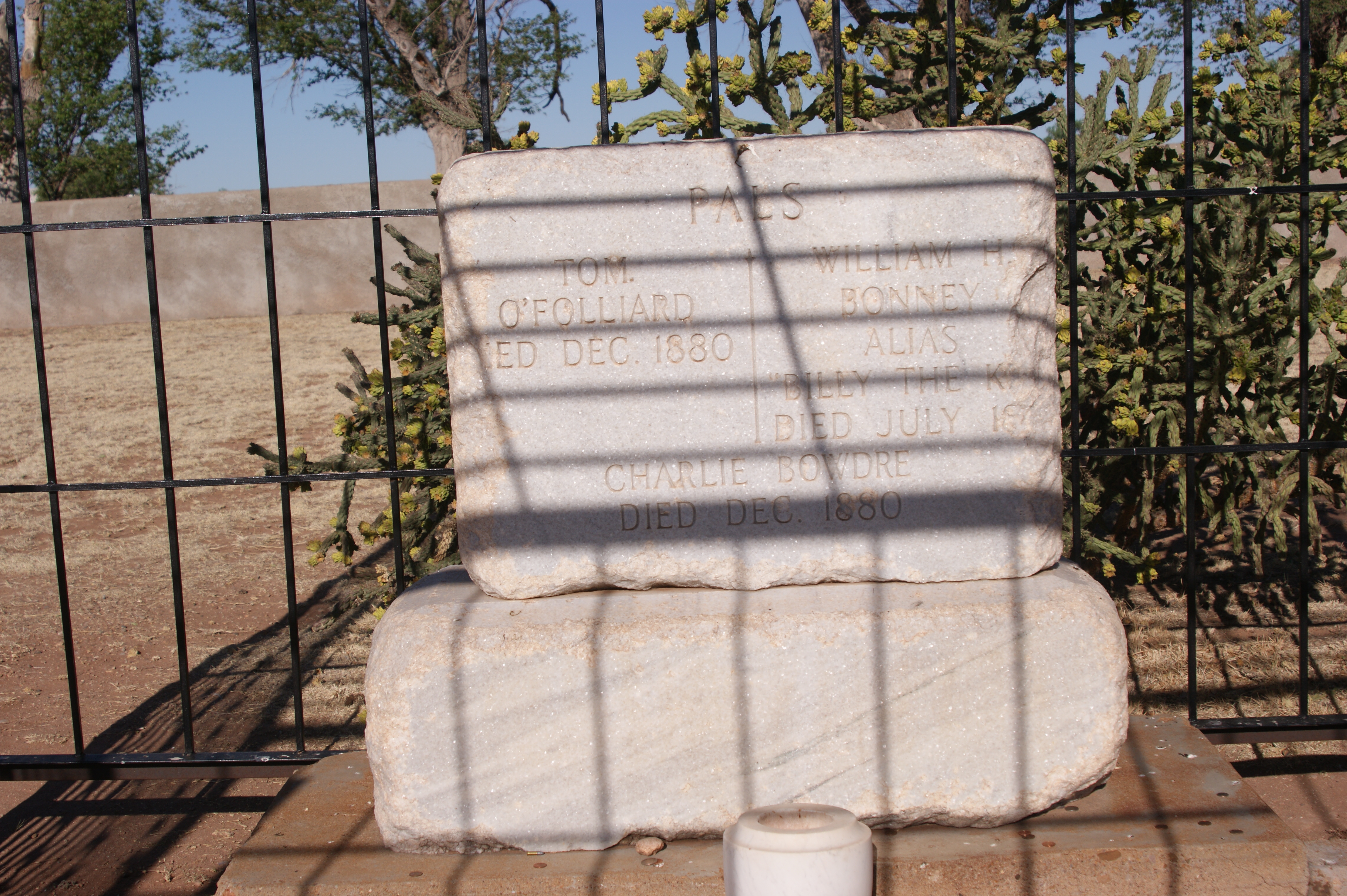
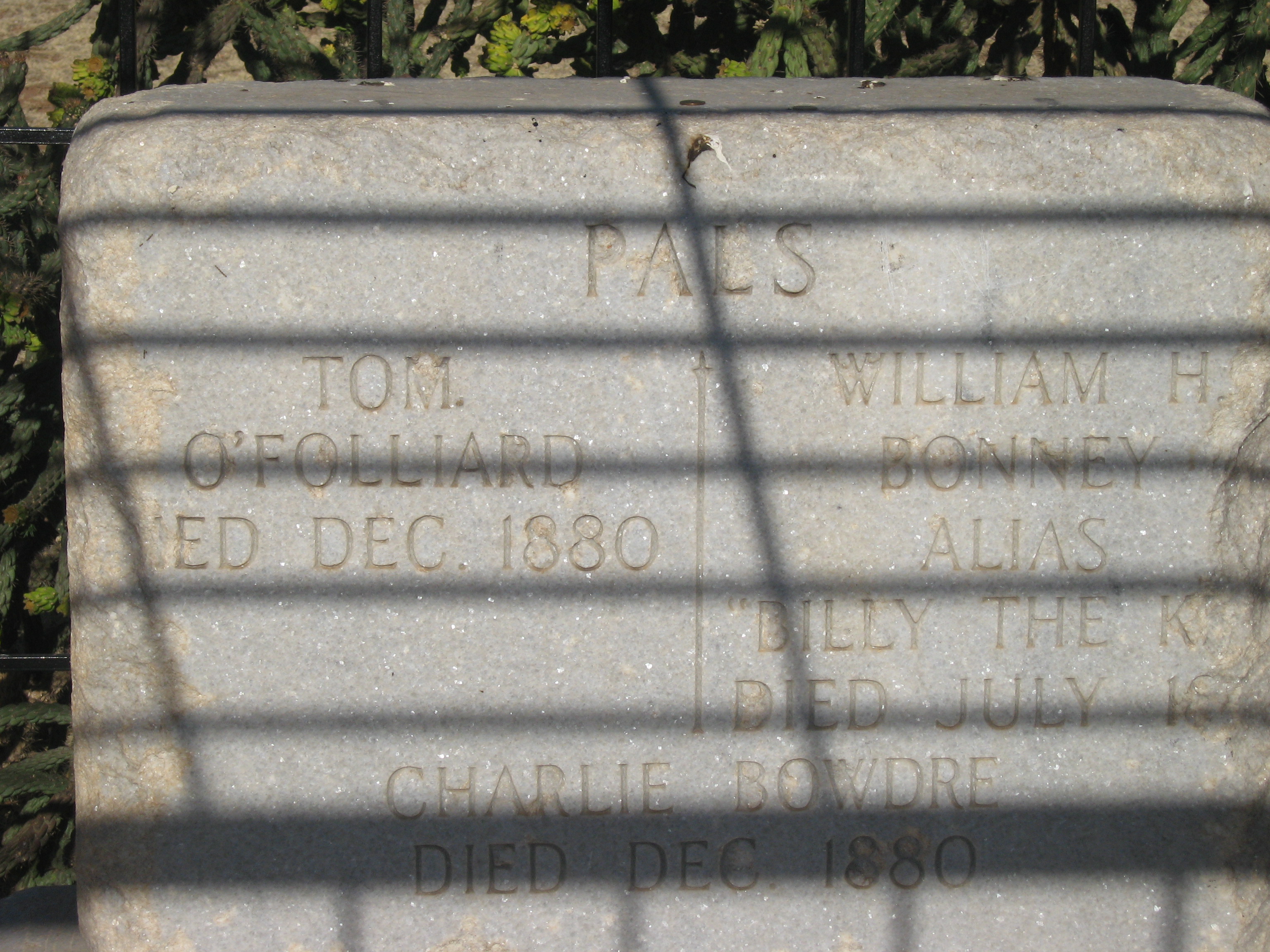
As you can see, Billy the Kid and a bunch of connections to his pop cultural self kept entering my mind. That’s when I started thinking about the last time I visited his grave.At least, that’s his headstone. Some people claim that Billy the Kid got away and lived to be an old man. That’s doubtful. Without a doubt, a flood swept through the cemetery and washed away all of the markers. It may have even carried off a few bodies. So, Billy is probably not anywhere near this piece of rock. However, I started thinking, “What if they had buried him above ground like they do in New Orleans?”

Obviously, this started me down another tread of thought. Earlier this year, we took some students on a field trip to the French Quarter (I know. Cool teacher.), and we toured the City of the Dead, one of their above ground cemeteries. One of the most interesting graves was that of Marie Laveau, voodoo queen of New Orleans.

The grave has offerings left behind by people searching for a blessing. I thought about that, but I also thought about a song by Redbone called “The Witch Queen of New Orleans“.

New Orleans. It’s a cool city, and a lot of movies have been made there. They started running through my mind, but one that I saw the other day stuck out. It was Live and Let Die, the James Bond film that has the scene with an agent watching a funeral parade in the French Quarter. When he asks whose funeral it, he is stabbed and placed in the coffin. That’s when the parade really cranks up. Then, the theme song by Paul McCartney and Wings entered my brain.

That’s when it hit me. Holy crap. “Live and Let Die” was another movie song that was covered by Guns n’ Roses.

By this time, my mind was mush, and I mercifully faded out.

Gambling in Another World

29 Jun

I love everything about casinos. The lights and sounds of the slot machines. The yells as people win at the Craps tables. The feel of the felt under my fingers as I sit at the Blackjack table. The thrill of putting chips in the circle and anticipating the cards. The cocktail waitresses who deliver free drinks. I love it all.

When I tell people about going to a casino, they automatically think of glamor, and the things I just mentioned could, I suppose, be considered glamorous. In Las Vegas, they definitely are. The cocktail waitresses are hot. People are dressed their best and ready for action. After all, what happens in Vegas stays in Vegas. I bet Monte Carlo is more glamorous than that. I mean anywhere James Bond gambles must be cool.

I say all of this because I just returned from a gambling junket to Tunica. It has the same slot machines, Craps tables and Black jack tables and would like for you to think that it has the glamor to go with those things. Just check out one of the promotional photos.

Everyone is dressed up, smiling and attractive. However, that is not exactly how it is. Some people look like they have slept in their clothes, and others have no idea how to dress. I saw one man wearing flip-flops, shorts and a blazer. Also, it seems that every Southeastern Conference school is represented by a cap or a t-shirt. Now, I have plenty of that gear as well, but I try not to wear it all the time.

I reckon the best way to describe the fashion of Tunica is to describe one of my Blackjack sessions. I was sitting with a wanna be Hip Hop king when a man wearing overalls and a “South Shall Rise Again” t-shirt sat down. He pulled $6,000 in cash out of his bib pocket and played $2,000 a hand. After three hands, he was done; stood up; said, “Fuck this.”; and left. In Vegas, you will see large amounts of cash but not a “South Shall Rise Again” t-shirt. That’s the difference.

Soon, I left the table and walked around the casino and figured this must be what the scene looks like in Lourdes. Everywhere, people were using canes, walkers, wheelchairs and scooters. It’s as if the disabled go to Tunica for the healing waters or the miracles of the Poker Slots.

After scanning the scene, I eased over to the bar for a drink and a bit of reflection. As I considered my surroundings, I was reminded of a place I saw in my childhood and realized that I had stumbled into a similar world. It was a place with lively entertainment and a variety of characters. I wasn’t really in Tunica. I was here. Except, there was no live band. These beings were rocking out to the best of the 80s.

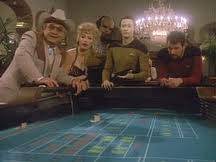
The next day, I changed venues and went to a smaller casino. I had not been there in a long time because it always gave me a weird vibe, and that vibe returned as soon as I walked in. Are you a fan of Star Trek: The Next Generation? If you are, then you may remember an episode where Riker, Worf and Data find themselves in a casino on a distant planet. It was built by aliens for an astronaut who was stranded in space. The episode was The Royale and the trio was trapped in a cramped casino with eccentric characters.

That’s the way I feel when I walk into this particular casino, and this trip did not disappoint. There was one Blackjack table in operation, and it had two people playing. I sat down to play, and they wanted to have a conversation. One was a woman who looked like Elvira if she was addicted to meth and Krisy Kreme donuts. Doing her best to flirt, she asked me what I did for a living. I told the truth and said that I was a history professor. Thankfully, she said that history was boring.

Unfortunately, the other player thought it was interested. He was a man wearing an oxygen tank who had traced his family’s lineage. In short, he was a history buff and was convinced that I was interested in his family history. I didn’t stay long.

With all of that being said, I came home with more money than I left with, and I suppose that is the point. If you ever go to Tunica just don’t expect the glamor of other gambling destinations. And, watch out for what may be happening in the corner.

You Sank My Battleship

20 Jun

This morning I had an appointment to get waxed (don’t ask) and found myself in an interesting conversation with my waxer. For me, talking during a waxing is essential because it gets my mind off of the feeling that I am being flayed alive. Anyway, we talked about all kinds of things, including the Roger Waters concert I attended last night. I will blog about it later, but he performed The Wall album in its entirety.

The conversation then ventured into her recent trip to Hawaii. She told me all about it. How she didn’t eat poi at the luau because it looked gross. How people looked at her funny when she ordered sweet tea. It all sounded bad, so I asked her what she liked about the trip. I smiled through the pain as she said that the best part was going to Pearl Harbor and touring the USS Missouri.

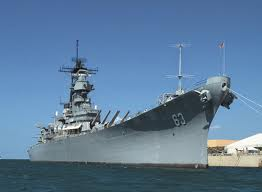
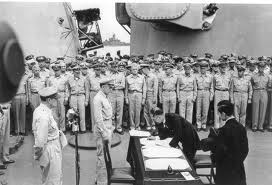
I couldn’t believe she said this because Pearl Harbor is one of my favorite historic sites. Everyone should visit it if they get the chance. The USS Missouri, while not at the base during the attack, is docked as a museum because of its role in World War II. Upon its decks, representatives of the Empire of Japan officially surrendered and ended World War II.

The last battleship to be built by the United States, the USS Missouri also saw action in the Korean War and after being recommissioned and modernized saw action in the Gulf War of the 1990s.

All of this was running through my mind when I asked my waxer what she liked about touring the ship. She stated excitedly:

“The most interesting thing was that was where Cher filmed the video of “If I Could Turn Back Time”. They even showed us which gun she sat on. The tour guide said that everybody wants to see that gun.”

The historian side of me wept.

Imagining the West

5 Jun

When the United States completed the Louisiana Purchase, a question arose among politicians and citizens around the country. What exactly did Thomas Jefferson buy? Some of it was known, but, frankly, a lot of it was a mystery. Like today, mysteries led to wild rumors and speculation. Some thought that the land was filled with mammoth. Others theorized that giants walked the land. Even the reports of Lewis and Clark did not quell the wild stories about the land that they traveled through.

This began a long fascination with the western landscape among Americans. While some ventured into the region, the vast majority was content with staying in their comfort zone and leaving the visions of the West to their imaginations. While they read dime novels exaggerating the exploits of the people in the West, they were also fed exaggerations of the images of the West.

It is easy to see how someone in the 1800s could incorrectly imagine the West as they read a book that was designed to be as adventurous as possible. The visuals were left up to them, and they only knew what the writer wanted them to know. However, the 1900s brought the invention of films. Now, the story could unfold in front of their eyes. No more imagining. They could see the real West.

Unfortunately, that’s not exactly the way it happened. The first “westerns” were filmed at Thomas Edison’s studio in New Jersey. I’m not even sure it was in western New Jersey. When the motion picture industry moved to Los Angeles, things did not get much better because movies were filmed close by. In other words, a story that was based in Texas was filmed in California. As people watched, they began to assume that Texas, and the West in general, looked like the place they were seeing on the screen.

Last night, all of this came into focus for me as I watched television with some friends. Longmire, a new show about a modern-day sheriff in Wyoming, premiered on A&E, and I had been looking forward to it. To my disappointment, it was a weak attempt to copy th success of Justified, but I digress. My friends, who have never been to Wyoming, were talking about the scenery and how beautiful it was. I have been trying to convince them to take a trip to the West instead of their usual beach excursion, and they began to get excited about going to Wyoming and seeing this beautiful place.

Wyoming is beautiful. It is one of my favorite states. However, if my friends want to see the landscapes of Longmire, then they will need to go to northern New Mexico, the filming location. I thought it looked familiar because I was just there. Anyway, I had to explain that westerns are not always filmed where the story takes place and that it has confused audiences for decades. I wondered how many people will watch the show and think that Wyoming looks like New Mexico.

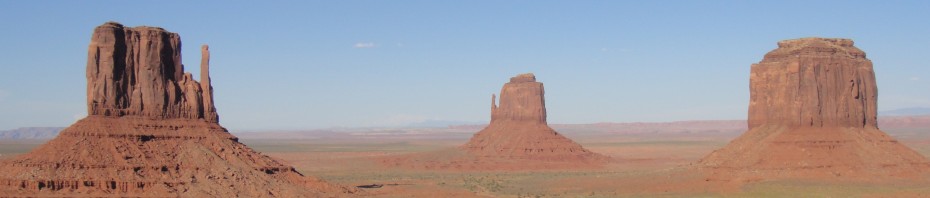
Today, another example of filming that confused the audience popped up on my television. The Searchers, starring John Wayne as Ethan Edwards, is one of my favorite movies. It follows a loner who goes on a decade-long trek to find his niece who was abducted by Comanche. I could write about this movie all night but need to focus on the scenery in which the action takes place. The director, John Ford, used his favorite filming location, Monument Valley, because of its grand vistas. In fact, I used a photograph of Monument Valley for the banner above.

The problem is that the story takes place in Texas while Monument Valley sits in Utah. Through the years, I wonder how many people think Texas, an iconic locale for western stories, looks like that. I can promise that it doesn’t.

People have always imagined the West differently. In the 1800s, misconception was understandable because technology and transportation did not offer easy opportunities to see it. During most of the 1900s, a trip into the West was also difficult for many. However, today, with interstates and internet, there is not excuse for imagining the West incorrectly. I urge everyone, if provided with the opportunity, to travel through it and see for yourselves.

Wyoming does not look like New Mexico, and Texas does not look like Utah. However, each of those places and all of the rest have a beauty all their own. Don’t be fooled by the movies and television because the West is more magnificent than they can show and you can imagine. Plus, it will all be in the right places.

Pueblos, Pottery and Captain Vla

22 May

I have returned from the sojourn into New Mexico with fellow faculty and a class full of students. Fun was had by all, and it would be impossible to cover everything we did in a blog post. With that in mind, I will provide a brief synopsis by describing my favorite activities from each day. Hopefully, this will provide an entertaining glimpse into our adventures.

Day 1 – The beginning of a trip is always the best part of the first day. The students are anticipating the places that they have yet to see, and the teachers are anticipating the return to an interesting part of the country.

Day 2 – We can’t drive vans to New Mexico in one day, so we check out some things along the way. My favorite part of the second day is driving through Hereford, Texas, the citizen-proclaimed “Beef Capital of the World”. I don’t know if that is true, but there are definitely more cows in Hereford than there are people. Holding pens line the highway and railroad as thousands of head of cattle wait to be shipped to the plates of America. The students could only discern the smell, but I find the beef industry, both its past and present, interesting.

Day 3 – We made it to Santa Fe, our ultimate destination, later this day, but we had one stop along the way where I had the chance to talk about some history where that history took place. Billy the Kid is buried in Fort Sumner, New Mexico. Well, most people think he is buried there. Conspiracy folks believe he survived instead of being killed by Pat Garrett. Anyway, I was able to tell the students about Billy the Kid next to his grave.

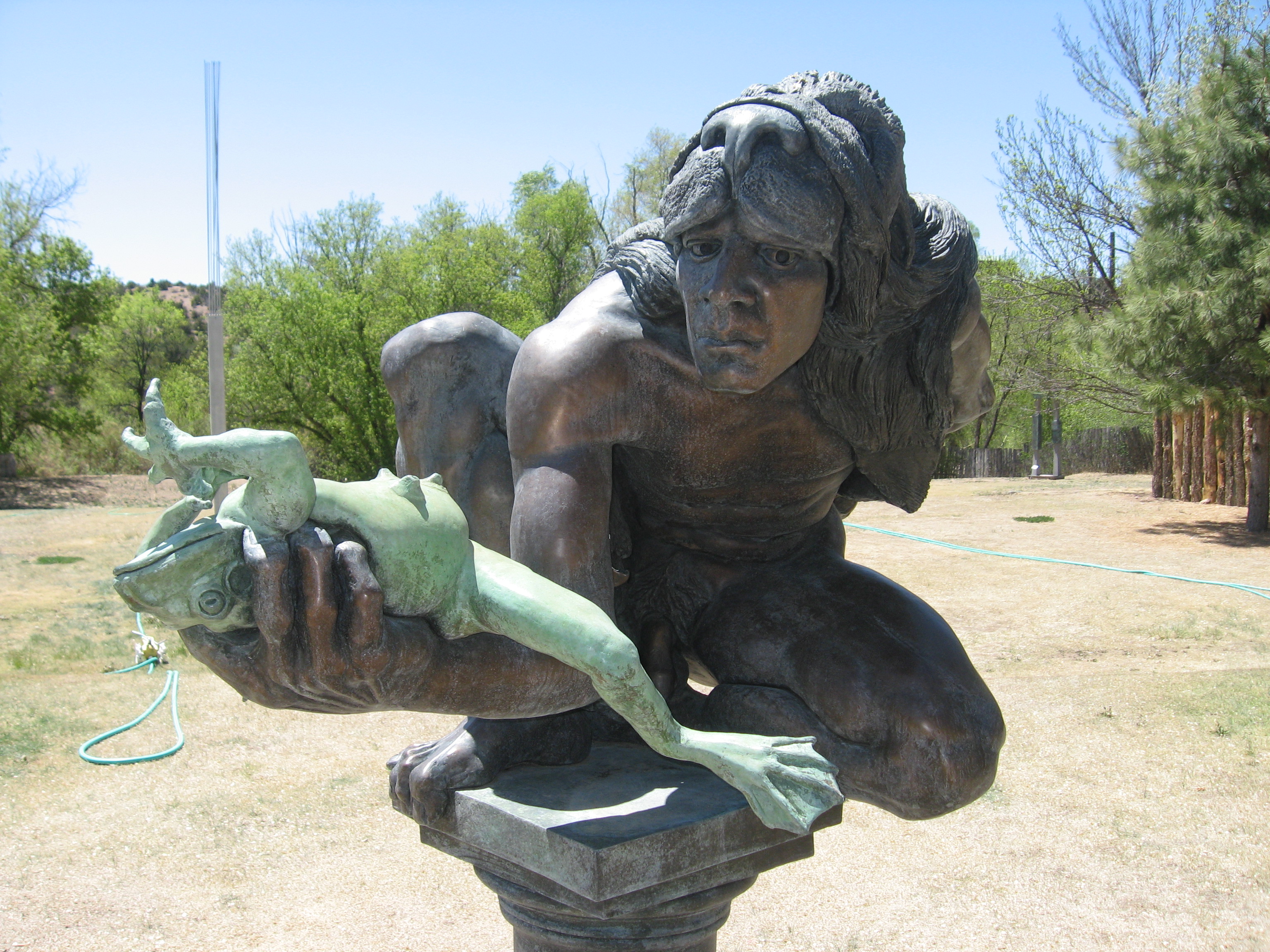
Day 4 – Our plans to hike Chaco Canyon were rained out, and our leader had to develop a day full of activities on the fly. We went to the Santa Fe plaza, but my favorite part of the day was spent at the Shidoni Gallery. The building and surrounding grounds are full of metal artwork that has been forged at the on-site foundry. It is interesting to see what people consider art and the prices they are willing to pay for it.

Day 5 – On this day, we went to a few places that we had never taken students before. The Very Large Array, or VLA, was the best. This is a series of giant satellite dishes used to study the far reaches of space. I don’t have a good picture of these, but if you have seen Contact with Jodie Foster, then you have seen the VLA.

It was cool to walk around them, but the real fun was on the periphery. On the way, we drove through sunshine, rain and hail. On the way back, we drove through snow. This is the first time we have seen precipitation in New Mexico – much less three different kinds. Also, one of our students, with my help, began calling himself Captain Vla. He imagined himself a superhero who could fly through space, powered by the satellite dish that emerges from his butt. His only weakness would be his limitation to travel by rail while on Earth, just like the VLA dishes. He even had a theme song – Super hearing! Super sight! He can travel through space at the speed of light! (For those readers who know the students who went, I will give you one guess who turned himself in Captain Vla.)
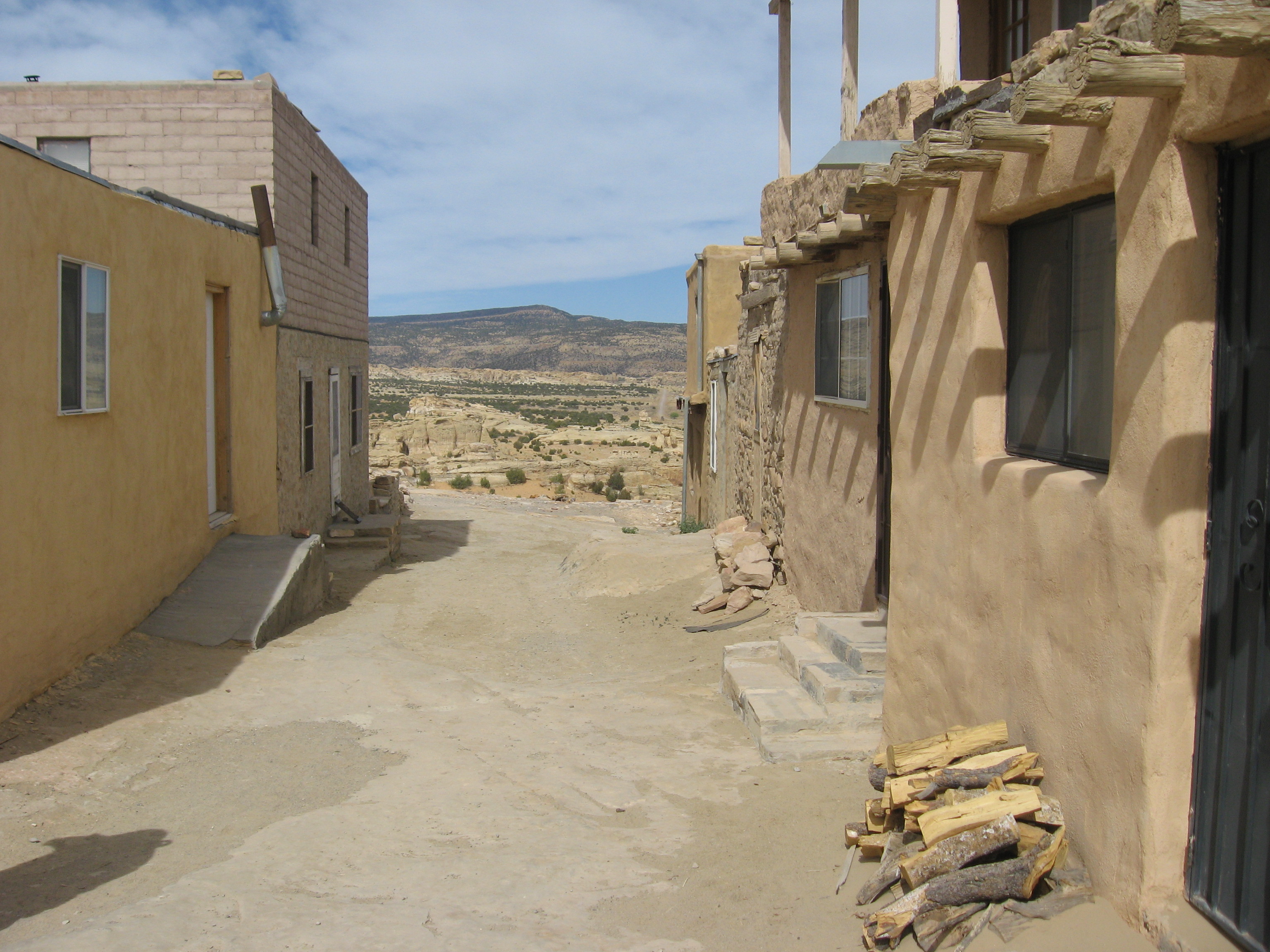
Day 6 – We visited my favorite place on the entire trip, the Acoma Pueblo. The oldest continually inhabited place in the United States, Acoma is located on top of a mesa and has a history of survival from the elements and European invaders. Native American docents take groups on a tour through their pueblo and their culture. Along the way, tourists can buy pottery from local artisans. One of our teachers, who shall remain nameless, buys pottery from the same lady every time we go. He also gets a hug.

Day 7 – We always eat well in New Mexico, and this trip was no different. The New Mexican cuisine is wonderful, especially the sopapillas that are always served for dessert. On the seventh day, we ate at Rancho de Chimayo, one of the great restaurants of the area, but dining was not the only enjoyment. There is a pottery shop inside, and two of the faculty members on the trip are addicted to buying Pueblo pottery. It so happens that the shop had a pot that they were lusting after. As they bickered back and forth about which one was going to purchase the $1,400 piece of pottery, the third teacher, not me, stepped in and said he would buy it. They both stood there with their mouths hanging open.

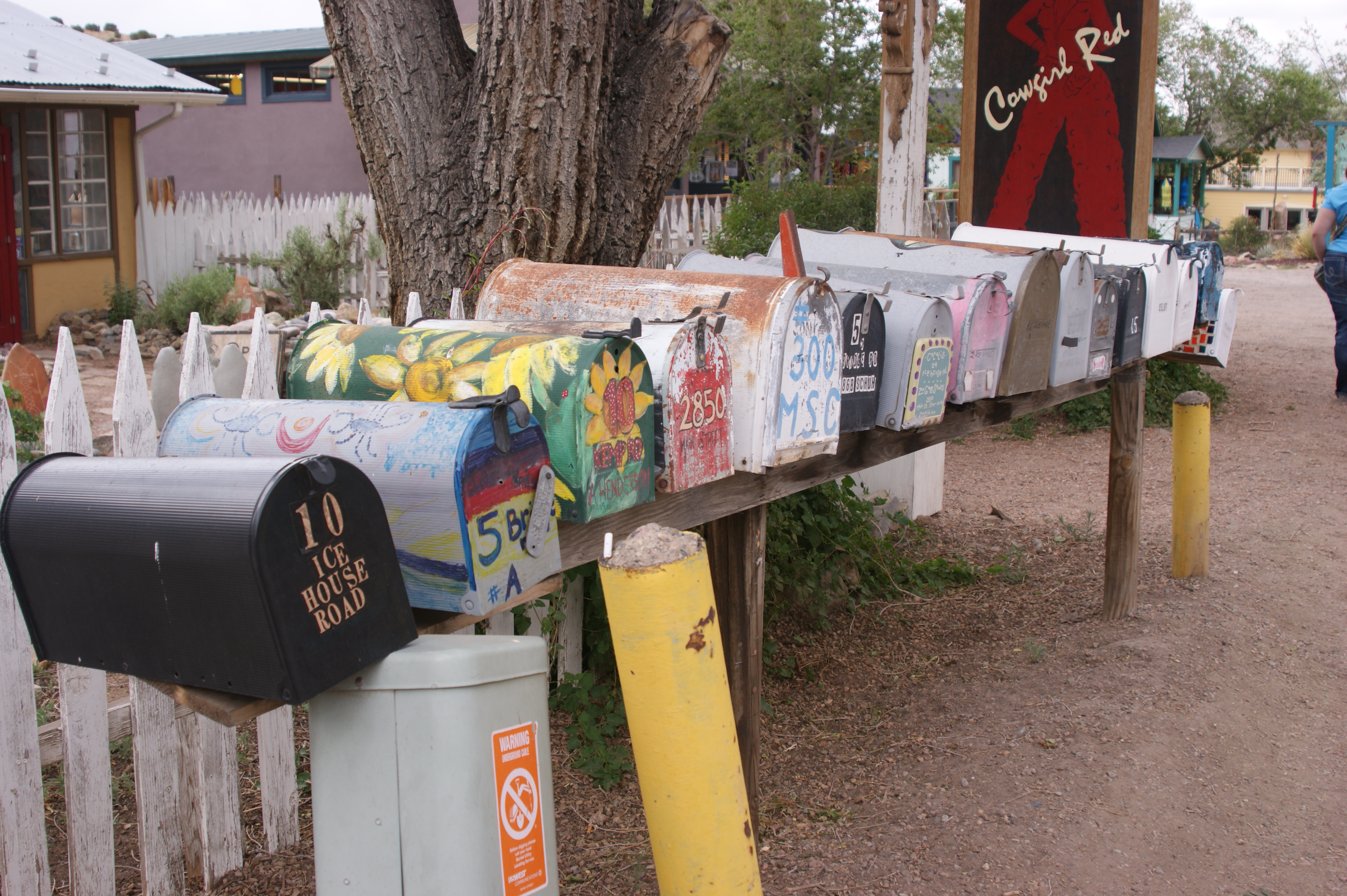
Day 8 – This was an easy day with little driving and little expended energy. Believe me when I say that everyone was ready for it. We were also ready to visit Madrid, New Mexico, an old ghost town that was resettled by flower children in the early 1970s. It is like going back in time to a place where peace, love and other things were still possible. The guys found a blonde in the ice cream parlor/art gallery that they wanted to find peace with. I found the first person to move to Madrid in 1973 and had a discussion about his life.

Mel Johnson was a dean at the Art Institute of Chicago and gave that up for a life in Madrid. In the following years, other people followed him until the town was filled with artisans and free-thinkers. Before I left his studio, I had found an interesting story and bought a painting.
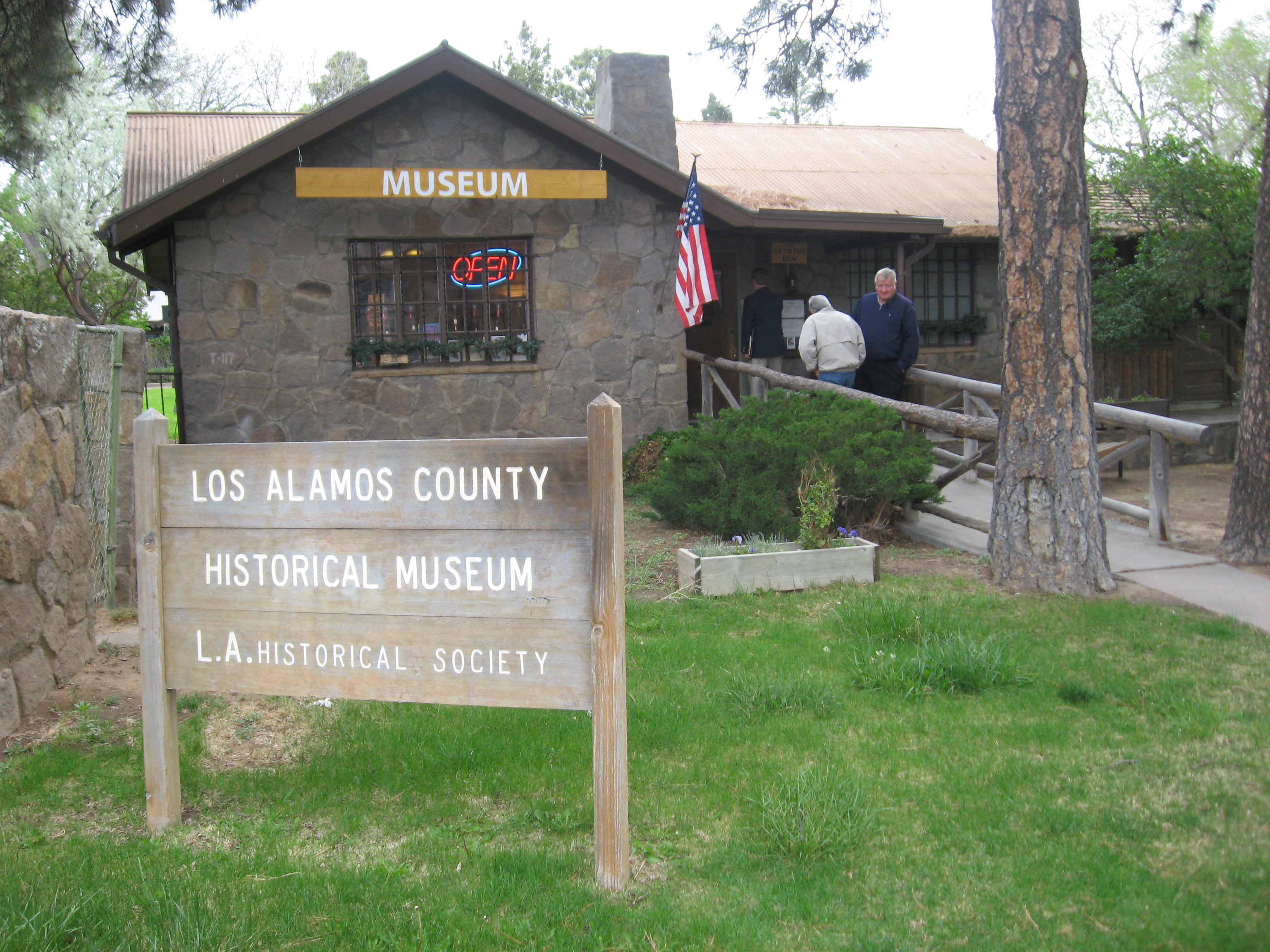
Day 9 – Once again,  I was able to talk about history where it actually took place. We visited Los Alamos and a museum that is housed in the only remaining building from the days of the Manhattan Project. I find World War II history interesting and have a special interest in the building of the atomic bomb. One reason is that Oak Ridge, Tennessee was one of the secret locations. Another reason is that my mom’s uncle worked in the Manhattan Project and told a lot of stories about it. People have different opinions about the use of the bomb on Japan, and it is great to discuss the different views of the students. In the end, we agreed that hindsight is 20/20, and we can’t place that hindsight on people who were making decisions in the moment.

Day 10 – This was our last full day in New Mexico and was really a time to wind down. We hiked the mesa at Ghost Ranch and spent some time back on the plaza in Santa Fe. On top of the mesa, the students and I spent a spiritual moment reading a Native American poem, an ode to the land of New Mexico. I think we all felt a twinge of sadness because we were soon leaving and a sense of happiness because we had a great time throughout the trip.

Day 11 – We left Santa Fe at 5 am and drove over 700 miles to our original hotel in Sallisaw, Oklahoma. After a meal at Western Sizzlin’, the professors pulled chairs from our rooms into the Super 8 parking lot and discussed the trip. We deemed it a success.

Day 12 – We left Sallisaw at 5 am and headed home to Tennessee. It seemed that we got faster the closer we got to home. Like most trips, we were glad that we went but also were glad to get home.

Bound for New Mexico

8 May

Each May, myself and three other professors lead a field trip course to New Mexico. We use Santa Fe as a base and take daily excursions throughout the surrounding area and study different aspects of the area – history, anthropology, biology, economy, art…the list goes on and on. In the middle of the educational experience, we have a lot of fun as well.

In a few days, we will load up the vans and, as was famously written, “Go West, young man!” The problem is that a few of us aren’t that young. I will not be blogging during my time in the “Land of Enchantment”, but I will be Tweeting about our adventures. If you would like to follow along, then click the little bird in the column to the right. When we return, I will have plenty of stories to share. Hopefully, some interesting blog posts will be the result.