Tag Archives: Cumberland University

Monty Pope – Teacher and Mentor

18 Jun

A few days ago, I had lunch with Monty Pope. Most of you have never heard that name, but please allow me to introduce him. Monty recently retired from a long career teaching history that began in the public schools of Nashville and ended at Cumberland University.

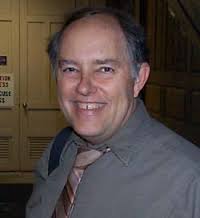
I was working on a Master’s degree when I first met Monty. He was offering a class on Historical Geography, and I needed to fulfill some hours. It turned into a class that I will always remember. Monty took us on a tour of the town that I grew up in and, through architectural styles, showed us when and how the town developed. Riding on that van, I had no idea that Monty and I would teach together for over a decade.Monty Pope

When I was hired, I did not know what I was doing. I had never taught a class. I had never made out a syllabus. I had no notes from which to lecture. Luckily, Monty was there to be a mentor and show me the way. Simply, he taught me how to teach.

Monty taught me that there is more to the job than talking about history in a classroom. We are to be mentors to the students just as he was a mentor to me. We are to help students when they have problems. We are to be advisors and counselors.

As I type those words, something should be clear. Certainly, we are to be academic advisors and counselors, but we are to be ready to face other issues. What do we do when a student comes to us crying because a family member has passed away? What do we do when a student is pregnant and expecting during finals week? What do we do when a student asks for advice because they lost their job?

Monty taught me that we advise students in history, but we also advise them in life. Monty taught me that we should go by the book, but, sometimes, situations arise that the book does not cover.

Monty taught me how to teach, but, more importantly, he taught me how to be a teacher.

Monty also taught me History. I have been enrolled in countless history classes, but my only class with Monty was the one I mentioned. However, I learned more History sitting in Monty’s office than I did in most of those classes.

He is a Jacksonian and knows as much about Andrew Jackson and Tennessee history as anyone. His tales of the old days in this area are fascinating. Monty can weave a historical narrative better than anyone I have ever known. His secret, perhaps, is that he never lets the facts get in the way of a good story. As I have heard many times, a Pope has been at every significant event in American history.

Monty has taught thousands of students through the years, and each one of them could write a post about him. I am certain that the vast majority of them would say the same thing. Monty was their history teacher, but he was also their mentor.

The Legacy of the Phoenix

13 Jun

A couple of posts ago, I mentioned that we attended the Phoenix Ball, an annual fundraiser for Cumberland University. For decades, the Phoenix has been the symbol of our institution. It is represented on the uniforms of our teams and is etched in the stained glass of Baird Chapel.Baird Chapel

This is strange to a lot of people because we are called the Bulldogs. They always ask why we have a bird as a symbol if our mascot is a dog. Well, this is why.

Cumberland University was founded in 1842 and quickly established itself as one of the best institutes of higher learning. Its claim to fame was having the first law school west of the Appalachian Mountains. However, problems arose in 1861 and the start of the Civil War. Most of the students and faculty enlisted in the armies of their states and made their way to the battlefields.

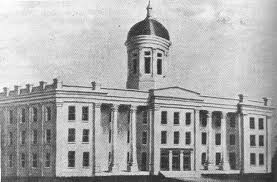
Eventually, the Civil War made its way to campus, and the original buildings were burned.Cumberland Original

Some say that the campus was burned by the Union army. Others say it was burned by the Confederates when they found out that the campus had been used to house African-American soldiers of the Union. It does not matter who did the deed. What matters is that Cumberland University no longer had a home.

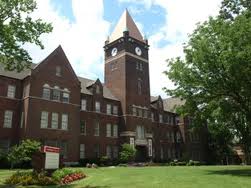
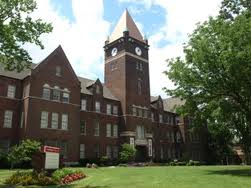
When the war ended, the leadership of Cumberland University was determined that the school would continue. For years, classes were held in buildings around town. In 1892, the generosity of others allowed the university to purchase land for a new campus and build a new building. Memorial Hall was completed in 1896.Memorial Hall 2

The university was destroyed by fire and rose from the ashes. That is why the mythical Phoenix became the symbol of the university. However, the university has risen several times from the brink of disaster.

It survived the loss of support from both the Presbyterians and the Baptists.

It survived as students went off to more wars. In fact, it became the headquarters of the Tennessee Maneuvers that trained soldiers for the invasion of Europe in World War II.

It survived a tornado that ripped across Memorial Hall. The scars of its reconstruction can still be seen.

It survived the loss of its law school, which was renown for its graduates. One of those graduates was Cordell Hull, the Father of the United Nations.

It survived the move to become a junior college and returned to being a four-year institution in the 1980s.

Today, Cumberland University has the highest enrollment in its history. We offer undergraduate degrees in many disciplines. We also offer several graduate degrees.

As a graduate and faculty member at Cumberland University, I know the trials that the school has endured and its ability to survive and thrive. It is a special place with a long and proud history, and I can think of no better symbol than the Phoenix.

Money Cannot Buy Class

8 Jun

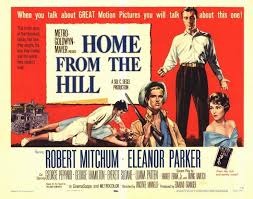
One of my favorite movies is Home from the Hill, a 1960 melodrama starring Robert Mitchum and Eleanor Parker. It follows the lives of Wade Hunnicutt and his family through a myriad of Shakespearean conflicts. Their’s is far from the perfect family. However, there is another aspect of Wade’s life that attracts me to the movie. He is the richest man in town.Home from the Hill

Hunnicutt owns all of the good farmland and lives in the biggest house. Everyone calls him Captain as a sign of respect, but it is also a sign of obedience. Hunnicutt’s stature leads him to believe that he has the right to do anything he wants. He plainly states his outlook on life when he says that he is the “kind of man that walks around with nothing in his pockets, no identification because everyone knows who you are. No cash because anyone in town would be happy to lend you anything you need. No keys ’cause you don’t keep a lock on a single thing you own. And no watch because time waits on you.”

Hunnicutt also believes that he is the kind of man who can have any woman he wants, single or married, because his wealth and power allows it. In fact, the movie begins with Hunnicutt getting shot by a jealous husband. As the movie continues, it gets more and more complicated.

So, why am I interested in the story of Wade Hunnicutt? Because he is the perfect example of how people with wealth or power should not act. People who are lucky enough to hold such status should be humble and should realize that it does not make them better than others. They should realize that they do not have the right to treat others with disrespect.

A lot of discussion has focused on the 1%. Well, it is real people like the fictional Wade Hunnicutt who give the 1% a bad name. Sure, Hunnicutt may be an over the top caricature, but he still represents the idea wealth and power allows people to act in ways that are inappropriate.Phoenix Ball

Last night, we attended the Phoenix Ball, a local gathering that raises money for Cumberland University, and I started thinking about this. We ran into a lady who has been a long time resident of our town and is someone of means. However, you would not know it by talking to her. She does not put on airs and always takes time to ask about family and friends. In essence, she knows how to act. She has class.

I have been in the presence of a lot of people who are like her. You would never know what they have through their actions. However, I have also been in the presence of a lot of people who make a point to let you know who they are and where they rank. I wonder which ones are truly the more successful.

As I tweeted earlier, money can buy a lot of things, but it cannot buy class. I wish more people would realize that money does not bring respect. Being a good person and treating people right is what brings respect. That is something people from all economic levels can do.


A National Championship and the Lessons of History

4 Jun

Last week, the Cumberland University baseball team won the NAIA national championship. It is the third time in the past ten years that the baseball program has claimed the top prize. The coach, Woody Hunt, is a legend in these parts and has led the program for three decades.Cumberland Baseball

A couple of days ago, we had a celebration for the team. There was a parade, and hundreds of people showed up at the baseball field to honor the players and the coaches. Several people spoke, and I was lucky enough to be one of them. As Faculty Athletic Representative, I track the academic progress of all student/athletes and make sure that they are on the way to completing their degrees.

A lot of the baseball players have been in my classes and, hopefully, have gotten the point that history is important. We can learn from our past and use that information to move into the future. In fact, a lesson from the past convinced me that they were going to win the NAIA World Series.

The event was held in Lewiston, Idaho, home of Lewis-Clark State College. That is important because their team was in the World Series, as well. In fact, that is who the Cumberland Bulldogs had to beat to win the championship.

Lewis-Clark State College is names after Meriwether Lewis and William Clark, who Thomas Jefferson chose to lead an expedition into the Louisiana Territory. It is one of the most famous stories in our nation’s history. Lewis and Clark, with the help of Sacagawea, led a band of men through uncharted land to determine exactly what Jefferson had purchased. They returned in a couple of years with fantastic tales of the land and its people.

They were heroes and were treated as such. However, that is not the end of the story. After the journey, Meriwether Lewis faced difficulties in several aspects of his life. Finally, he left his home in New Orleans to travel to Washington, D.C. Lewis want to see Jefferson, his old patron. He traveled the Natchez Trace toward Nashville and was almost to the city when he stopped at a roadside tavern.

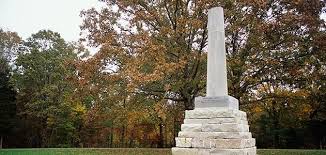
Meriwether Lewis never left that tavern. He was fatally shot, and the mystery of who did it continues to this day. The proprietors buried him in the yard, and his grave can be visited. A broken obelisk stands above him.Lewis Grave

So, how did this story convince me that our baseball team would win the national championship? Meriwether Lewis survived great dangers on his journey into the West. However, he could not survive his journey into Tennessee. With that in mind, I saw no way that a school named after him could beat a team from Tennessee.

Commencement Shall Commence – Rain or Shine

10 May

The 142nd commencement of Cumberland University is upon us, and there is a question of where it will be held. If the weather is nice, then the ceremony will be held on the lawn in front of Memorial Hall.Memorial Hall

However, it may rain. If that happens, then the ceremony will be held in the gym. It will be a lot less complicated if the sun is shining.

I have been involved with 15 of those 142 commencements. The first was in 1989 when I graduated with an Associate degree. The university stopped offering those degrees several years ago. I guess that means I am a dying breed. That graduation was held in the cafeteria. The university was small enough that everyone could fit into that room. Through the hard work of a lot of people, the university has grown through the years.

It was almost ten years later that Cumberland University had gotten to the point where it was offering Masters degrees. I got one of those, too. That commencement was held in the gymnasium. I do not remember much about it, but I know it was not a disaster.

That is one of the things that I would like to pass on to this year’s graduates. Having a ceremony in the gymnasium is not the worst thing that ever happened. I understand that everyone wants the beautiful outdoors where an unlimited number of people can attend. I know that it sucks to be told that only six people can get into the gym when a truck load of family members have shown up. However, I have graduated from Cumberland University twice, and neither time was outside. I promise that it ended up fine. I still got a couple of diplomas.

Tonight, there are a lot of people sitting around wondering if it is going to rain. I am wondering what I will be thinking about as the commencement takes place before my eyes. Actually, I am not wondering. I know exactly what I will be thinking about.

Sitting on the front row means that the faculty get a great view of graduates going across the stage. Wait, we get a great view of their shoes going across the stage. Every year, I think about the variety of shoes. Tennis shoes. Flip flops. High heels. Higher heels. Even higher heels. And, they all reach the bounds of the color spectrum. Yep, watching shoes is one of the more entertaining parts of the program.

I also think about what people are wearing. Graduates dress up to the max, then they cover all of that up with a gown. I have often wondered why people dress up to cover up. I guess they want to look nice for the post-graduation gathering of family.

Last year, there was a girl who dressed as a half-human, half-goat forest creature. She had the ears and everything. After she crossed the stage, she skipped off into the distance. It was a tremendous exit. I wonder if we will be getting any alumni donations from her.

Truthfully, I am also sitting around wondering if it is going to rain. I hope it does not because everyone should be able to watch their loved ones walk across the stage. Graduating from college is a great accomplishment. It involves hard work of sacrifice by the graduate and everyone else in their lives. It takes drive and commitment. Sometimes, it takes a little imagination. Just ask the half-human, half-goat forest creature.


You Never Know What You are Going to Learn at the First Presbyterian Church

7 May

This past Saturday, I had the honor of speaking at the Men’s Breakfast at the First Presbyterian Church. We had a great meal, and I hope that I taught them some local history. As it turns out, I learned quite a bit of history from them.

After my presentation, I mentioned that this was my first time in the church. That meant that I got a tour from Dr. Bone, whose family has deep roots in our community.

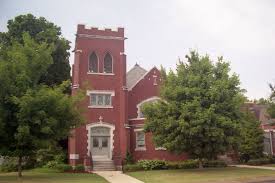
He said that the church was built in 1910 and was built in an architectural design that came out of Ohio. The stain glass windows chronicle different stories in the Bible and were donated by prominent citizens of the time. Their names are part of the design. And, who designed them? Tiffany. Yes, it was a church filled with the town’s wealthiest citizens.First Presbyterian

He told me about the prominent members who have attended through the years and showed off the pipe organ. It was all very cool, but it was not as cool as the last story that Dr. Bone told me.

After college, Dr. Bone took a trip around the world. He found himself walking through the streets of a city in India when he heard an explosion in the distance. He kept walking but heard another explosion. This time, he decided to investigate.

As the came upon the scene, Dr. Bone saw that they were filming a movie. He saw some people sitting in chairs and watching the action. Most were locals, but there was a lady in a huge hat sitting on the end.

Dr. Bone made his way over to the lady and asked what was going on. She explained the scene to him and admitted that she had written the screenplay. After a few minutes, she asked him where he was from. Of course, he replied that he was from Tennessee.

With this knowledge, she lit up and said that her brother taught English at a university in Tennessee. It was Cumberland University (where I work). This time, Dr. Bone lit up. That is where he went to school, and her brother was his English teacher.

That is when she finally introduced herself.

“My name is Pearl Sydenstricker, but you probably know me better as Pearl Buck.”

Now, this is a story with a lot of moving parts. Local boy travels around the world; happens upon a movie being filmed in India; meets the screenwriter; finds out that her brother is Dr. Sydenstricker; and then finds out that he is talking to Pearl Buck.

That is one of the coolest stories I have ever heard. However, this is what I really could not believe. Pearl Buck’s brother taught English at Cumberland University, and I do not think many people know that. At least, I have never heard it, and I have heard a bunch of stories about the history of our university.

It goes to show that you never know what you will learn at the First Presbyterian Church.


History is Local – Tennessee Style

30 Apr

Another academic year is coming to a close, and, over the past few days, I have been reflecting upon it. Things have gone decently, but this is the first year that I have wondered if anyone is listening. As usual, there have been some engaged students and some who would probably rather be somewhere else. However, I have gotten more frustrated this time than ever before.

At our university, all students are required to take two semesters of History, and I realize that most of them are taking it because they have to take it. They are not planning on being historians, museum curators, lawyers or any other of the great professions you can get with a History degree. Still, it would be nice if they did not stare out of the windows or sneakily play with their phones. Heck, it would be even nice if some of them brought paper and pencil to class.

Honestly, it gets frustrating. I may not get them to love the subject, but I want them to get something out of it. To accomplish this, I sprinkle some local history in with the American history. They may not be interested in the millworks of New England, but they may be interested in the millworks of our town. Simply, not all history takes place far away. Some of it takes place right around the corner in places they pass everyday.

That is why I throw as much Tennessee history into the mix as I can. This might perk them up, and it might help them realize that this state has played an important role in our nation’s past.Tennessee Flag

We cover the three Tennessee presidents – Andrew Jackson, James K. Polk and Andrew Johnson – because presidents are important. Did you know that Polk is the president that brought California into the United States? Yep, a guy from Columbia, Tennessee did that.

However, I like to go deeper than that and talk about people who they may have never heard of.

Peter Burnett, a Tennessee native, was the first governor of California.

Grantland Rice, perhaps the greatest sportswriter to sit behind a typewriter, was from Murfreesboro. He wrote about the Four Horsemen of Notre Dame and a line that goes like this:

For when the One Great Scorer comes

To mark against your name,

He writes – not that you won or lost –

But how you played the game.

Cordell Hull, a graduate of Cumberland University (where I work), was known as the “Father of the United Nations” and won a Nobel Peace Prize for his work on that organization.

David Crockett, defender of the Alamo and hero to millions of kids in the 1950s, was a Tennessean.

Sam Houston, who led the rebel forces in the fight for Texas independence, had his first law office here in Lebanon.

W.E.B. DuBois graduated from Fisk University and taught school in Wilson County before going on to create the NAACP.

George Rappelyea thought of a publicity stunt to draw attention to his town of Dayton. They arrested John Scopes for teaching the theory of evolution and hosted the Scopes Monkey Trial, one of the many “Trials of the Century.” It sparked a debate that continues to this day.

John Butler, the legislator who sponsored the anti-evolution bill, represented the neighboring counties of Sumner, Trousdale and Macon.

Oak Ridge is a small town that came to prominence as one of the sites of the Manhattan Project, which brought us into the atomic age.

In 1920, legislative leaders met at the Hermitage Hotel to discuss voting for or against the 19th Amendment. It is a long story, but they eventually approved it. That made Tennessee the decisive state in women getting the right to vote.

John Chisum was born in Tennessee but gained notoriety as the “King of the Pecos”, one of the most successful cattlemen in the West.

I could name others, but these are a few that I can think of. I really think mentioning local people helps students learn a little more about American history. At least, I hope it does.

Listeria – Cattle Towns, Mining Camps and Other Assorted Outposts

14 Feb

True West magazine came out with their list of the “Top 10 True Western Towns of the Year”, and I had to see what they came up with. As it turns out, other lists were included – “True West Towns to Know” and “True West Towns to Watch”. A quick counting brought the total number of towns mentioned to 30.

I decided to weed that list down to those that I have visited. I have no idea what criteria the people at True West used to compile the list, but here is a little information about the places that I know about.

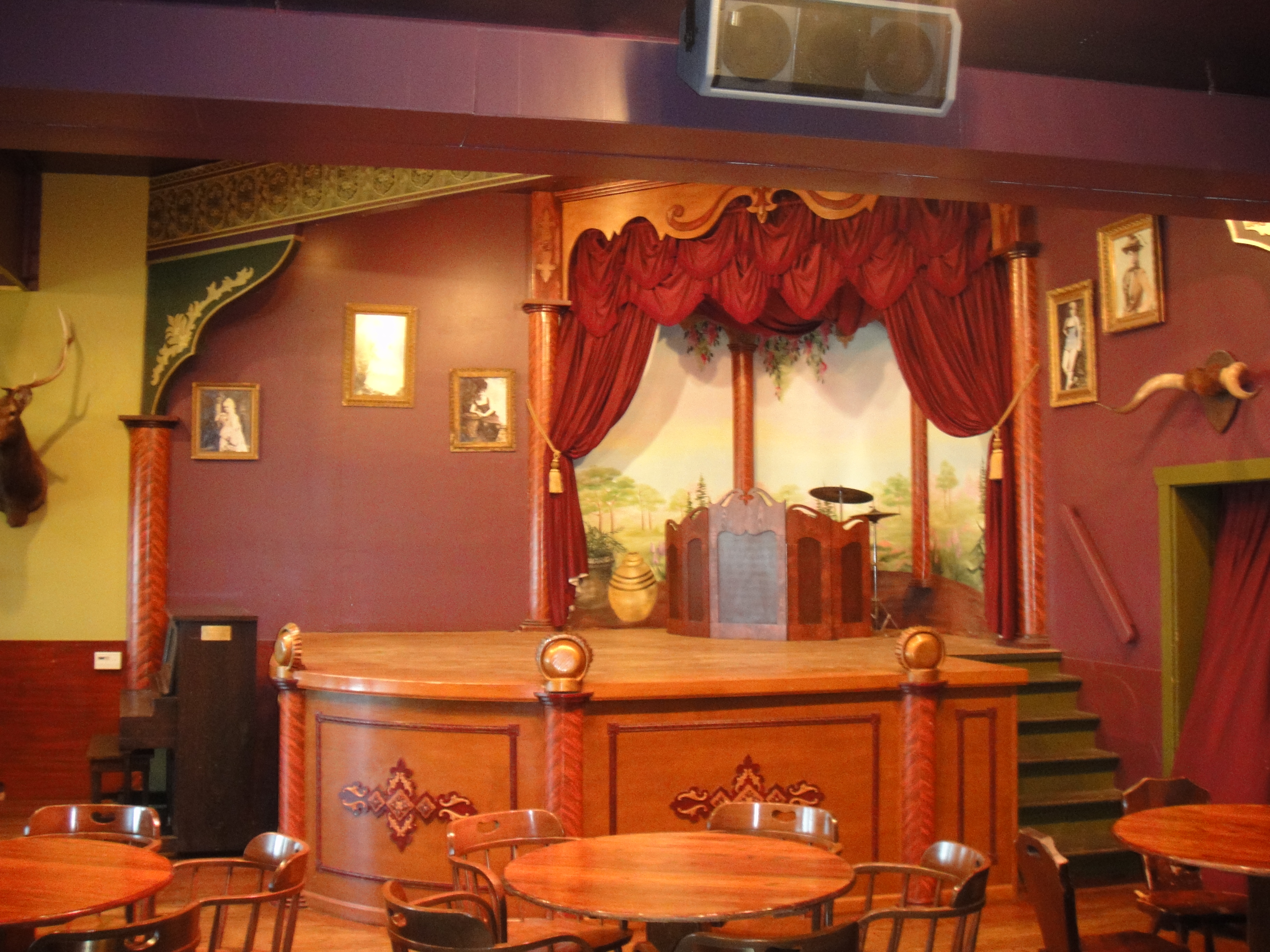
1. Dodge City, Kansas is, in my opinion, the most famous of all the cattle towns. It was the epicenter of a huge industry and the home of real life lawman Wyatt Earp and fictional lawman Matt Dillon. Dodge City is still a player in the cattle industry, but I do not see it as a tourist mecca. Obviously, any lover of the Old West must go there, but they will be disappointed with the fake western town that sits on the main drag. However, the trolley tour is cool.

Inside a fake saloon on a fake streetfront.

Inside a fake saloon on a fake streetfront.

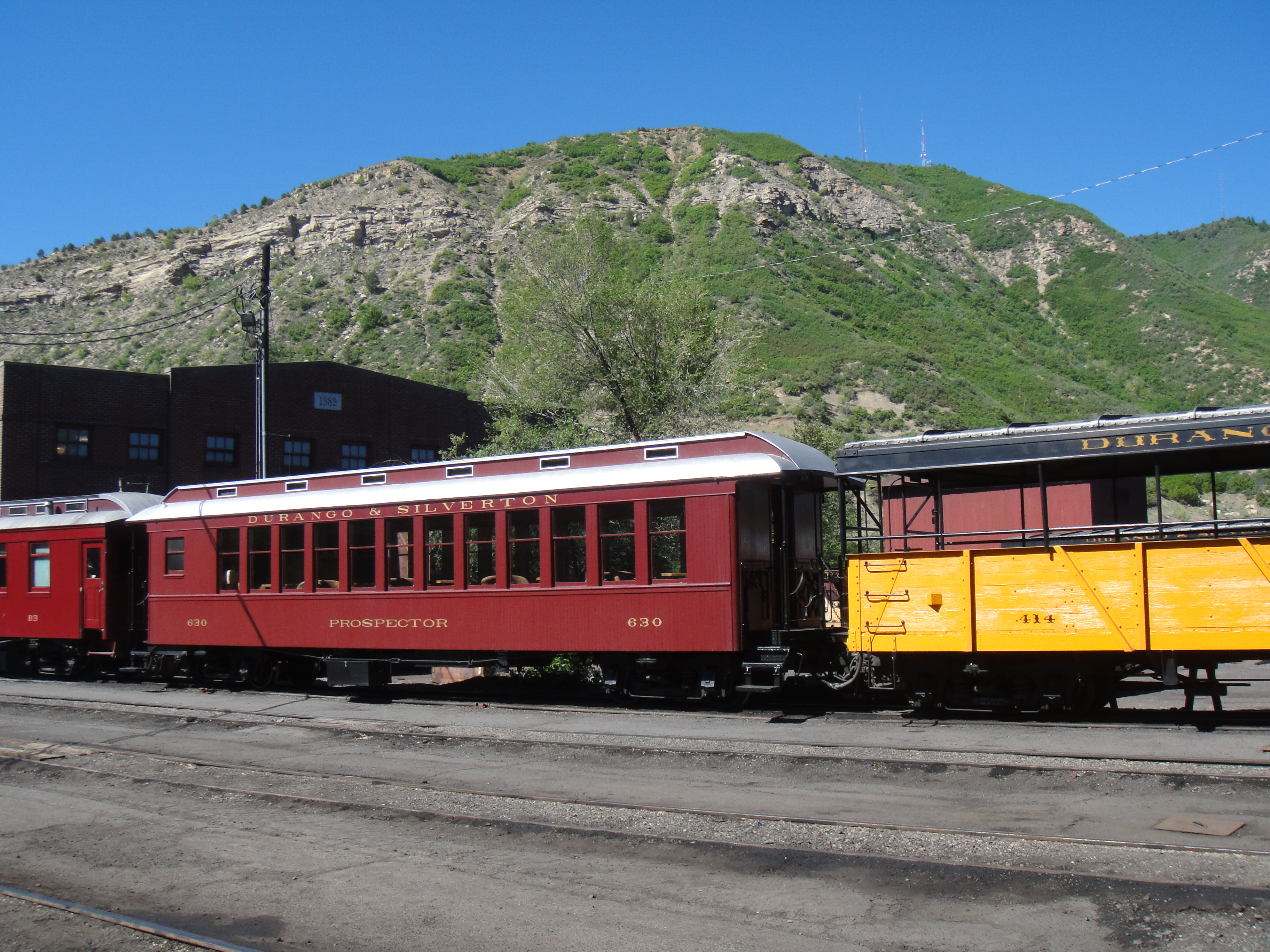
2. Durango, Colorado is a cool western town that has held on to its past. Historic buildings, such as the Strater Hotel, line the streets. The famous train from Durango to Silverton starts its journey at one end of town. There are restaurants, bars and a bookstore with all of the great western historians.

A couple of cars on the Durango and Silverton Line

A couple of cars on the Durango and Silverton Line

8. Lincoln, New Mexico is a state monument that looks almost like it did when Billy the Kid was roaming around. There are all kinds of buildings and museums, but the best is the old building from which he made his famous jailbreak. Billy the Kid is the most famous of those who participated in the Lincoln County War, but I find myself more interested in John Chisum and some of the others.

9. Tombstone, Arizona which its economic peak during the 1880s and had its growth stunted when the minerals ran out. That circumstance makes it still have that feel of a frontier town. Of course, that could also be because they ripped up the concrete sidewalks and put down wooden ones. The OK Corral is cool. The Birdcage Theater is cool. However, the coolest thing is talking to Ben Traywick, the town historian.

If this building could talk, then it would have some real stories to tell.

If this building could talk, then it would have some real stories to tell.

10. Lewiston, Idaho is a place that I have never been. However, I must mention it because the Cumberland University baseball team has won two national championships in Lewiston. It is a western town, but it is also a baseball mecca.

There is half of the Top 10, but some interesting towns are on the other lists, as well.

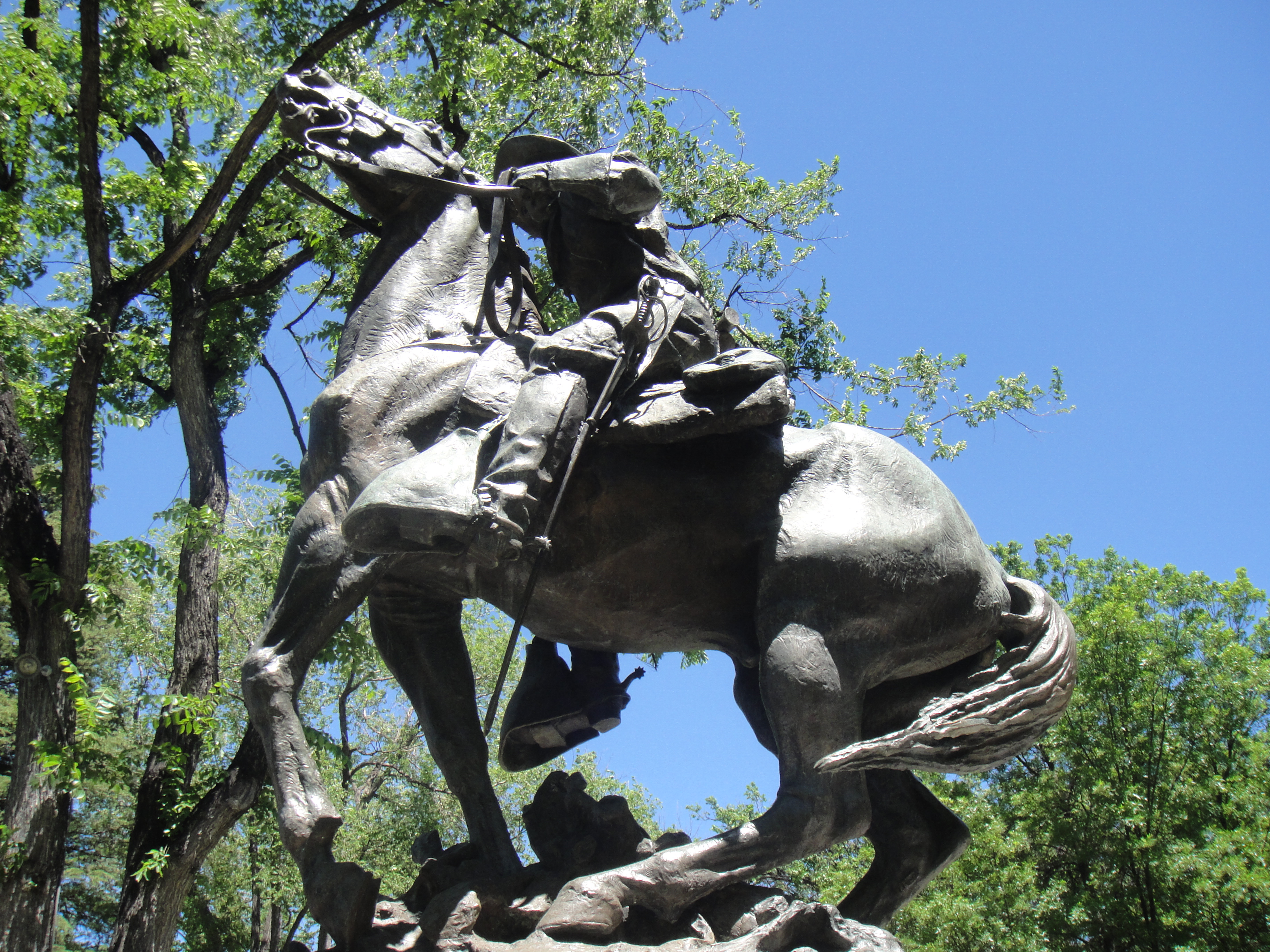
Prescott, Arizona is listed as one of the “True West Towns to Know” and, on the surface, looks like any other regular old town. However, a walk around its square gives you an idea of what it used to be like. The square is huge and is bustling with activity, as people venture into the historic buildings.

This statue stands in front of the county courthouse.

This statue stands in front of the county courthouse.

“True West Towns to Watch” lists several places that I have visited.

Juneau, Alaska is the state capital and can only be entered by plane or boat. It is a small place that has a frontier and isolated quality. One of my great memories of Alaska is having a drink with my brother in one of Juneau’s saloons.

Cody, Wyoming is another good western town. The Buffalo Bill Center of the West is one of my favorite places to visit. A few years ago they had a traveling exhibit in Nashville, and I was able to take my students.

Checotah, Oklahoma sits on Interstate 40, and, frankly, I have never been in the downtown area. We have only stopped a few times for gas. Most people probably know it as the hometown of Carrie Underwood.

Custer, South Dakota is one of the less famous mining camps in the Black Hills and is overshadowed by Deadwood and Sturgis. However, it is a good place to stop and look around. Also, it is named in honor of George Armstrong Custer, the man who led the gold-finding expedition into the Black Hills.

Bisbee, Arizona sits several miles down the road from Tombstone and is a place that I like better. Its economic boom lasted into the 20th Century, which means it has a more modern look than other mining camps. It also has a great mining museum operated by the Smithsonian Institute.

Those are the places listed by True West that I have visited. It would be interesting to read if any of you have been to these places. What are your thoughts and stories? What other towns have you visited that you think may be or should be on the lists?

Cancun – The Mayans Could Never Have Predicted This

11 Jan

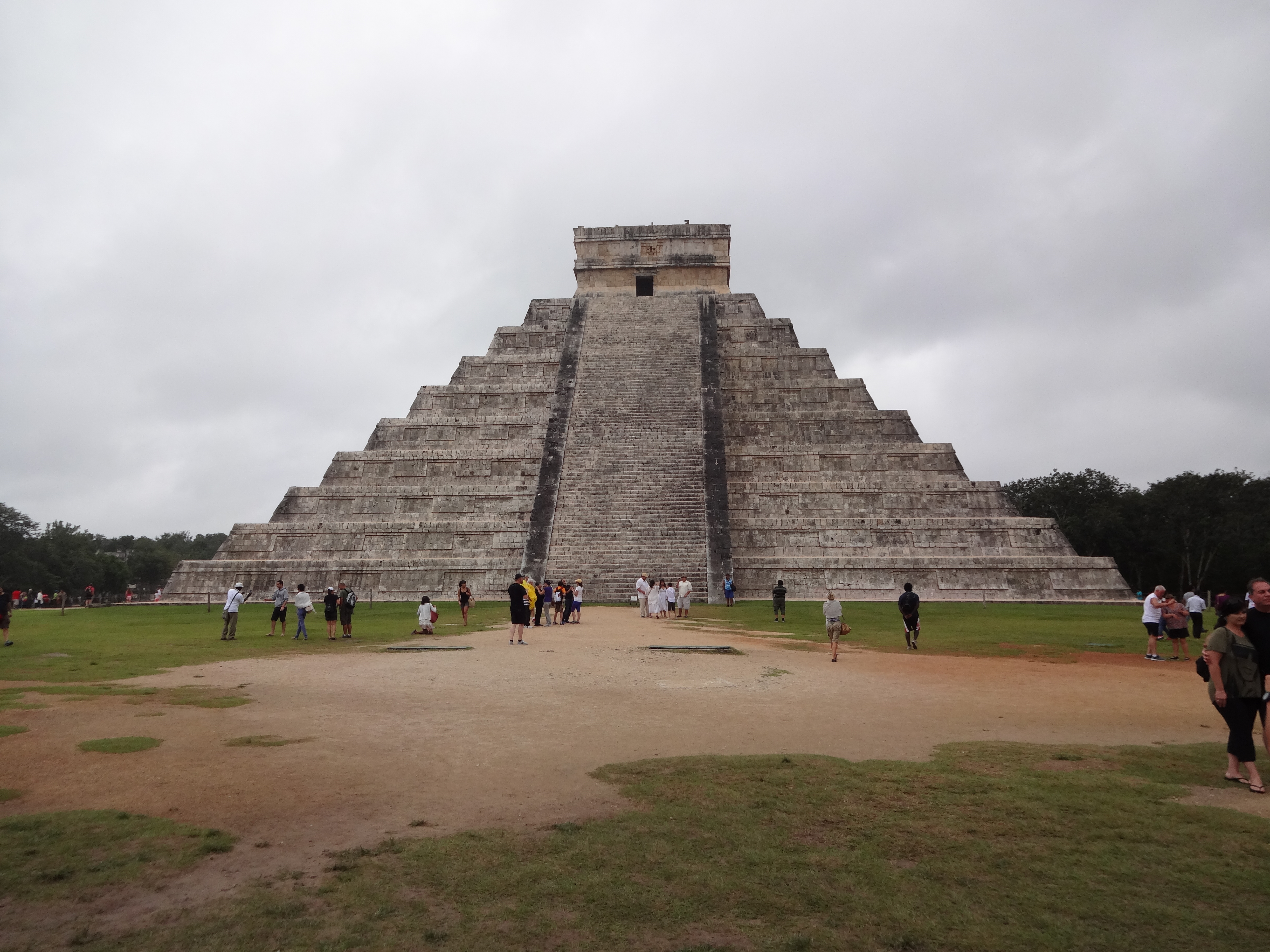
I guess you could say that this day was for me. While traveling, I like to see things that are interesting, and, on this day, we would see Chichen Itza, the Mayan ruins that have been named one of the new Seven Wonders of the World. A while back, I wrote a post about the Wonders that I have seen. Now, this one has been added to the list.Cancun 216

Now that I have looked back on that post, I realize that, last year, my wife and I added another Wonder to the list.

The adventure started out with a little drama. I knew that visiting the ruins was not high on my family’s list of things to do and offered to go by myself. However, my wife said that being that close meant that they should see it. When we told my stepdaughter, she went into a catatonic state while playing Rummy in the lobby. She absolutely did not want to go. She had learned about the Mayans in school and knew that they performed human sacrifices.

If that didn’t freak her out enough, then her teacher talked about her visit to some Mayan ruins. Apparently, her bus had to get on two wheels to keep from falling off a cliff. I don’t know where she went because the interstate we took was pretty smooth.

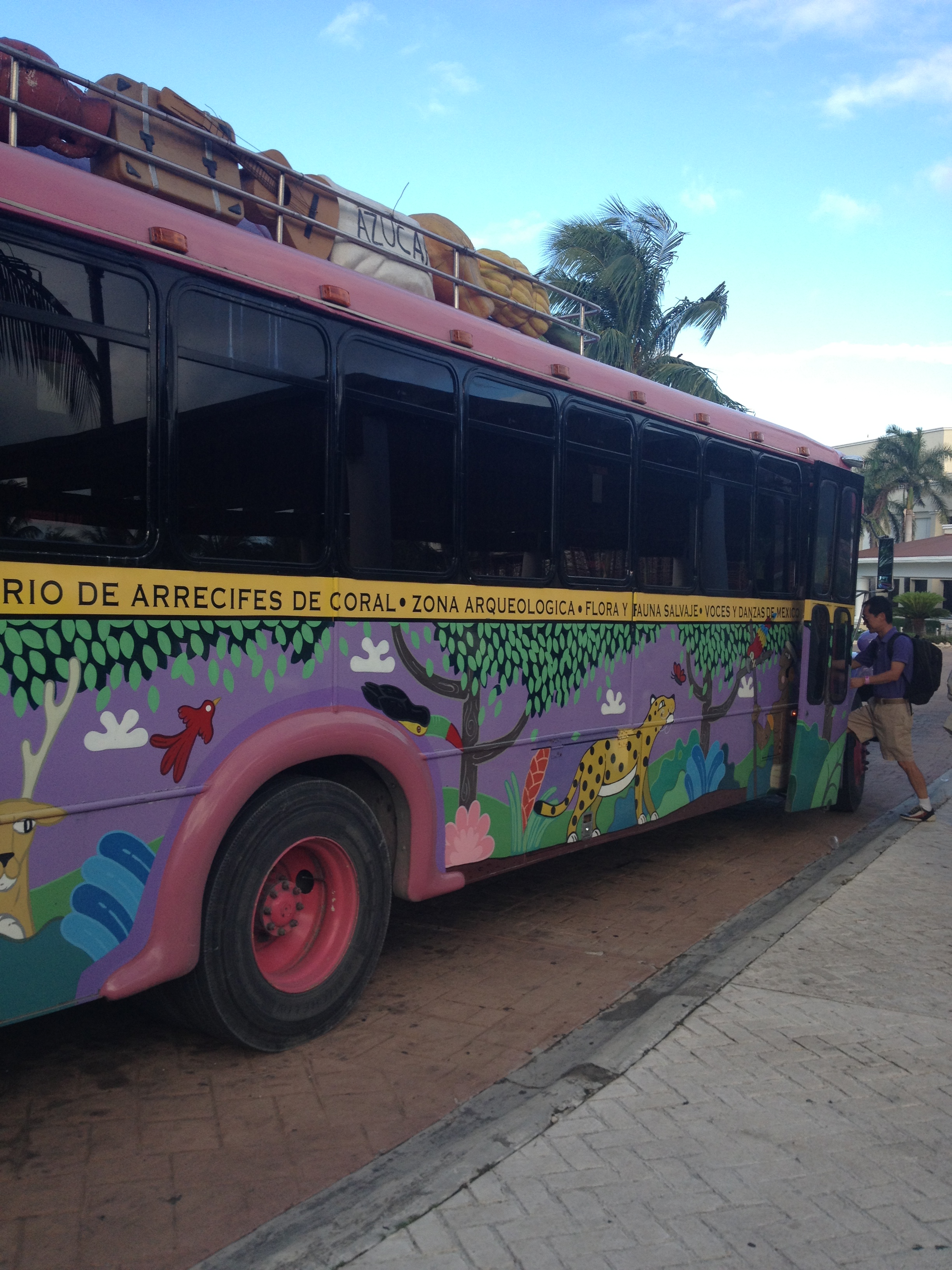
On Friday morning, we waited for the bus. I was excited, and my stepdaughter was sleepy. I am not sure how my wife felt, but I knew it wasn’t a good feeling when the bus pulled up to get us.Cancun - Bus
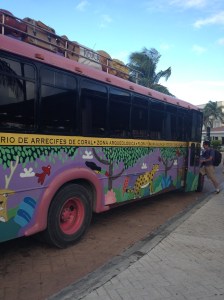
I am sure that we all thought the same thing. There was no way we were going to ride all day on that. Luckily, that was just the transportation to get us to the real transportation. Our other bus was nicer. It had bathrooms. They served breakfast. Plus, we had some interesting entertainment. I sat in front of a lady who spilled orange juice all over herself, and I saw behind a man who was, we think, spending his vacation with a male escort.

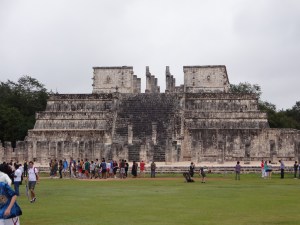
The trip wasn’t bad. I read a magazine about Pink Floyd and scanned the landscape as it went by. Before long, our guide was telling us all about the mysteries of Chichen Itza. The pyramid was the seat of power; a calendar; and a clock. He talked about the structure and the function of its parts. We walked around it and took pictures as he talked.

That’s when the unexpected happened. I was wearing my Cumberland University Cross Country t-shirt. A man walked up and asked if that was the Cumberland University in Lebanon, Tennessee. I said that it was and introduced myself. It turned out that he lived in Lebanon, too. We chatted for a few minutes, and he went back to his group. However, he came back to tell me that my teenaged nephew had taken his daughter on a date. Apparently, my nephew’s reputation with the opposite sex has gone international.

I think the guide was stunned by those events because he started talking about how aliens may have helped the Mayans. Here we go with the idea that those who were here before Europeans were not smart enough to do this themselves. They must have had help. Ridiculousness.

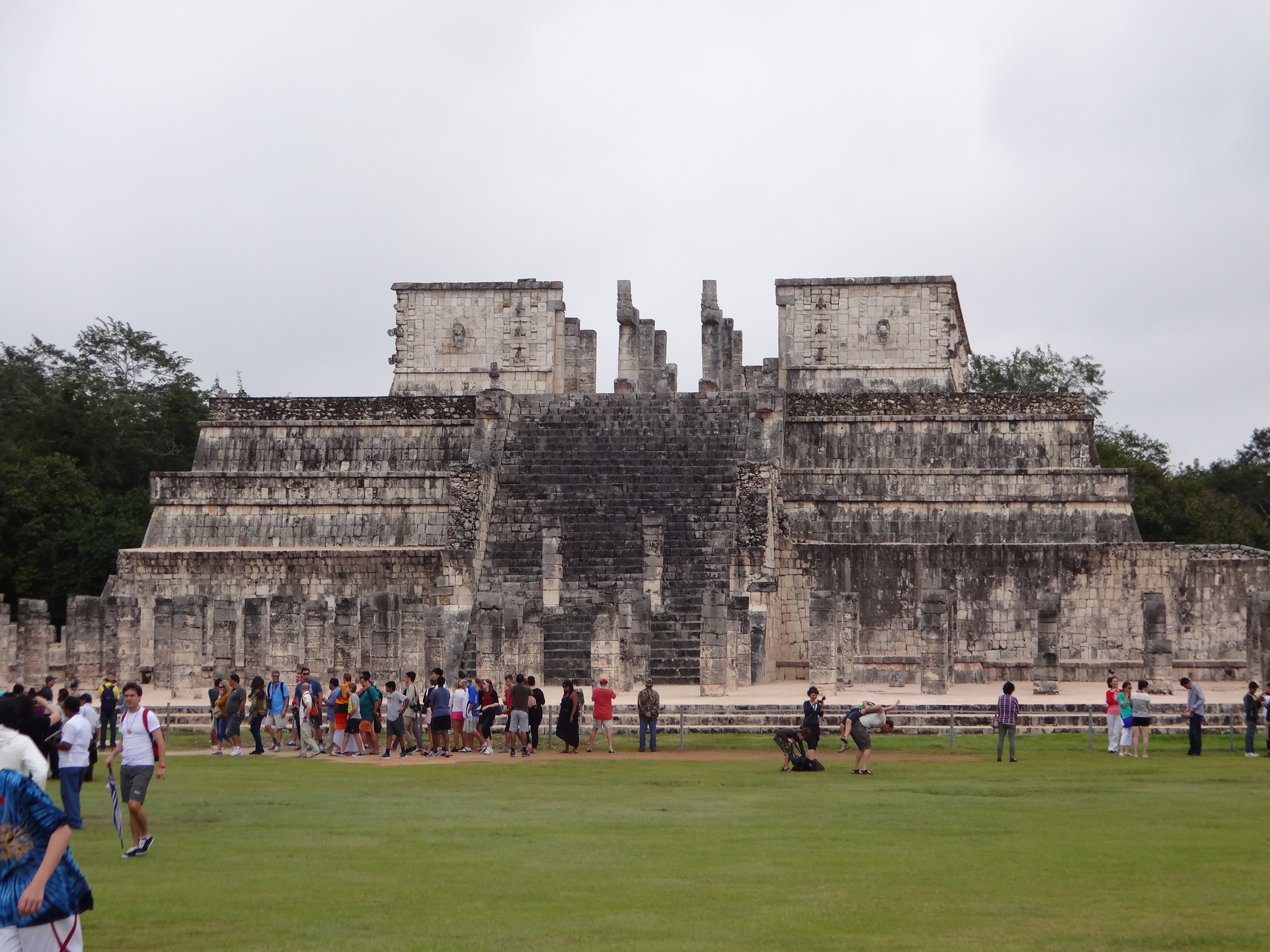
Anyway, we saw other interesting structures. There was the Temple of the Warriors where the sacrificing of humans took place.Cancun 218
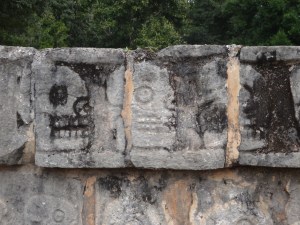
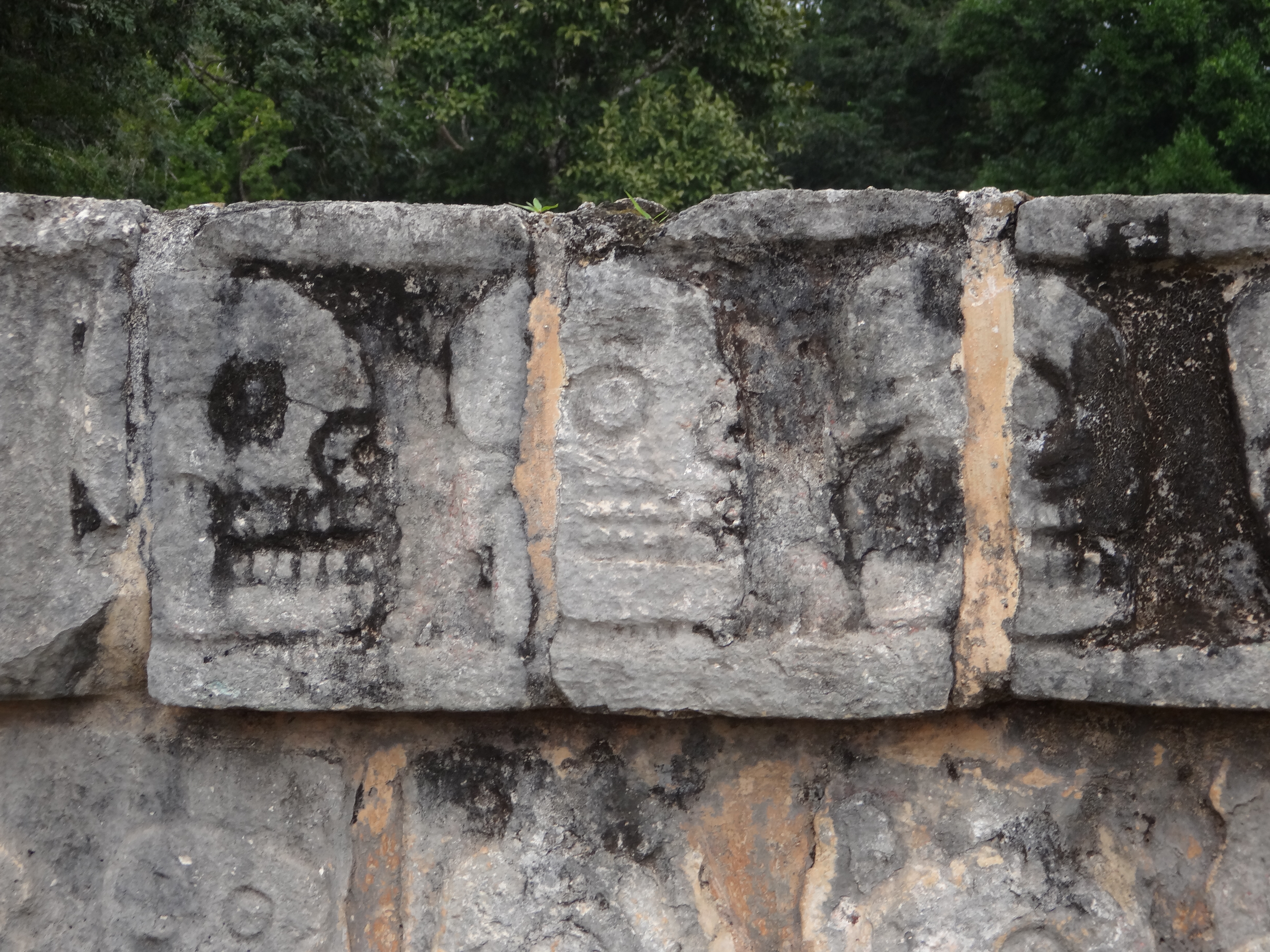
There was the Skull Rack.Cancun 219

There was the Great Ball Court. The guide said that it was the site of theater and games, but no one knows for sure what those consisted of. It is known that this is the largest Mayan Ball Court ever discovered. Only the best performed here.Cancun 221

After spending several hours in historic nirvana, we headed to Valladolid, a Spanish colonial town that was founded in 1543. Along the way, we passed through several towns that were, to my eyes, the definition of poverty. This was what you don’t see at the resorts. Cinderblock houses with no doors. Burned out buildings. Stray dogs on the side of the road. People on the side of the road selling their wares. It looked as if the passing tourists were the only economy, and the tourists rarely stopped.

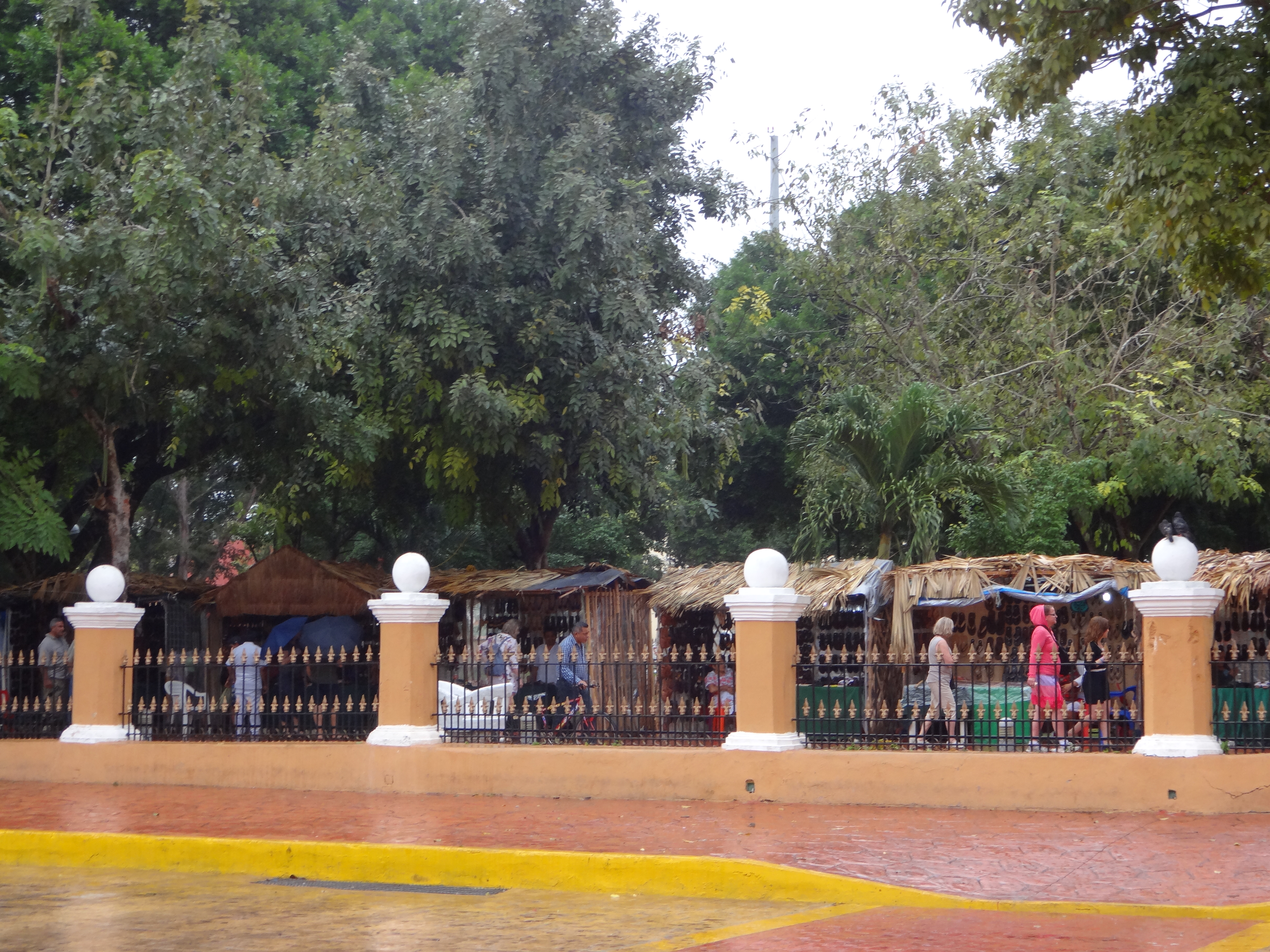
Valladolid was a bigger town, and every bus stopped there. We disembarked at the plaza, which looked a lot like the plazas I have seen before in Santa Fe, Albuquerque and Sonoma. Without a doubt, the Spanish took the same building plan wherever they went.Cancun 226

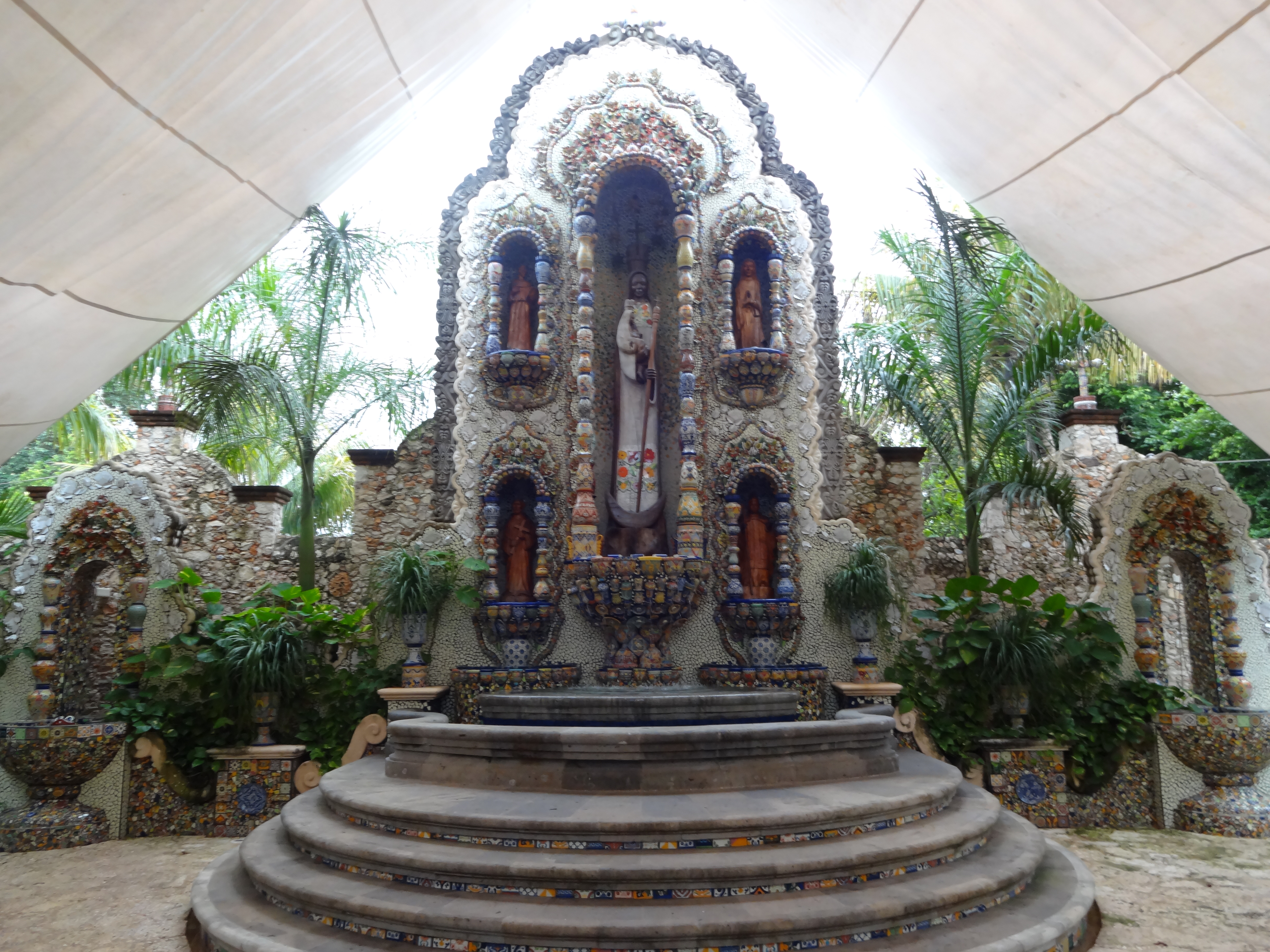
Did I mention that it was raining? Anyway, we walked a few blocks to what they called an authentic Mexican restaurant. It wasn’t authentic. It was a buffet that included french fries. It was a decently decorated restaurant, and I found this just past the bathrooms.Cancun 225

After the meal, we walked to a farmacias, but they didn’t have what we were looking for. That’s fine because they say laughter is the best medicine, and what happened next was super funny.

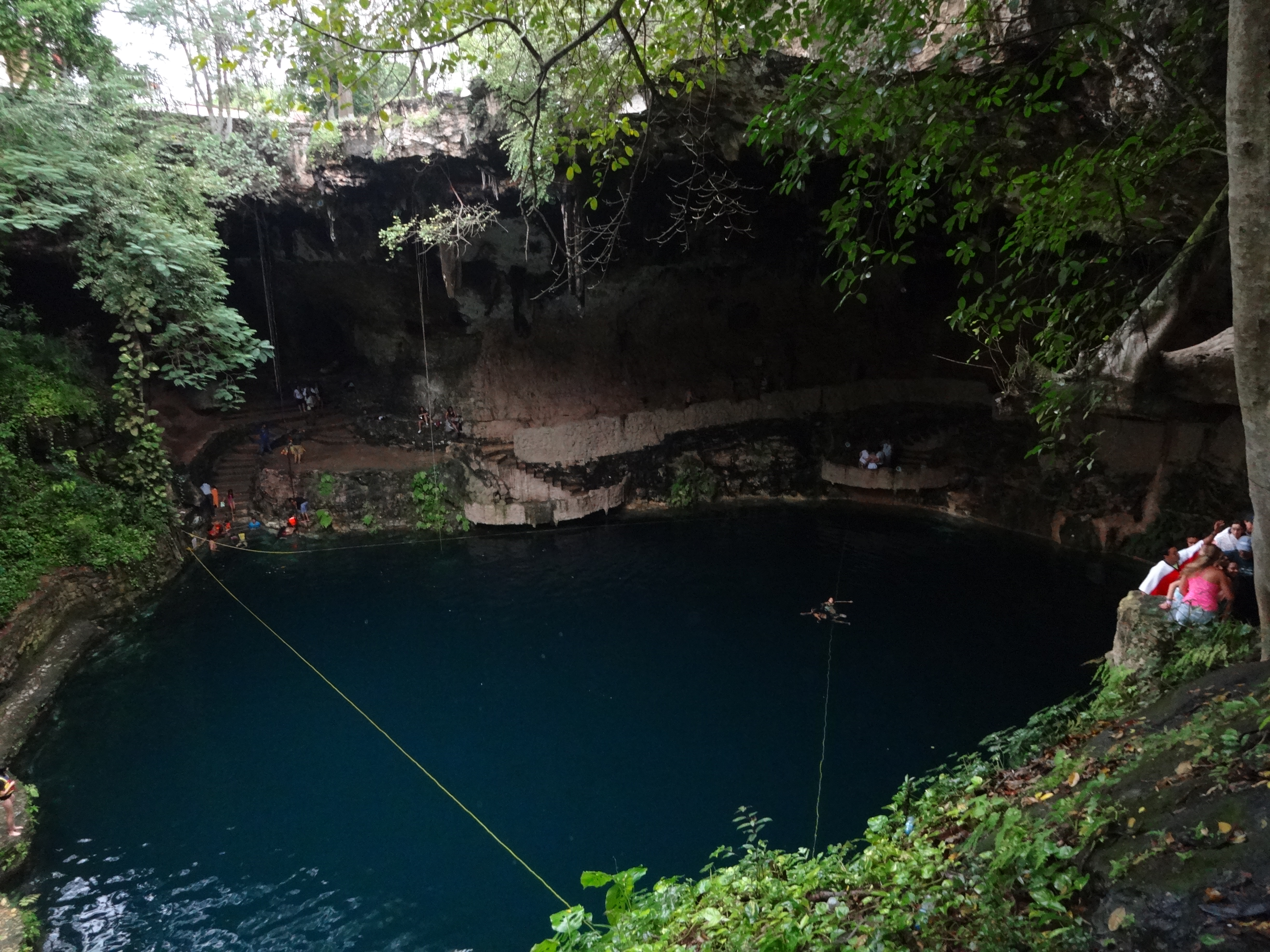
The last stop of the tour was a sinkhole. That’s right. A sinkhole. They said that the Mayans used it for something, but I think they just needed another tourist attraction.Cancun 228
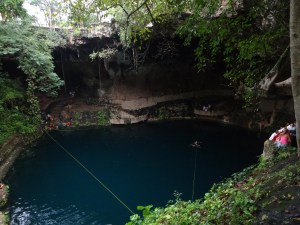
Like everywhere else, there were people around the sinkhole selling their wares. As we walked out, this little girl with big brown eyes walked up to show us what she had. Barefooted. Been in the rain all day. In a sweet voice, my wife said, “No, no. No bueno.”

I thought for a second and said, “What did you say?”

“I said, ‘No, thank you.”

“You didn’t say that. You said that her stuff was no good. You told that little girl that she had bad stuff.”

My wife was mortified. She hadn’t tried to use Spanish the entire trip. Then, she said that. I couldn’t help but laugh. My stepdaughter tried to get her to go back and apologize, but she didn’t know how to say that. Instead, my wife said, “We just need to get on the bus.”

Somewhere in Mexico, there is a little girl traumatized because a lady told her that her stuff wasn’t any good.

After a long ride home, we ended the day with chocolate filled crepes. It was the best thing we had tasted in a while.

It was an awesome day.

Those Who Have Come and Gone

15 Dec

Last week marked the end of another semester and also marked the retirement of two outstanding individuals.

Through the years, Pace Pope fulfilled many capacities at Cumberland University. However, her greatest role was being herself. She cared for the students – especially the internationals – and was their collegiate mother. Everyone loves Pace, and Cumberland will not be the same without her.

She has held up the world and has held up the university.

She has held up the world and has held up the university.

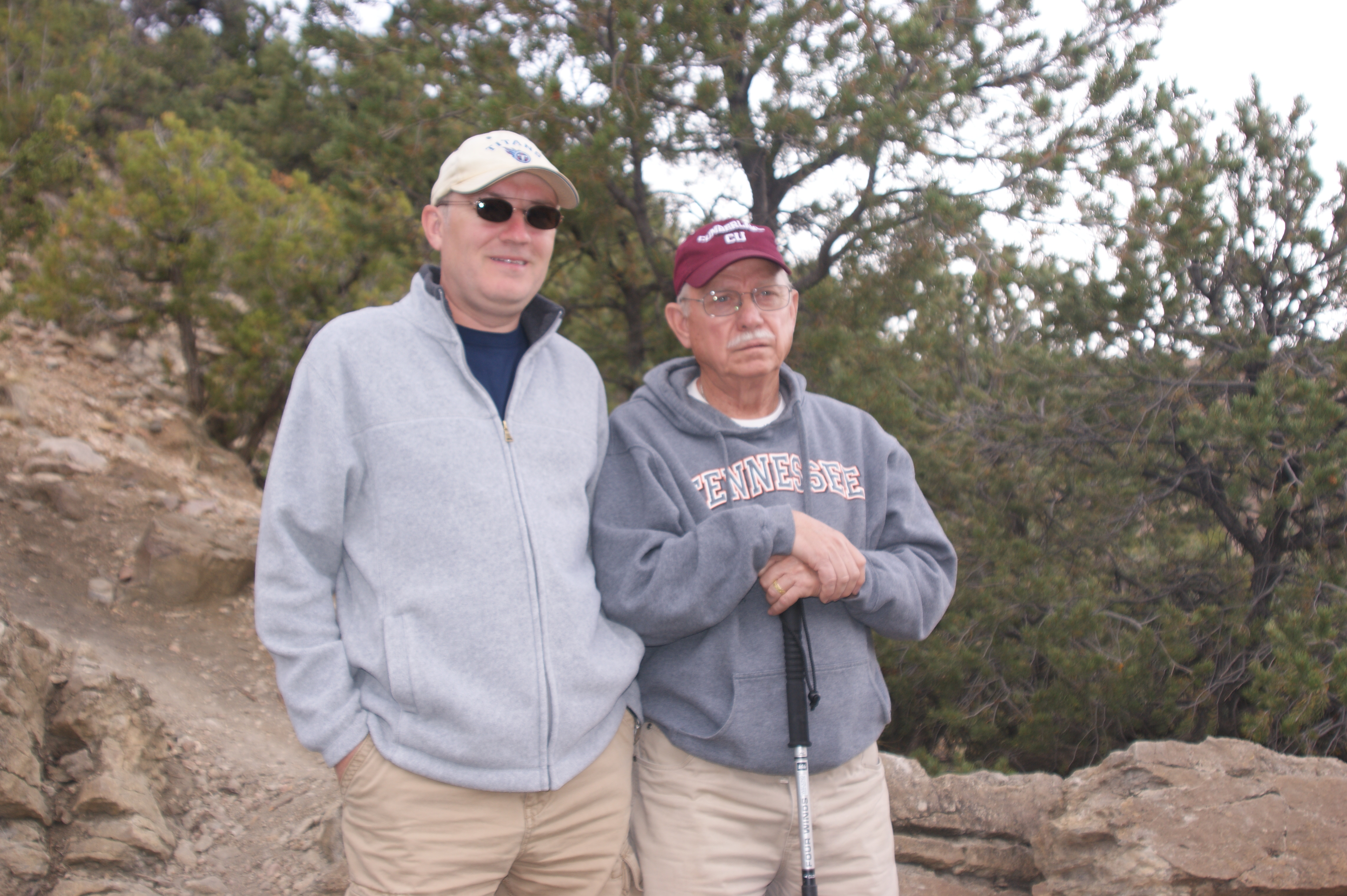
Pete Peterson taught Biology for a long time and also served as the Vice President of Academic Affairs. He was a tough but fair teacher who sent many students on to graduate school. You haven’t lived until you have hiked a New Mexico trail with Pete.SONY DSC

Their retirement made me think of the other people who have come and gone during my time at Cumberland. Some of them have faded from memory, but others left a distinct impression. It’s strange to see people who you have seen on a daily basis suddenly not be there. As I type this, their faces are popping into my mind. How many have their been? I have no idea. However, there are two that I would like to write about. They were my teachers before they were my colleagues, and they have both passed away.

Dick Henderson was a geologist who worked in the oil industry before making his way to Cumberland. He was a great man who cared about the success of his students in the classroom and in life. I first knew him as a teacher, and two instances stand out.

He took our class on what was my first college field trip. We hopped in a van and headed to the southeast corner of Tennessee. Along the way, he explained the landscape and the rock formations. We went through the town of Cleveland and made our way past the Ocoee River. We also went to Copper Basin. Each time I travel to that area I think about the things that Dr. Henderson told us on the trip.

The other instance involved a test. We had my grandfather’s funeral one day, and Dr. Henderson had a test scheduled for the next day. I showed up to take the test because it was my responsibility. I didn’t do well on the test because my mind had not been on studying. After grading and returning the tests, Dr. Henderson called me to his office and asked what happened. He couldn’t understand why I did that badly. When I explained, he said that he wished he had known. I could have taken the test later. He even offered to make out another test for me.

I didn’t take his offer, but I never forgot the gesture. That day, I had no idea that I would one day be hi s colleague. I also had no idea that I would serve as a pallbearer at Dr. Henderson’s own funeral.

Jim Dressler taught history at Cumberland for three decades. He was an institution. In fact, my first college class was taught by him. He sat on the desk with his feet dangling and rattled on about world history. He never had notes. All he had was a cigarette. Like all of the other students, Dr. Dressler intimidated me. He was tall, strict and didn’t take any crap.

When I started teaching, he still intimidated me. It was probably a combination of things. His knowledge. His stature. A combination of it all. However, I learned that he also cared about the success of the students. He was strict for a reason. He wanted them to stay focused on the goal of graduating. After a while, Dr. Dressler and I became better acquainted a realized that we had a lot in common. We liked the same era of history. We agreed on politics. We both loved Cumberland University and wanted it to thrive. His death was sudden and left a hole in the history department.

There is one thing more about these two men. Of all the people I have worked with, they are the only ones who I never called by their first names. I think that was out of respect for who they were and what they represented. To others, they may have been Dick and Jim. To me, they were and always will be Dr. Henderson and Dr. Dressler.