Tag Archives: History

Did Anything Else Happen on June 6, 1944?

6 Jun

I had this great idea for a post. I was going to write about other events that happened on June 6, 1944. Everyone should know that the date is famous for D-Day, the beginning of the Allied invasion of Europe during World War II. To commemorate the event, a local radio station, WCOR-AM 1490, has been airing broadcast from that day. Edward R. Murrow has been interrupting soap operas to bring updated news. The Navy has been asking women to join the WAVES. It has been interesting to listen to as I run errands.

As I have been listening, I have also been wondering. What else happened on that day? I got on the Internet to look and discovered something. Nothing else happened on June 6, 1944. At least, that is what the Internet tells me. Wait, I did find something.

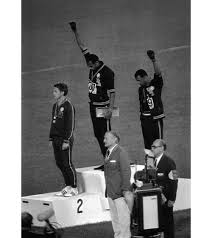
Tommie Smith was born on June 6 1944. He was one of the American track athletes who gave the Black Power salute at the 1968 Summer Olympics.Tommie Smith

D-Day was a pivotal event in world history, and thousands of people sacrificed their lives. It should never be forgotten. However, I do not think other events on that day should be forgotten, either. Surely, something happened. There have been some huge events in history, but there have been a lot of smaller one, as well.

Earlier, a student asked a question of me. What would have happened if the D-Day Landing had not been successful? I have no idea. I am just glad that it worked.

A National Championship and the Lessons of History

4 Jun

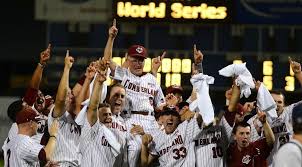
Last week, the Cumberland University baseball team won the NAIA national championship. It is the third time in the past ten years that the baseball program has claimed the top prize. The coach, Woody Hunt, is a legend in these parts and has led the program for three decades.Cumberland Baseball

A couple of days ago, we had a celebration for the team. There was a parade, and hundreds of people showed up at the baseball field to honor the players and the coaches. Several people spoke, and I was lucky enough to be one of them. As Faculty Athletic Representative, I track the academic progress of all student/athletes and make sure that they are on the way to completing their degrees.

A lot of the baseball players have been in my classes and, hopefully, have gotten the point that history is important. We can learn from our past and use that information to move into the future. In fact, a lesson from the past convinced me that they were going to win the NAIA World Series.

The event was held in Lewiston, Idaho, home of Lewis-Clark State College. That is important because their team was in the World Series, as well. In fact, that is who the Cumberland Bulldogs had to beat to win the championship.

Lewis-Clark State College is names after Meriwether Lewis and William Clark, who Thomas Jefferson chose to lead an expedition into the Louisiana Territory. It is one of the most famous stories in our nation’s history. Lewis and Clark, with the help of Sacagawea, led a band of men through uncharted land to determine exactly what Jefferson had purchased. They returned in a couple of years with fantastic tales of the land and its people.

They were heroes and were treated as such. However, that is not the end of the story. After the journey, Meriwether Lewis faced difficulties in several aspects of his life. Finally, he left his home in New Orleans to travel to Washington, D.C. Lewis want to see Jefferson, his old patron. He traveled the Natchez Trace toward Nashville and was almost to the city when he stopped at a roadside tavern.

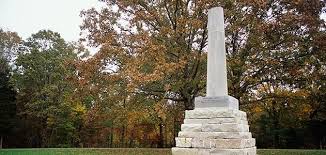
Meriwether Lewis never left that tavern. He was fatally shot, and the mystery of who did it continues to this day. The proprietors buried him in the yard, and his grave can be visited. A broken obelisk stands above him.Lewis Grave

So, how did this story convince me that our baseball team would win the national championship? Meriwether Lewis survived great dangers on his journey into the West. However, he could not survive his journey into Tennessee. With that in mind, I saw no way that a school named after him could beat a team from Tennessee.

The Great Month of May

31 May

Thanks to all of you readers, this has been the best month in the history of this blog. Wait, I should not put it that way. That has been the best month in the history of this blog that did not include being Freshly Pressed. That happened last year and created a stats page that looked like rat going through a snake.

This month has been consistently good with you guys showing up to read whatever stupid stuff I put on the screen. The most read post was something I write a long time ago called Let’s Go Peay! That was followed by:

You Never Know What You are Going to Learn at the First Presbyterian Church

The Legend of the Shadow Horse Gang

Hey, Nashville! Be a Real Music City and Build an Amphitheater

A Long Night in Old Nashville

Things I Learned at a Cher Concert

Sandy Springs Park – My Personal Field of Dreams

The Power of Dean

Narrows of the Harpeth

Movie Wisdom – Burt Reynolds Edition

Many of year follow this blog and check in from time to time. However, others get here through a search engine. This month, the most popular search terms were:

statue de lincoln hillsboro (oregon)

boot hill cemetery

scenery outlaw josey wales

escorts of tunica,ms

glen campbell prostitute

western actors

going to the fair to

cher concert she made a mistake

groom texas crucifixion of christ

May 2014 has been an important month in the SBI World.May

To further commemorate, I decided to throw in a little history. I am a historian, after all.

May 2004 – Terry Nichols was convicted for his role in the Oklahoma City bombing.

May 1994 – Nelson Mandela was inaugurated as South Africa’s president.

May 1984 – The World’s Fair opened in New Orleans.

May 1974 – India successfully detonated its first nuclear weapon.

May 1964 – Congress declared that bourbon as a “distinctive product of the United States.”

May 1954 – Roger Bannister became the first person to run a mile in under four minutes.

May 1944 – The USS England sank six Japanese submarines in two weeks.

May 1934 – The Dionne children, the first quintuplets to survive infancy, are born.

May 1924 – J. Edgar Hoover was named head of the Bureau of Investigation.

May 1914 – Woodrow Wilson signed a Mother’s Day proclamation.

Again, thanks for making May a great month.

Listeria – Inspiration Point

24 May

In the last post, I wrote about the list by True West of historic sites “that will make you weep.” That article contains a couple of secondary lists. One of those is “10 Western History Shrines That Will Inspire You.” Following are the ones that I have visited.

1. The Arch, St. Louis, Missouri – It is impressive to see. Driving into St. Louis, anyone can see that it dominates the skyline. However, I never saw it as inspiring. That could be because I have never been in it. I have been at its base and in the underground museum about westward expansion. However, my dislike of heights has kept me from going to the top. By the way, its real name is the Jefferson National Expansion Memorial.

2. The Alamo, San Antonio, Texas – In the last post, I wrote about my disappointment with the Alamo. Any place where people gave their lives is a place of inspiration. However, I cannot get over my initial feelings about the site.

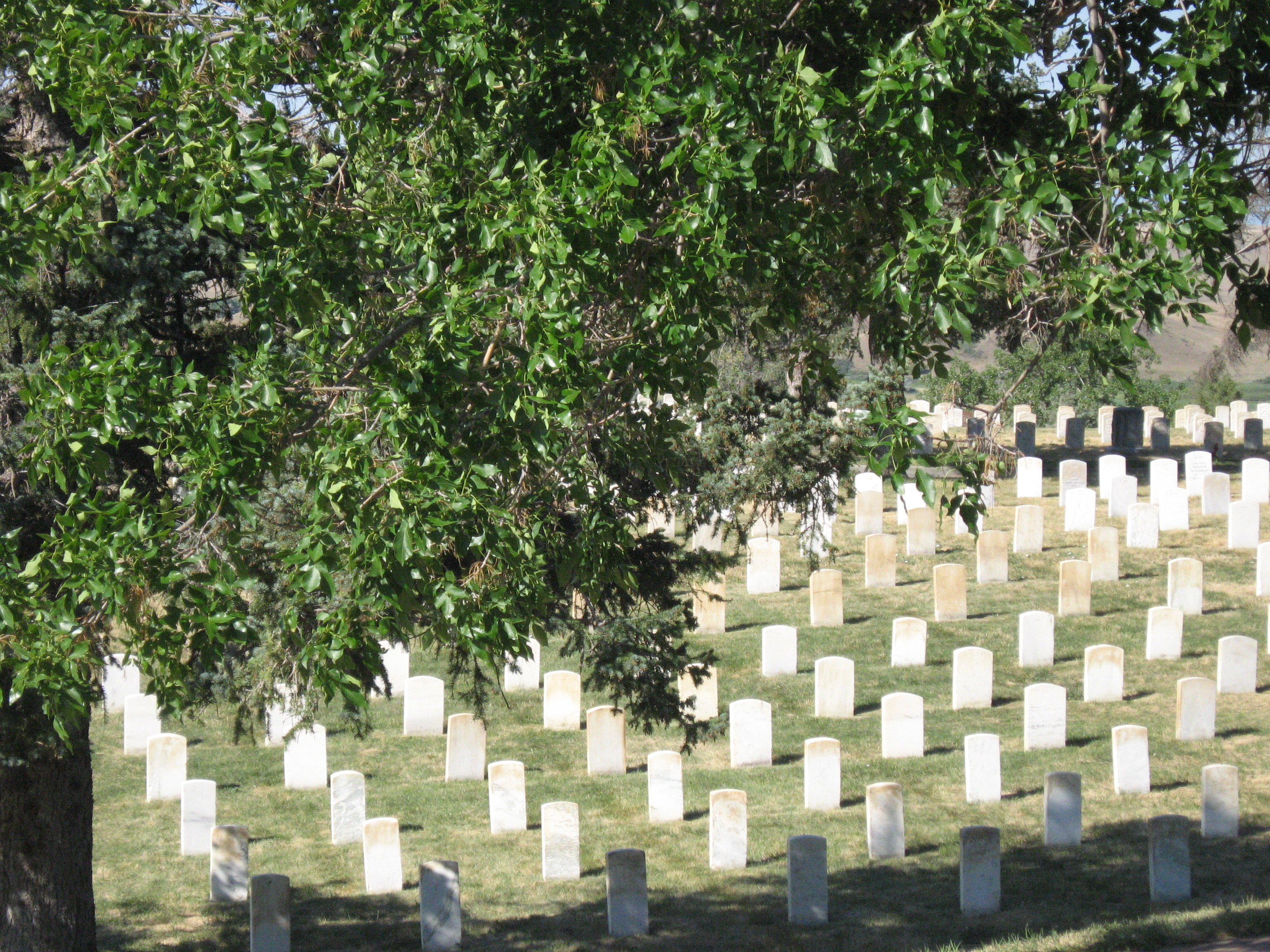
3. Custer National Cemetery, Little Big Horn National Historic Battlefield – Before you get to the welcome center or the battlefield, you pass the cemetery. Like other military cemeteries, this one makes you think about all of those who gave their lives for their country. Our nation has not always gone into a fight for a just reason, but that does not lessen the sacrifices of those who served.Montana 2012 and Other Stuff 123

4. Yellowstone National Park, Wyoming, Montana and Idaho – The last time I was in the park was with my dad, my brother and my nephews. We did not go into the heart of the park but walked around the Mammoth Hot Springs and the Yellowstone River. The natural wonders are amazing, and the power of the earth is inspiring. Everyone should see Old Faithful at least once.Montana 2012 and Other Stuff 275

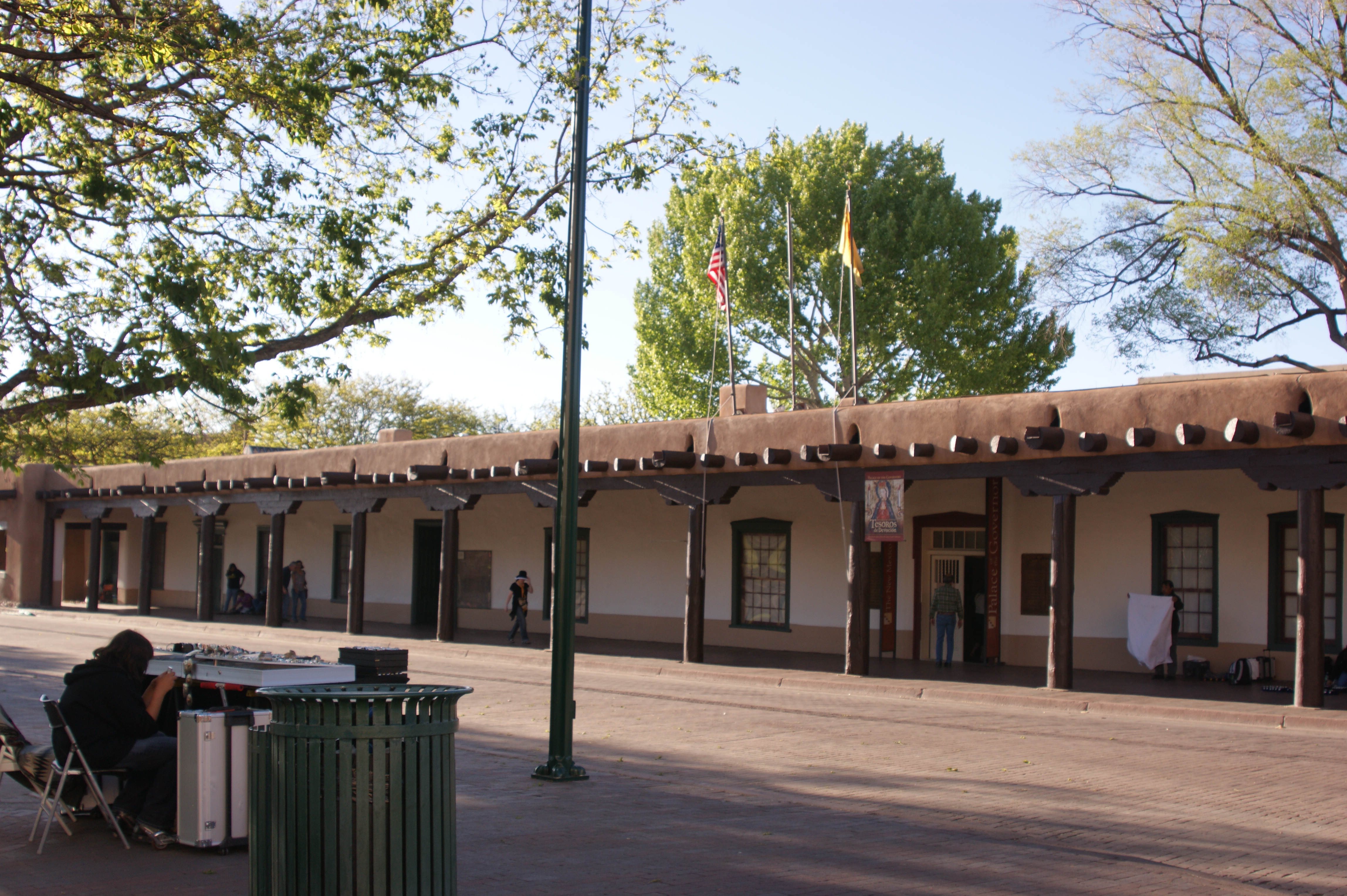
5. The Palace of the Governor’s, Santa Fe, New Mexico – I could have been there this week but had other things to do. It is the oldest government building in the United States. Today, it is a museum, but it has witness great events in history. It has been under Spanish rule and American rule. Heck, it has also been under Confederate rule. Governor Lew Wallace finished his novel, Ben Hur: A Tale of the Christ, within its walls.SONY DSC

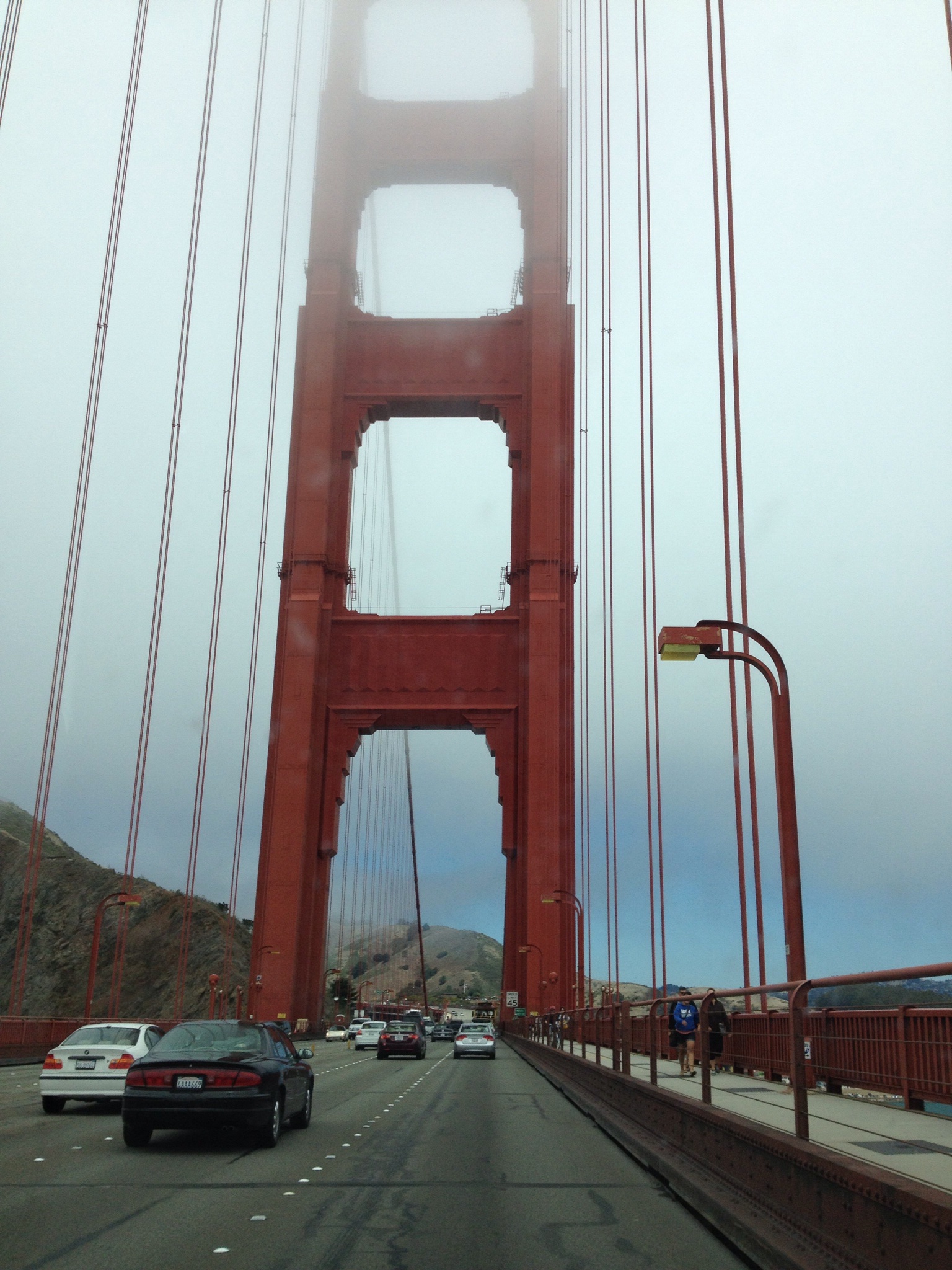
6. The Golden Gate Bridge, San Francisco, California – My wife and I drove across the bridge on our honeymoon. It is a cool feeling to drive across one of the most famous bridges in the world. However, I did not expect all of the people walking and cycling across it. Just thinking about the power of the currents underneath is enough to inspire.image-25

8. Mount Rushmore National Memorial, Keystone, South Dakota – This is truly an amazing site. Looking up at George Washington, Thomas Jefferson, Theodore Roosevelt and Abraham Lincoln is an inspiring view. However, I cannot help but think that the Black Hills were taken from the Native Americans to get at its gold.

9. Crazy Horse Memorial, Custer, South Dakota – This one is also in the Black Hills and is the Native American answer to Mount Rushmore. Crazy Horse was a famous warrior, but I wonder what he would think about a mountain being carved into his likeness. There are no known photographs of Crazy Horse, so we have no idea if this looks like him. On top of that, they have been carving the mountain for decades, and it is nowhere near finished. When I see it, I cannot help but think that the Native Americans are getting shafted again.

There is another list called “10 Western Sites That Will Make You Misty.” Next time, I think I will skip that one and move on to another subject. I do not find it very interesting or misty.

Listeria – Heartbreaking Historic Sites

22 May

The May 2014 issue of True West contains a great article about historic sites in the American West. It is titled “16 Historical Destinations That Will Make You Weep”, but that title is misleading. Yes, there is a list of sites that will bring a tear to your eye and a break in your heart. However, there are two other lists that, to me, are just as emotional.

In this outbreak of Listeria, I will describe the sites that I have visited in the weeping category.

16 Historical Destinations That Will Make You Weep

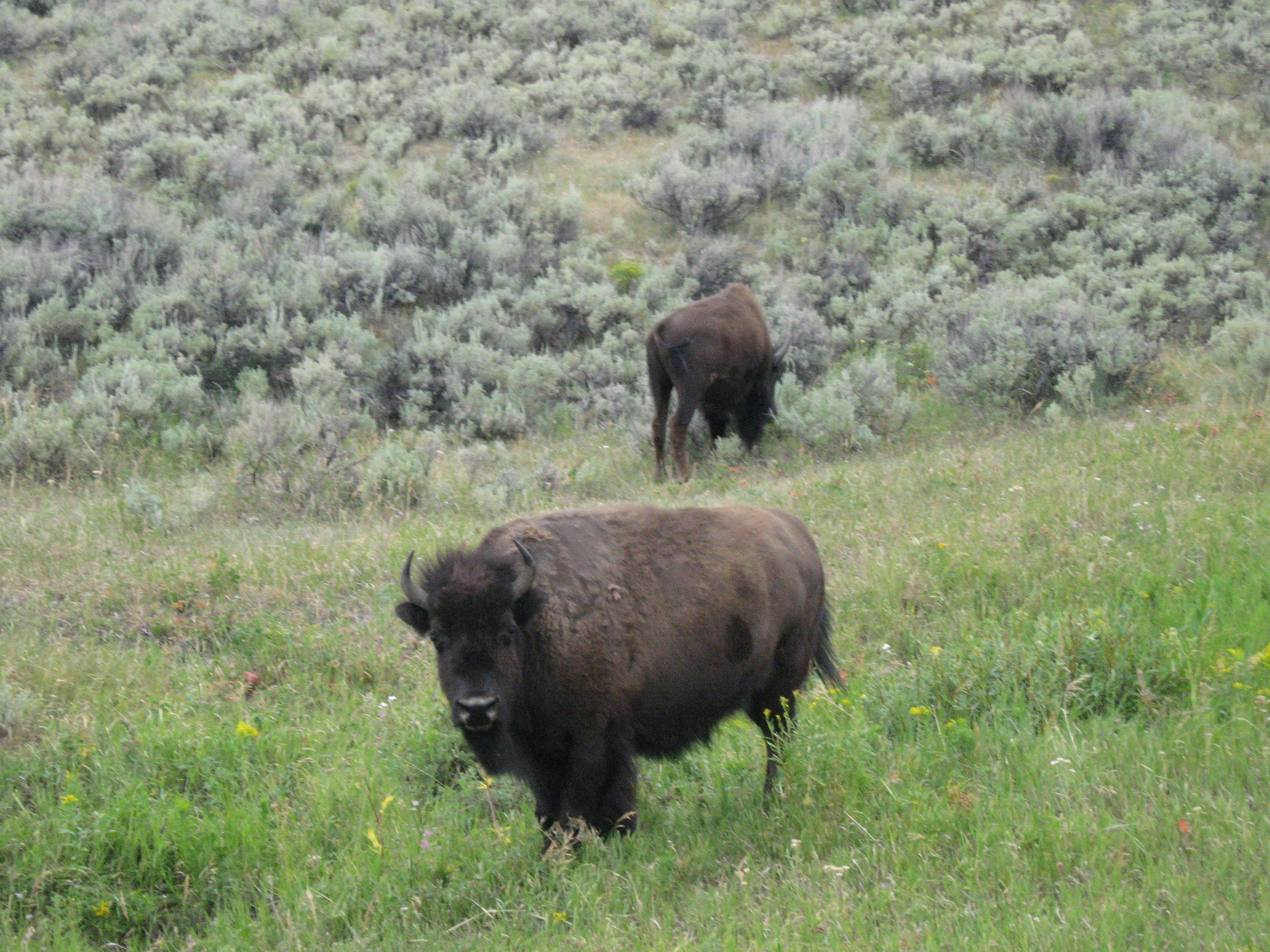
1. Great Plains of North Dakota: The Near-Extinction of the American Bison – The destruction of these beasts is one of the great tragedies of United States history. I tend to focus on the plight of humans rather than animals, but, in this instance, they are intertwined. The massive loss of bisons helped bring the loss of every aspect of life for the Native Americans of the Plains. North Dakota is not the only place this is felt. It can be felt throughout the middle of the continent.Montana 2012 and Other Stuff 302

2. Acoma Pueblo: Acoma Pueblo Battle and Massacre, Acoma, New Mexico – If not for required meetings I could have been at Acoma this week. The article focuses on the conflict between the Pueblo and the Spanish, a conflict that remains in the hearts and minds of the people. However, the sadness continues. Every year, we take students to Acoma and always stop to see Norma Jean, a lady who sells pottery along the side of the street. Last year, we learned that her husband had cancer. When Trader Dave called to check on her, he learned that her husband had died and his family had kicked her out of the house. She owns a house on the mesa and moved there. However, on the mesa there is no electricity or running water.SONY DSC

5. The Alamo, San Antonio, Texas: The War of Texas Independence – In Texas, this site takes on mythic and almost religious importance. I have not visited the site in years, but I remember that it was disappointing. It sits among downtown buildings and has been whittled away through the years. I figured if something was this important, then it would have been taken care of better.

7. Battle of Little Big Horn, Montana – I have written about this site many times and will not repeat myself. However, it is my favorite historic site and a place where the emotions of both sides of the conflict can be felt.Montana 2012 and Other Stuff 126

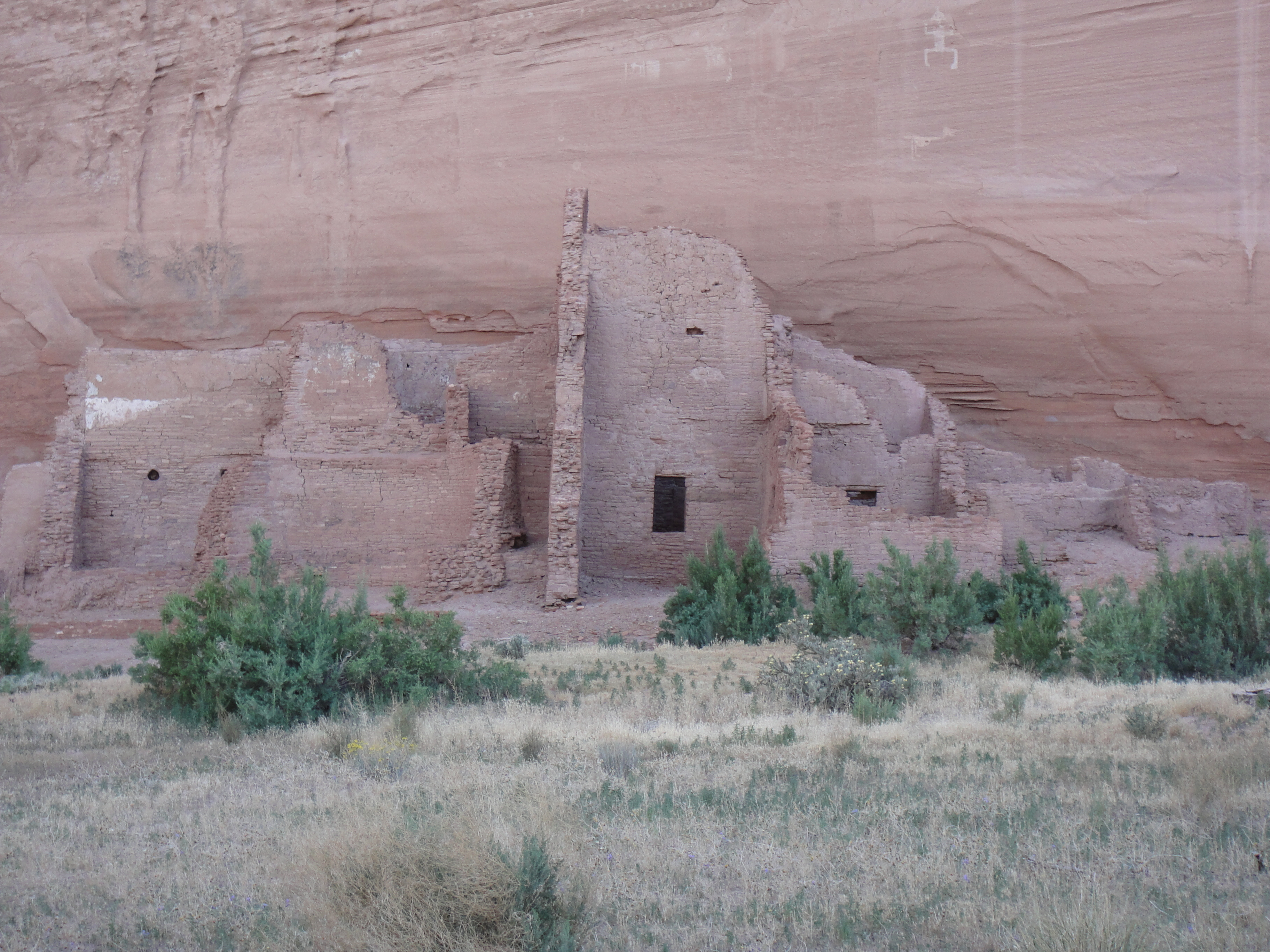
11. Canyon de Chelly, Arizona – This is a sad and beautiful place to visit, but the surroundings affected me more. Driving through the Navajo Nation to get to the canyon takes you through complete poverty. If anyone wants to see the effect that United States expansion had on Native Americans, then they need to drive through this land. To get through the canyon, you must be guided by a Navajo whose family owns land within its walls. The tour is informative but talking to the guide about reservation life is the real education.

West 2010 214

The next couple of posts will describe places I have visited on the other two lists.

A Picture Is Worth a Thousand Words, But That Is Not Always Enough

21 May

My brother sent an email that he thought I would find interesting. It contains a slide show of old photographs that have been colorized. As the series of photos appear on the screen, melancholy music plays in the background. I must admit that it is a cool thing to look at.

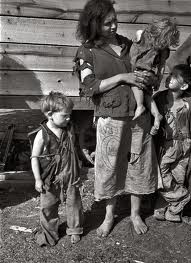
Each photograph has a caption that explains the images. Some of them are of famous people and famous events. Others are of regular people doing regular things. However, one of them stood out from the rest. The caption read, “A mother and her children living on US Route 70 near the Tennessee River 1936.”Poor Woman

This photo struck me for several reasons. Obviously, the imagery is striking as it portrays absolute poverty. The mother had made a skirt from a flour sack, and the children are wearing rags. They are all barefooted and dirty. We can only imagine how hungry they are. Despite these circumstances, the child on the right looks to be having fun. He is pulling on his sister’s foot and smiling at her. She could be laughing or squealing. The scene tells a complicated story.

However, the image was not the only thing that struck me. The picture was made in my state of Tennessee, and that brought the images closer to home. I remember stories of the Great Depression from my grandparents. They said that the Depression was bad, but they were poor before it began.

All of that brought this image close to home, but there is something else. The caption says that they were “living on US Route 70.” That is the road I grew up on. Granted, it is a federal highway that goes from coast to coast, but I always considered it my street. Somewhere inside, I feel that this picture was taken in my neighborhood. It was a different time and vastly different economic circumstances, but it is still my neighborhood.

With all of that going on, I had to do some quick online research, and some interesting information popped up.

This photograph was taken by Carl Mydans as part of the Farm Security Administration, one of the many New Deal programs. It was designed to help the rural poor find better land and learn better farming techniques. To chronicle the plight of these people, photographers and writers were sent out to record their stories. I have no idea how successful the program was in agricultural education, but it provided us with some iconic images of the time period.

(Sidenote: Gordon Parks was a photographer in this program. He went on to greater fame as the director of Shaft.)

As I dug deeper, more information came to light. The family lived near Camden, and their shack was built on the chassis of a Ford truck. There were nine people in the family, and the 17-year-old son said that he had only attend school for two years. Also, there are other photographs that include the father, other kids and the man interviewing them.

That is good information, but there is more that needs to be known. What were their names? How did they find themselves in this situation? Was it the result of the Great Depression, or did the poverty go back for generations? What happened to them? Did the children grow up and improve their condition? Did they survive? Did they know that their pictures would become part of our national heritage?

Like many stories from the past, this one has missing pieces that may never be found. We know a great deal about those in power, but we still have a long way to go with the masses that make history complete.

You Never Know What You are Going to Learn at the First Presbyterian Church

7 May

This past Saturday, I had the honor of speaking at the Men’s Breakfast at the First Presbyterian Church. We had a great meal, and I hope that I taught them some local history. As it turns out, I learned quite a bit of history from them.

After my presentation, I mentioned that this was my first time in the church. That meant that I got a tour from Dr. Bone, whose family has deep roots in our community.

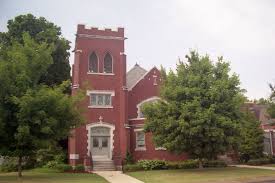
He said that the church was built in 1910 and was built in an architectural design that came out of Ohio. The stain glass windows chronicle different stories in the Bible and were donated by prominent citizens of the time. Their names are part of the design. And, who designed them? Tiffany. Yes, it was a church filled with the town’s wealthiest citizens.First Presbyterian

He told me about the prominent members who have attended through the years and showed off the pipe organ. It was all very cool, but it was not as cool as the last story that Dr. Bone told me.

After college, Dr. Bone took a trip around the world. He found himself walking through the streets of a city in India when he heard an explosion in the distance. He kept walking but heard another explosion. This time, he decided to investigate.

As the came upon the scene, Dr. Bone saw that they were filming a movie. He saw some people sitting in chairs and watching the action. Most were locals, but there was a lady in a huge hat sitting on the end.

Dr. Bone made his way over to the lady and asked what was going on. She explained the scene to him and admitted that she had written the screenplay. After a few minutes, she asked him where he was from. Of course, he replied that he was from Tennessee.

With this knowledge, she lit up and said that her brother taught English at a university in Tennessee. It was Cumberland University (where I work). This time, Dr. Bone lit up. That is where he went to school, and her brother was his English teacher.

That is when she finally introduced herself.

“My name is Pearl Sydenstricker, but you probably know me better as Pearl Buck.”

Now, this is a story with a lot of moving parts. Local boy travels around the world; happens upon a movie being filmed in India; meets the screenwriter; finds out that her brother is Dr. Sydenstricker; and then finds out that he is talking to Pearl Buck.

That is one of the coolest stories I have ever heard. However, this is what I really could not believe. Pearl Buck’s brother taught English at Cumberland University, and I do not think many people know that. At least, I have never heard it, and I have heard a bunch of stories about the history of our university.

It goes to show that you never know what you will learn at the First Presbyterian Church.


Narrows of the Harpeth

5 May

My wife came up with the idea to go hiking, and I thought it was an excellent suggestion. We have done a little hiking together before. The first time was the Alum’s Cave Bluff Trail in the Great Smokey Mountains. Another time was around a volcano in Costa Rica. Those were hikes while dating. This was our first hike as a married couple.

It was up to me to find a place close by, and I settled on the Narrows of the Harpeth Trail in Harpeth River State Park. It would be new territory for the both of us.

The park is just past Pegram, which is west of Nashville. That is opposite of us. I plugged in the GPS, who I fondly refer to as The Bitch, and headed west on Interstate 40. I have to give The Bitch credit. She took us to within a few hundred feet of the trailhead.

The Narrows is a rock outcropping that sits in a narrow bend of the Harpeth River. It is mostly used as a place for people to fish or begin a kayaking excursion. The bend is so narrow that the river almost comes back and runs into itself. Other people may fish or kayak. We were going to hike.

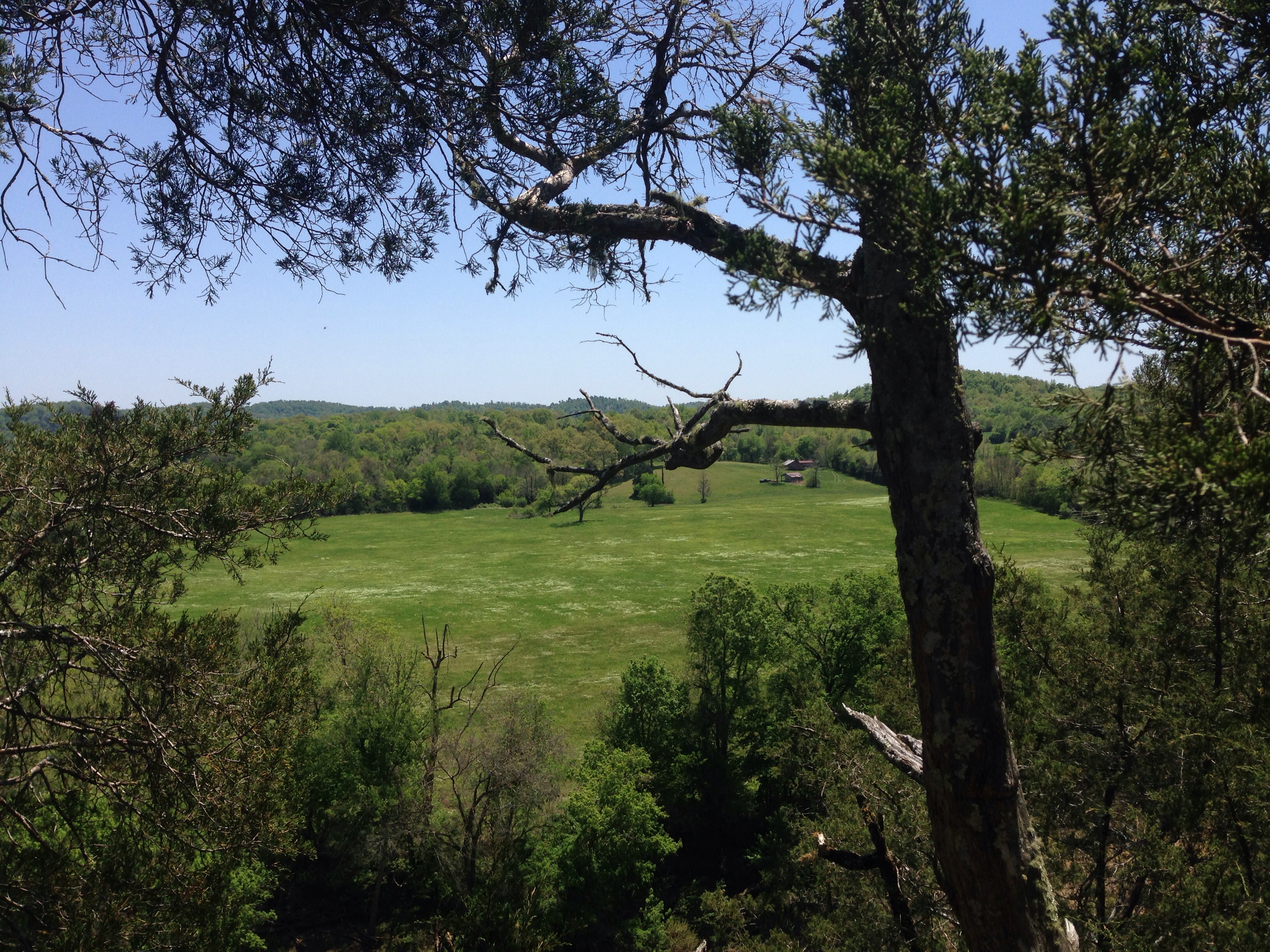
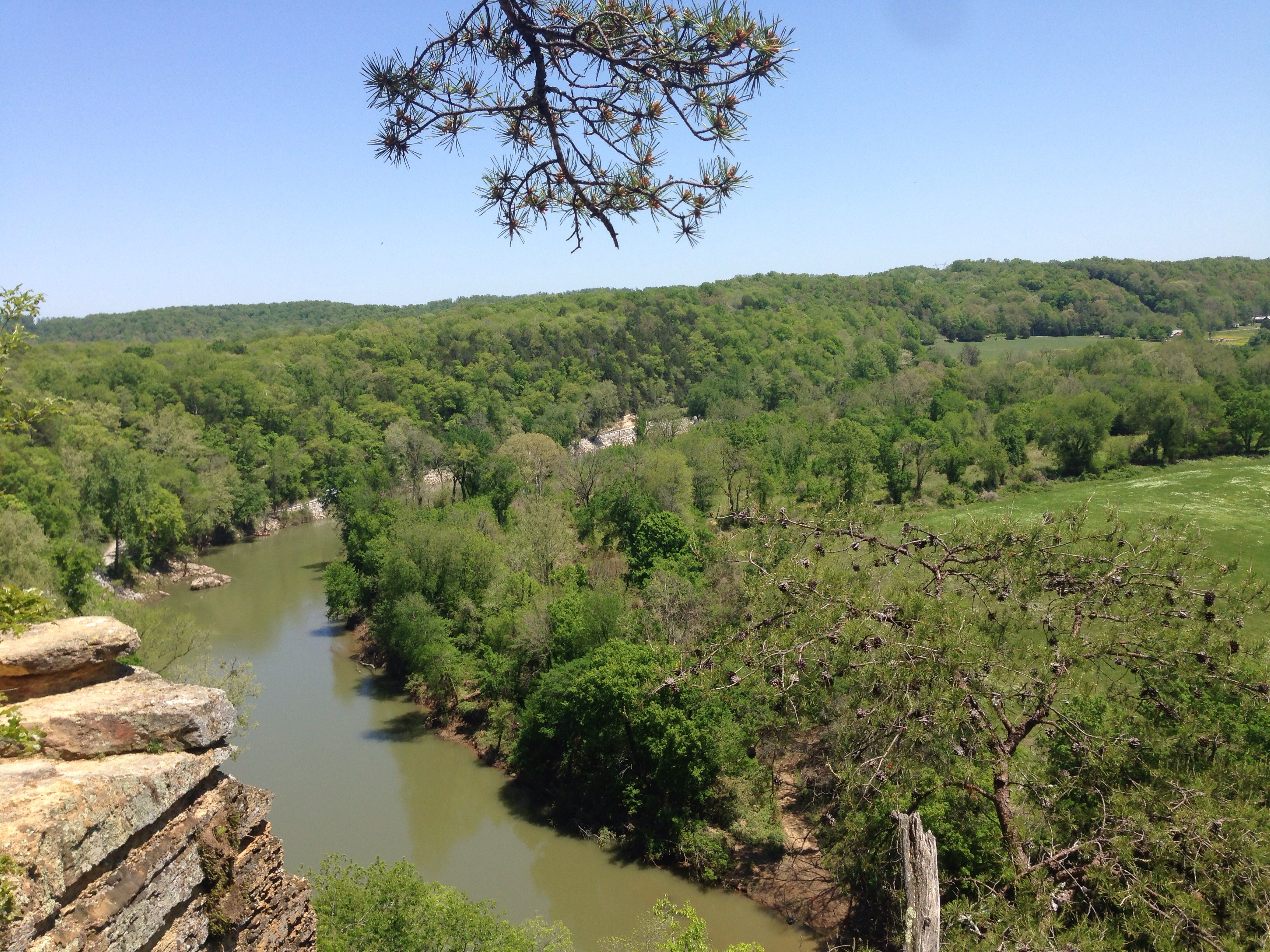
The first part of the trail is an incline that takes you to an overlook. From this perspective, you can see the surrounding landscape. Immediately in front of us was beautiful farmland.image-22

There was also a great view of the river below.image-23

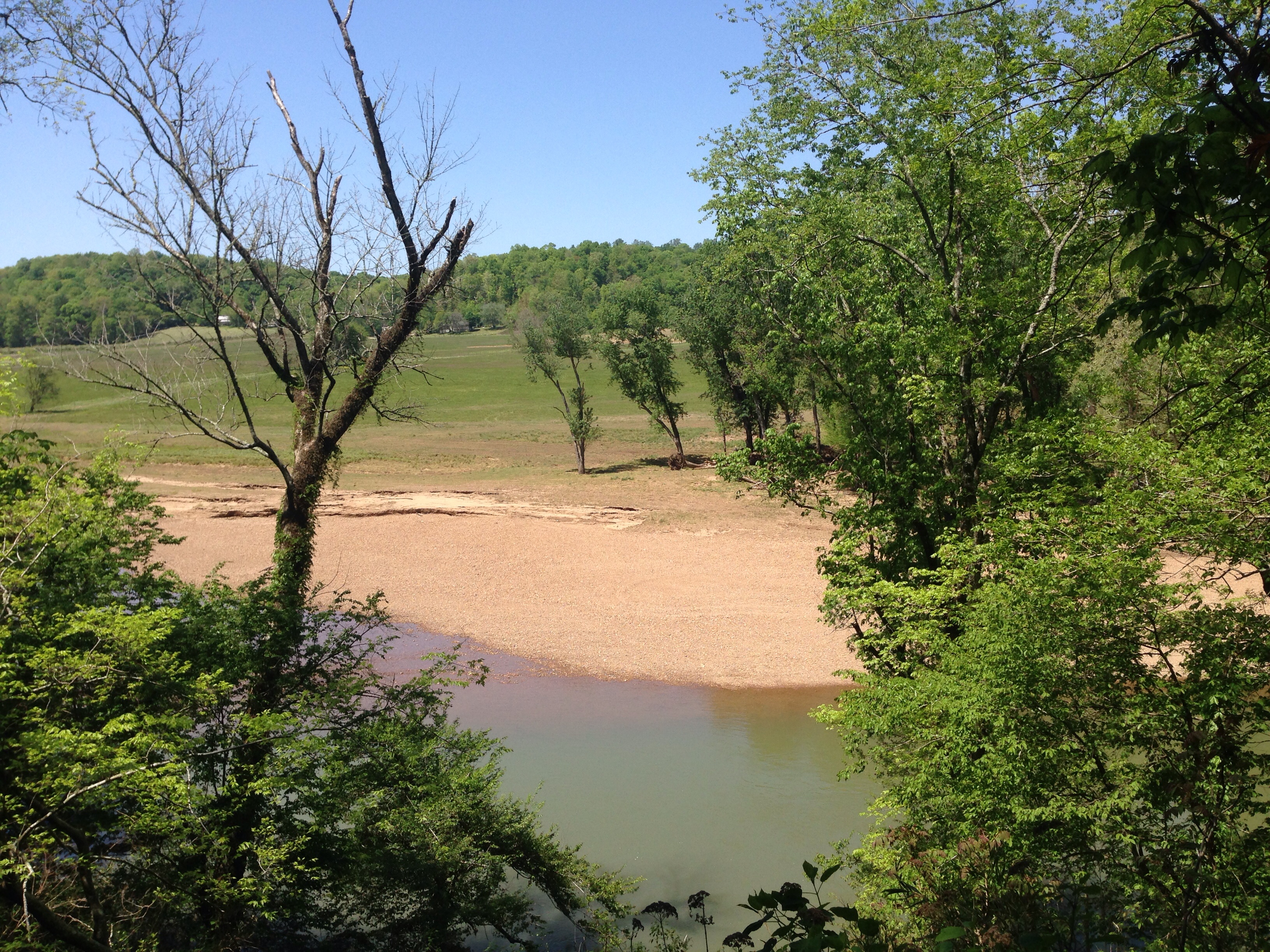
After making our way back down, we walked to the other side of the bend and walked along the river bank.

image-24

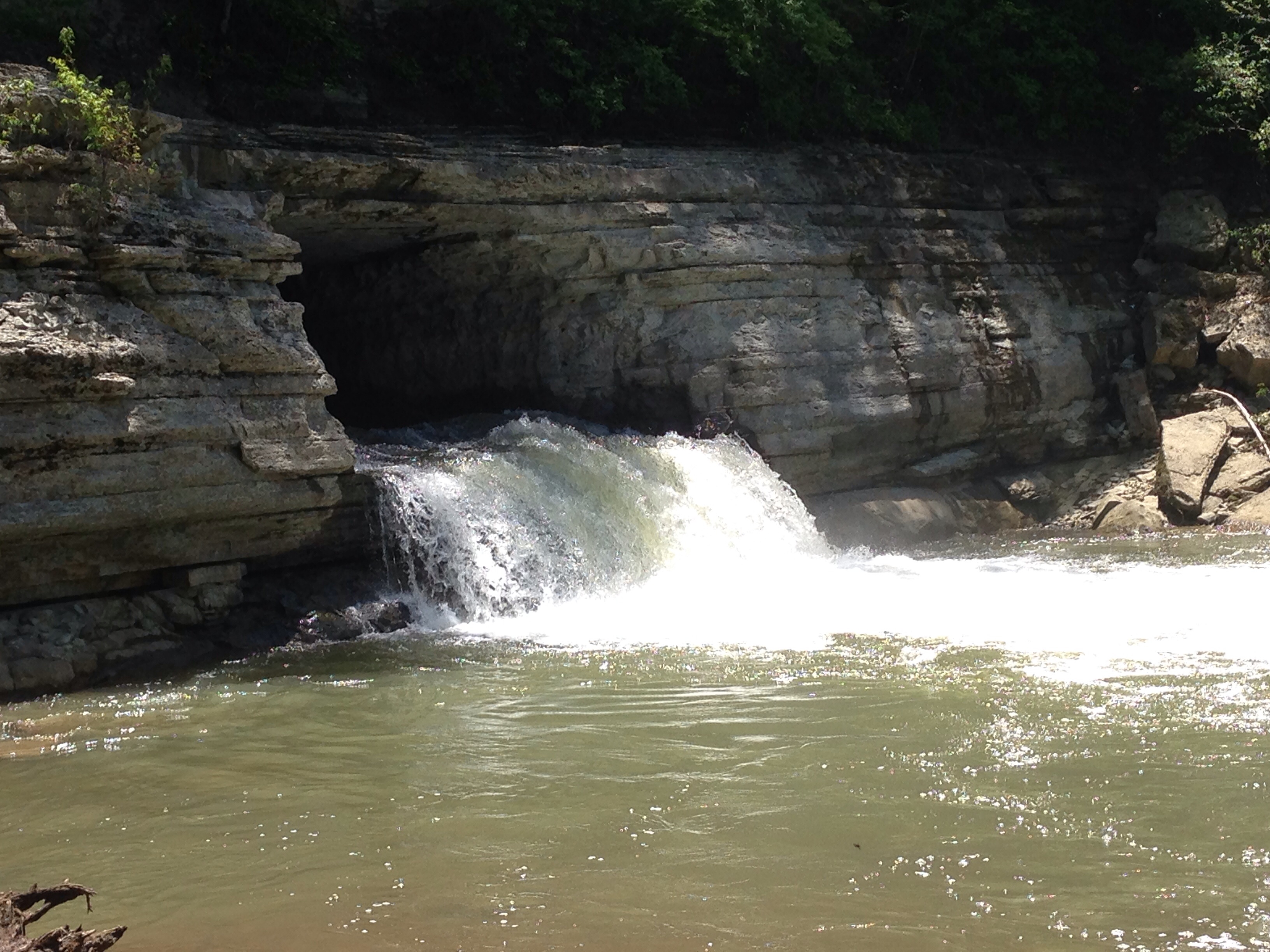
At the end of this trail, we found something historic, and everyone knows how I like to find something historic. To put simply, it was a tunnel with water shooting out of it.

image-21

However, this was not just any tunnel. It is one of the oldest manmade tunnels in the United States. Montgomery Bell, a wealthy industrialist, used slave labor to dig a diversion tunnel as a power source for his ironworks, Pattison Forge.

Watching the water surge from the tunnel, I thought of several things.

There was once an industrial complex at this site, and, now, it is a nature trail. I wonder what Bell would think of his investment being totally gone. This tunnel is all that is left.

Also, people have a misconception of the life of slaves in the antebellum South. They think of people working in a cotton or a tobacco field. However, slaves were forced to work in other economic areas, as well. I cannot imagine the hard work and suffering it took to dig a 290-foot tunnel through solid rock. These people were not forced to work in agriculture. This was big industry.

As we walked back, I thought about a story I once heard. Some former students were kayaking in an inebriated state and went into a forbidden tunnel. I heard the story of their terrifying ride through darkness without knowing where they were headed. Suddenly, the water fell away and only air was underneath them. Suddenly, it hit me that this was the tunnel.

We decided that on our return trip we would kayak instead of hike. However, I am not going to make my way into the tunnel. I believe the best view of the tunnel is from the outside. The slaves who built it and the students who ventured into it would probably agree with me.

History is Local – Tennessee Style

30 Apr

Another academic year is coming to a close, and, over the past few days, I have been reflecting upon it. Things have gone decently, but this is the first year that I have wondered if anyone is listening. As usual, there have been some engaged students and some who would probably rather be somewhere else. However, I have gotten more frustrated this time than ever before.

At our university, all students are required to take two semesters of History, and I realize that most of them are taking it because they have to take it. They are not planning on being historians, museum curators, lawyers or any other of the great professions you can get with a History degree. Still, it would be nice if they did not stare out of the windows or sneakily play with their phones. Heck, it would be even nice if some of them brought paper and pencil to class.

Honestly, it gets frustrating. I may not get them to love the subject, but I want them to get something out of it. To accomplish this, I sprinkle some local history in with the American history. They may not be interested in the millworks of New England, but they may be interested in the millworks of our town. Simply, not all history takes place far away. Some of it takes place right around the corner in places they pass everyday.

That is why I throw as much Tennessee history into the mix as I can. This might perk them up, and it might help them realize that this state has played an important role in our nation’s past.Tennessee Flag

We cover the three Tennessee presidents – Andrew Jackson, James K. Polk and Andrew Johnson – because presidents are important. Did you know that Polk is the president that brought California into the United States? Yep, a guy from Columbia, Tennessee did that.

However, I like to go deeper than that and talk about people who they may have never heard of.

Peter Burnett, a Tennessee native, was the first governor of California.

Grantland Rice, perhaps the greatest sportswriter to sit behind a typewriter, was from Murfreesboro. He wrote about the Four Horsemen of Notre Dame and a line that goes like this:

For when the One Great Scorer comes

To mark against your name,

He writes – not that you won or lost –

But how you played the game.

Cordell Hull, a graduate of Cumberland University (where I work), was known as the “Father of the United Nations” and won a Nobel Peace Prize for his work on that organization.

David Crockett, defender of the Alamo and hero to millions of kids in the 1950s, was a Tennessean.

Sam Houston, who led the rebel forces in the fight for Texas independence, had his first law office here in Lebanon.

W.E.B. DuBois graduated from Fisk University and taught school in Wilson County before going on to create the NAACP.

George Rappelyea thought of a publicity stunt to draw attention to his town of Dayton. They arrested John Scopes for teaching the theory of evolution and hosted the Scopes Monkey Trial, one of the many “Trials of the Century.” It sparked a debate that continues to this day.

John Butler, the legislator who sponsored the anti-evolution bill, represented the neighboring counties of Sumner, Trousdale and Macon.

Oak Ridge is a small town that came to prominence as one of the sites of the Manhattan Project, which brought us into the atomic age.

In 1920, legislative leaders met at the Hermitage Hotel to discuss voting for or against the 19th Amendment. It is a long story, but they eventually approved it. That made Tennessee the decisive state in women getting the right to vote.

John Chisum was born in Tennessee but gained notoriety as the “King of the Pecos”, one of the most successful cattlemen in the West.

I could name others, but these are a few that I can think of. I really think mentioning local people helps students learn a little more about American history. At least, I hope it does.

The County of Wilson

25 Apr

A new bridge is being built across the Cumberland River, and, the other day, I drove across it for the first time. I guess that means I drove across it twice. First, I went over it. Then, I came back. It was that return trip that I noticed our county seal displayed prominently.

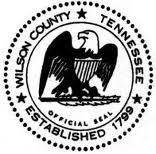
This took me by surprise because I have lived in Wilson County all of my life and had never seen it. Heck, I did not even know it existed. However, that was not the only thing that surprised me. It did not look like a typical seal.County Seal

Most seals that I have seen have symbols that represent the area. There may be some sort of plant that grows in the area. There may be a farmer. There may be some representation of industry. The Wilson County seal looks like something you would see at the post office. The bald eagle is patriotic, but I have not seen many bald eagles around here lately.

It made me think that this must be a more recent creation. The seals with crops, farmers and industry are from a time long past. This one looks more modern. With this on my mind, I called the Wilson County Archives to find out when this seal came into being. They had no idea but agreed that it must come from more recent times.

Anyway, I am on a mission to find out when the Wilson County seal was created and why it does not represent anything special about the area. It is American, but it is not Wilsonian.

That brings me to something that has bugged me for a long time. Why is Wilson County named Wilson? I know why our city is named Lebanon. The settlers saw all of the cedar trees and thought of the Cedars of Lebanon in the Bible. Unfortunately, they are not cedars. They are junipers.

Here is something else. Lebanon, Oregon is named after Lebanon, Tennessee. Some guy from here hopped on the Oregon Trail and named his new town after his old one. That means there is a city in Oregon named for a city in Tennessee that is named after the wrong kind of tree.

Now, back to Wilson. The county is named for Major David Wilson, a prominent man who lived in Sumner County. That is the county that sits on the other side of the new bridge. He was born around Charlotte, North Carolina and fought in the American Revolution. He settled in these parts, which was the western part of North Carolina, and involved himself in many activities of a landed gentleman. Politician, surveyor and other jobs that do not require strenuous labor.

I am sure he was a great man. Wilson County was named in his honor in 1799, a few years before his death. However, I am wondering something. Did he ever make his way across the river and into the land that would bear his name? Did he own property here? Did he help create the new county? What role did this man play in our county’s history?

It is like the seal that really does not represent anything about Wilson County. Did the man who it is named after represent the county?

I guess it does not matter, but it still makes me wonder.