Tag Archives: History

The Sixth of April

6 Apr

That is what the date stamp at the left of this post says. What it does not say is that it is also my dad’s birthday. To celebrate, my brother, my nephew, our friend Larry and I spent yesterday with him at the University of Tennessee. We watched football practice and got a  behind-the-scenes tour of the football facilities. That may not seem like fun to a lot of people, but, for crazy fans like us, it was a great day.

To celebrate on this blog, I thought it would be interesting to see what historic events have happened on April 6.April

In 1862, the Battle of Shiloh began.

In 1970, Sam Sheppard passed away. For those who do not know, his story became the fictional story of The Fugitive.

In 1917, the United States officially entered World War I.

In 1841, John Tyler was sworn in as president. It is hard to believe that he has grandchildren who are still living.

In 1808, John Jacob Astor created the American Fur Company. Eventually, he would become America’s first millionaire.

In 1896, the first modern Olympic Games began in Athens, Greece.

In 1929, the Louisiana House of Representatives impeached Governor Huey P. Long.

In 1973, the designated hitter was introduced into the American League.

In 1938, my dad was born.


Finding Out About the Ade Family Mystery

19 Mar

I was hanging out by the magazine stand in Walgreen’s when a title caught my eye. The Greatest Unsolved Mysteries of All Time: 50 Baffling Cases from the Files. It struck me that this would fit nicely as the latest edition to the “Listeria” series. It was a grand plan. I would see how many of these mysteries have taken place in my lifetime. Of course, a synopsis of each one would be included.

Then, everything changed. I was glancing through the mysteries when the pages turned to a segment called “Who Wiped Out the Ade Family?” That was new. I had never heard of the Ade family. However, the first sentence got my attention because it said the crime was committed in Nashville. One of the great unsolved mysteries of all time happened a few miles down the road, and I had never heard of it.

Honestly, I thought I knew about most of the infamous crimes that took place around here. I have read as much as possible about the murder of Stringbean, a performer on the Grand Ole Opry, and his wife. For years, people around here wanted to know who killed Marcia Trimble, who was killed while delivering Girl Scout cookies. I even know a little about the Harpe brothers, who some think were a couple of the earliest serial killers in America.

However, I had never heard of the Ade family. I read the article and immediately went to Google to find out more. There was not much. The article had as much information as the other sources. In fact, some of it used the same language. I guess when you cannot find much, then you go with what you can.

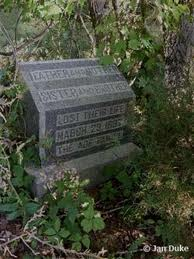
The murders took place in Joelton, a community in Davidson County. A neighborhood saw fire in the distance and made his way to the Ade residence. The entire family and a guest were inside and consumed by the fire. When authorities investigated, they realized that the family had been killed, and the fire was set to cover it up.

The mystery of who did it has continues until now. Considering that it took place in 1897, the cold case will remain that way.

There is nothing for me to add to the mystery. I am writing about it because, as far as I know, the family has been forgotten. I understand that the crime will never be solved, but more people who live in this area should know that the crime took place. They should know that one of the great mysteries of the world took place in Nashville, and no one has delved into it enough to fill up a decent Wikipedia page.

The victims were:

Jacob Ade, 60

Pauline Ade, 50

Lizze Ade, 20

Henry Ade, 13

Rosa Moirer, 10

I Went Down to the Crossroad

15 Mar

I just returned from an excursion to Tunica, Mississippi with my parents. I gambled and lost. I ate a lot of food. I did not find any prostitutes. However, the highlight of the trip was a drive south on Highway 61 to Clarksdale, Mississippi, a town that I have been wanting to visit for a long time.

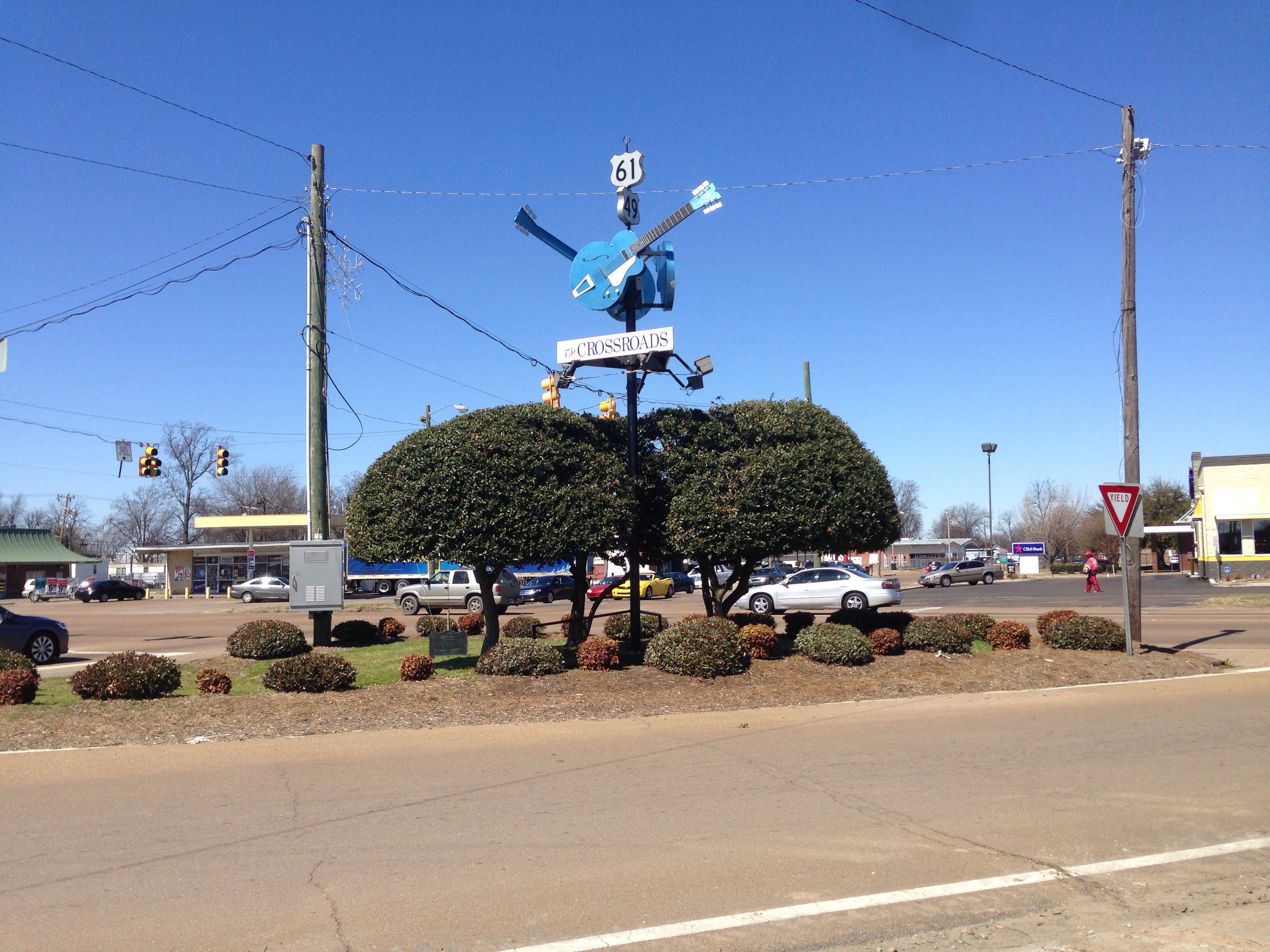
I only knew a couple of things about Clarksdale. It is one of the places that claims to be home to the crossroad where Robert Johnson sold his soul to the Devil in return for being a great Blues guitarist. The junction of Highway 61 and Highway 49 is marked by a sign commemorating the spot.Clarksdale 5
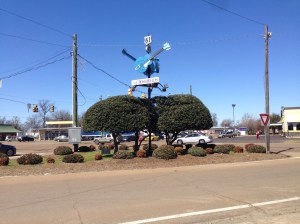
As I got out to take a picture, I wondered if this was the real crossroad. Then, I wondered why I was wondering about a place that claims to be the location of an event that is more myth than fact.

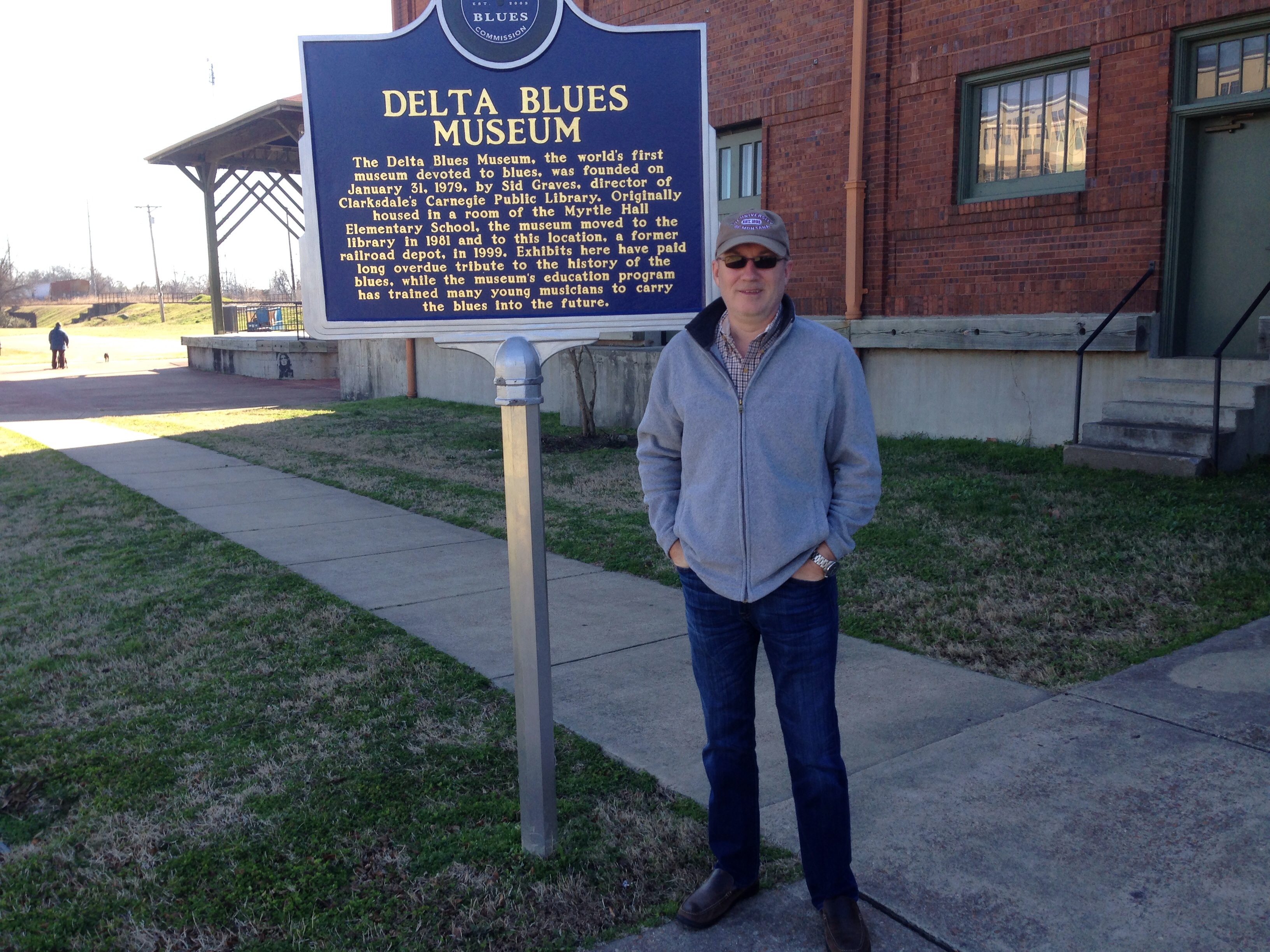
No matter what happened at what crossroad, Clarksdale has built itself as the center of the Blues universe because of that legend. It hosts music festivals and is home to our next destination, the Delta Blues Museum.Clarksdale 1
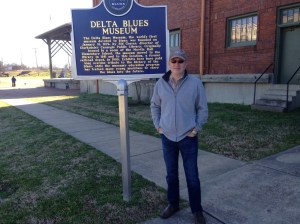
This is a cool museum with all kinds of interesting artifacts. It is also where I learned that there is more to the town’s legacy than a legend at a highway crossing. It is the birthplace of Sam Cooke, John Lee Hooker and Ike Turner, who is famous for being the abusive husband of Tina Turner. Before that, he was known as the piano player on “Rocket 88“, which is considered by many to be the first Rock n’ Roll recording.

People who lived in Clarksdale include the aforementioned Robert Johnson, Muddy Waters and W.C. Handy.

At the museum, I picked up a town map that marked all of the historic locations. That is when I found out that a couple of other famous people lived in Clarksdale.

Charlie Conerly, a hometown hero, was quarterback for the New York Giants throughout the 1950s. However, the biggest surprise was discovering that Tennessee Williams lived there as a child when his grandfather was assigned to a local parish.

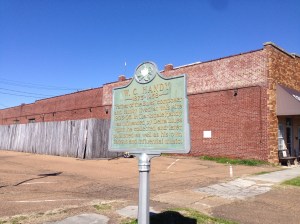
The town is not that large, and it did not take long to find the historic markers. We started with the marker for W.C. Handy, known as “Father of the Blues.” The museum claims that is more to good marketing than actual influence.Clarksdale 2
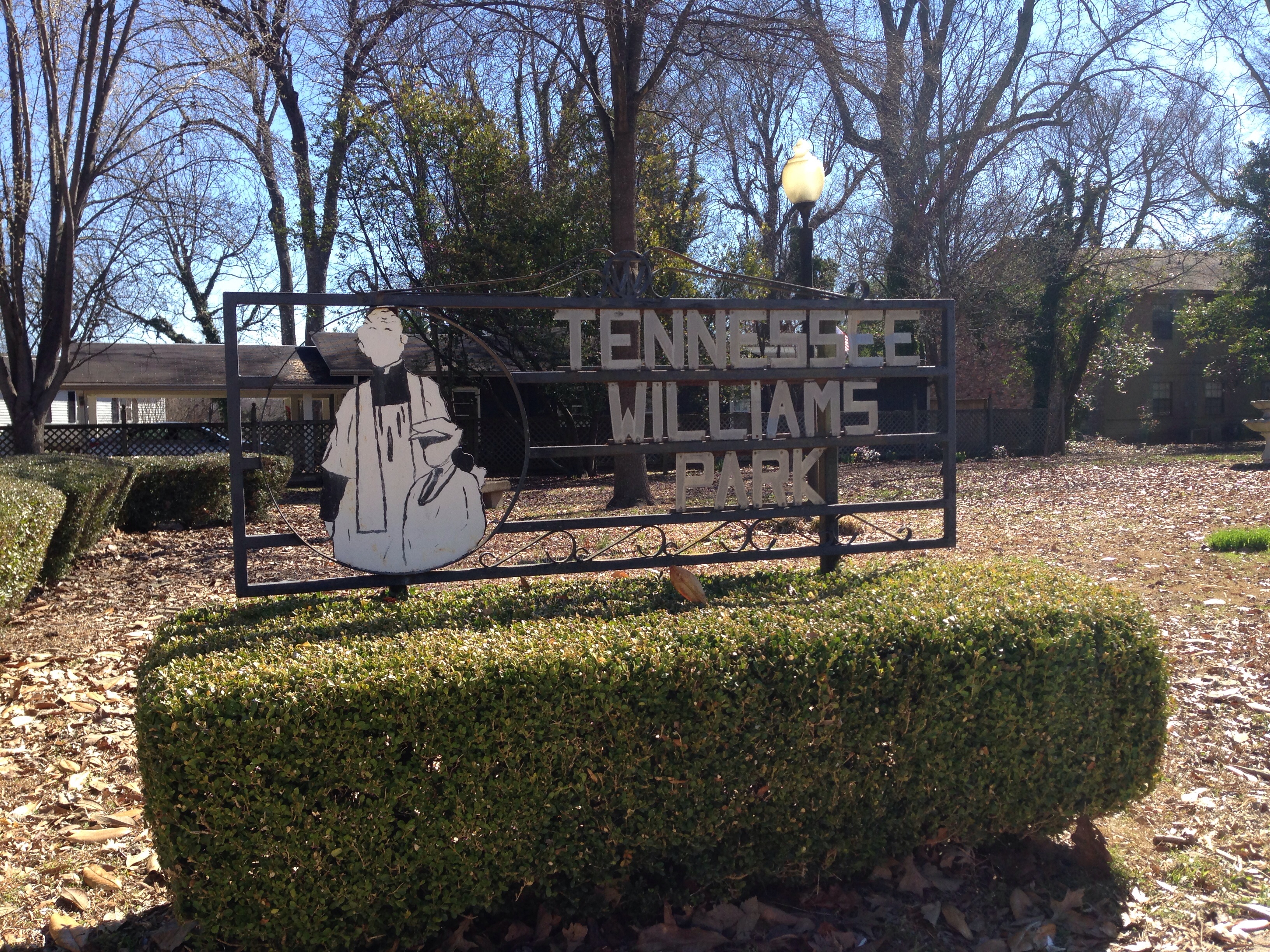
Next, we drove across downtown to the Tennessee Williams Park, which sits around the corner from his grandfather’s church.Clarksdale 3
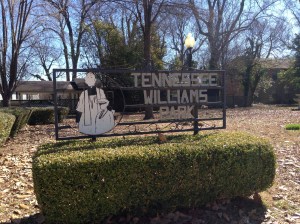
This is where I learned that Williams got some of his characters from people he knew in Clarksdale. Down the street sits the Cutrer Mansion, the home of Blanche Cutrer and her husband. It seems to me that there is a character in one of his plays named Blanche.

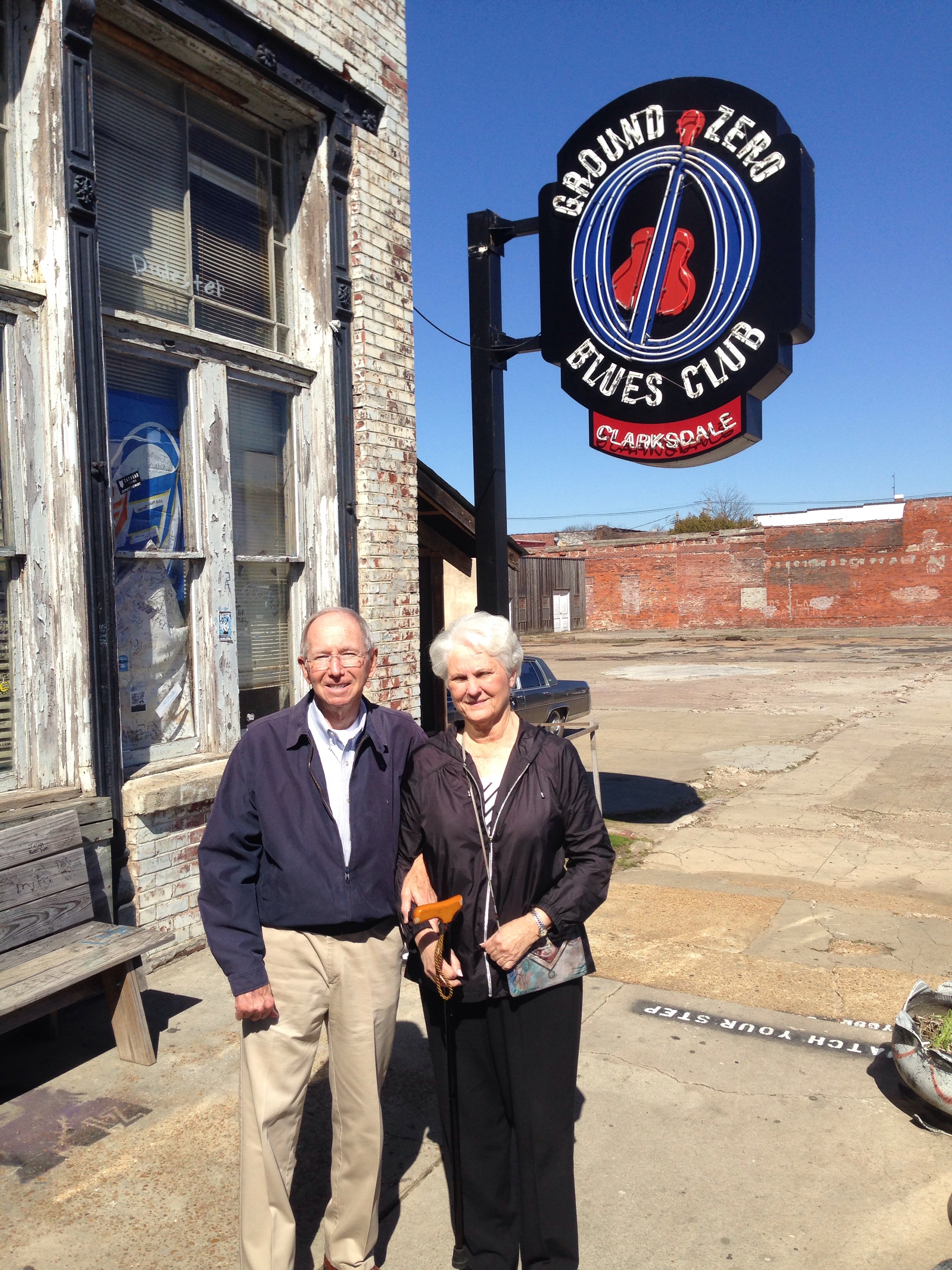
After taking a drive past the palatial homes in this neighborhood, we went back across town to the other thing I knew about Clarksdale. It is home to Ground Zero Blues Club, owned by Morgan Freeman.Clarksdale 4
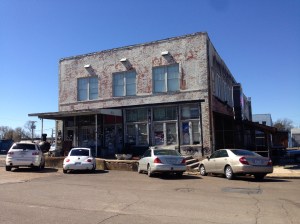
Here are my parents in front of the Ground Zero sign.Clarksdale 6
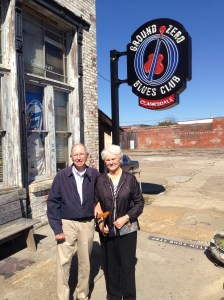
The club served lunch during the day, but we were disappointed. It was not that great. However, the waitress did a good job. My mom asked a lot of questions about Morgan Freeman, and I am sure that they were questions that the waitress has heard many times. He lives in Mississippi when he is not filming and comes by quite often. In fact, he has an apartment upstairs. He is humble but, as the waitress described, “smells like money.” I reckon that was her way of saying that he tries to hide his success, but everyone knows he is rich and famous.

We finished our meal and drove past the famous crossroad on our way out of town. However, that is when I started thinking about the place we had just seen and how it may have looked back in the old days. I started by wondering how the crossroad looked back then. If Robert Johnson made his way to this place, then was it a dirt crossing in the middle of cotton fields like I have always imagined? Or, was it a group of shacks on the outskirts of town where people lived and survived?

Whatever it looked like, I imagine that it was completely different from the neighborhood Tennessee Williams and Blanche Cutrer lived in. That was the home of the landed gentry who owned the cotton fields surrounding the town and the businesses within the town.

Clarksdale’s downtown, which can be walked across easily, is an interesting place. Although the buildings are now old and worn, they are signs that Clarksdale was once a thriving place. The buildings are multi-storied and must have been grand in their day. There are facades of banks and other lucrative businesses. There is no doubt that this was once a place of money.

However, that money flowed to one side of town. The other side of town, literally the other side of the tracks, was where those who left the fields of sharecropping to make their way, congregated and lived. This is where the Blues could be heard, and small African-American owned businesses could be found.

The two sides of town were within walking distance but were worlds apart. Downtown must have been the intersection. I could see people like Brick, Maggie the Cat and Big Daddy walking the streets and talking about “those people” when they saw them across the street. In the real world, “those people” were Sam Cooke, Muddy Waters, John Lee Hooker and Robert Johnson.

I wonder what the landed gentry would think about the modern version of their town. While their houses remain, they are not why people travel to Clarksdale. People come to Clarksdale because of the music that was made on the other side of the tracks. People come to Clarksdale because of the music that was inspired by the conditions that people on the other side of the tracks found themselves in. People come to Clarksdale to celebrate their accomplishments and not the accomplishments of the ones who thought they would be remembered.

By the way, the richest man in town is an African-American who “smells like money.”

As we drove out of town, I wondered what the landed gentry would think about that.

The Makers of Legend

11 Mar

This semester, I am teaching Expansion of the United States and had my students read The Searchers: The Making of an American Legend by Glenn Frankel, an excellent study of how a historical event can get turned into a movie.

The book is chronological, and the reader can see how the story continues to evolve as different people use it for different reasons. I will not go into great detail, but, as the story gets passed on, those who tell it do so with various reasons. In the end, the story barely resembles the reality, and the reality, to many, would be more interesting.

I chose this book because I want my students to know that there is more to history than what happened in the past. History is also about who interprets it and when they do that. I believe it is as much about the people looking into the past as it is about people who lived in the past.

One of my favorite movie lines comes from The Man Who Shot Liberty Valance. When Senator Ransom Stoddard finished telling reporters about his life and what happened in the town of Shinbone, Maxwell Scott, the newspaper editor, rips up the notes and throws them into the fire.Print the Legend

Ransom Stoddard: You’re not going to use the story, Mr. Scott?

Maxwell Scott: No, sir. This is the West, sir. When the legend becomes fact, print the legend.

That line conveys the difficulty that historians of the American West, or any other history, faces when trying to find out what happened way back then. Dime novels. Newspapers. Journals. Diaries. Inaccuracies and embellishments can be found everywhere.

However, it is not just those who record history who cause problems. Those who took part in history do the same. In the book I mentioned, the story was being told incorrectly from almost the beginning, and those incorrect accounts were coming from people who were there.

This brings me to a video I stumbled upon while scanning through YouTube. It is called The American West of John Ford and should be watched by anyone who likes the Western genre. John Wayne, James Stewart and Henry Fonda reminisce about working with Ford and take turns interviewing him.

During those interviews, all of them freely admit that Ford was not interested in depicting historical accuracy. He was interested in telling stories within a Western backdrop. He used the genre to study the human condition. However, there was one part of the documentary that got my attention.

While talking about My Darling Clementine, about the actions at the OK Corral, Ford said that Wyatt Earp had personally told him what happened at the gunfight and drew a map for him. In the movie, Ford depicted the gunfight just as Earp had described. According to Earp, a stagecoach came by, and he used it for cover to get closer to those he was after.

I have read a ton about Wyatt Earp and the OK Corral. I have been to Tombstone, Arizona and stood where the gunfight took place. At no point have I ever heard about a stagecoach being used as cover. It could have happened, but that would be a new take on it for me. Hopefully, a historian can tell me that I am wrong, but I do not think a stagecoach had anything to do with it.

So, who are the makers of legend? Was it John Ford, a director who admitted to not caring about historical accuracy? Was it Wyatt Earp who could have embellished a story to impress his Hollywood friends? Was it the director of the documentary who included that story in his movie? Is it me for writing about it?

What Hath Bell Wrought

28 Feb

This week, I have been telling my classes about some of the technological advances of the late 1800s. That was a time when inventors experimented in labs throughout the world to develop the next great invention. One of those, the telephone, greatly impacted communication and continues to be an integral part of our lives.

(Interesting Trivia: The telephone was up and running before George Custer was killed at Little Big Horn; before Wyatt Earp became a lawman in Dodge City; before Jesse and Frank James attempted a failed bank robbery in Northfield, Minnesota; and before Rutherford B. Hayes was elected president.)

Alexander Graham Bell is known by most as the inventor of the telephone. Of course, there has been debate about who invented it first, but he is the one who took the invention and made it a part of everyday life. This post is not about who invented it. Instead, it is about what we discussed in class.

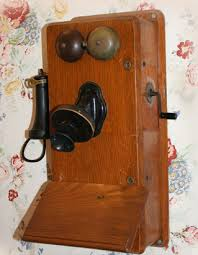
I took the students through the evolution of the phone. We talked about party lines and how neighbors could listen to your conversations if they were so inclined.Party Line

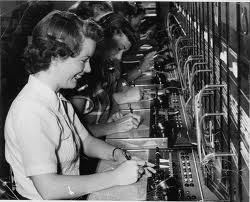
We talked about how operators used to connect calls by sticking wires in the proper sockets.Operator

We talked about rotary dials, when people had to stick their hands in the proper holes and turn the dial. Then, they listened to it click as it moved back into place.Rotary Phone

We talked about phones with long cords that became tangled and stretched.Phone Cord

In short, we talked about things that they had never seen.

The telephone was a great invention and has alter the direction of humanity. However, I noticed something as I talked about the history of the telephone. Several of the students were not listening because they were playing around with their iPhones and Droids. While I was going over the virtues of the telephone, they were taking part in the bad side of the telephone.

For teachers, or anyone else who needs to have the attention of a group of people, telephones are the work of Satan. They are distractions for the ones using them, and they are distractions for the rest of us. These things have become attachments that people cannot do without.

On the first day of class, I tell everyone to stay off their phones. No texting. No tweeting. Put them away and do not look at them. I may as well be whistling in the wind. People cannot put down their phones. I am convinced that Steve Jobs was the most successful drug dealer in the history of the world. We cannot do without his product.

Just once, I would like to go back to the old days and have a class where no phone was in the room. Students would still daydream or stare out of the window. At least there would not be the blatant act of picking up a phone and looking at it and providing physical proof that they just do not care.

Ironically, I had to stop talking about the history of the telephone to tell people to get off their phones. As I walked out of class, I began to wonder what hath Bell wrought.

Picture This – Little Bighorn

24 Feb

Montana 2012 and Other Stuff 126

On June 25, 1876, George Custer and part of the 7th Cavalry charged into a Sioux encampment on the banks of the Little Bighorn River. The events that followed would become one of the most famous battles and most famous defeats in American history.

Many people in this part of the country can go to a Civil War battlefield and know the details of what happened there. I can do that at Little Bighorn. I first visited the battlefield in Montana when I was a kid and have been back several times. However, it was not the event that first gained my attention. It was the white markers scattered around the landscape.

At some point after the battle, marble markers were placed where soldiers had fallen. Some of them are not accurate, and they have since caused controversy. Native Americans have wondered where the markers for their fallen have been. In recent years, a few markers have been placed for killed warriors.

This post is not about the inaccuracies or the controversy. It is about the effect. For me, the markers make the battle seem like it happened a few days ago. I can scan the battlefield and see where people fell. I can see where some made a stand and others died alone. I can look at the markers and see the battle in my mind. I can listen to the wind and hear the sounds of the fight.

Civil War battlefields do not provide the same effect for me. I can study a battle and know the troop movements, but the land looks like a peaceful field. At Little Bighorn, the individual markers remind me that blood was shed on the expanse.

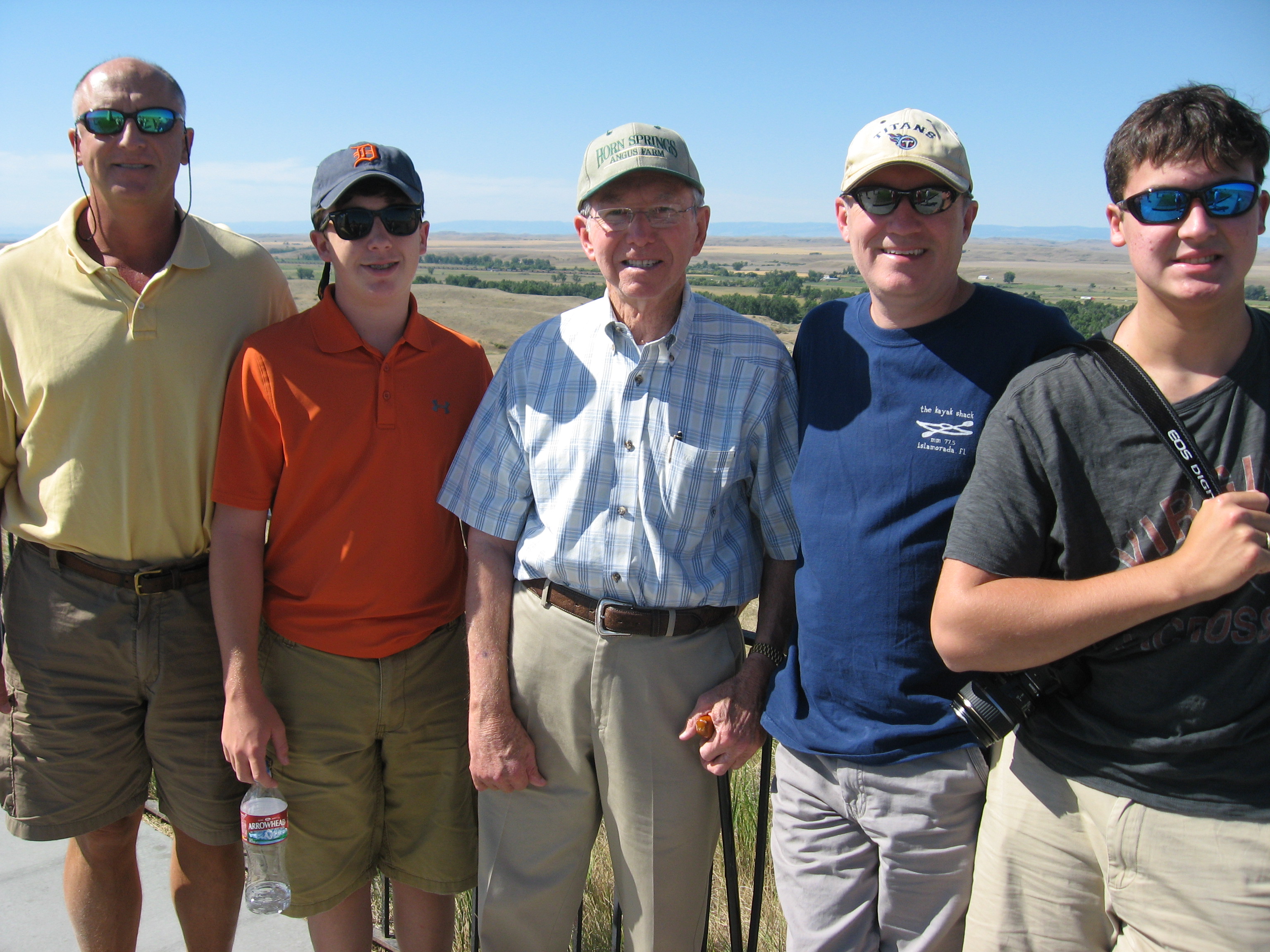
A few years ago, I went to the battlefield with my dad, my brother and my nephews. We stood on Last Stand Hill, where Custer’s body was discovered, and my nephew filmed me talking about the battle. I looked over the landscape and pointed to where everything happened. I provided accounts from warriors and military records. It was a thrill to be able to do that on site.

When I finished, I turned around to find a busload of people listening to me. Apparently, I had drawn a crowd. I answered a lot of questions, but I really wanted to tell them to look at the markers. They are why I have read so much about the battle. They are the genesis for why I studied the American West. For me, they are what makes Little Bighorn a spiritual place.

Kingsport, Tennessee

17 Feb

One of the people I follow on Twitter mentioned that his hometown is Kingsport, Tennessee, a city that was the site of a major event in my family’s history.

The summer of 1991 was going along like any other. I was spending my summer break working on the loading dock at my dad’s business. My brother was running the manufacturing side of the business. My mom was handling things around the house. My dad, who we all leaned on, was overseeing it all. Then, the situation changed.

My dad drove to Kingsport for a meeting of a bank board of which he was a member, while we went through a typical day. Work was long and hot, and I was glad to get home to take a shower. I was in my closet getting dressed when I heard the phone ring, and I was still in my closet when my mom told me the news. My dad had a stroke after his meeting and was being taken to Holston Valley Medical Center.

After that moment, my memories become hazy. I finished getting dressed while my mom called my brother. At some point, we were all together with my grandparents waiting for a call from the doctor. We were under the impression that it had not been a serious stroke, but that impression vanished when the doctor explained that we needed to get there as fast as possible.

I cannot remember anyone talking on the drive to Kingsport, and it is not a short drive. I sat in the backseat as my brother drove. It AC was cranked up, but no one mentioned changing it. I stared out the window and remember thinking that we were going through downtown Knoxville pretty fast.

We arrived at the hospital and took the elevator to the Intensive Care Unit. That is when the gravity of the situation became apparent. All of the bank board members were lining the hallway in the suits. It was the most somber looking group I had ever seen. One of them took us to the ICU desk, and the nurse immediately got the doctor.

It was a conversation that I will never forget. My dad would probably die within the next three days. If he did not die, then he would remain in a vegetated state. Before going in to see him, the doctor explained that they were going to freeze his brain to stop the bleeding. If that did not stop the bleeding, then there was no chance.

My dad was hooked up to every machine imaginable. Wires. Tubes. It was as if the machines were keeping him alive. We talked to him without knowing if he could hear us or not. When we left, there was no plan. We had nowhere to stay and nowhere to go. My mom and I tried to stay in the hotel room that my dad had booked, but she could not stay there. That is when we were given a room in the family area of the hospital. The bed was terrible, but it did not matter. None of us could have slept.

That began our two weeks in Kingsport, Tennessee while my dad fought for his life. Most of that time was spent in the ICU waiting room with other families who were facing similar circumstances. In the days before cellphones, people could only call us at phone in the room. It was constantly ringing. Businesspeople. Politicians. From all over the country, people were calling. It got to the point where other families were mad because we were tying up the phone line. That is when we started taking calls at the nurse’s desk.

I can remember being hungry all of the time. There was a hotdog stand outside, and I ate more hotdogs than I could count. When the going gets tough, I eat. I can remember my mom promising God that she would never get mad at my dad again if he came out of this. We laughed and said that she should not lie to God during a time like this. I can remember my brother going back to work because somebody had to run the business. Our competitors were already lurking around our customers.

A lot of people made the long drive to visit us. My grandparents came up. My friend Chris came up with his new wife. My friends Robert and Dallus came up. I think they got lost on the way. I feel bad because after that long drive I wanted them to ride me around town. I wanted out of the hospital. We found an abandoned bridge, and I just sat on it for a while.

We also got a visit from Sister Stafford, a pastor and missionary from our town. My mom asked if she had driven all that way by herself. Sister Stafford replied, “No, God came with me, but God didn’t tell me how far it was.” She brought food and showed my mom how to bless him. She took my mom’s hands and told her what to say. By this time, my dad’s brain had stopped bleeding, and he was out of ICU. When my mom went to his room, she did as she was told. She laid hands on him and said the words. He looked at her like she was crazy.

After that, my dad starting getting better, and the doctor scheduled a transfer to Vanderbilt Hospital for further care and rehabilitation. Our time in Kingsport ended, but my dad was just beginning a long journey. He did not die, and he did not stay in a vegetative state. Through years of rehab, he learned to walk and do things with his left hand. His right side is paralyzed, and his speech is affected. However, everything else is great.

Since 1991, he has seen my brother have two sons. He has seen me get married. He has traveled throughout the country. He has become a member of another bank board. He was there when the University of Tennessee won the national championship in football. He has been inducted into the Tennessee Softball Hall of Fame.

My dad with his sons and grandsons at the Little Big Horn Battlefield

My dad with his sons and grandsons at the Little Big Horn Battlefield

Since 1991, he has overseen the sale of the business that he started. He saw his sister pass away from a stroke. He saw his in-laws, who spent a lot of time in Kingsport, both pass away.

Since 1991, my dad has seen happiness and sadness. However, the important thing is that he was there to see it. That is because of the hard work that he, my mom, the doctors and the rehab specialists put in. It is also because of the work that the people at Holston Valley Medical Center did for those first two weeks. That time was critical.

There is one more thing that my dad has seen. When he was able, my parents went back to Holston Valley to see the people who took care of him. He walked through ICU and hugged them all.

None of us will ever forget our two weeks in Kingsport, Tennessee.

Listeria – Cattle Towns, Mining Camps and Other Assorted Outposts

14 Feb

True West magazine came out with their list of the “Top 10 True Western Towns of the Year”, and I had to see what they came up with. As it turns out, other lists were included – “True West Towns to Know” and “True West Towns to Watch”. A quick counting brought the total number of towns mentioned to 30.

I decided to weed that list down to those that I have visited. I have no idea what criteria the people at True West used to compile the list, but here is a little information about the places that I know about.

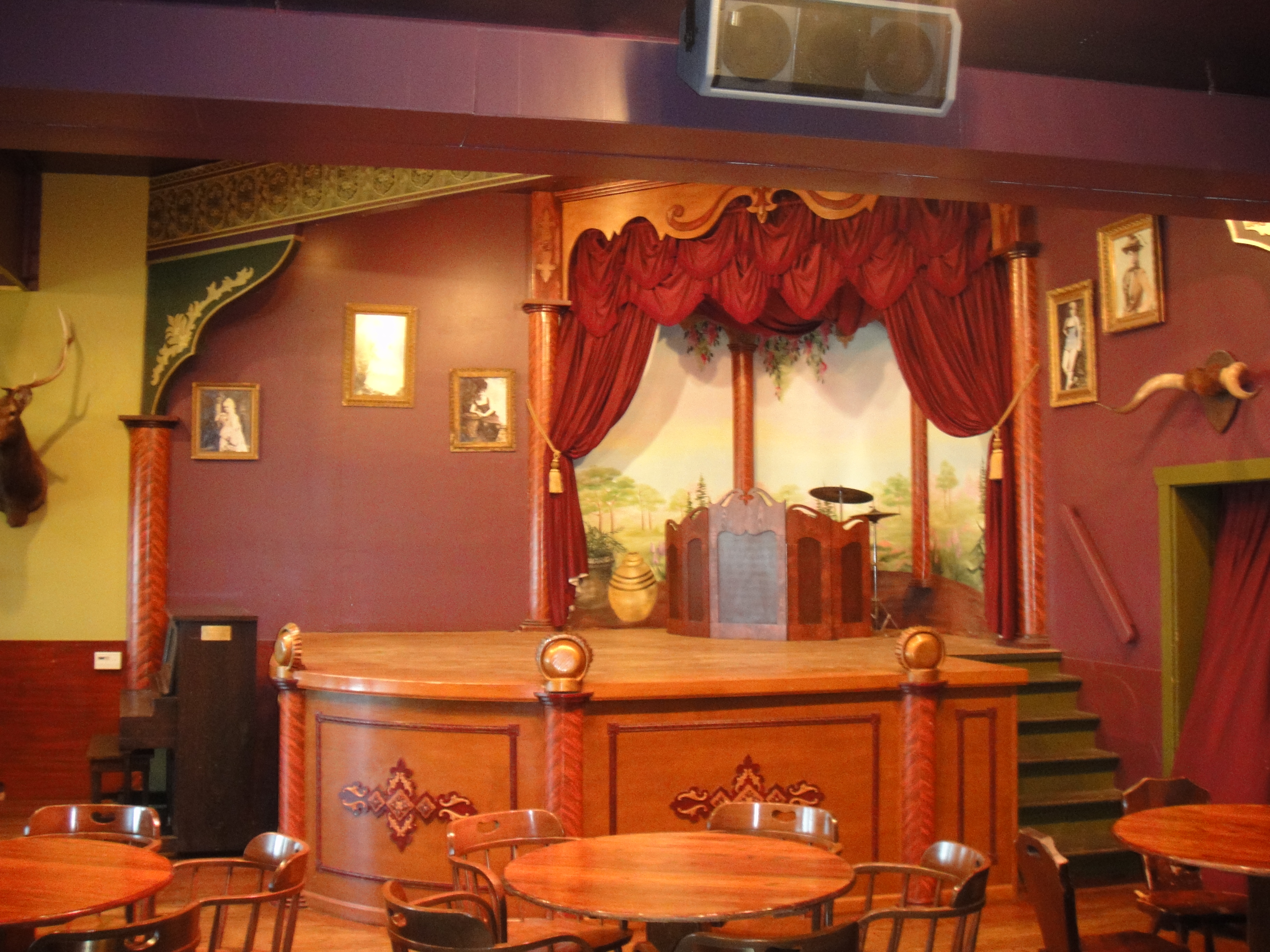
1. Dodge City, Kansas is, in my opinion, the most famous of all the cattle towns. It was the epicenter of a huge industry and the home of real life lawman Wyatt Earp and fictional lawman Matt Dillon. Dodge City is still a player in the cattle industry, but I do not see it as a tourist mecca. Obviously, any lover of the Old West must go there, but they will be disappointed with the fake western town that sits on the main drag. However, the trolley tour is cool.

Inside a fake saloon on a fake streetfront.

Inside a fake saloon on a fake streetfront.

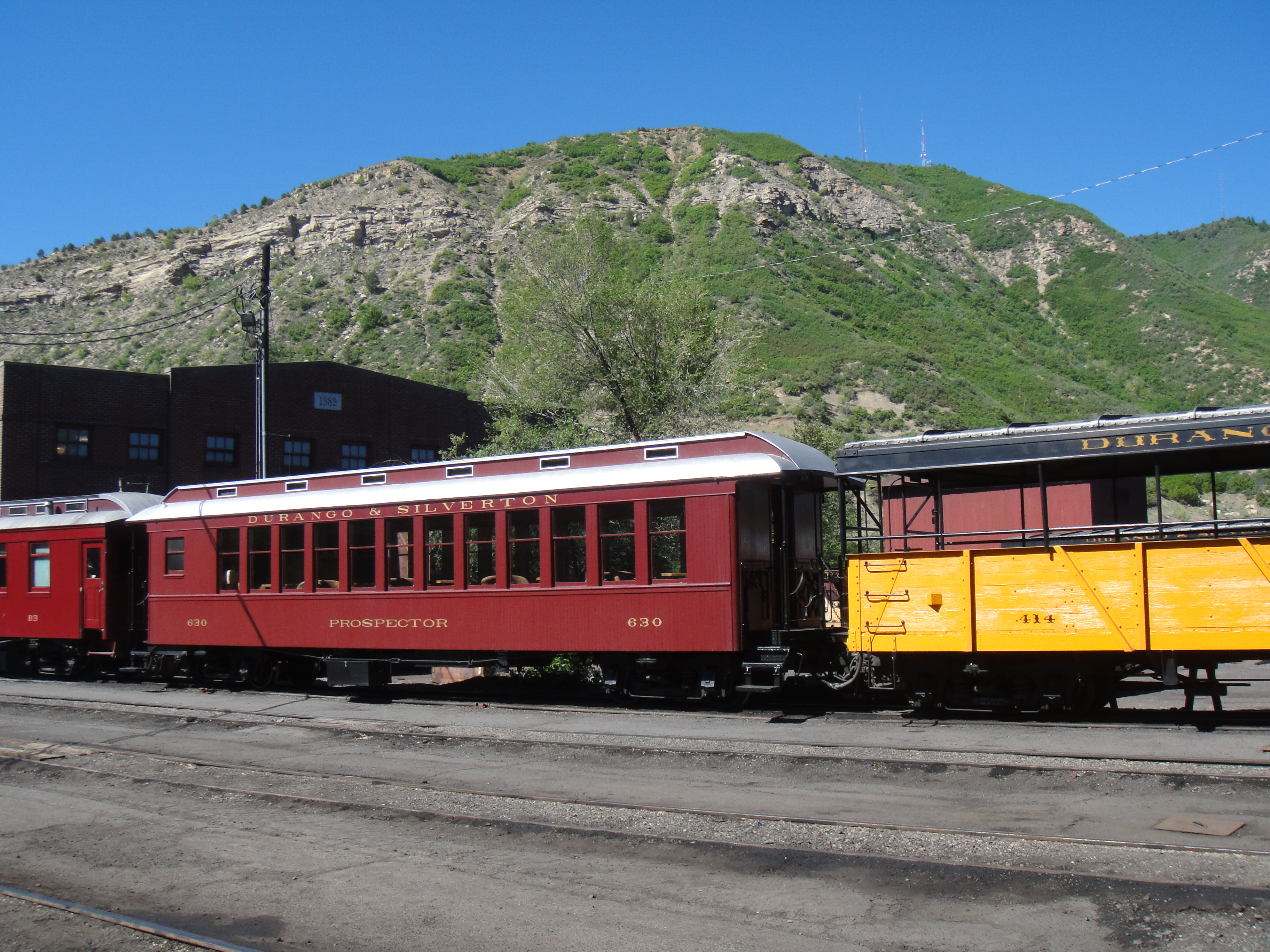
2. Durango, Colorado is a cool western town that has held on to its past. Historic buildings, such as the Strater Hotel, line the streets. The famous train from Durango to Silverton starts its journey at one end of town. There are restaurants, bars and a bookstore with all of the great western historians.

A couple of cars on the Durango and Silverton Line

A couple of cars on the Durango and Silverton Line

8. Lincoln, New Mexico is a state monument that looks almost like it did when Billy the Kid was roaming around. There are all kinds of buildings and museums, but the best is the old building from which he made his famous jailbreak. Billy the Kid is the most famous of those who participated in the Lincoln County War, but I find myself more interested in John Chisum and some of the others.

9. Tombstone, Arizona which its economic peak during the 1880s and had its growth stunted when the minerals ran out. That circumstance makes it still have that feel of a frontier town. Of course, that could also be because they ripped up the concrete sidewalks and put down wooden ones. The OK Corral is cool. The Birdcage Theater is cool. However, the coolest thing is talking to Ben Traywick, the town historian.

If this building could talk, then it would have some real stories to tell.

If this building could talk, then it would have some real stories to tell.

10. Lewiston, Idaho is a place that I have never been. However, I must mention it because the Cumberland University baseball team has won two national championships in Lewiston. It is a western town, but it is also a baseball mecca.

There is half of the Top 10, but some interesting towns are on the other lists, as well.

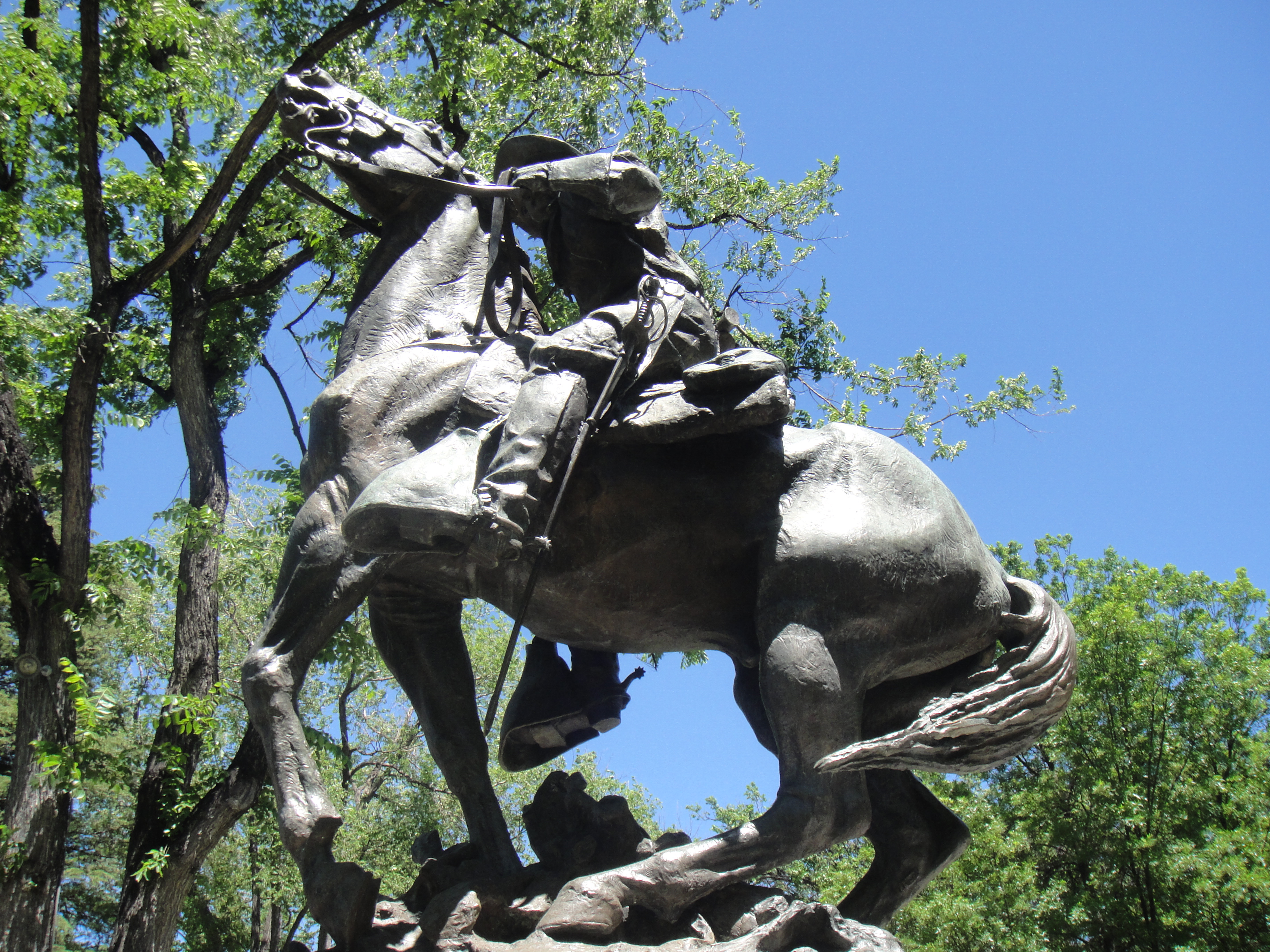
Prescott, Arizona is listed as one of the “True West Towns to Know” and, on the surface, looks like any other regular old town. However, a walk around its square gives you an idea of what it used to be like. The square is huge and is bustling with activity, as people venture into the historic buildings.

This statue stands in front of the county courthouse.

This statue stands in front of the county courthouse.

“True West Towns to Watch” lists several places that I have visited.

Juneau, Alaska is the state capital and can only be entered by plane or boat. It is a small place that has a frontier and isolated quality. One of my great memories of Alaska is having a drink with my brother in one of Juneau’s saloons.

Cody, Wyoming is another good western town. The Buffalo Bill Center of the West is one of my favorite places to visit. A few years ago they had a traveling exhibit in Nashville, and I was able to take my students.

Checotah, Oklahoma sits on Interstate 40, and, frankly, I have never been in the downtown area. We have only stopped a few times for gas. Most people probably know it as the hometown of Carrie Underwood.

Custer, South Dakota is one of the less famous mining camps in the Black Hills and is overshadowed by Deadwood and Sturgis. However, it is a good place to stop and look around. Also, it is named in honor of George Armstrong Custer, the man who led the gold-finding expedition into the Black Hills.

Bisbee, Arizona sits several miles down the road from Tombstone and is a place that I like better. Its economic boom lasted into the 20th Century, which means it has a more modern look than other mining camps. It also has a great mining museum operated by the Smithsonian Institute.

Those are the places listed by True West that I have visited. It would be interesting to read if any of you have been to these places. What are your thoughts and stories? What other towns have you visited that you think may be or should be on the lists?

Days Of Wine And Roses

9 Feb

Actually, there is nothing about roses in this post. I have been trying to find a way to steal that title for a while and finally figured out a way to do it. This post is entirely about wine and the growth of its popularity in the United States.Wine

Wine is everywhere. We have a wine fridge in the bonus room. There is a new store in town that focuses on wine. I have friends who are proud to wear the moniker of Wine Snob. I know a guy named Dave who makes homemade wine. Doctors tell us that drinking wine is good for our hearts. Restaurants have wine lists that match the wine that goes best with a meal. As I said, wine is everywhere.

I understand the love of what. However, I do not understand when that love began. Historically, the United States has been a nation of people who desire alcohol that is made from grain. Whiskey. Rye. Beer. Those types of things. This history springs, I think, from two places.

One, the United States was birthed from Great Britain and its tradition of grain alcohol. I am not an expert in the history of European agriculture, but I think grapes have always grown better in southern Europe. Great Britain was in a non-grape zone.

Two, Americans did not run into proper grape growing areas until someone figured out that it could be done in northern California. I am not sure when that started, but it was long after Americans had created a tradition of drinking something else.

I suppose that wealthy Americans have always consumed wine and saw it as a symbol of success. However, regular folks stayed mostly with the grains. This even became the focus on a presidential election. In 1840, William Henry Harrison was portrayed as a whiskey drinker who connected with the common voter. His opponent, Martin Van Buren, was portrayed as a drinker of wine and champagne, which meant that he was out of touch. Harrison won.

This is just one example of how American has generally been a grain alcohol nation, but there are probably others. As a student of the American West, I cannot imagine a cowpoke walking into a saloon and saying, “Give me a bottle of your house red.” Instead, I can imagine him saying, “Give me a shot of red-eye.”

Prohibition was a big event in American history. Alcohol was made illegal, but organized crime made sure it was available. I have read that an underlying reason for Prohibition was to take wine away from immigrants from southern Europe, but I have never seen a film of G-Men hacking through barrels of wine. It was illegal beer and whiskey that they were after.

This love of grains can also be seen in popular culture. Think back on some of those film noir movies. How many times did the detective or dame pour a glass of wine? How many times did they put some ice in a glass and pour some whiskey over it? I think about a movie called A Face in the Crowd when Patricia Neal goes to a bar and has a cocktail sitting in front of her.

It happened on television, as well. In the 1960s, a bunch of television homes had bars, and they were all filled with whiskey bottles. I can remember Darrin, or Derwood, getting a drink whenever the antics of Samantha and her fellow witches were driving him crazy on Bewitched.

I write all of that to say that wine is a relatively recent phenomenon in the United States. When did this happen? Why did this happen?

Did the economic boom of the 1990s make people want to grab wine as a symbol of success? The wealthy have been drinking it forever. What better way to prove economic success than to adopt a tradition sign of that success?

Was it the marketing of wine producers? Did they follow in the footsteps of the Ernest and Julio Gallo campaigns?

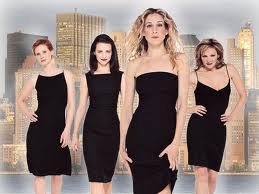
I know that people have always drank wine, but, at some point, it became the drink of choice for a vast number of people. Like with a lot of things, I have my opinion as to how that happened. It was not a booming economy. It was not an ad campaign. It was these women.Sex and the City

I know that the women of Sex and the City drank martinis and other types of cool drinks. However, the show also provided the idea that a stylish, successful woman about town knew her wine. This popular show introduced wine to a segment of the population that drives our sense of style, and that sense filtered to other segments of our society. Then, we Americans figured out that we liked wine. Apparently, we are not as crass as we are sometimes made out to be.

Am I crazy? Probably. However, the mass love of wine by Americans is a recent development, and it had to start somewhere.

A Lebanon Institution – Snow White Drive-In

8 Feb

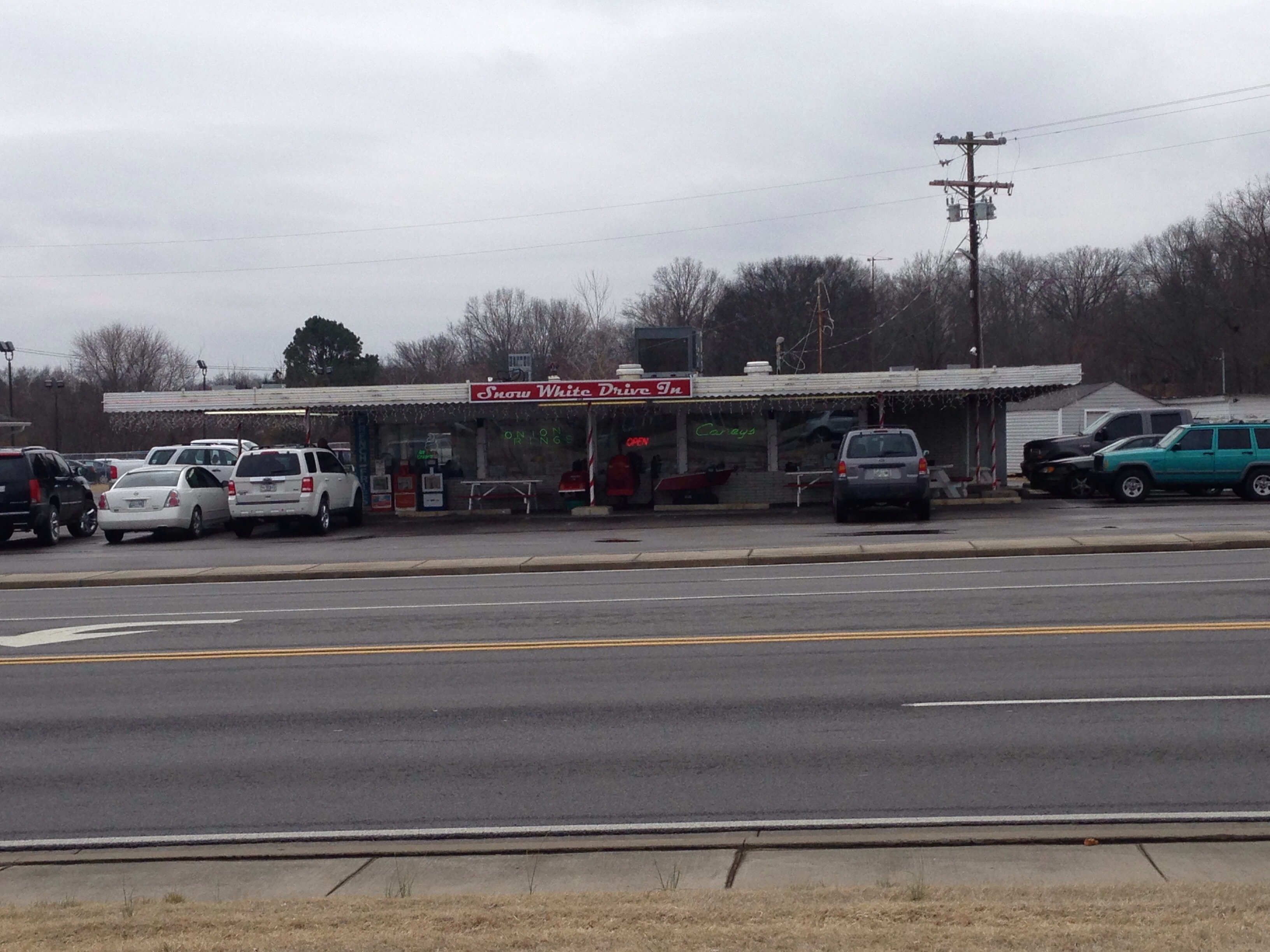
Today, I had lunch at a local institution – Snow White Drive-In.Snow White

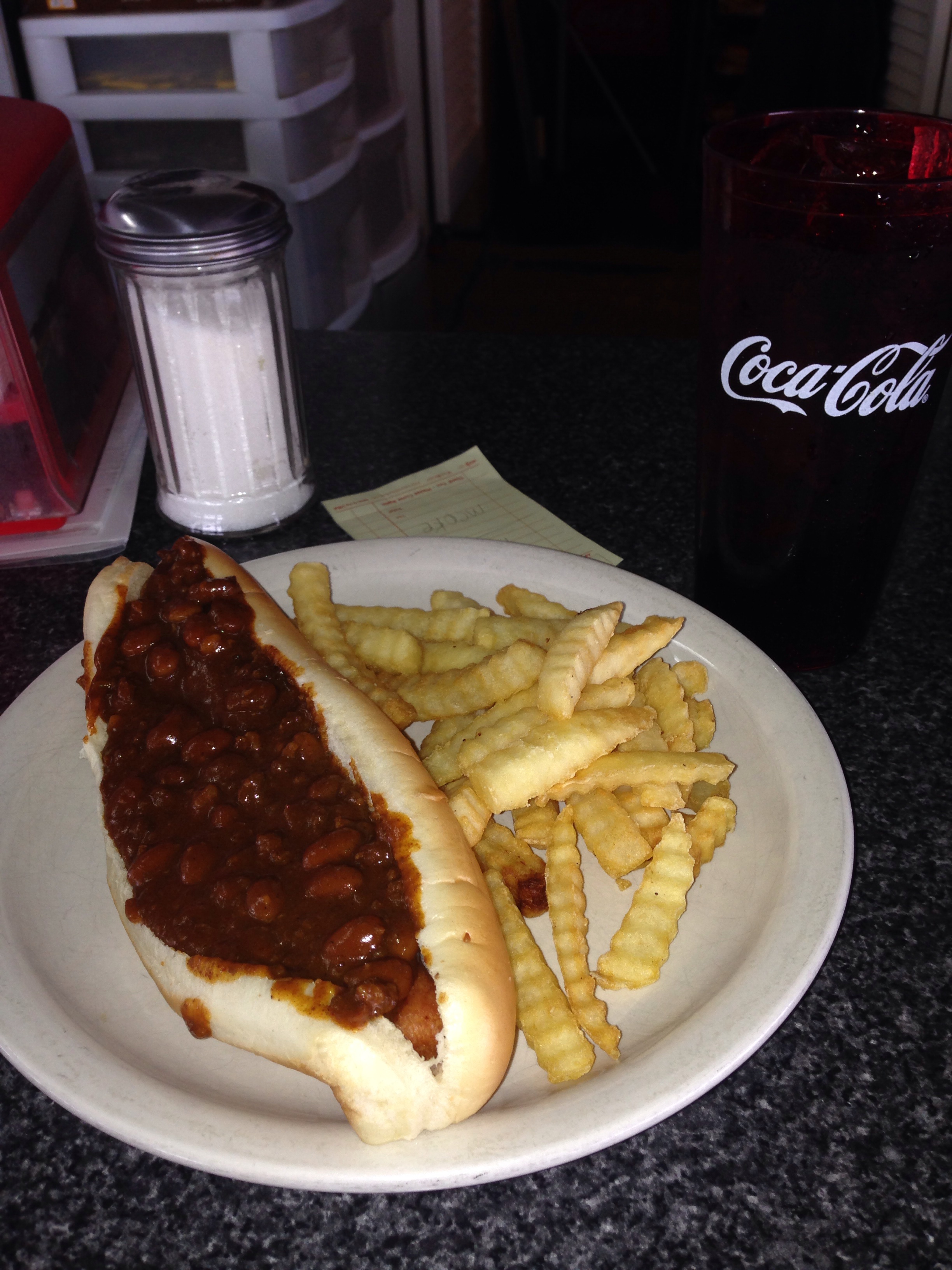
Being by myself, I made my way to the lunch counter. On the way, I talked to a few people who I know. I also scanned the grease board that lists the meat and three selections. There were also some homemade pies to check on. However, I already knew what I was going to get. It has been my favorite thing at Snow White since I was a kid. Other people can have their pinto beans and barbecue. They can also have their milkshakes and banana splits. I will take the long chili dog and french fries every time.Chili Dog

As I sat at the counter and ate my chili dog, I began to think about the place in which I was sitting. Snow White Drive-In opened in the 1950s and has seen a lot of changes through the years.

In the beginning, it sat on the outskirts of town on the two lane highway from Lebanon to Nashville. It was probably a destination for the people who lived in town and was definitely a place where teenagers could hang out without being under the watchful eyes of their parents.

Now, Snow White is in the city limits. There are neighborhoods all around it, and a Publix sits across the street. There is also a Taco Bell just down the road.

Snow White has seen a lot of changes, but it has also seen a lot of challenges. Taco Bell sits on the site where another drive-in used to be. I would imagine the competition was fierce between the two businesses, and only one could make it.

When I was a kid, the owner of Snow White was robbed and murdered behind the restaurant. It was a shocking crime, but the business survived as other owners took over.

Snow White has also seen chain restaurants come to town and provide competition. I will not list them all because they are the ones that are in every town. However, a few are close enough to Snow White to be seen.

There was a time when Snow White closed, but other owners knew how important it was to the fabric of our town and reopened it. Now, it stays busy all of the time. It has also doubled as a setting for music videos and movies. Through all of the changes and challenges, Snow White Drive-In has survived as a small bit of Americana.

However, that could be about to change. A few weeks ago, the newspaper reported that the landowner is working on a deal to bring another business to the location. The report did not say what that business was going to be, but I have heard that it is going to be a convenience store, which we already have a million of.

The article quoted the owner of the property, and he went on and on about how he loves Snow White as much as everyone else. In fact, he promised that the restaurant would still have a place on the property in a new building. After all, it is the food that makes the place successful.

I am not sure about that. People can get the same food at a bunch of places. I think it is the building that makes Snow White Drive-In different. People can walk into a place that has been around since the 1950s and imagine a different time. They can feel the nostalgia in the air.

I think eating in a place that people have been going to for six decades is cool. However, I have no illusions that I am experiencing the “good old days”. As a historian, I do not really believe there was a “good old days”. I believe that people were eating in this building when they heard about that John F. Kennedy was assassinated. I believe that those people were white because of segregation. I believe that some people were there the night man landed on the moon. I believe some people were there when they first heard Elvis on the jukebox.

Snow White is like other historical places. Its existence connects us with the past, both the good and bad parts of it. That is why I have taken history students there to eat. It gives them an idea of how things may have been.

I do not fault the landowner for getting value out of his land. Heck, I also develop land and own the property directly behind Snow White. I just feel that he is wrong when he says that Snow White will be the same in a new building. It will be a restaurant just like all of the rest. The food will be good, but the history will be gone.

Something else will be gone. Snow White Drive-In is a part of the fabric of Lebanon. When it goes away, a small thread of the town’s history will go with it.