Tag Archives: Texas

The Fifth of July

5 Jul

For the Fourth of July, I spent time with some friends who invited me to their pool party and cookout. It was nice of them to ask, and I enjoyed myself very much. The day was spent swimming and hanging out by the pool. People talked, laughed and drank beer while kids ran all over the place. What could be more American than that?

Once dusk began to set in, we went to the park for a cookout and to watch the city’s fireworks show. We had the usual fare – hamburgers, hot dogs, potato salad, baked beans, and any other cookout food you might think of. Some of us guys played Cornhole, which is a terrible name for a game, until we realized that a few of the players should turn professional. How would you like to be that? A professional cornholer.

People started to pour into the park and soon the fireworks show began. Everyone looked into the sky and pretended like they had never seen a fireworks show before. Through the ooh’s and aah’s, I began to think what it must have been like for Francis Scott Key to see real bombs bursting in air at Fort McHenry. I suppose that is the historian coming out in me.

As I thought about Francis, something else entered my mind. Through the entire day’s activities, not one person mentioned what the celebration was about. They talked about having a day off and going back to work tomorrow. They talked about the upcoming football season. They also talked about how hot it has been lately. But, no one talked about it being the anniversary of our nation’s independence. Not even me, the American historian. It seems that the Fourth of July was no different from the Fifth of July.

I have been thinking about this ever since I left the gathering. Have we forgotten what the holiday is all about? Do we care? Have we gotten so comfortable with our freedoms that we take them for granted? On top of that, do we really understand our nation? Do we recognize its good qualities and its bad ones? Honestly, I am not sure.

We have a Pledge of Allegiance, but I made a pledge to myself. I will re-energize myself and make sure that I teach American history to the best of my ability. Sometimes, I get into the day-to-day grind and forget that my job is to prevent the past, with all of its complexities, from being lost. I will not forget again.

There is no way to project the whole of the United States in one photograph, but I want to end this post with, in my opinion, the most “American” photograph in my computer.

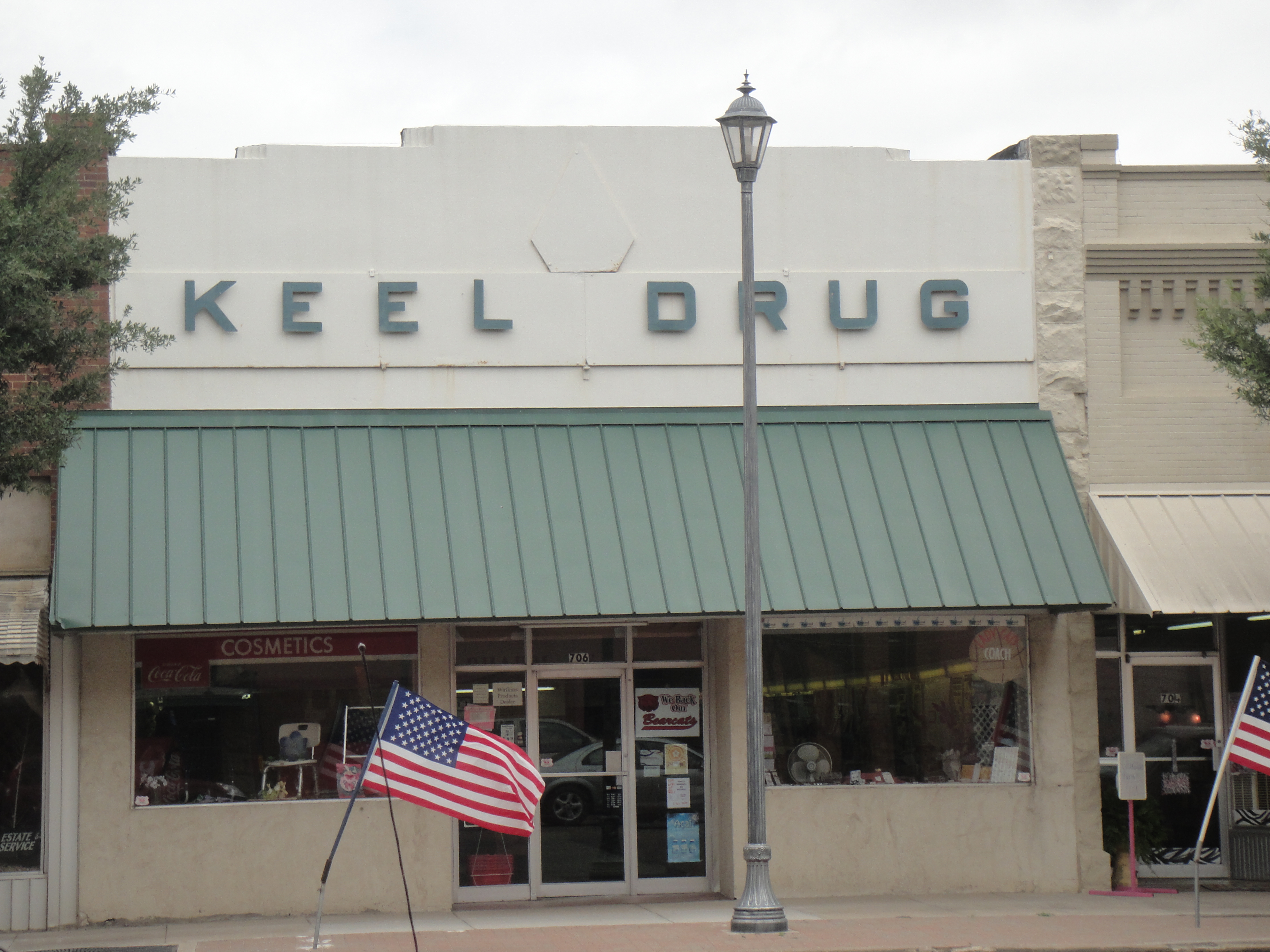
That is Keel Drug Store in the small town of Ballinger, Texas. For many years, it was owned and operated by Gene Keel, the father of my late uncle Johnny Keel. I can’t think of anything more American than a small business in a small town with a flag flying out front. Rest in Peace, Johnny. We all miss you.

Imagining the West

5 Jun

When the United States completed the Louisiana Purchase, a question arose among politicians and citizens around the country. What exactly did Thomas Jefferson buy? Some of it was known, but, frankly, a lot of it was a mystery. Like today, mysteries led to wild rumors and speculation. Some thought that the land was filled with mammoth. Others theorized that giants walked the land. Even the reports of Lewis and Clark did not quell the wild stories about the land that they traveled through.

This began a long fascination with the western landscape among Americans. While some ventured into the region, the vast majority was content with staying in their comfort zone and leaving the visions of the West to their imaginations. While they read dime novels exaggerating the exploits of the people in the West, they were also fed exaggerations of the images of the West.

It is easy to see how someone in the 1800s could incorrectly imagine the West as they read a book that was designed to be as adventurous as possible. The visuals were left up to them, and they only knew what the writer wanted them to know. However, the 1900s brought the invention of films. Now, the story could unfold in front of their eyes. No more imagining. They could see the real West.

Unfortunately, that’s not exactly the way it happened. The first “westerns” were filmed at Thomas Edison’s studio in New Jersey. I’m not even sure it was in western New Jersey. When the motion picture industry moved to Los Angeles, things did not get much better because movies were filmed close by. In other words, a story that was based in Texas was filmed in California. As people watched, they began to assume that Texas, and the West in general, looked like the place they were seeing on the screen.

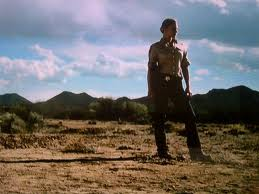
Last night, all of this came into focus for me as I watched television with some friends. Longmire, a new show about a modern-day sheriff in Wyoming, premiered on A&E, and I had been looking forward to it. To my disappointment, it was a weak attempt to copy th success of Justified, but I digress. My friends, who have never been to Wyoming, were talking about the scenery and how beautiful it was. I have been trying to convince them to take a trip to the West instead of their usual beach excursion, and they began to get excited about going to Wyoming and seeing this beautiful place.

Wyoming is beautiful. It is one of my favorite states. However, if my friends want to see the landscapes of Longmire, then they will need to go to northern New Mexico, the filming location. I thought it looked familiar because I was just there. Anyway, I had to explain that westerns are not always filmed where the story takes place and that it has confused audiences for decades. I wondered how many people will watch the show and think that Wyoming looks like New Mexico.

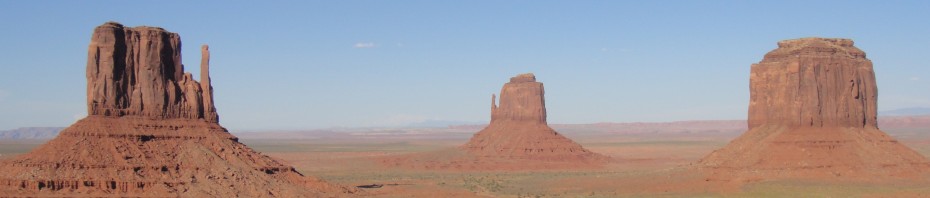
Today, another example of filming that confused the audience popped up on my television. The Searchers, starring John Wayne as Ethan Edwards, is one of my favorite movies. It follows a loner who goes on a decade-long trek to find his niece who was abducted by Comanche. I could write about this movie all night but need to focus on the scenery in which the action takes place. The director, John Ford, used his favorite filming location, Monument Valley, because of its grand vistas. In fact, I used a photograph of Monument Valley for the banner above.

The problem is that the story takes place in Texas while Monument Valley sits in Utah. Through the years, I wonder how many people think Texas, an iconic locale for western stories, looks like that. I can promise that it doesn’t.

People have always imagined the West differently. In the 1800s, misconception was understandable because technology and transportation did not offer easy opportunities to see it. During most of the 1900s, a trip into the West was also difficult for many. However, today, with interstates and internet, there is not excuse for imagining the West incorrectly. I urge everyone, if provided with the opportunity, to travel through it and see for yourselves.

Wyoming does not look like New Mexico, and Texas does not look like Utah. However, each of those places and all of the rest have a beauty all their own. Don’t be fooled by the movies and television because the West is more magnificent than they can show and you can imagine. Plus, it will all be in the right places.

Pueblos, Pottery and Captain Vla

22 May

I have returned from the sojourn into New Mexico with fellow faculty and a class full of students. Fun was had by all, and it would be impossible to cover everything we did in a blog post. With that in mind, I will provide a brief synopsis by describing my favorite activities from each day. Hopefully, this will provide an entertaining glimpse into our adventures.

Day 1 – The beginning of a trip is always the best part of the first day. The students are anticipating the places that they have yet to see, and the teachers are anticipating the return to an interesting part of the country.

Day 2 – We can’t drive vans to New Mexico in one day, so we check out some things along the way. My favorite part of the second day is driving through Hereford, Texas, the citizen-proclaimed “Beef Capital of the World”. I don’t know if that is true, but there are definitely more cows in Hereford than there are people. Holding pens line the highway and railroad as thousands of head of cattle wait to be shipped to the plates of America. The students could only discern the smell, but I find the beef industry, both its past and present, interesting.

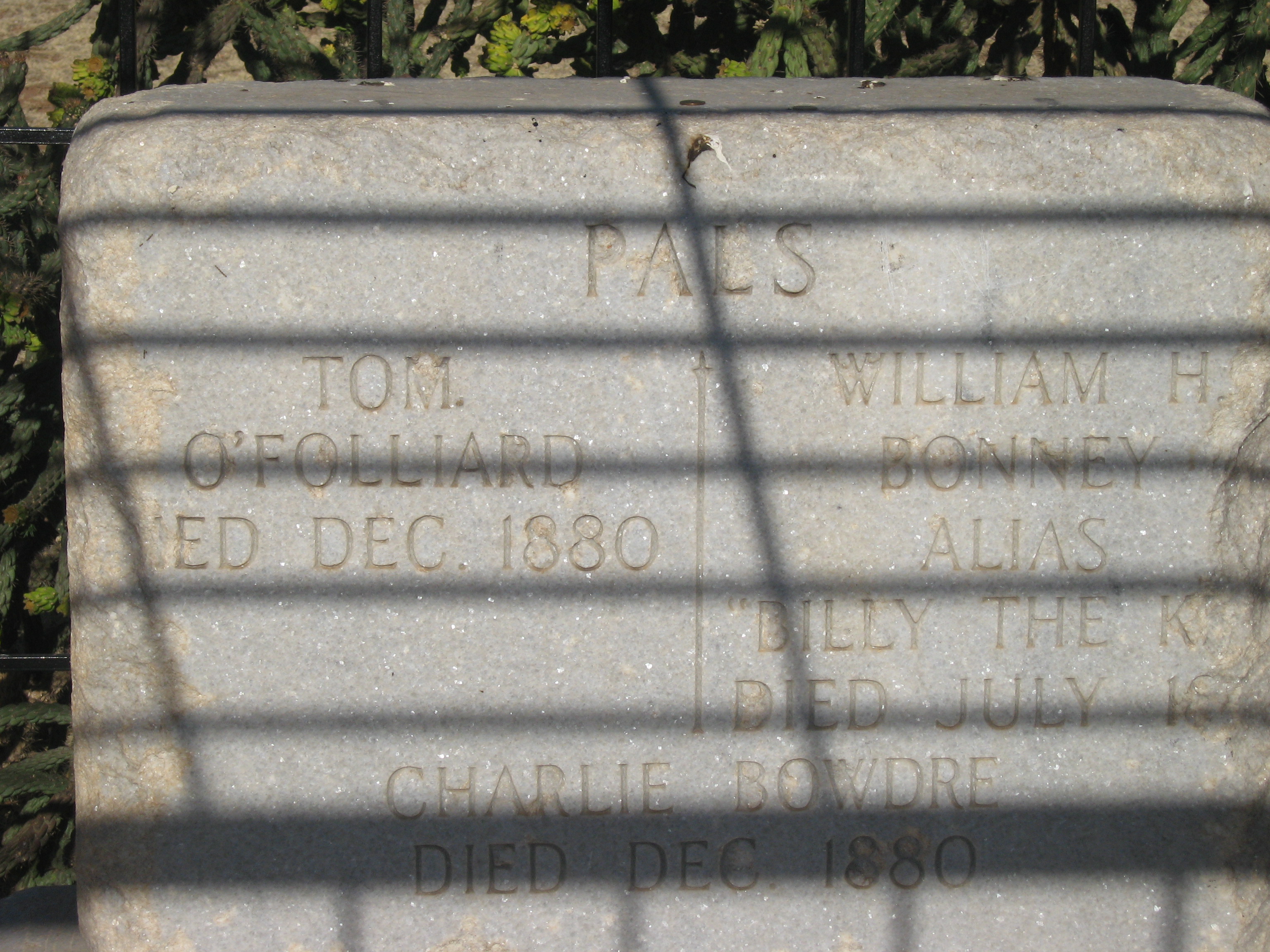
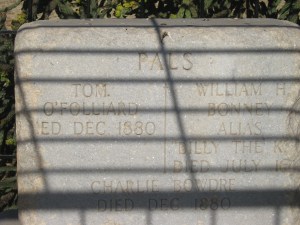
Day 3 – We made it to Santa Fe, our ultimate destination, later this day, but we had one stop along the way where I had the chance to talk about some history where that history took place. Billy the Kid is buried in Fort Sumner, New Mexico. Well, most people think he is buried there. Conspiracy folks believe he survived instead of being killed by Pat Garrett. Anyway, I was able to tell the students about Billy the Kid next to his grave.
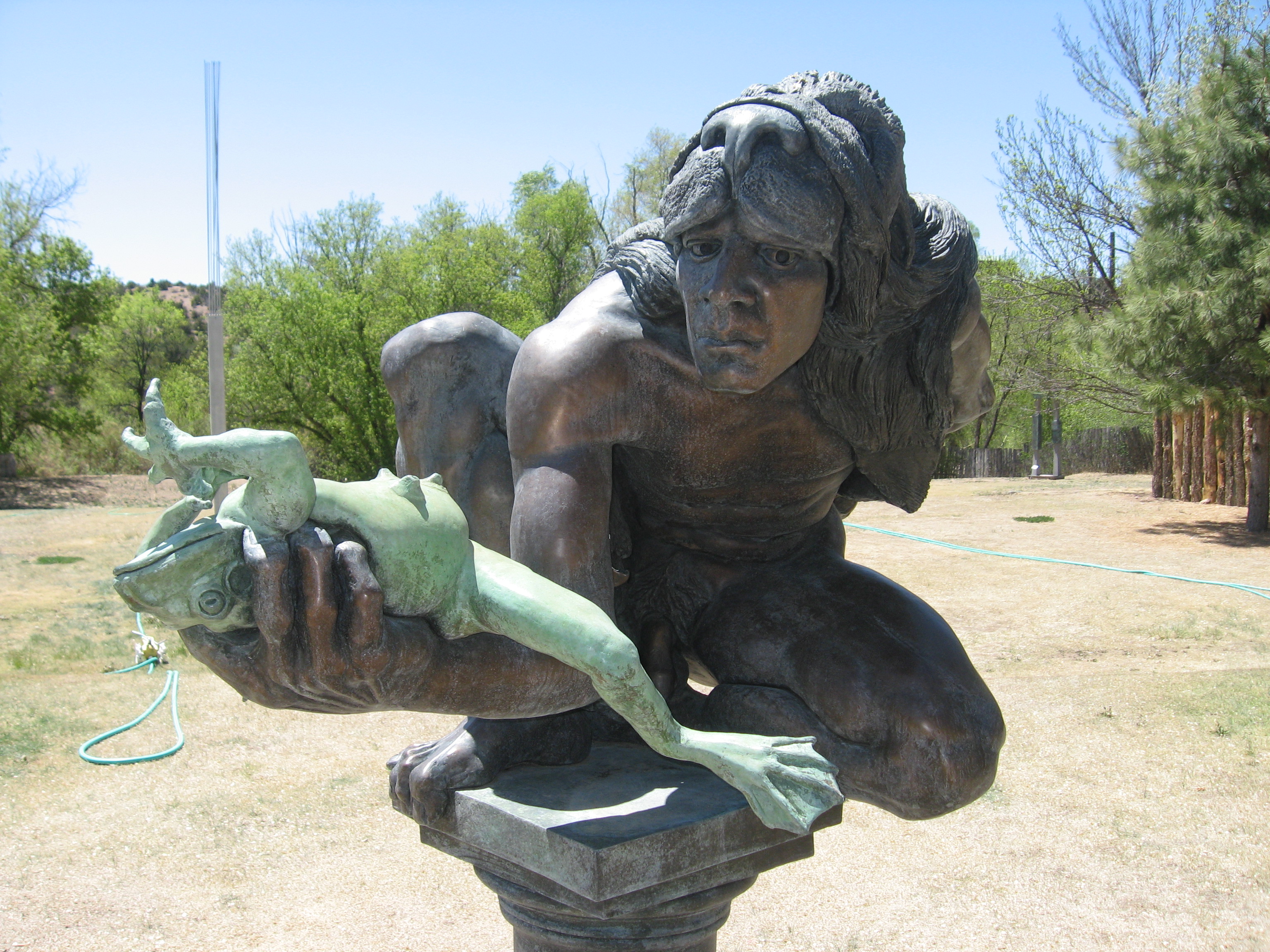
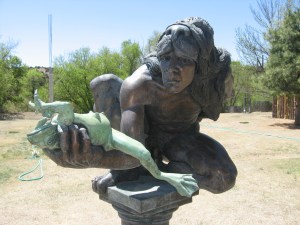
Day 4 – Our plans to hike Chaco Canyon were rained out, and our leader had to develop a day full of activities on the fly. We went to the Santa Fe plaza, but my favorite part of the day was spent at the Shidoni Gallery. The building and surrounding grounds are full of metal artwork that has been forged at the on-site foundry. It is interesting to see what people consider art and the prices they are willing to pay for it.
Day 5 – On this day, we went to a few places that we had never taken students before. The Very Large Array, or VLA, was the best. This is a series of giant satellite dishes used to study the far reaches of space. I don’t have a good picture of these, but if you have seen Contact with Jodie Foster, then you have seen the VLA.

It was cool to walk around them, but the real fun was on the periphery. On the way, we drove through sunshine, rain and hail. On the way back, we drove through snow. This is the first time we have seen precipitation in New Mexico – much less three different kinds. Also, one of our students, with my help, began calling himself Captain Vla. He imagined himself a superhero who could fly through space, powered by the satellite dish that emerges from his butt. His only weakness would be his limitation to travel by rail while on Earth, just like the VLA dishes. He even had a theme song – Super hearing! Super sight! He can travel through space at the speed of light! (For those readers who know the students who went, I will give you one guess who turned himself in Captain Vla.)

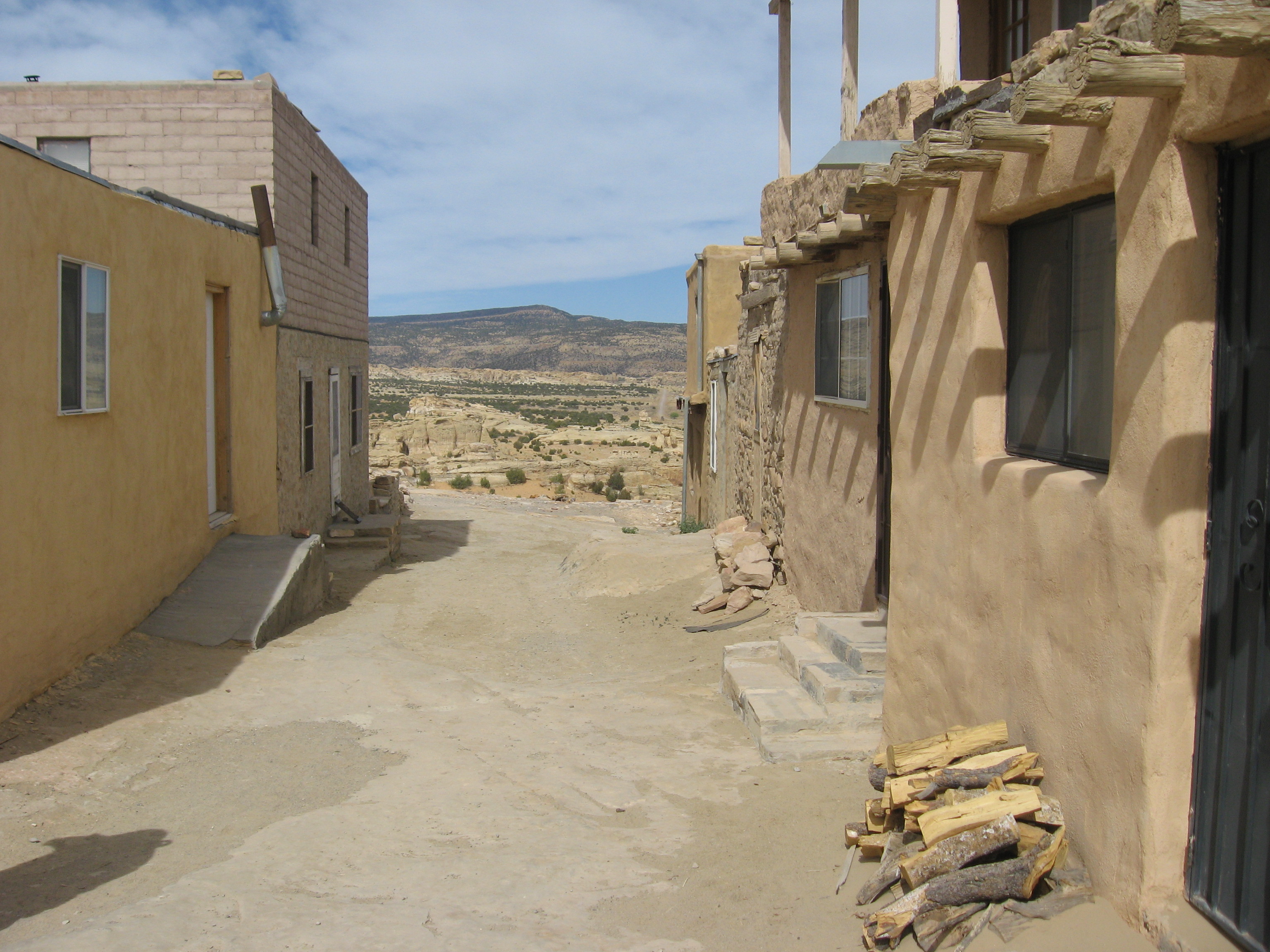
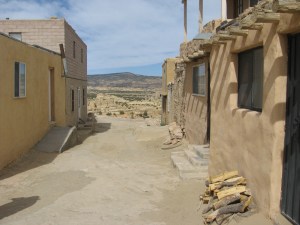
Day 6 – We visited my favorite place on the entire trip, the Acoma Pueblo. The oldest continually inhabited place in the United States, Acoma is located on top of a mesa and has a history of survival from the elements and European invaders. Native American docents take groups on a tour through their pueblo and their culture. Along the way, tourists can buy pottery from local artisans. One of our teachers, who shall remain nameless, buys pottery from the same lady every time we go. He also gets a hug.
Day 7 – We always eat well in New Mexico, and this trip was no different. The New Mexican cuisine is wonderful, especially the sopapillas that are always served for dessert. On the seventh day, we ate at Rancho de Chimayo, one of the great restaurants of the area, but dining was not the only enjoyment. There is a pottery shop inside, and two of the faculty members on the trip are addicted to buying Pueblo pottery. It so happens that the shop had a pot that they were lusting after. As they bickered back and forth about which one was going to purchase the $1,400 piece of pottery, the third teacher, not me, stepped in and said he would buy it. They both stood there with their mouths hanging open.

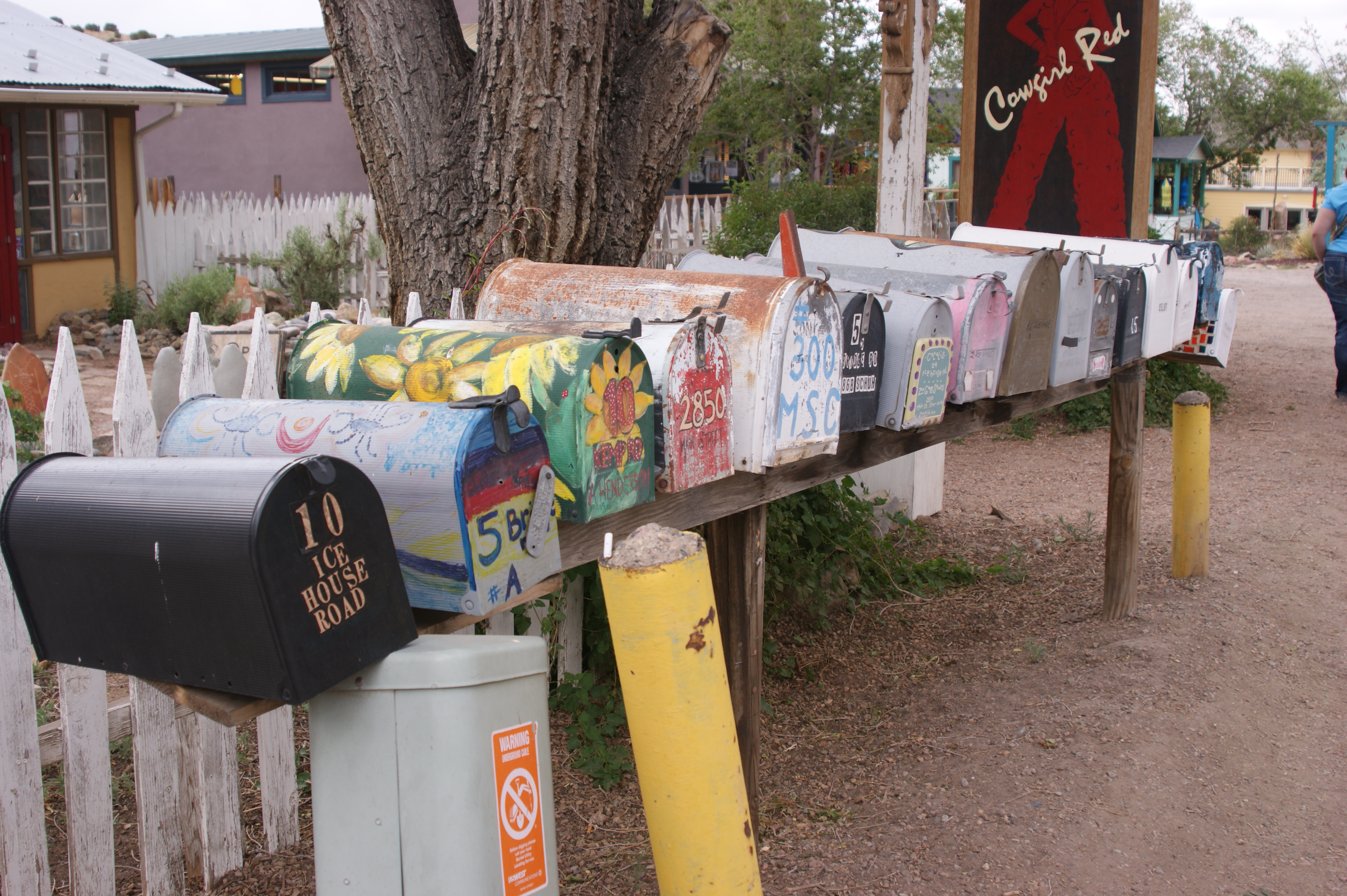
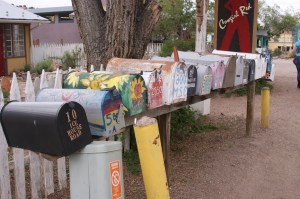
Day 8 – This was an easy day with little driving and little expended energy. Believe me when I say that everyone was ready for it. We were also ready to visit Madrid, New Mexico, an old ghost town that was resettled by flower children in the early 1970s. It is like going back in time to a place where peace, love and other things were still possible. The guys found a blonde in the ice cream parlor/art gallery that they wanted to find peace with. I found the first person to move to Madrid in 1973 and had a discussion about his life.

Mel Johnson was a dean at the Art Institute of Chicago and gave that up for a life in Madrid. In the following years, other people followed him until the town was filled with artisans and free-thinkers. Before I left his studio, I had found an interesting story and bought a painting.
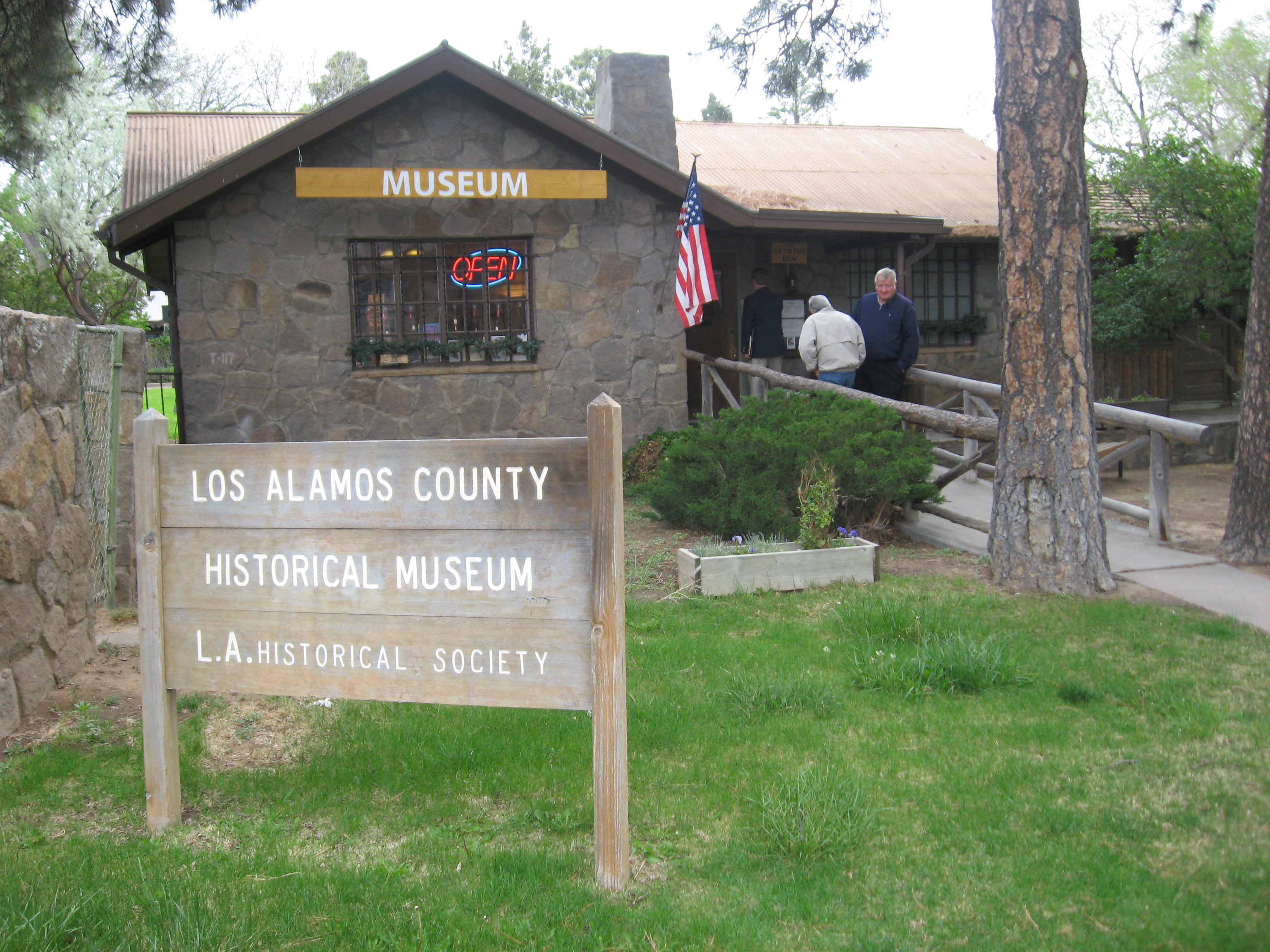
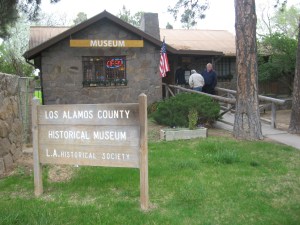
Day 9 – Once again,  I was able to talk about history where it actually took place. We visited Los Alamos and a museum that is housed in the only remaining building from the days of the Manhattan Project. I find World War II history interesting and have a special interest in the building of the atomic bomb. One reason is that Oak Ridge, Tennessee was one of the secret locations. Another reason is that my mom’s uncle worked in the Manhattan Project and told a lot of stories about it. People have different opinions about the use of the bomb on Japan, and it is great to discuss the different views of the students. In the end, we agreed that hindsight is 20/20, and we can’t place that hindsight on people who were making decisions in the moment.
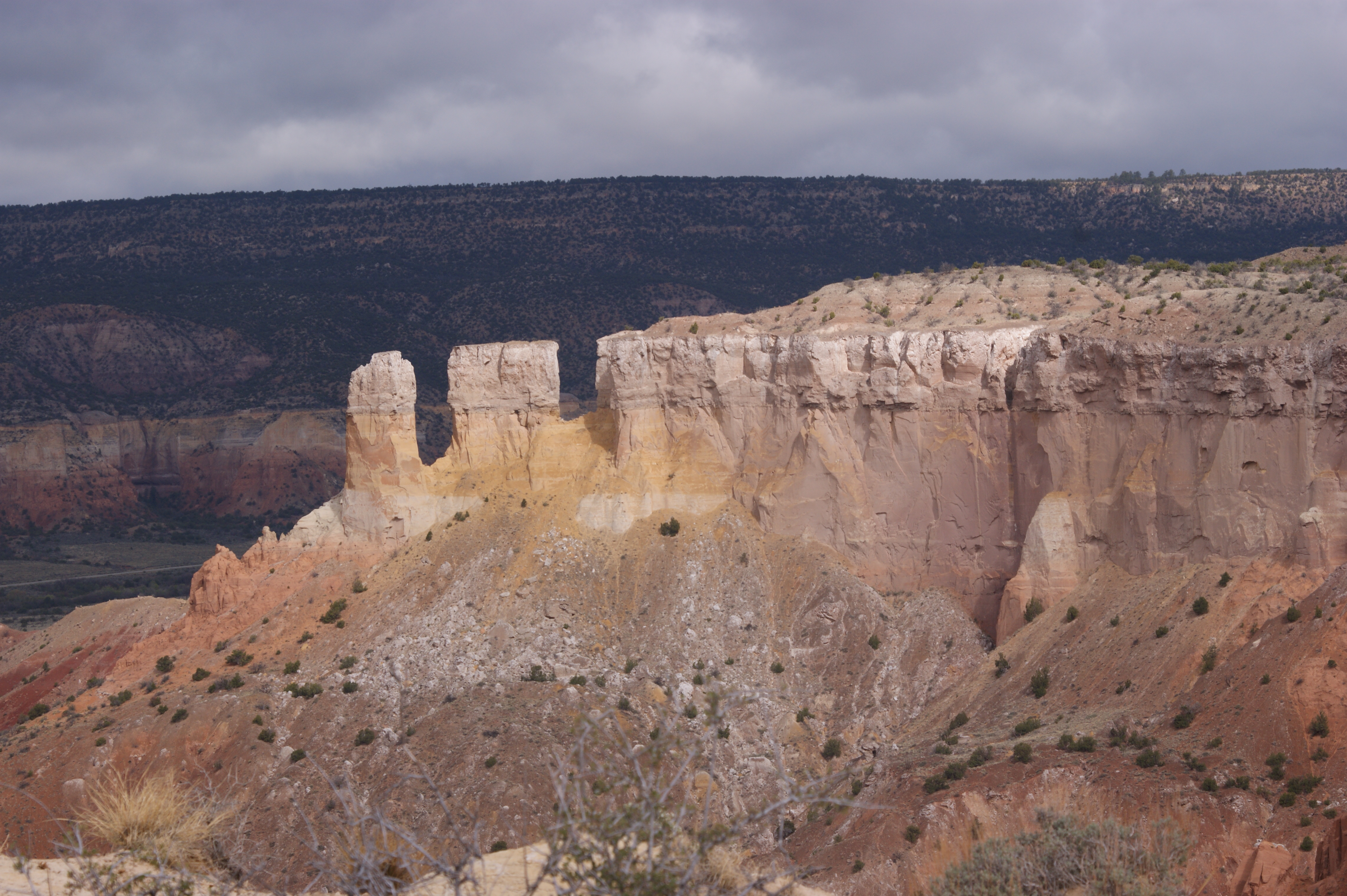
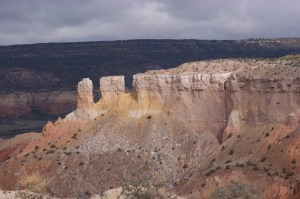
Day 10 – This was our last full day in New Mexico and was really a time to wind down. We hiked the mesa at Ghost Ranch and spent some time back on the plaza in Santa Fe. On top of the mesa, the students and I spent a spiritual moment reading a Native American poem, an ode to the land of New Mexico. I think we all felt a twinge of sadness because we were soon leaving and a sense of happiness because we had a great time throughout the trip.
Day 11 – We left Santa Fe at 5 am and drove over 700 miles to our original hotel in Sallisaw, Oklahoma. After a meal at Western Sizzlin’, the professors pulled chairs from our rooms into the Super 8 parking lot and discussed the trip. We deemed it a success.

Day 12 – We left Sallisaw at 5 am and headed home to Tennessee. It seemed that we got faster the closer we got to home. Like most trips, we were glad that we went but also were glad to get home.

The State of Music – Part 5

24 Apr

“At Last” is a classic by Etta James, and it is also how I feel about coming to the end of this nationwide journey. I must say that it was a little tougher than I had anticipated. However, the last ten states are in the que and ready to go.

South Dakota – Not only did I find a song with South Dakota in the title, but I also found one with my favorite South Dakota town in the title. “Deadwood, South Dakota” by Nanci Griffith takes its inspiration from the old mining camp in the Black Hills. There is a lot of history about this town, but I will only mention one tidbit. This is where Wild Bill Hickok was killed while playing poker and holding Ace’s and 8’s, the Dead Man’s Hand.

Tennessee – My state. The state that inspired me to take up the mantle of discovering the music of the states. I still have no idea how many songs have Tennessee in their title. The combination of the music industry and the easy ability to rhyme something with the state’s name created myriad possibilities. I had a hard time choosing the right one, but finally settled on a song that was written about my hometown. Ron Sexsmith has never been here but still wrote a song called “Lebanon, Tennessee”.

Texas – Another state that finds itself chronicled in song, Texas has been source material for songwriters since it first claimed independence from Mexico. However, this time we are going with anything remotely Country & Western. We are going with Chris Rea, one of my favorite singers from the 1980s, and his recording of “Texas”.

Utah – Going in, I figured the Mormon Tabernacle Choir had a song about Utah. I was wrong. Nobody has a song about Utah except Marty Robbins. He loved songs about western places and recorded “The Red Hills of Utah”.

Vermont“Moonlight in Vermont” has been sung my numerous artists. During my search, I found versions by Tony Bennett, Rosemary Clooney, Sam Cooke, Nat King Cole, Billie Holiday, Percy Faith, Bobby Womack, Mel Torme…heck, the list goes on and one. With that type of popularity, credit must be given to the writers, John Blackburn and Karl Suessdorf. After listening to several renditions, “The State of Music” panel goes with the version recorded by – drumroll – Frank Sinatra.

Virginia – Of all the songs I discovered while completing this task, I am more proud of this one than any other. “East Virginia Blues” was recorded by the Carter Family. I’m not talking about the Carter Family with Mother Maybelle and her children, which included June Carter Cash. I am talking about the original group started by A.P. Carter. There is a great story there that predates anything that happened in Nashville.

Washington – It’s been mentioned a couple of times that to qualify a song does not have to be about a state. It only needs to have its name in the title. Washington lends itself to this because there is also a president and a famous city with the same name. A bunch of songs use Washington, but I went with one about the park in New York City that is named after the president. Not very stately, I reckon. “Washington Square” is an instrumental recorded by The Village Stompers.

West Virginia – “Country Roads Take Me Home” does not count. Not only is the state name not in the title, but John Denver spends the whole time describing the Virginia without a direction in front of it. I picked “West Virginia Underground” by Taylor Made.

Wisconsin – Finding a song for this state was a pain in the ass. Everywhere I turned there was state songs, fight songs and nothing remotely artistic. Finally, I came upon Bon Iver and the aptly names “Wisconsin”.

Wyoming – John Denver recorded a lot of songs about states without naming his songs after them. In the end, literally, I found one called “Song of Wyoming” about the wide open spaces and natural wonders of the West. Of course, he had a bunch of songs about the same topics. This one just happened to fit in the list.

50 states. 50 songs. 50 different artists (I think). I tried to vary the genres as much as possible, and, despite a little complaining, I actually liked the search. Also, I found some new stuff that I may listen to again. I hope you guys liked the list as much as I liked putting it together. If you want to catch up on the complete version, then check out parts – one, two, three and four.

It’s a Conspiracy

4 Mar

This semester, one of my fellow history teachers is offering a cool class on conspiracies in American history. I wish I could sit in on the course because he covers conspiracies from different eras and explains why people have been attracted to the theories during those times. It is interesting to hear his students talk about the subjects they cover in class and the assignments that he gives them. I can tell that they are having a lot of fun and learning along the way.

A few days ago, a couple of students were in my office talking and explained that each of them have been given a specific conspiracy to research and write about. As one talked about their assignment, I said that I had been there. Then, the other one talked about their assignment, and I have been there as well. Finally, one of them said that I must be the one behind all of the secrets because my travels have made me a common denominator. We laughed, but I began to think, “Damn, I have been to a lot of these places.”

With that in mind, here is a list of the places I have been lucky enough to visit that are connected to some vast conspiracy.

Cape Canaveral – One of the coolest tours anywhere, you can get a upclose view of the launch pads used from the 50s to the present. It is amazing to take a journey through the technological changes. What makes this prime conspiracy territory? Ask any moon landing skeptic, and they will tell you that these launches didn’t go anywhere. The astronauts were walking around somewhere in the desert.

Mount Rushmore – Actually, I didn’t know a conspiracy surrounded this monument until I watched an episode of Brad Meltzer’s Decoded. I thought the only conspiracy involving this place was by the people who made that stupid National Treasure: Book of Secrets movie. However, Meltzer’s minions looked into the possibility of the mount paying homage to racial purity. I don’t know about that, but I know that the Black Hills were the sacred land of the Sioux. The fact that it is now a tourist trap is conspiracy enough.

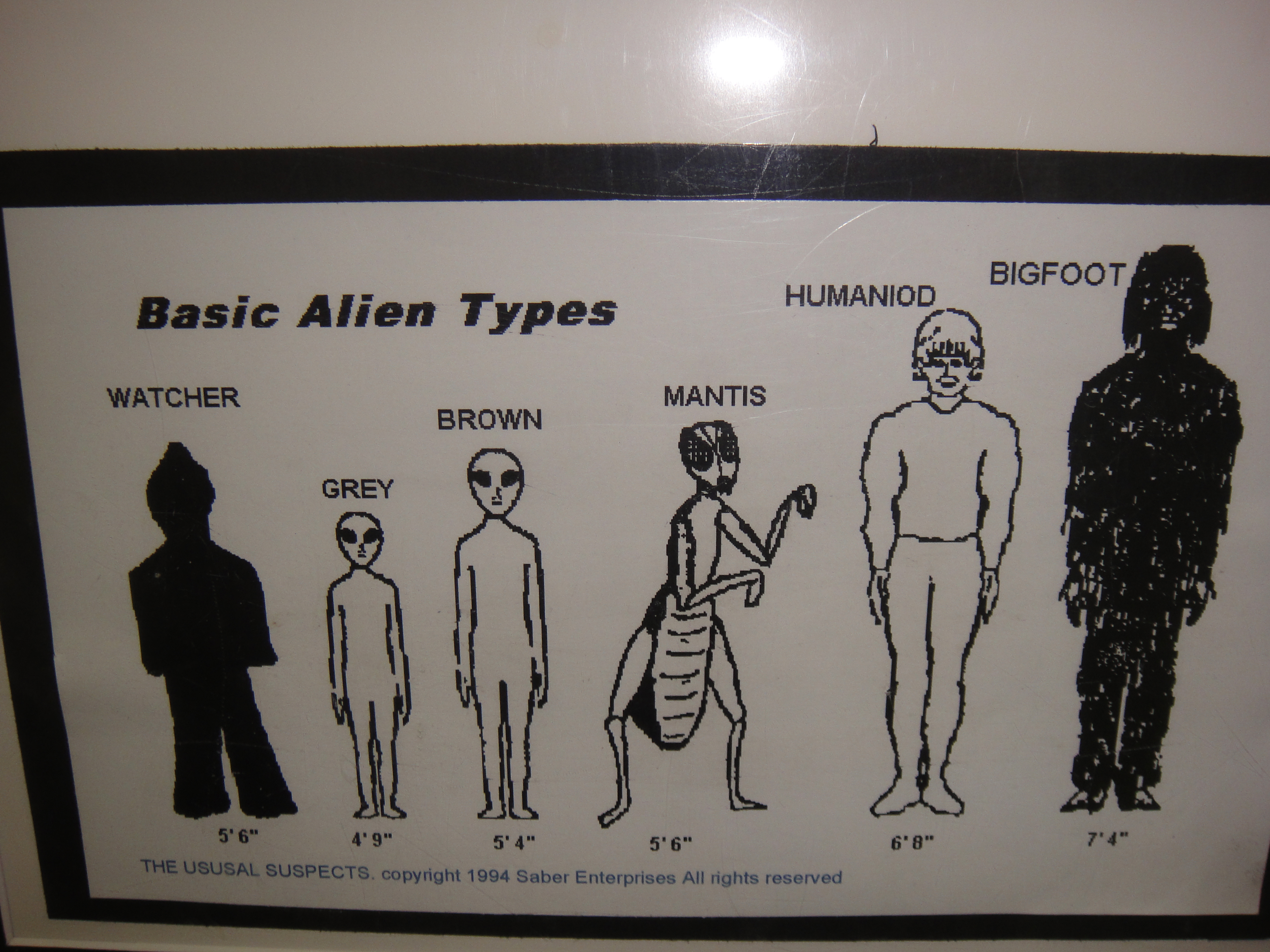
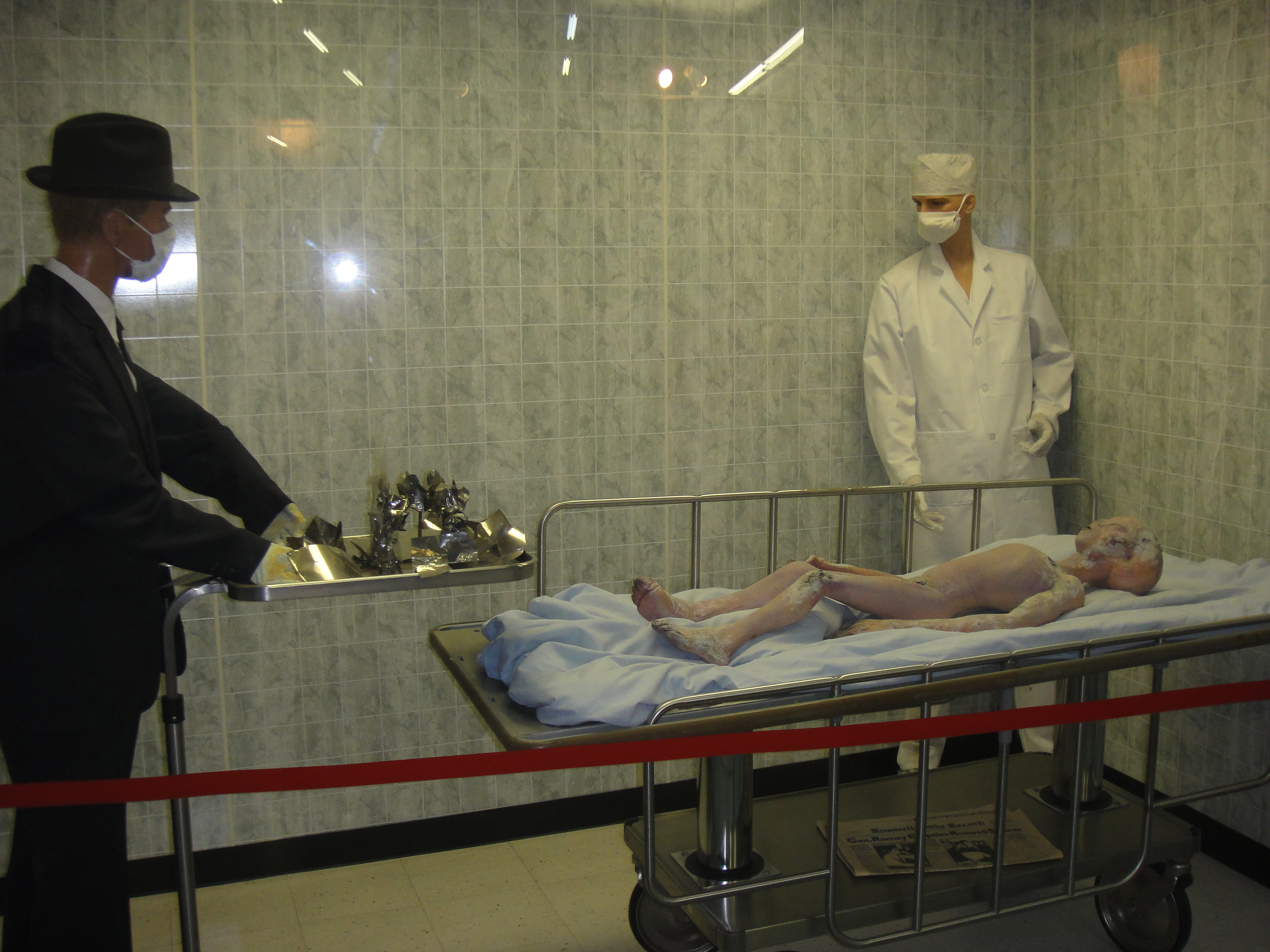
Roswell – In 1947, a UFO crashed near this New Mexico town, and the government has been covering up the incident ever since. It must be true because there is a museum dedicated to it with a lot of cool exhibits.

What? You didn’t know Bigfoot is an alien?

Then, you probably didn’t know that they have real recreations of alien autopsies.

Actually, the museum is interesting and has an extensive collection of UFO videos, research and writings.

Memphis – I wrote in a recent post about my visit to the National Civil Rights Museum, built on the site of Martin Luther King, Jr.’s assassination.

This conspiracy springs from the idea that a petty criminal like James Earl Ray could not have shot King and escaped to Europe without help. Ray fed this idea with his insistence that he was working with a man named Raoul. I have also wondered how Ray got away but had my questions answered after reading Hellhound on His Trail: The Stalking of Martin Luther King, Jr. and the International Hunt for His Assassin.

Dallas – The granddaddy of all conspiracy theories is based around the assassination of John F. Kennedy at Dealy Plaza. Most people probably believe that Lee Harvey Oswald did not act alone. Some say it was the mafia. Others say it was the Cubans, the Russians, or even the vice president. I don’t know about any of that, but I believe this conspiracy lingers for a couple of reasons.

First, a president, Abraham Lincoln, was actually the victim of a conspiracy.

Second, a visit to Dealy Plaza leads people to believe that something else must have happened. Walking around the grounds, it just makes sense that the gunman was on the grassy knoll and not in a window on an upper floor of a building. It is difficult to describe the area, but everyone should take a look for themselves. I must admit that of all the conspiracies this is the one I come closest to believing.

There you have it. The list of conspiratorial places that I have visited. I promise that this doesn’t make me the Cigarette-Smoking Man from The X-Files. Where’s my proof? If I was, then the following would happen.

Derek Dooley would resign as the head football coach at Tennessee, and the team would never lose another game.

I would win the lottery.

People would be breaking the law when they throw chewing gum on the ground.

I would win every hand of Blackjack.

All of us bloggers would be world-famous.